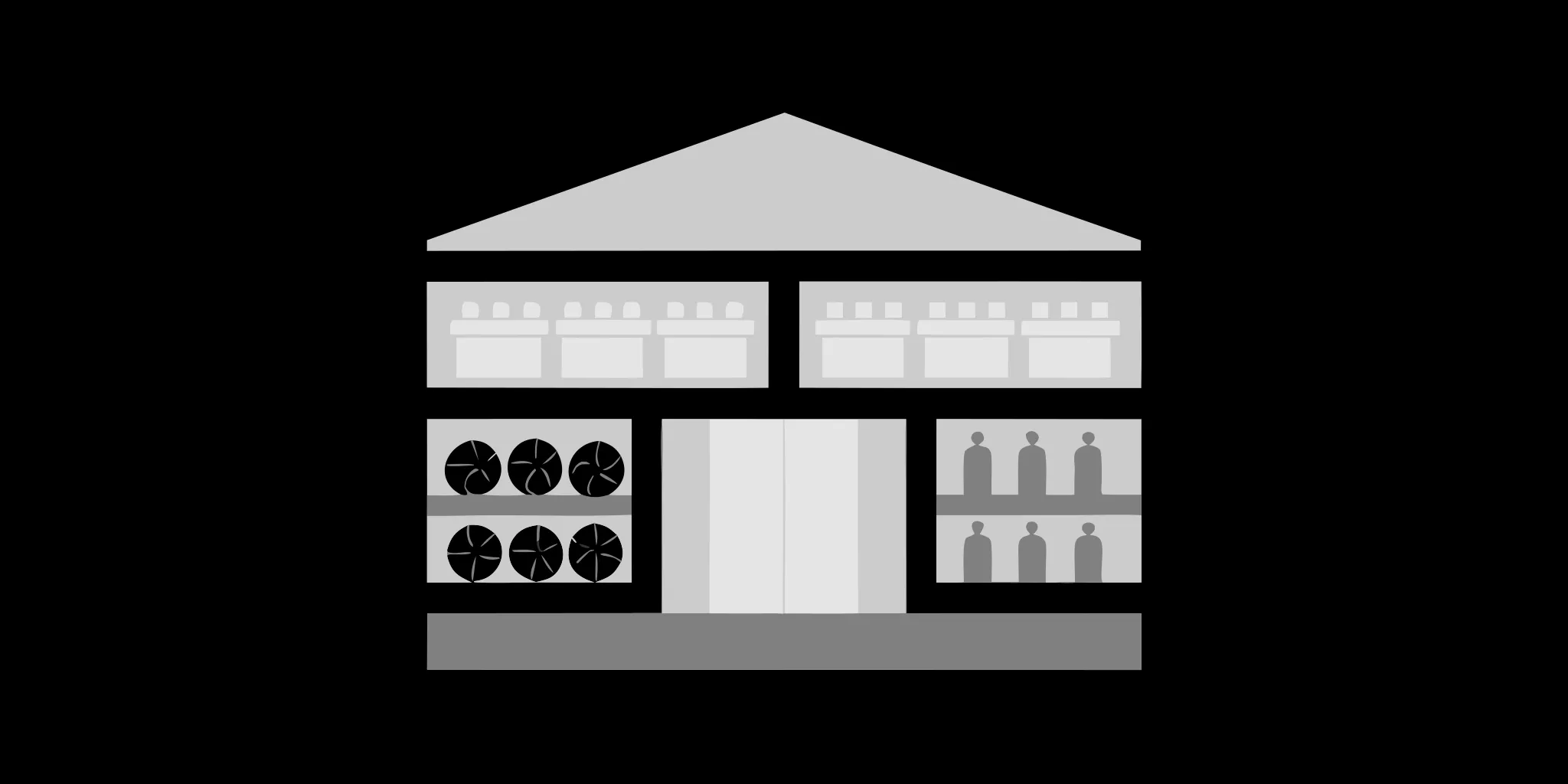


Your fixtures are the silent salespeople of your store, but are they doing their job well? Even with the best inventory, a few common merchandising missteps can create a frustrating customer experience and leave sales on the table. Overcrowded displays, poor traffic flow, and a one-size-fits-all approach can make a store feel chaotic and uninviting. The good news is that these mistakes are easy to fix once you know what to look for. By paying attention to how you use your sporting goods store fixtures, you can create a more inviting and profitable retail environment that serves your customers and your bottom line.
Choosing the right fixtures is one of the most important decisions you’ll make for your sporting goods store. The right setup doesn’t just hold your products; it creates an environment that guides customers, showcases merchandise effectively, and makes shopping an experience. From bulky equipment like kayaks and weights to technical apparel and small accessories, your inventory is diverse. Your fixtures need to be just as versatile. A thoughtful fixture strategy is the foundation of a successful retail space, helping you create an environment that is organized, engaging, and easy to shop.
Think of your fixtures as the silent sales team working around the clock. They organize your store, draw attention to key products, and help tell your brand’s story. For national retailers and regional chains, a consistent and effective fixture program is even more critical. It ensures brand consistency across all locations and simplifies inventory management and merchandising directives. Whether you're outfitting a single location or planning a multi-store rollout, understanding the different types of fixtures and their specific functions is the first step. Let's walk through the essential fixtures every sporting goods store should consider to build a functional and compelling retail floor that drives sales and builds customer loyalty.
Slatwall systems are the chameleons of retail fixtures. These panels, with their horizontal grooves, offer incredible versatility for your wall displays. You can easily insert a variety of hooks, shelves, bins, and brackets to feature anything from packaged accessories and athletic apparel to shoes and even some lightweight equipment. Slatwalls are fantastic for maximizing your vertical space, turning entire walls into dynamic, high-capacity merchandising areas. The best part is their flexibility. As your inventory changes with the seasons, you can quickly and easily rearrange your slatwall accessories to create fresh displays without a major overhaul.
Shelving is a non-negotiable staple for any retail store, and sporting goods are no exception. Sturdy, adjustable shelving units are perfect for neatly organizing folded apparel, shoe boxes, and other boxed items. They create clean lines and make it simple for customers to browse sizes and styles. For larger or awkwardly shaped items like skateboards, baseball bats, or tennis rackets, wall-mounted fixtures are a game-changer. They get products off the floor, creating an organized and visually interesting display that also saves valuable floor space. The right sporting goods shelving ensures your products are both accessible and well-presented.
Freestanding displays and gondolas are the workhorses of the sales floor. Gondolas are double-sided, freestanding shelving units that are perfect for creating aisles and organizing large amounts of merchandise. You can outfit them with shelves for products like protein powders, bins for basketballs and soccer balls, or hooks for hanging apparel. Other freestanding displays, like four-way racks or rounders, are ideal for creating focal points throughout the store. Their biggest advantage is mobility. You can easily move them to highlight seasonal gear, create space for in-store events, or simply refresh your store’s layout to keep things interesting for repeat customers.
If you have a lot of small, packaged accessories, pegboards and grid panels are your best friends. They provide a clean, organized way to display items like resistance bands, swimming goggles, athletic tape, and energy gels. The grid or hole pattern allows for endless customization with hooks, pegs, and small baskets, so you can perfectly space out products and prevent them from looking cluttered. This type of display makes it easy for customers to see your full range of accessories at a glance, encouraging add-on purchases. They are a cost-effective and highly adaptable solution for any area of your store.
For your most valuable merchandise, a locked display case is essential. These are perfect for showcasing high-end items like GPS watches, designer sunglasses, or signed sports memorabilia. A glass showcase provides a necessary layer of security against theft while still allowing customers to get a close look at the product. Integrating lighting within your display cases can make these premium items pop, drawing the customer's eye and communicating their high value. Placing these showcases near the checkout counter not only keeps them secure but also provides a great opportunity for your staff to engage with customers and assist with these higher-priced sales.
Mannequins and form displays are critical for selling apparel and gear. They help customers visualize how an outfit looks and fits in a way that a flat-folded shirt on a shelf simply can't. Use dynamic, athletic poses to show sportswear in its intended context: a mannequin in a running pose can sell a whole outfit, from the shoes to the shorts and moisture-wicking top. Forms are great for displaying specific items like jerseys, sports bras, or backpacks. The impact of retail displays like mannequins is significant, as they tell a visual story and inspire customers to buy complete looks rather than just single items.
End caps, the displays at the end of your gondola aisles, are prime retail real estate. Because they face the main walkways, they have the highest visibility in your store. This makes them the perfect spot for highlighting new arrivals, seasonal promotions, or high-margin impulse buys. A well-merchandised end cap can stop a customer in their tracks and introduce them to a product they weren't necessarily looking for. To be effective, you should change your end caps regularly, at least every few weeks. This keeps the store looking fresh and gives you a powerful tool to drive sales on key items.
Think of your store fixtures as the unsung heroes of the retail experience. They do more than just hold products; they guide your customers, tell your brand’s story, and ultimately, influence what they buy. When chosen and arranged thoughtfully, fixtures create a shopping environment that is intuitive, enjoyable, and easy to get around. They can transform a potentially overwhelming space filled with thousands of items into a curated journey that helps shoppers find exactly what they need, making their visit both successful and pleasant.
The right fixture strategy reduces clutter, creates a logical flow, and puts your best products in the spotlight. This directly impacts how customers feel and act in your store. A positive experience where someone can easily find the right pair of running shoes or compare two different yoga mats is what builds loyalty and keeps people coming back. It’s the difference between a customer who walks out empty-handed and frustrated, and one who leaves with a full cart and a smile. Your fixtures are a fundamental part of your in-store customer service, silently assisting every person who walks through your doors. Let's look at a few specific ways your fixtures shape the customer experience.
Well-designed fixtures are essential for making your products easy to see and access. When displays are organized and uncluttered, customers can quickly scan your offerings without feeling overwhelmed. This clarity is key to a positive shopping experience. Instead of getting frustrated searching for a specific item, shoppers can easily find what they need, which improves satisfaction and encourages them to browse longer. The goal is to use fixtures to create a clean, organized presentation that lets the quality of your merchandise shine. By reducing confusion, you make the path to purchase a much smoother one for your customers.
The layout of your fixtures determines how customers move through your space. Your goal should be to create a clear, inviting path that encourages exploration. If aisles are too narrow or displays are bulky and obstructive, you create traffic jams that can frustrate shoppers and cause them to leave. A well-designed store flow guides customers on a journey, exposing them to various departments and product categories along the way. Thoughtful design and engineering can help you map out a floor plan that prevents bottlenecks and ensures every corner of your store is accessible, maximizing exposure for all your products.
Grouping products by activity is a powerful merchandising strategy that makes shopping more intuitive. Instead of organizing by product type (all shoes in one aisle, all shirts in another), create destinations within your store. A "runner's corner" could feature everything from shoes and apparel to hydration packs and GPS watches. This approach helps customers find complete solutions for their needs and often inspires them to purchase related items they hadn't considered. These curated displays help shoppers visualize how the products fit into their lifestyle, turning a simple shopping trip into an inspiring experience that can lead to larger sales.
Fixtures provide the perfect foundation for effective signage and lighting, two critical elements for guiding customers. Integrated sign holders can clearly define sections, call out promotions, or share key product benefits without creating visual clutter. When displays feel calm and organized, shoppers feel more comfortable making decisions. Similarly, you can use targeted lighting to draw the eye to new arrivals, high-margin items, or promotional displays. By combining fixtures, signs, and lighting, you create a visual hierarchy that directs attention and communicates information efficiently, helping shoppers feel confident and informed.
Modern fixtures can do more than just display products; they can also incorporate technology to create a more dynamic shopping experience. Interactive retail displays, such as tablets or screens mounted on fixtures, can provide customers with detailed product information, how-to videos, or real-time inventory levels. This blend of physical and digital gives shoppers the rich information they expect from online retail within your brick-and-mortar store. It’s an effective way to engage customers, answer their questions, and give them a compelling reason to choose your store over the competition.
Your fixtures are the silent salespeople of your store, but are they doing their job well? Even with the best inventory, a few common merchandising missteps can create a frustrating customer experience and leave sales on the table. The good news is that these mistakes are easy to fix once you know what to look for. By paying attention to how you display your products, you can create a more inviting and profitable retail environment. Let's walk through some of the most frequent fixture mistakes and how you can correct them to better serve your customers and your bottom line.
It’s tempting to put out as much product as possible, but packing your displays too tightly can backfire. When a customer is met with a wall of cluttered merchandise, it’s hard to focus on any single item. This visual overload can be overwhelming, causing shoppers to simply walk away. A clean, well-organized display gives your products room to shine and suggests higher quality. Think of it as creating breathing room for your inventory. By curating your displays and using negative space effectively, you guide the customer’s eye to featured items and create a more relaxed, enjoyable shopping journey. Our past projects show how a minimalist approach can often make the biggest impact.
Signage is your opportunity to speak directly to your customers, but mixed messages create confusion. When your displays feature a jumble of different fonts, clashing colors, and conflicting promotions, it creates visual noise. Instead of drawing customers in, this inconsistency makes them hesitate. A shopper who can’t quickly understand pricing, promotions, or product information is likely to move on. The key is to establish a clear and consistent visual language for all your in-store signage. This helps build brand recognition and makes it effortless for customers to find what they need. A cohesive signage strategy is a fundamental part of a successful fixture design that supports a seamless shopping experience.
The checkout counter is more than just a place to process payments; it's your last chance to make a sale and leave a lasting impression. Many retailers overlook this valuable space, letting it become cluttered with returns, paperwork, and forgotten items. A well-designed checkout area is a prime spot for impulse buys like energy bars, water bottles, or athletic tape. By using small, strategic fixtures, you can present these items in an organized and appealing way. Keeping the counter clean and the process efficient ensures your customers leave on a positive note, increasing the likelihood they’ll return. It’s a final touchpoint that solidifies the entire customer experience.
How easily can shoppers move through your store? If your aisles are blocked by bulky fixtures or poorly placed displays, you’re creating dead ends for your sales. Customers need clear, open pathways to explore your store comfortably. When aisles are too narrow or displays jut out unexpectedly, it can prevent shoppers from even reaching certain products. This is especially true for customers with strollers or shopping carts. A thoughtful store layout encourages discovery and ensures every part of your sales floor is accessible. Proper logistics and distribution of fixtures during a rollout are essential for establishing and maintaining this flow across all your locations.
Sporting goods come in all shapes and sizes, and your fixtures should reflect that. Using a generic, one-size-fits-all display for every product is a missed opportunity. A display is more than just a holder; it’s an extension of your brand and a storytelling tool. A high-performance running shoe deserves a different presentation than a set of dumbbells. Custom fixtures are designed to highlight the unique features of your products and reinforce your brand identity. Investing in a tailored design and prototyping process ensures your fixtures not only fit your products perfectly but also create a memorable and cohesive brand experience for your customers.
Once your fixtures are in place, the real work begins: merchandising. The way you arrange products on your displays directly influences what customers see, how they feel, and what they buy. Effective
Don’t let your walls be an afterthought. Vertical space is some of the most valuable real estate in your store. By utilizing wall-mounted clothing racks and tiered shelving, you can display more products without making your sales floor feel cramped or cluttered. This approach draws the customer's eye upward, creating a more dynamic and engaging shopping environment. It also helps with organization, allowing you to group outfits or related items together in a clean, accessible way. Think about using slatwall or gridwall systems with various hooks and shelves to create flexible, eye-catching vertical displays that you can change with minimal effort.
There’s a classic saying in retail: "eye level is buy level." Your displays, signage, and layout guide how shoppers move, pause, and ultimately choose what to purchase. Placing your most popular, high-margin, or in-demand products between waist and eye level ensures they get noticed. Shoppers are naturally drawn to what’s directly in their line of sight, so this is the perfect spot for new arrivals or bestsellers. Reserve lower shelves for heavier items like weights or footwear and higher shelves for backstock or lighter accessories. This simple adjustment makes it easier for customers to find what they want and can significantly impact your sales.
A static store is a boring store. To keep customers coming back, you need to give them something new to see. Regularly updating your displays to reflect seasonal changes, holidays, or major sporting events keeps your environment fresh and exciting. A well-executed seasonal display does more than just promote timely products; it shows that your store is current and relevant. This consistent refresh gives you a reason to communicate with your customers and encourages them to visit often to see what’s new. Your merchandising and store design impact the customer experience more than you might think, so make change a regular part of your strategy.
Never underestimate the power of good lighting. The right light can make colors pop, highlight textures, and create an inviting atmosphere. Use targeted lighting, like spotlights or integrated LED strips in your fixtures, to draw attention to key products or promotional displays. This technique creates a focal point, guiding the customer’s eye exactly where you want it to go. Highlighting a premium running shoe or the latest team jersey with a dedicated light makes it feel more special and desirable. It’s a simple but effective way to make your hero products the star of the show and differentiate them from surrounding items.
How do you know if your merchandising efforts are actually working? You have to track the data. The best way to measure retail display success is by analyzing sales and engagement metrics. Compare sales data for specific products before and after you place them in a new display. Watch how shoppers interact with your fixtures. Are they stopping and engaging, or are they walking right by? This data-driven approach removes the guesswork from merchandising. It allows you to understand what resonates with your customers so you can refine your strategy, optimize your fixture usage, and make smarter decisions that lead to better results.
Once you know what types of fixtures you need, the next step is finding the right partner to bring your vision to life. The market is full of options, from off-the-shelf sellers to fully custom manufacturers. Your choice of supplier is a critical decision that will impact your project's budget, timeline, and the final look of your store. Let's walk through what to look for in a partner and why a custom approach might be the best fit for your brand.
Finding a great fixture supplier is about more than just price. You need a partner who understands the unique demands of sporting goods retail and can deliver durable, high-quality products. Look for a company with proven design expertise that can help you create smart layouts to guide customers through the store. Their displays should be built from strong materials that can withstand a busy retail environment. For national chains and regional retailers, it’s also essential to find a supplier with experience managing large-scale rollouts, ensuring consistency and quality across all your locations.
While stock fixtures might seem like a quick and easy solution, they often fall short in creating a distinct brand identity. Custom fixtures, on the other hand, are designed specifically for your products and your store's unique environment. This tailored approach allows you to showcase everything from basketballs to ski boots perfectly, making your store stand out from the competition. By working with a merchandising partner on custom solutions, you can create a memorable experience for your customers that reinforces your brand and encourages them to explore everything you have to offer.
At S-CUBE, we specialize in creating custom fixture programs that help sporting goods retailers succeed. We go beyond simply supplying displays; we partner with you through every step of the process. Our team provides comprehensive project management, handling everything from initial design and engineering to manufacturing, logistics, and installation. We combine our deep industry knowledge with a commitment to quality and cost-effectiveness, ensuring your custom fixtures are delivered on time and on budget. We’re here to help you build a retail environment that engages customers and drives sales.
Are custom fixtures really worth the investment compared to standard stock options? It’s a great question that comes down to your long-term goals. While stock fixtures can seem appealing because of their lower initial price, they often create merchandising challenges down the road. Custom fixtures are designed around your specific products and brand identity. This means you get a display that presents your merchandise perfectly, reinforces your brand, and creates a unique shopping experience that sets you apart. Think of it as an investment in efficiency and sales, not just an expense.
I'm planning a new store layout. Where should I even begin with my fixture selection? The best place to start is with your products. Before you think about specific hardware, take a detailed inventory of what you sell. Note the different sizes, shapes, and categories, from bulky kayaks to small, packaged accessories. Once you understand your merchandise mix, you can start mapping out a basic store flow and identifying which types of fixtures, like slatwall for accessories or heavy-duty shelving for equipment, will best support both your products and your customers' journey.
My inventory changes a lot with the seasons. What are the most flexible types of fixtures? For retailers with rotating inventory, modular systems are your best friends. Slatwall and gridwall systems are incredibly versatile because you can change out hooks, shelves, and bins in minutes to accommodate new products. Freestanding displays like gondolas and four-way racks are also great because you can easily move them around the sales floor to create new focal points for seasonal gear or promotions, keeping your store layout feeling fresh without a major overhaul.
How can I ensure all my store locations have a consistent look and feel? Achieving brand consistency across multiple locations is a common challenge, and the solution lies in finding a single, reliable fixture partner. Working with a company that manages the entire process, from design and manufacturing to logistics for each store, is critical. This ensures that every location receives fixtures built to the exact same specifications and quality standards, creating the seamless and professional brand experience your customers expect, no matter which store they visit.
How can I tell if my new fixtures are actually improving sales? You don't need a complex analytics system to get a good read on performance. A simple way is to track sales for a specific product or category for a few weeks in its old spot. Then, move it to a new, more prominent fixture, like an end cap, and track its sales for the same amount of time. A clear increase in sales is a strong indicator that your new merchandising strategy is working. You can also simply observe shoppers to see if they stop and engage with the new displays more than they did before.
Subscribe for expert insights on fixture design, materials, and modern retail environments.