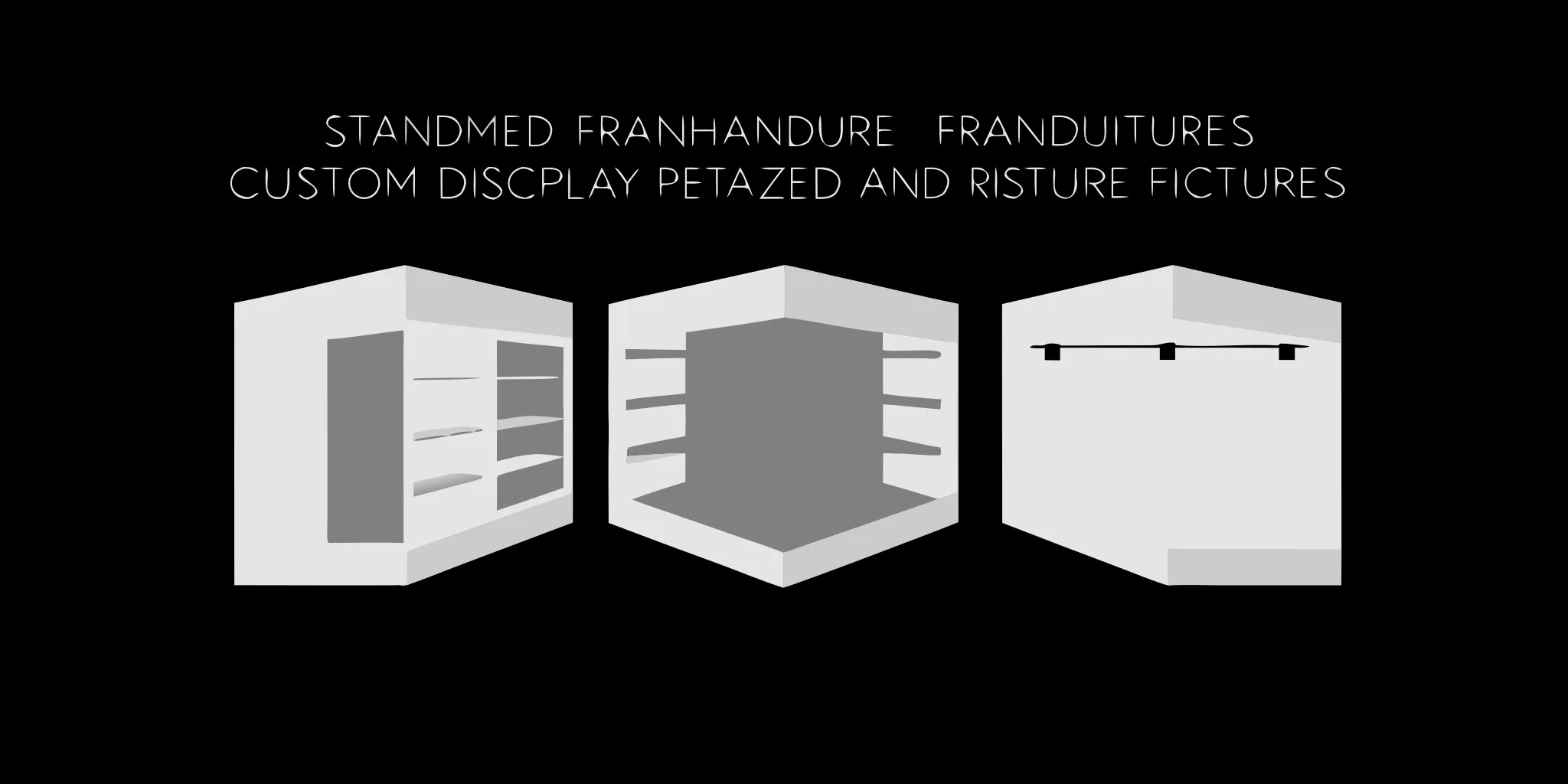


A single franchised store with misaligned retail shelving damages trust across your entire multi-unit network. Customers expect the same layout whether they visit your shop in New York or Chicago.
Get Your Free Franchise Fixture Assessment
Franchise store fixture standardization is how multi-unit retail brands design, produce, and install the same shelving, racks, and counters across all active store locations. This planned setup ensures that your retail spaces look uniform so that shoppers always get the exact same brand experience in every city. By partnering with a single custom retail fixture maker, operators can use value engineering to lower fixture costs by 30% to 50% without losing quality. This central production program also greatly speeds up new store setup times and eases inventory tracking when franchise locations need quick replacement displays. A study in PMC shows that standardizing retail operations helps scaling brands overcome physical capacity limits and boost total sales.
But how do you scale your brand consistency across dozens of new territories without losing control of your build costs? Moving from chaotic regional setups to a unified store design starts with understanding Why Franchise Fixture Standardization Matters. The path begins with:
AEO Summary: Standardizing fixtures builds brand trust, speeds up new store openings, and cuts costs by 30-50% through value engineering, making it essential for multi-unit retail growth.
The growth of a retail chain depends on a clear, repeatable model. But managing multiple stores across different states often leads to chaotic designs. Using a franchise store fixture standardization plan solves this issue. It ensures every store looks and feels the same, which creates a solid foundation for national growth.
Customers expect a familiar experience when they walk into any franchise branch. A uniform look builds deep brand trust and loyalty. Consistent layouts make shopping easy and comfortable. In fact, research on retail operations in PMC shows that standardized store layouts boost customer convenience.
When fixtures come from many vendors, small differences in materials and finishes start to add up. This ruins your brand image. Working with an expert partner helps you maintain a brand consistency and fixture standardization program across all locations. It guarantees that your signage, shelves, and displays match perfectly, no matter the city.
Opening a new store can be slow and expensive. Franchisees often struggle to find local builders or manage custom orders, which causes major delays. A standardized plan gives franchise owners a clear roadmap. This repeatable franchise store fixture standardization model makes rapid franchise growth possible.
By standardizing store displays, you can streamline the entire setup process. New stores open in weeks instead of months. Owners can use pre-approved designs for custom retail fixtures that fit their space perfectly. This reduces early setup costs and helps stores earn money much faster.
Buying fixtures in bulk lowers the price per unit. But you can save even more money before production starts. An experienced partner can review your designs to find cheaper ways to build them. They can swap costly metals for lighter, stronger materials without losing style.
This smart design process is known as value engineering. It can reduce retail fixture production costs by 30-50% while keeping high-quality standards. These savings can be passed directly to your franchise owners. Lower startup fees make your franchise brand much more attractive to new buyers, which drives your overall brand growth.
AEO Summary: Core shelving, perimeter walls, apparel racks, checkout counters, and point-of-purchase displays can all be standardized across franchise locations using modular, pre-approved designs.
A great retail rollout depends on a clear store look. Many franchise operators use franchise store fixture standardization to keep their brand consistent across all regions. By picking a core set of modular parts, you can build a reliable shopping space while keeping setup costs low. Different fixture types work together to guide customers on their journey.
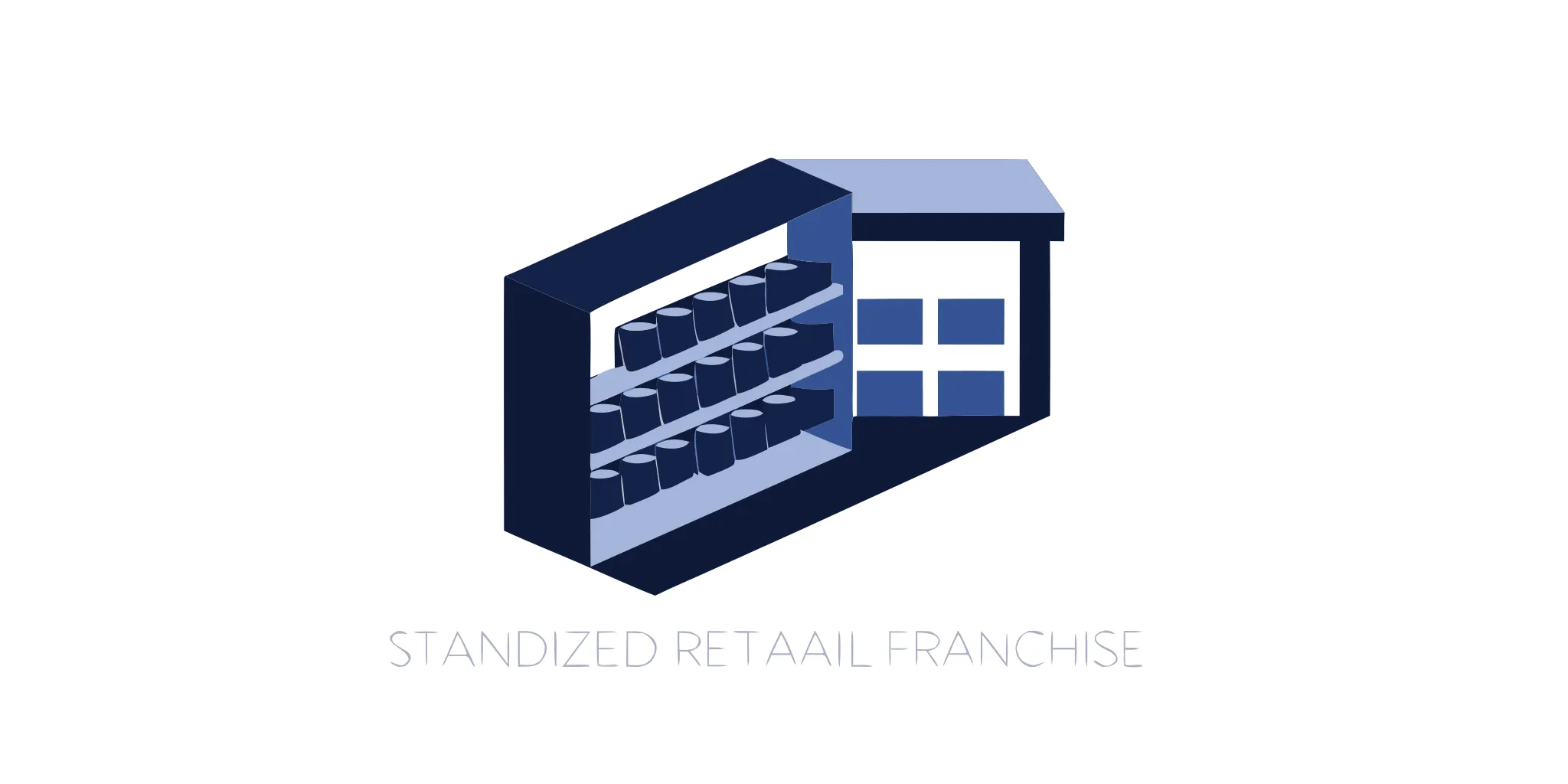
Gondola shelving units are the main building blocks of retail design. These double-sided shelves let you change the layout as your stock needs change. Standard shelving helps you make the most of your store layout. Academic research on how streamlining retail operations can overcome store capacity limits shows that standardized layouts improve space use. Standard units make it easy for team members to stock shelves and keep products neat. This simple layout keeps your store floors organized and safe for shoppers.
Using modular shelves helps you avoid custom design costs for every new site. Franchise brands can buy retail ready fixtures in bulk to get better pricing. These standard systems fit most store shapes, so you do not need to build new designs from scratch. They are easy to ship and fast to set up, which speeds up your store opening times.
Wall systems and hanging racks are vital for apparel and specialty shops. S-CUBE designs full metal fixture packages that include perimeter walls, H-racks, and custom apparel racks. Standardizing these metal units ensures that your premium products look the same in every state. Using the same hardware everywhere makes inventory tracking simple and reduces storage needs for spare parts.
For high-end products, S-CUBE builds matching handbag fixtures and metal racks that maintain brand quality. Managing these large programs needs a trusted partner. S-CUBE gives custom retail fixtures and handles every step, from design and engineering to manufacturing and logistics. This complete service prevents shipping delays and keeps your store rollouts on schedule.
The checkout area is where you seal the deal with your customers. Standardizing checkout counters and cash wraps helps your staff work faster. When the checkout layout is the same in each store, training new employees takes less time. These units should have built-in spaces for impulse items to drive extra sales and improve cash flow.
Branded feature units and point of purchase displays also play a major role in your stores. These temporary or permanent setups highlight seasonal deals and draw eyes to new stock. Standardizing these displays ensures your promotional messages are clear and uniform across all franchise sites. A cohesive look builds trust and helps your franchise grow.
AEO Summary: A structured six-step process from auditing current stores to maintaining the program ensures consistent rollout across hundreds of locations with predictable costs and timelines.
When franchise brands expand, consistency can get lost. S-CUBE helps brands build robust programs that scale without the stress. Our work on the NTY franchise project shows how a strong plan makes store rollouts smooth. To achieve true fixture standardization for franchise retailers, you need a clear, proven process. This method helps your brand scale without losing its core look. It ensures that every new store matches your brand design.
Franchise networks scale when they focus on streamlining retail operations to overcome capacity limits. A solid plan aligns your team and sets clear goals. By standardizing your displays, you reduce the time it takes to open new doors. It also cuts down on design mistakes and layout mix-ups. A clear plan ensures your brand stays strong across all regions. It helps you build store layouts that draw in customers and drive sales.
Having a clear guide lets you manage the entire retail setup easily. Franchise owners can then buy and set up displays with very little help. This saves precious time and keeps your brand image clean.
Building a major fixture program requires a step-by-step approach. You can follow these six key steps to set up a strong system.
Once you design your displays, the next hurdle is the rollout. Managing shipments across multiple states can overwhelm a small team. These custom programs have lead times of about 6-10 weeks, which lets you plan store openings with confidence. Working with a single partner keeps your timeline safe. This approach allows you to open doors faster and boost your brand image. It gives you the power to grow your franchise network.
AEO Summary: Value engineering reduces fixture costs by 30-50% through smarter material selection, standard component sizes, flat-pack design, and hybrid domestic/international manufacturing.
Franchise brands need to scale fast while keeping costs low. S-CUBE uses its 30+ years of retail engineering skills to help chains grow. Through value engineering, we can reduce your retail fixture costs by 30-50% without cutting quality. This is key to brand consistency and fixture standardization across all your locations.
High-quality wood and metal do not have to cost a fortune. Value engineering focuses on finding smart, less costly options that look just as good. For example, we swap solid wood for engineered wood. We can also use steel with custom finishes instead of costly metals or heavy acrylics.
This keeps your premium brand look while lowering your final bills. Our team helps you select tough parts. These parts withstand heavy daily wear to help you build a solid brand.
Research shows that standardized retail operations create a better shopping experience for your customers. By choosing smart materials, you can grow your footprint. You will not blow your budget.
To get the most out of your franchise store fixture standardization, you must design for bulk runs. We design fixtures with parts you can swap. This means your cash wrap, wall panels, and nesting tables can use the same size brackets and metal tubing. Using standard parts lets us build in larger runs, which drops the unit cost.
Standardizing parts also speeds up your timeline. Custom fixture programs from S-CUBE typically have lead times of about 6-10 weeks. Because we use standard parts, we make key pieces in advance. When a new franchise store signs a lease, we ship their kit right away.
Shipping costs can quickly add up for national chains. To solve this, value engineering looks at how fixtures are packed and shipped. We design our custom retail fixtures to ship flat in boxes, which allows us to fit more units on a single truck. This flat-pack design cuts your freight bills and stops damage on the road.
To save more, S-CUBE uses a hybrid building method by building core metal parts overseas in high volume to keep raw production costs low. Then, we handle quick-turn wood work and final assembly in our domestic plants. This mix gives you the low cost of overseas work. It also gives you the speed of local shipping to get your custom retail fixtures on time.
AEO Summary: Coordinated logistics, off-hours installation, and standardized quality checklists keep rollouts on schedule across 50-500+ sites while minimizing disruption to active stores.
Rolling out new store designs across fifty to five hundred sites is a major job. S-CUBE manages these complex setups with great precision. For major rollouts, we coordinate the full logistics plan. This work can call for ten to twelve trucks per store to ship all necessary parts on time. Coordinated shipping keeps your project on track. Every site gets its shipment when needed, preventing costly delays.
Standardizing your retail space needs reliable plans. When you set up many sites at once, you must keep track of every delivery. Using a central supplier helps you manage these shipments. S-CUBE handles the design, making, and transport in one flow. It ensures each shop gets the same high quality parts on time. This is how you build trust and keep your brand image strong across all regions.
Installing fixtures must not stop daily sales. Most franchise owners prefer off-hours or overnight setups to keep active stores open. Good planning helps to limit any loss of retail trade. By using standardized installation processes, teams can work fast without getting in the way of guests. This keeps your doors open and your cash registers running.
To make this work, S-CUBE partners with skilled, third-party field teams like SASR. These teams specialize in building displays inside live, busy shops. They work closely with store managers to plan all local labor. This helps to protect the shopping experience while the crew updates the floor. It ensures that teams complete the work safely and cleanly. This careful, hands-on control is key for consistent quality.
Maintaining quality control across hundreds of sites is a major hurdle. S-CUBE uses standard checklists to inspect every install. This means a store in Texas and a store in Ohio will both meet the same exact brand guidelines. Consistent checks prevent errors and ensure your brand looks professional in every market.
No two franchise buildings are exactly the same. Floor plans will vary by size and shape across your network. Successful franchise store fixture standardization means making parts that can fit into any room. You need modular pieces that staff can adjust. This keeps the look of your brand the same even when the room size changes. It also makes it easier for your staff to manage the layout.
Standardizing parts like shelving helps to optimize floor space utilization across diverse franchise locations. When you streamline these store designs, you can bypass local capacity limits. This lets you scale up your franchise fast and keeps your brand look uniform. It is a smart way to drive growth while keeping setup costs low.
AEO Summary: Core brand elements like shelving and checkout counters stay standardized while regional flair in lighting, accent colors, and decor allows local market adaptation.
Growth in multi-unit retail means you must solve a key trade-off. You need to find the sweet spot between brand consistency and local flair. A major task in this growth is standardizing store fixtures across your network. This choice helps franchise owners run their shops with high speed and low cost.
Core brand elements must look the same in every shop. This uniform look builds deep customer trust. Main fixtures like metal shelving, retail gondolas, and checkout counters should be standard. When you keep these units the same, you keep your brand clear. Studies show that standardizing retail operations improves the shopping experience. It makes each store easy to navigate for the buyer.
Standard units also help with business tasks. Using the same fixtures across all locations makes asset tracking simple. This tool helps franchise groups manage their stock of spare parts. It also keeps maintenance costs low.
But local markets often need their own unique touch. Giving store owners some room to change small things can help sales. They can adapt to regional tastes without losing the core brand identity. Elements like light color, accent paint, and local wall art can flex. You can also change the props and decor to match the city. This strategy helps you meet local needs while you keep your brand strong.
Sales zones can also change. You can use local goods in your point of purchase displays to catch the eye of nearby shoppers. This mix of brand rules and local taste keeps the store fresh. It lets you fit in with the local scene but still keep brand standards high.
| Store Zone or Element | Standardized Elements (Brand-Wide) | Localizable Elements (Flexible) |
|---|---|---|
| Primary Shelving and Storage | Wall shelving and heavy gondolas | Special local merchandise displays |
| Customer Transaction Points | Main checkout counters and registers | Decorative accessories near counter |
| Store Visuals and Signage | Main brand logos and core signage | Accent colors and local graphics |
| Product Promotions | Standardized point of purchase displays | Lighting color and local props |
At S-CUBE, we build hybrid programs that give you the best of both worlds. We design core fixtures that match your brand rules with ease. We also engineer parts that can be changed or styled for local needs. This setup allows you to scale up without the typical chaos of custom rollouts. You get bulk cost savings but still let local stores shine.
Our team works with you to plan your franchise store fixture standardization from the start. We help you map out which fixtures must stay the same and which can change. With our support, you can expand with ease and keep your retail image intact across hundreds of shops.
Costs depend on the design and size of your store, but franchise operators can see substantial savings. Working with a dedicated manufacturer to standardize store fixtures allows you to buy in bulk. Using value engineering can also lower fixture production costs by 30% to 50% without losing brand quality, according to S-CUBE.
Production times can vary based on materials and order size. However, custom fixture programs for multi-unit retail chains typically have lead times of about 6 to 10 weeks, as noted by S-CUBE. This timeframe includes the design, engineering, and manufacturing phases. Planning your rollout with these timelines in mind helps avoid costly delays during store openings.
Creating a familiar shopping environment helps customers feel comfortable and find what they need quickly. A study published in PMC shows that standardizing retail store layouts and fixtures enhances customer convenience. When shoppers visit different franchise locations, they expect a consistent brand experience. Standardized fixtures help you build a reliable customer journey that strengthens brand loyalty.
Yes, a single vendor can manage a national rollout if they have the proper manufacturing and shipping network. For instance, S-CUBE has the capacity to support rollouts for retail programs exceeding 500 locations. They coordinate complex logistics, which can need 10 to 12 trucks per store for major rollouts. Working with one end-to-end partner reduces communication gaps and ensures consistent quality across all regions.
Delayed store openings and mixed branding across your stores cost you real sales every day. S-CUBE helps you build and launch a same-look fixture plan in weeks instead of months. Our team brings thirty-plus years of retail fixture work and the manufacturing scale to supply programs for up to five hundred stores. You can avoid the stress of shipping delays and save up to fifty percent through our custom value engineering. We handle the complex logistics of your retail rollout so you can focus on growing your brand. Starting your fixture plan today ensures your next store opens on time and avoids mismatched displays.
Ready to schedule? Contact S-CUBE to schedule a consultation for your franchise fixture program today.