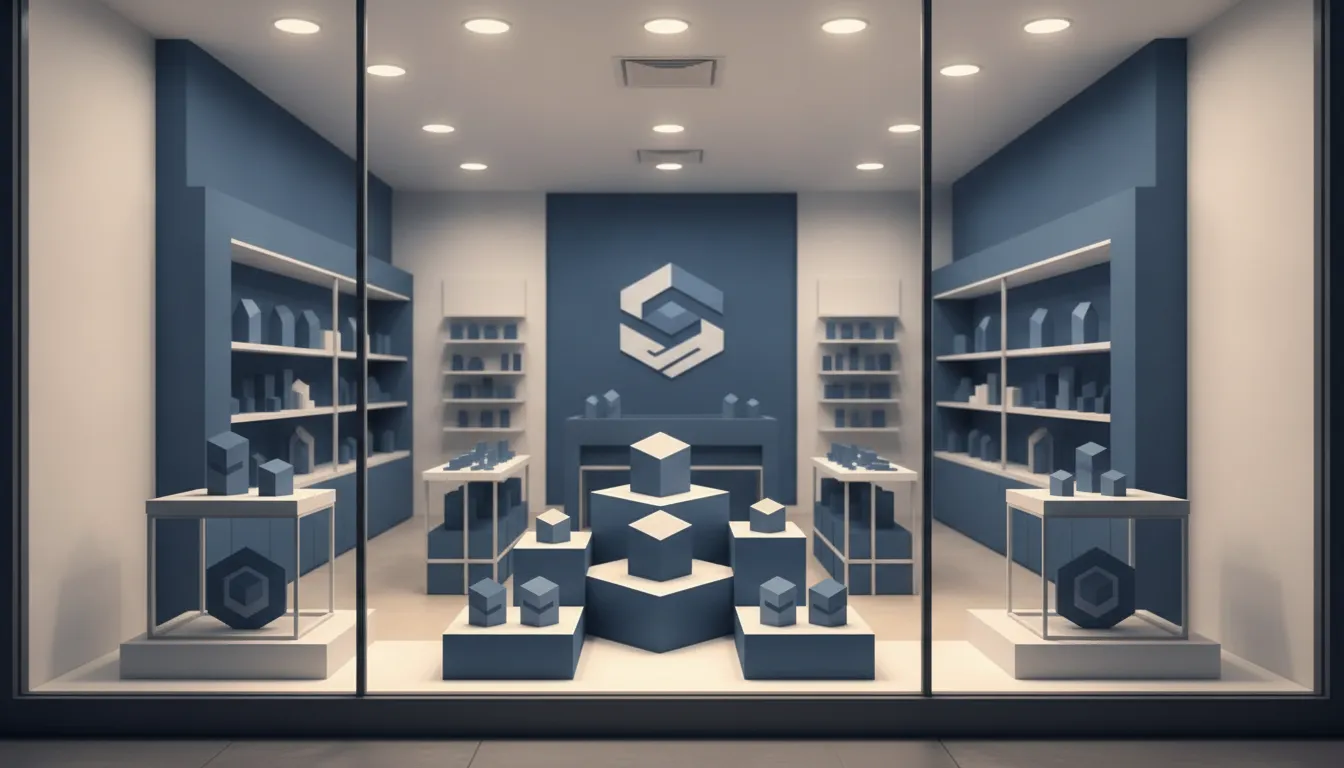


The storefront is the most noticed part of any retail building. Walkers and drivers judge your entire brand based on this single entry zone. If your entrance feels cluttered or dark, buyers will walk past without a second glance.
Explore custom storefront fixtures for your retail design to see how tailored displays can bring your entry and window merchandising to life.
Storefront fixtures are the display structures, custom window racks, and entry shelving units that retail brands use to attract shoppers and keep products neat. Placed at the main entrance, these simple visual tools set your shop's style, show off key items, and turn foot traffic into paying buyers. A city planning guide from Gresham, Oregon, shows that the storefront is the most vital part of a retail building. Because this area is what drivers and walkers notice first, choosing the right displays is key to your success. Selecting clean display cases, wire grids, and slatwalls can build an open entry that shows your brand style and drives more daily store sales.
How do you design a front-of-store setup that turns walkers into paying customers? To make the right choices for your shop, you must first look at how these displays pull people in. Our guide explores the core rules of entry displays, and the path begins with Why Storefront Fixtures Shape the Retail Experience.
The storefront is the most noticed part of a retail building. It is the portion that people walking and driving by notice most, as noted in a study on storefront design solutions. People decide in seconds whether to enter, so your windows and entryway must tell them who you are. This link between good displays and in-store decisions is why many brands study storefront fixtures and shopper behavior closely.
Successful stores use their physical space to create immersive brand experiences that online shopping cannot match. Shoppers can touch items and feel the brand, which builds trust at the door. National chains and franchises need every location to look the same. S-CUBE Fixtures, with over 30 years of retail experience, helps brands build these systems at scale.

In short, storefront fixtures are the first touchpoint for your brand. They shape how people see your shop before they enter. With clean displays, you create an inviting space that drives sales and keeps your fleet looking the same.
Storefront fixtures are the display structures used to hold, show, and organize products in the main window or entry zone of a shop. They are the first things people see from the street, and they make items easy to find and attractive at a glance. Experts note that the storefront segment of a building is the part that drivers and walkers notice most, which makes these units a strong sales tool.
Inside shelves sit in safe, dry air. Storefront units face direct sun, rain, and constant heat shifts. Sunlight fades paint and plastic, while damp air rusts metal and rots wood. To handle this, builders use tough materials. Modern systems often use aluminum-clad wood frames, keeping a classic look with modern strength.
Sidewalk displays also face rough daily use. Bags, carts, and cleaning tools bump their bases, so they need extra strength at floor level. In classic design, a solid window base structure protects lower glass from water and dirt. Freestanding units get heavy bases to stay stable in wind. These units must also grab attention from the street in seconds, unlike point of purchase merchandising displays placed further inside.
In short, storefront fixtures must be much tougher than interior shelves. They resist wind, sun, rain, and heavy foot traffic by using strong metals, clad wood, and heavy bases.
The spot where your shop meets the street is your main entrance zone. Careful setup of storefront fixtures and shopper behavior rules can turn passersby into guests. Good retail design starts right at the front glass.
Your window setup acts as an open invite. A study by Cornell scholars shows that clean, clear windows make a store look better and draw more eyes. When you cut clutter, people feel pleased and look longer. Follow a few simple rules:
The door is the front entrance of your business. Many top shops use recessed entries to create a calm spot where guests adjust to the store's mood. You can also use bold paint and operable windows to build a warm, inviting front that bridges the street and the sales floor.
Clear signs and bright lights make your storefront easy to read. As shown in the Gresham storefront guide, proper lighting helps walkers and drivers find your shop fast. Lights also highlight displays on dark days and keep your windows selling after hours.
In short: design clean, clear windows to cut clutter, use recessed entries and open fronts to feel warm. And combine signage with smart lighting so people can find you fast.
Choosing the right storefront fixtures is key to pulling customers inside. Retail spaces must be easy to change as seasons and trends shift, following storefront design guidelines. The main types each serve a different role.
Slatwall panels are popular because they offer many finishes and accessories. They mount to walls or stand on the floor and let you swap hooks and shelves as stock changes. Wire grid systems are lightweight and easy to reconfigure, making them ideal for temporary or seasonal displays near your entry.
Gondola units sit in the middle of your entry zone. These central floor fixtures hold products on multiple sides, so they maximize exposure and guide shoppers deeper into the store. For more on floor displays, see our freestanding displays guide. Glass display cases protect high-value items while keeping them in full view. A Cornell study shows that transparent, simple displays look more attractive and let natural light pass deep into the store.
| Fixture Type | Best For | Key Advantage |
|---|---|---|
| Slatwall Panels | Clothing and packaged goods | Wide range of finishes and accessories |
| Wire Grid Systems | Quick changes and hanging items | Lightweight and easy to reconfigure |
| Gondola Units | Heavy items and central floor space | Max exposure on all sides |
| Display Cases | High-value merchandise | Protects while keeping visibility |
In short: balance product density and visual clarity. Wire grids are easy to change, slatwalls look great, and gondolas hold the most stock.
Choosing entry displays needs a balance of beauty and function. Your choices must match both your brand and the building. The City of Gresham design rules advise looking at the whole building first, then planning how paint, awnings, signage, and lighting work together before you pick your storefront fixtures.
Follow this step-by-step process to find the best options:
Before you buy any hardware, verify how the parts fit your layout. A detailed visual merchandising guide helps you align window displays with your floor plan and keep your brand message clear from the sidewalk to the register.
In short: choosing the right entry displays means looking at the whole building, planning for future changes. Testing colors early, and linking lights with signs to build an inviting path for guests.
The price and timeline for storefront fixtures depend on scale, materials, and custom design. Because of these factors, custom makers do not give fixed prices. Instead, they work with you to plan a budget and make costs clear. Working with a maker also helps speed up your rollout when you open new stores.
Your total cost changes with the number of stores and the materials you choose. Wood, glass, and metal do not cost the same. Modern systems may use strong materials like aluminum-clad wood frames to meet tough standards. If you need standard parts quickly, you can buy retail ready fixtures to save money, while fully custom designs cost more but match your brand exactly.
A rollout can take a few weeks or many months, depending on order size and design complexity. S-CUBE supports plans of all sizes, from pilot programs to rollouts with over 500 stores, and can manage more than 120 SKUs in a single program. Controlling the supply chain helps ship on time.
Value engineering is the best way to lower costs and keep quality high. S-CUBE can change how a part is made or swap materials, which can yield 30% to 50% savings while keeping the look you want. This process also gives clear pricing so you avoid surprise charges on storefront fixtures.
In short: storefront fixtures have no single fixed price because costs depend on scale, materials, and custom design. A custom partner with value engineering can cut costs by 30% to 50% and speed up rollouts.
Choosing the right partner for your storefront fixtures is a key step to success. A custom manufacturer can help you plan your layout before you build, so you see exactly where displays and structural changes go. S-CUBE Fixtures acts as a true partner here, working as an extension of your retail team since 1987.
A great storefront must be easy to read and visually appealing. Clearly defined storefront bays improve the look of a retail building facade, and your fixtures must fit that structure. S-CUBE designs custom solutions in wood, metal, acrylic, and glass, including durable aluminum-clad wood frames for a classic look with modern strength.
Our custom storefront solutions offer:
National chains and regional retailers need a partner who can scale. S-CUBE manages projects with over 120 different SKUs in a single program and supports rollouts from a small pilot to over 500 locations. Our end-to-end services cover design, engineering, domestic and international manufacturing, logistics, and install support, keeping your brand consistent across every shop.
In short: a custom manufacturer like S-CUBE ensures brand consistency and big cost savings. With smooth rollouts across your retail fleet by managing design, engineering, logistics, and setup end to end.
Get custom storefront fixtures designed for your window and entry so your brand draws shoppers from the sidewalk to the register.
Storefront fixtures are the physical structures, shelving, and display units placed near a store entrance or window. Retailers use them to show merchandise to people walking by. According to a City of Gresham storefront guide, the storefront is the most noticed part of a commercial building. These fixtures keep your products organized, clean, and easy for shoppers to see from the street, helping to guide them inside the shop.
Retailers use several common types of display systems to set up their stores. Wall systems like slatwall and pegboard let you hang items at eye level. Freestanding options like metal gondolas and wire grids work well in the center of the sales floor. For storefronts and window zones, shops often use custom tables, pedestals, and mannequins to capture attention. Each option serves to keep goods organized, accessible, and attractive to shoppers.
Used fixtures may save money upfront, but they often lack the scale, durability, and brand consistency that national or regional chains need. It is hard to find matching sets of used shelving for multiple store sites. They may also have hidden wear that leads to quick breaks. For multi-location brands, custom new fixtures ensure your fleet looks uniform and stays strong for years.
The essential fixtures for most retail layouts include perimeter wall shelving, central floor units like gondolas, and checkout counters. Wall fixtures help make use of vertical space, while floor displays guide the flow of foot traffic. For storefronts and entries, transparent window displays are highly effective. A Cornell University study shows that clear window displays make stores more attractive and keep shoppers looking longer.
Your storefront is the first thing buyers see, and the right fixtures make a lasting impression. Whether you need a single flagship entry or a coordinated rollout across hundreds of locations, a custom approach keeps your brand consistent and your costs predictable.
Request tailored storefront fixture guidance for your retail program and see how custom display systems can help you turn window shoppers into loyal buyers.
S-CUBE Fixtures has helped retail brands design, engineer, and install storefront displays since 1987. With more than 30 years of experience and end-to-end support, we act as an extension of your team from first sketch to final install. Contact our specialists to discuss your storefront fixtures.