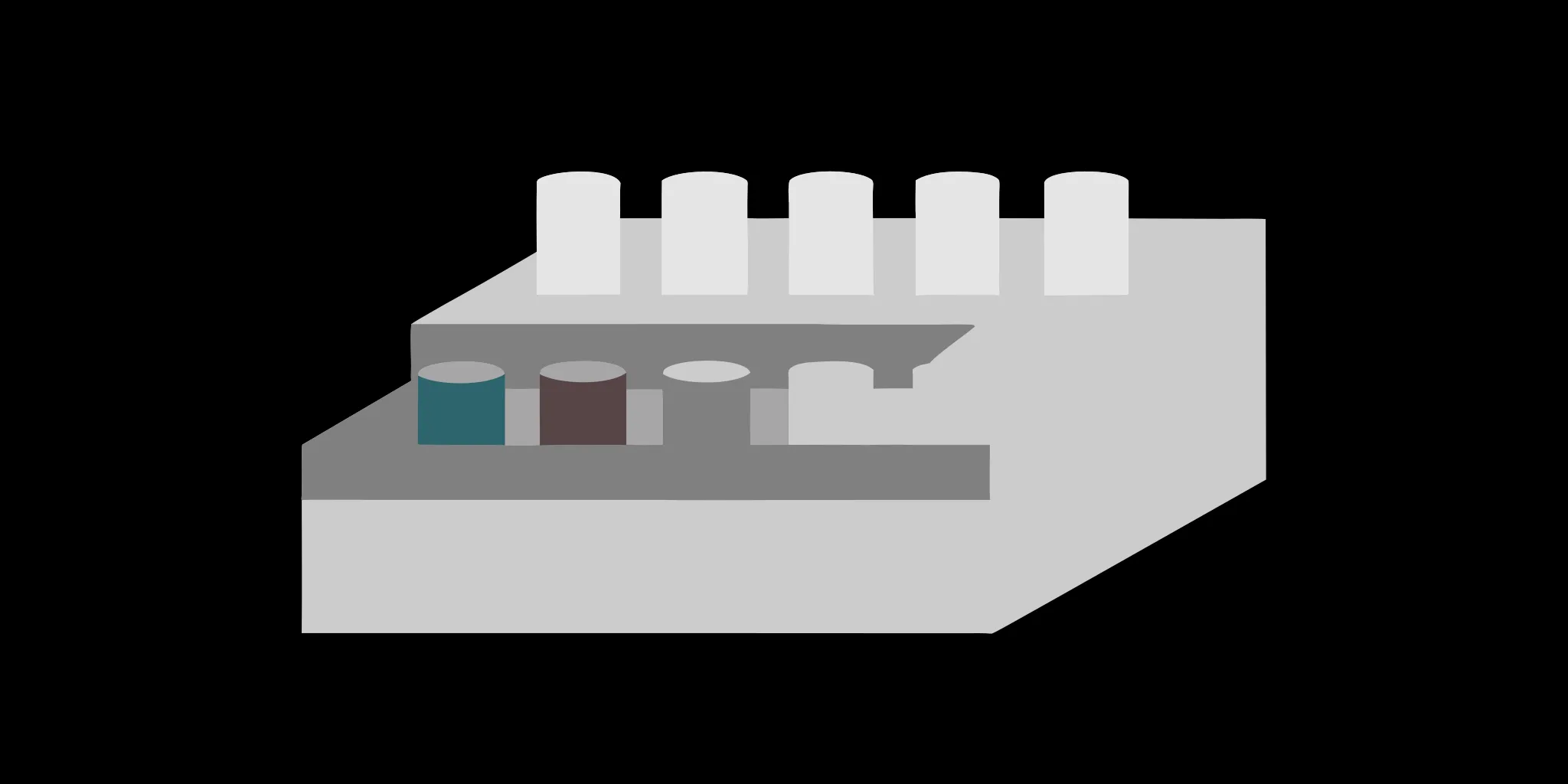


Your checkout counter is the most valuable real estate in your store. It’s the one place every single paying customer will visit, making it a critical final touchpoint in their journey. Leaving this space empty or cluttered is a huge missed opportunity to connect with shoppers and increase your average sale. This is where a strategically designed countertop display comes into play. It's more than just shelving; it's a powerful sales tool designed to capture attention and encourage last-minute impulse buys. We'll cover everything you need to know, from the psychology behind why they work to choosing the right materials and measuring your success.
Think of your checkout counter as the most valuable real estate in your store. Every customer who makes a purchase ends up here, making it the perfect spot to capture their final, undivided attention. Countertop displays are compact, strategically placed fixtures designed to do just that. They put specific products directly in the customer’s line of sight right at the point of purchase, encouraging those last-minute, unplanned buys that can significantly increase your average transaction value.
These displays are more than just simple shelving. They are powerful marketing tools that make it incredibly easy for shoppers to see, touch, and grab an item on a whim. Whether you’re introducing a new product, promoting a seasonal special, or clearing out high-margin inventory, a well-designed countertop display presents the offer in a way that feels organic and convenient. By placing compelling products where transactions happen, you create a final opportunity to connect with your customer and add value to their purchase. The right custom fixture program ensures these displays are not only effective but also perfectly aligned with your brand’s look and feel.
The effectiveness of countertop displays comes down to simple shopper psychology. When customers are at the checkout, they’ve already committed to making a purchase. Their wallets are out, and they are in a buying mindset. This makes them much more receptive to suggestion. A well-placed display acts as a final, compelling advertisement when shoppers are most likely to act. Research shows that a strong point-of-purchase display can increase impulse buys by as much as 20%. By presenting small, affordable, or novel items at the counter, you tap directly into that "treat yourself" mentality that drives spontaneous purchases.
Simply placing products on the counter isn’t enough to guarantee a sale. Sparking an impulse buy requires a thoughtful strategy that combines the right product with the right presentation. The key is to make the decision to buy feel effortless. This starts with selecting small, high-impulse items that don’t require much thought, like snacks, accessories, or travel-sized versions of popular products. From there, the design of your display plays a critical role. It needs to be eye-catching enough to cut through the visual noise of the checkout area, clearly communicate value, and make the products physically easy to grab.
Once you’ve decided to use countertop displays, the next step is choosing the right design. The material and structure of your display are just as important as the products you put inside. The right choice will complement your products, align with your brand’s aesthetic, and fit seamlessly into your store's environment. Think about the message you want to send. Are your products luxurious and high-end? Or are they fun, modern, and accessible?
Selecting the perfect display involves considering factors like product weight, visibility needs, and the kind of customer interaction you want to encourage. A well-chosen display doesn't just hold products; it enhances their appeal and tells a story. Let's look at five popular types of countertop displays and what makes each of them effective.
If you want your products to be the star of the show, acrylic is an excellent choice. Its crystal-clear transparency creates a clean, modern look that puts the focus squarely on what you're selling. This material is perfect for showcasing colorful items like cosmetics, accessories, or candy, as it allows shoppers to see every detail without any visual obstruction. Acrylic is also lightweight and incredibly versatile, making it easy to create custom shapes and sizes that fit your specific needs. A well-designed acrylic display feels sleek and unobtrusive, making it a fantastic option for creating an open, airy feel at the checkout counter while driving those final impulse buys.
When you start exploring acrylic displays, you’ll quickly run into different names like Plexiglass and Perspex. It’s easy to get them mixed up, but the difference is straightforward. "Acrylic" is the generic name for the type of plastic, which is technically called polymethyl methacrylate (PMMA). Plexiglass and Perspex are simply brand names for this same material. Think of it like asking for a Kleenex instead of a tissue—Plexiglass has become so well-known that its name is often used to describe any clear acrylic sheet. While all Plexiglass is acrylic, not all acrylic is Plexiglass. Understanding this distinction is the first step in choosing the right material for your display’s specific needs and budget.
So why does the brand name matter? It often comes down to quality and manufacturing. Brand-name Plexiglass is known for its exceptional optical clarity and impact resistance, making it a fantastic choice for retail environments where durability and a premium look are essential. This is because it's typically made using a cell-casting process, which results in a stronger sheet with fewer internal stresses and impurities compared to more common extruded acrylic. This process gives it superior transparency, ensuring your products are shown in the best possible light. Knowing these details helps you make an informed decision, ensuring your display not only looks great but also stands up to the demands of a busy checkout counter.
For brands that want to convey a sense of quality and authenticity, wood is the perfect material. Wooden displays bring a natural warmth and a premium feel to any retail space, making them ideal for high-end goods, artisanal products, or organic items. The texture and finish of wood can elevate the perceived value of your products, suggesting craftsmanship and luxury. Whether you opt for a light, rustic pine or a dark, polished walnut, a wooden display can be tailored to match your store’s decor perfectly. This choice helps create a cohesive and sophisticated shopping experience, encouraging customers to treat themselves to something special right before they check out.
When you're looking at wood, sustainable options like birch plywood are a fantastic choice. It's not just an eco-friendly material; it also offers a clean, modern aesthetic that can beautifully complement a wide range of products. The light color and smooth grain of birch plywood provide a neutral yet warm backdrop, allowing your items to stand out without being distracting. This ties back to how the right material can improve the perceived value of your products by suggesting quality and craftsmanship. Choosing a sustainable material like birch plywood is more than a design decision—it’s a way to align your brand with the growing consumer demand for environmentally conscious practices. It’s a simple move that strengthens your brand image while appealing directly to shoppers who care about where their money goes.
When you need a display that is both strong and stylish, metal is the answer. Metal fixtures offer unmatched durability, making them the ideal solution for supporting heavier products like bottled drinks, books, or small electronics. Their sturdiness ensures your display will last, giving customers confidence in the quality of the products it holds. But metal isn't just about function; it's also incredibly versatile in its design. It can be crafted to look industrial and edgy or polished and sleek, fitting a wide range of brand aesthetics. For a reliable and long-lasting solution, explore S-CUBE's custom manufacturing capabilities to create the perfect metal display.
If sustainability is a core part of your brand identity, paper-based displays are a fantastic choice. These fixtures are lightweight, often made from recycled materials, and can be fully recycled after use, making them an environmentally responsible option. They are also incredibly cost-effective, which is perfect for seasonal promotions, new product launches, or any short-term campaign where you need an eye-catching display without a huge investment. The material of your display is a key part of its message, and choosing a paper-based option clearly communicates your brand's commitment to the planet. This resonates strongly with a growing number of shoppers who prefer to support businesses that share their values.
The biggest advantage of paper-based displays is their limitless potential for customization. You can print them with vibrant, full-color graphics, bold messaging, and intricate designs that perfectly capture your brand’s personality. This turns a simple product holder into a powerful storytelling tool right at your checkout counter. A well-chosen display doesn't just hold products; it enhances their appeal and helps you tap into shopper psychology. By creating a visually engaging experience, you can capture attention and encourage those final impulse purchases. A strong point-of-purchase display can increase unplanned buys significantly, making it essential to leverage every opportunity to connect with your customers.
Counter space is prime real estate, and rotating displays help you make the most of it. These clever fixtures, often called spinners, allow you to showcase a wide variety of products in a compact footprint. By offering a 360-degree view, they invite customers to interact, spin the display, and discover all the options available. This hands-on experience is highly engaging and can significantly increase the chances of an impulse purchase. Rotating displays are perfect for items with multiple designs or variations, such as greeting cards, jewelry, keychains, or phone accessories. They turn passive browsing into an active, fun discovery process right at the point of sale.
Tiered displays are another brilliant space-saving solution that uses vertical height to your advantage. By arranging products on multiple levels, you can create a visually appealing presentation that draws the customer's eye upward. This approach allows you to feature a larger number of items without cluttering the counter. Tiered displays establish a clear visual hierarchy, making it easy for shoppers to scan different products at a glance. They work exceptionally well for small, uniform items like nail polish, cupcakes, or packaged snacks. With a custom design and prototyping service, you can create a tiered display that perfectly fits your products and enhances your checkout area.
Beyond the base material, the right features can transform a simple display into a high-performing sales tool. Think about the specific job you need your display to do. Is it meant to grab attention from across the room, secure valuable items, or simply keep small products organized? Adding functional elements like lighting, locks, or hooks can solve common retail challenges and make the shopping experience smoother for your customers. These details are where a custom fixture really shines, allowing you to build a solution that perfectly matches your products and your operational needs. Let's explore a few features that can make a big difference.
In a visually busy retail environment, lighting is one of the most effective ways to make your products stand out. An illuminated countertop display acts like a miniature spotlight, drawing the customer's eye directly to what you want them to see. This is especially powerful for highlighting new arrivals, premium items, or products with intricate details that might otherwise be missed. Integrated LED lighting can enhance the colors and textures of your merchandise, making it look more appealing and valuable. By working with a partner on a custom fixture program, you can ensure lighting is seamlessly built into the design for a polished, professional look that captures attention and encourages a closer look.
Showcasing high-value items at the counter can be a great sales strategy, but it also comes with the risk of theft. This is where secure design features become essential. Many countertop displays can be built with locks, allowing you to keep valuable products like electronics, jewelry, or luxury cosmetics protected while still keeping them in full view of the customer. This gives you peace of mind and allows shoppers to browse without needing immediate assistance. A secure display doesn't just protect your inventory; it also maintains a neat, organized appearance, signaling to customers that the products inside are valuable and well-cared-for.
Your counter space is limited, so your displays need to be flexible. Versatility in design allows you to adapt to different store layouts and seasonal changes. Some countertop displays are designed to be freestanding, while others can be mounted on walls or slatwall panels behind the counter. This adaptability lets you maximize every square inch of your checkout area. For example, a wall-mounted display can free up counter space for the transaction itself, while a freestanding unit can be easily moved or repositioned as needed. Thoughtful design and prototyping can help you create fixtures that fit your current layout and can evolve with your store over time.
For small, packaged items, peg hooks and clip strips are simple but brilliant additions. These features allow you to hang products vertically, making them easy for customers to see and grab. This is an ideal solution for things like candy, snack bags, keychains, or phone accessories that might otherwise get lost in a bin or look cluttered on a shelf. Using hooks or clips creates a clean, organized presentation that puts each item at eye level, encouraging those final impulse buys. It’s a highly effective way to showcase a variety of smaller products in a compact space, turning your counter into an efficient and profitable merchandising zone.
Once you’ve chosen the perfect countertop display, the next big question is what to put inside it. The products you feature are just as critical as the fixture itself. The goal is to stock your display with items that are easy for a customer to grab and add to their purchase while they wait in line. Think of this as your store’s prime real estate for last-minute sales. The right product mix can turn a waiting customer into a buyer who adds one or two extra items to their cart.
Selecting items strategically means focusing on what shoppers are most likely to buy on a whim. This isn't the place for high-consideration products that require a lot of thought or comparison. Instead, you want to curate a selection that feels like a small, simple treat or a convenient solution to an immediate need. By focusing on impulse, value, and timeliness, you can create a powerful point-of-purchase display that consistently adds to your bottom line. Let’s look at the three types of products that perform best at the checkout counter.
Countertop displays are ideal for featuring small, high-impulse items that customers can easily add to their purchases without much thought. Think about the small conveniences or treats that are hard to resist. These items often include snacks, beverages, or small accessories that catch the eye and encourage spontaneous buying. Products like lip balms, travel-sized lotions, phone chargers, or even fun keychains are perfect candidates. Because they are typically low-cost, the barrier to purchase is minimal. A customer waiting to pay is already in a buying mindset, and a well-placed, tempting item can be an effortless addition to their basket. The key is to make the decision to buy as simple as possible.
The beauty of countertop displays lies in their incredible versatility. They aren't just for candy and gum; they can be designed to feature a wide range of products, turning your checkout into a curated mini-boutique. By showcasing different types of items, you can appeal to a broader set of customer impulses and needs. This is your chance to highlight high-margin goods, introduce new arrivals, or feature products that complement a customer's primary purchase. The key is to think beyond the obvious and consider what unique items in your inventory could benefit from that prime, last-minute visibility. A well-executed display program can adapt to feature anything from delicate accessories to delicious treats, making it a dynamic sales tool.
Smaller, high-value items like jewelry, sunglasses, and portable electronics are perfect for countertop displays. These products often benefit from being seen up close, where customers can appreciate the details. A custom-designed acrylic or metal display can make these items feel secure yet accessible, encouraging shoppers to take a closer look while they wait. For example, a sleek, multi-level stand can present a collection of sunglasses in an organized and appealing way, while a locked acrylic case can showcase delicate necklaces and earrings safely. By presenting these items as a final, tempting offer, you can capture sales from shoppers looking for a special treat or a convenient accessory. Seeing our work can give you ideas for how to best present these kinds of products.
Countertop displays are also fantastic for more traditional impulse buys like greeting cards and baked goods. A tiered wooden spinner rack is a classic, effective way to organize greeting cards, inviting customers to browse for the perfect message. For food items, presentation is everything. A clear acrylic display case not only protects fresh pastries and cookies but also makes them look irresistible under the store lights. The material you choose plays a huge role here; wood can lend a warm, artisanal feel to baked goods, while clean acrylic suggests freshness and quality. The right design and prototyping process ensures your display is perfectly suited to the products you’re selling, making them more enticing to customers.
While low-cost impulse items are a great start, your countertop display is also a prime spot for products with a higher profit margin. Selecting high-margin products for your countertop displays can significantly improve profitability. By placing these items at eye level, you increase their visibility and the likelihood of purchase. Think about small luxuries or unique gift items that offer great value for you and the customer. This could include premium chocolate bars, small gift sets, or exclusive store-branded merchandise. A well-designed custom fixture can make these items feel special and justify a slightly higher price point, turning a simple add-on sale into a more profitable one.
Aligning your countertop displays with seasonal themes or promotional events can create a sense of urgency and excitement among customers. This strategy keeps your checkout area feeling fresh and gives shoppers a reason to check out the display every time they visit. During the holidays, you could feature stocking stuffers or themed candy. In the summer, you might offer travel-sized sunscreens or festive accessories. This approach also works well for highlighting items that are part of a store-wide sale. By rotating the products regularly, you train customers to always look at the display for new and interesting finds, driving consistent engagement and sales.
One of the most effective ways to convert a curious shopper into a buyer is to let them experience your product firsthand. Offering free samples or trials directly from your countertop display removes the risk of purchase and taps into the power of reciprocity. When a customer tries a sample of a hand lotion and loves the scent, or tastes a piece of chocolate and finds it delicious, the decision to buy the full-sized version becomes an easy impulse. This strategy works exceptionally well for beauty products, food items, and fragrances. The key is a well-designed fixture that presents both the samples and the for-sale products in a clean, organized, and appealing way, making it simple for a customer to try, love, and buy. A thoughtful custom fixture program can create the perfect setup to facilitate this interaction seamlessly.
A great product is only half the battle. How you present it at the checkout counter can make all the difference between a missed opportunity and a last-minute sale. Designing a display that sells isn't about luck; it's about a thoughtful strategy that combines placement, aesthetics, and clear communication. When you get these elements right, your countertop display becomes a silent salesperson, working for you at the most critical point of the customer journey. Let's walk through the key steps to create a display that not only looks good but also drives real results for your bottom line.
The old real estate mantra, "location, location, location," applies just as much to your countertop displays. The best spot is typically right next to the cash register, where every customer has to pause. This is your prime impulse-buy zone. Make sure the display is easy to see and reach without creating a barrier between your staff and the customer. A successful retail fixture program always considers the flow of the store. By planning the layout of your checkout area, you can maximize the display's impact and create a smooth, compelling shopping experience.
Your display needs to catch a customer's eye in a matter of seconds. This is where strong visual design comes into play. Use colors that align with your brand but also stand out from the counter's surroundings. Good lighting can draw attention and make products look more appealing. The overall design should be clean, organized, and on-brand. Remember, enhanced visibility can significantly improve sales performance. A custom fixture designed with your specific products and brand in mind is one of the most effective ways to create a look that truly stops shoppers in their tracks.
People are naturally drawn to things they can interact with. Encourage this by adding elements that invite touch and engagement. Think "try me" samples for lotions, a small screen playing a product video, or a QR code that leads to a special offer. Even a simple spinning component can be enough to pique curiosity. Aligning these interactive elements with seasonal events or holidays can make them even more effective. When customers can physically engage with a product, they form a stronger connection, making them much more likely to add it to their purchase.
Don't make your customers guess. An impulse buy is a quick decision, and any confusion can shut it down instantly. Make sure your pricing is large, clear, and easy to find. The messaging on the display should be just as simple. Use a few powerful words to explain the product's benefit or highlight a special deal, like "The Perfect Last-Minute Gift" or "Buy 2, Get 1 Free." By carefully designing effective displays with clear communication, you remove any friction from the buying process and make it easy for customers to say "yes."
While the checkout counter is their natural habitat, the power of a great countertop display isn’t limited to the retail sales floor. Their compact size and versatility make them incredibly useful in a wide range of settings. Think of them as portable, focused communication tools that can organize information, showcase items, and create a professional impression just about anywhere. From bustling trade shows to quiet office lobbies, these fixtures can be adapted to fit different needs and environments. By looking beyond the point of sale, you can find new and creative ways to use these displays to engage people and present items in a clean, organized way.
Outside of a traditional store, countertop displays serve as powerful tools for branding and information sharing. In professional settings, they can help organize materials, guide visitors, and present products in a polished way. Whether you're trying to capture attention at a crowded event or create a welcoming atmosphere in a reception area, a well-designed display adds a touch of professionalism that a simple stack of papers or a cluttered table can't match. The right fixture can transform a passive space into an active point of engagement, making a lasting impression on clients, guests, and potential customers.
At a busy trade show, you have only a few seconds to grab someone's attention. A custom countertop display can make your booth stand out by presenting brochures, samples, or promotional items in an organized and appealing way. In the hospitality world, hotels use them in lobbies to hold brochures for local attractions, while restaurants might feature a sleek display for menus or daily specials. In these environments, the display becomes a key part of the guest experience, providing helpful information in a way that feels both professional and welcoming. A thoughtful display design ensures your materials get noticed.
The utility of countertop displays extends to service and community-oriented spaces as well. A doctor's office can use a clean, acrylic display to offer health tips and pamphlets, creating a more organized and credible presentation. In an educational setting, a school might use a tiered wooden display to showcase student awards or important announcements in the main office. These fixtures act as effective communication tools, helping to convey important information clearly and professionally. They bring a sense of order and care to any environment, showing visitors that you value presentation and clear communication.
Countertop displays can also find a second life right in your own home. Their organizational power is perfect for decluttering and styling personal spaces. A small, tiered acrylic display can work wonders on a bathroom vanity for organizing makeup and skincare products, turning your daily routine into a more visually pleasing experience. In a home office, a rotating display can keep pens, sticky notes, and other supplies tidy and within reach. You can even use them to showcase personal collections, like figurines or polished stones, turning a simple hobby into a beautiful decorative feature that adds personality to your living space.
Selecting the right countertop display isn't just about picking something that looks good. It's a strategic choice that impacts everything from your store's traffic flow to your sales numbers. The perfect display fits your space, reflects your brand, supports your products, and makes financial sense. Think of it as a silent salesperson working for you at the most critical point of sale. When you get it right, the display becomes an integral part of the checkout experience, encouraging those final, profitable impulse buys.
To make the best choice, you need to weigh a few key factors. It’s about finding the sweet spot where design, function, and budget meet. A display that’s too large can create a cluttered, frustrating checkout experience, while one made from the wrong material can clash with your store’s vibe or, worse, fail to hold your products securely. By thinking through your specific needs before you commit, you can find a solution that not only looks great but also delivers a real return on investment. S-CUBE’s design and engineering services can help you create a custom fixture that checks every box. Let’s walk through the four main things to consider to ensure your display works as hard as you do.
Before you fall in love with a display, get out your measuring tape. Your counter is prime real estate, and every inch counts. A display that’s too big will overwhelm the space, making it difficult for your staff to work and for customers to complete their transactions. Measure the width, depth, and height of the area you have available. Think about sightlines, too. Can the cashier still see and interact with customers easily? By utilizing space effectively and planning the layout, you can create a compelling shopping experience. A well-proportioned display feels like a natural part of the environment rather than a clunky afterthought.
The material of your display sends a powerful message about your brand. Is your store rustic and earthy? A wooden display might be the perfect fit. Are you going for a sleek, modern aesthetic? Clear acrylic allows your products to shine without visual clutter. For an industrial or heavy-duty feel, metal is an excellent choice. The material should complement your existing fixtures and overall store design, creating a cohesive look. Think about what your brand stands for and choose a material that reinforces that identity. You can see great examples of different materials in our past projects.
This might seem obvious, but it’s a critical detail that’s easy to overlook. The last thing you want is a display collapsing under the weight of your merchandise. Lighter items like lip balms or candy can sit comfortably in an acrylic or even a well-made cardboard display. But if you’re selling heavier products like glass-jarred candles, bottled drinks, or hefty accessories, you need something more robust. Metal displays offer unparalleled strength and stability, making them a safe bet for your weightier items. Always confirm the display’s weight capacity to ensure it’s up to the task.
While it’s tempting to go for the cheapest option, it’s important to think about long-term value. A flimsy display that needs frequent replacing will cost you more over time than a durable one with a higher initial price tag. Consider the display an investment. Materials like acrylic are often more budget-friendly and work well for many applications, while custom wood or metal fixtures are built to last for years. A reliable partner can help you find a solution that meets your budget without sacrificing quality. Our project management team is skilled at delivering cost-effective programs that stand the test of time.
Countertop displays are one of the most cost-effective ways to create more selling space and drive additional revenue. While a custom fixture is an investment, it doesn’t have to break the bank. Prices can vary widely based on material, size, and complexity, but the key is to view the cost through the lens of potential return. A simple acrylic stand will naturally cost less than an intricate wooden display with multiple tiers. The most important factor is pairing the display with the right products. By choosing to stock high-margin items, you can quickly recoup the initial investment and turn that small counter space into a consistent source of profit.
Beyond the initial purchase price, you’ll need to factor in the logistics of getting the display to your stores. Shipping costs are influenced by the display's size, weight, and packaging. Heavier materials like metal will naturally cost more to ship than lightweight acrylic. You also need to think about assembly. Does the display ship flat-packed to save on costs, or does it arrive fully assembled? For a large-scale rollout across dozens or even hundreds of locations, easy assembly is crucial to save time and labor. Working with a partner who understands the complexities of logistics and distribution ensures your displays arrive on time and in perfect condition, making the entire process smooth and predictable.
You’ve put in the work to create a beautiful, strategic countertop display. But how do you know if it’s actually working? Guessing isn’t a strategy. To build a truly successful retail environment, you need to measure your display’s impact with real data. Tracking performance helps you understand what resonates with your customers, allowing you to refine your approach and make smarter merchandising decisions in the future. It’s the difference between hoping for a sale and engineering one.
Measuring success doesn’t have to be complicated. By focusing on a few key metrics, you can get a clear picture of your display’s return on investment. The most effective methods involve analyzing sales data, observing how shoppers interact with the display, testing different versions to see what performs best, and keeping an eye on how quickly your products are selling. Think of it as a continuous feedback loop that helps you perfect your point-of-purchase strategy. A great custom fixture program is one that delivers measurable results, and it all starts with knowing what to track.
The most straightforward way to measure your display’s effectiveness is to look at the numbers. Before you launch your new countertop display, establish a baseline. Pull a sales report from your point-of-sale (POS) system for the products you plan to feature, looking at the two to four weeks right before the change. Once your new display is in place, let it run for the same amount of time, then pull a new report.
Compare the sales figures side-by-side. Did the number of units sold increase? What about the total revenue for those items? A significant lift in sales is a clear sign that your display is successfully encouraging impulse buys. By measuring its impact on sales performance, you can prove the value of your merchandising efforts and make data-backed decisions for future displays.
Sales data tells you what happened, but observing shoppers tells you why. Pay attention to how people behave around your new display. Are they stopping to look? Do they pick up the products? Are they reading the signage? This qualitative feedback is incredibly valuable. You can have your staff make informal observations during their shifts or even review security camera footage to get an unbiased view of customer engagement.
Also, consider the display’s location. Is it in a natural path of foot traffic, or are people having to go out of their way to see it? A well-placed display in a high-visibility area is more likely to grab attention and, in turn, drive sales. If you notice customers aren't even glancing at the display, it might be a sign that its location or design needs a second look.
If you want to fine-tune your approach, A/B testing is a fantastic tool. The idea is to test one variable at a time to see what your customers respond to most. For example, you could run the same display with two different sets of products for a week each and see which one sells better. Or, you could test two different calls to action on your signage, like “Limited Time Offer” versus “New Arrival.”
The key is to only change one element at a time so you know exactly what caused the shift in performance. You can test product assortment, pricing, signage, or even the color scheme. This methodical approach helps you move beyond assumptions and discover what truly motivates your shoppers to make that last-minute purchase. It’s a core part of the design and prototyping process that leads to high-performing fixtures.
A successful countertop display should move products quickly. That’s why monitoring inventory turnover for the featured items is such a critical metric. Inventory turnover measures how many times you sell through your stock of a particular item over a specific period. A high turnover rate for the products in your display is a strong indicator that your merchandising is effective and the product selection is resonating with customers.
If you notice that products are sitting on the display for a long time, it might be a sign that you’ve chosen the wrong items or that the presentation isn’t compelling enough. Use this data to decide when it’s time to refresh the display with new products. Keeping a close eye on turnover also helps you manage your stock levels effectively, ensuring your most popular impulse items are always available.
You’ve put a lot of thought into your countertop display strategy, from choosing the right products to designing the perfect fixture. But a few common missteps can undo all that hard work. The good news is that these mistakes are easy to sidestep once you know what to look for. Avoiding these pitfalls ensures your displays not only look great but also perform their best, driving those crucial impulse sales at the checkout counter. It's about making sure your final execution lives up to your initial vision.
A successful retail environment is about more than just great products; it’s about creating a seamless and enjoyable experience for your customers. Even a small detail, like a cluttered display or a poorly placed fixture, can disrupt the shopping journey and leave a negative impression. By paying close attention to the execution of your display strategy, you can make sure every element of your store contributes to a positive experience and a healthier bottom line. You can see some great examples of well-executed custom fixture programs that get these details right, turning simple displays into powerful sales tools. Let's look at the most common mistakes so you can steer clear of them.
One of the most frequent mistakes retailers make is trying to fit too much onto one countertop display. While it’s tempting to showcase a wide variety of items, overcrowding can overwhelm shoppers and make it difficult for any single product to stand out. Think of it like a conversation: if everyone is talking at once, no one gets heard. A clean, focused display gives your products room to breathe, allowing for better visibility and encouraging customers to stop and take a closer look. Instead of piling on everything, select a few key items and give them the spotlight they deserve. This "less is more" approach makes your display more inviting and easier for customers to shop.
Where you place your display is just as important as what’s on it. A common error is setting up a countertop unit in a location that obstructs the natural flow of foot traffic, especially near the checkout line. If customers have to awkwardly maneuver around a display, it can create frustration and detract from their overall shopping experience. The goal is to integrate your display seamlessly into the customer's path, not to create a roadblock. Before finalizing a spot, take a moment to observe how shoppers move through the area. Ensure your display is easily accessible but not in the way. Strategic design and engineering can help you find that perfect balance.
Even the most effective display can lose its impact over time if it’s never updated. Customers who see the same setup on every visit will eventually start to tune it out. A stale design can lead to disinterest and missed sales opportunities. To keep your displays engaging, plan to refresh them regularly. This doesn't have to be a complete overhaul; simple changes like swapping out products, updating signage with a seasonal message, or adding new props can make a big difference. When initially designing your fixtures, consider modular elements or easy-to-change graphics. This foresight makes future updates quicker and more cost-effective, ensuring your displays always feel fresh and relevant.
Once you have a vision for your countertop display, the next step is bringing it to life. Finding the right partner is just as important as the design itself. You need a supplier who can deliver on quality, stick to your timeline, and understand your goals. Whether you need a simple stock display or a completely custom solution for a multi-store rollout, choosing the right source from the start will save you headaches and ensure your display effectively drives sales. Let’s walk through what to look for in a supplier and how to get the best value for your investment.
Working with a specialist is about more than just buying a product; it’s about creating a strategic asset for your store. A custom fixture expert provides tailored solutions that meet your specific retail needs, from initial concept to final installation. Instead of trying to fit a generic display into your unique space, you get a fixture designed to match your brand aesthetic, hold your products perfectly, and withstand your store’s environment. An experienced partner like S-CUBE manages the entire process, including design, engineering, and prototyping, to ensure the final product is exactly what you envisioned. This collaborative approach results in a higher-quality display that enhances the shopping experience and helps you sell more.
When you’re selecting a supplier, it’s essential to assess their experience, product quality, and customer service. A reliable partner will do more than just take your order; they’ll support your retail strategy with expert advice. Start by reviewing their portfolio of past projects to see if they have experience with retailers of your size and scale. Don’t hesitate to ask for material samples or a prototype to evaluate the quality firsthand. A trustworthy supplier should also offer dedicated support, like a project manager who can guide you through the process and keep you updated. This level of service ensures your project stays on track and meets your standards.
Understanding where your displays are manufactured is a crucial step in vetting a supplier. This goes beyond simple logistics; it speaks to the quality, durability, and even the ethical standards tied to your fixtures. Different regions have different manufacturing standards, which can impact everything from the materials used to the final build quality. A fixture that looks great as a prototype but fails across a hundred-store rollout can be a costly mistake. That's why working with a partner who offers both domestic and international manufacturing options with rigorous oversight is so important. They can help you navigate the complexities of global supply chains while ensuring that no matter where your displays are produced, they meet consistent, high standards through a complete quality control process, protecting both your investment and your brand's reputation.
Getting the best value is about balancing cost with quality. The cheapest display isn’t a good deal if it breaks in a month or fails to attract customers. When evaluating pricing, think about the long-term return on your investment. A durable, well-made display will last longer and perform better, ultimately driving more impulse sales. Ask for a detailed quote that breaks down the costs for materials, production, and shipping. A transparent partner will help you understand where your money is going. They can also offer insights on how to engineer a display that fits your budget without sacrificing quality, ensuring you get a fixture that works hard for your business.
My counter space is extremely limited. Can I still use a countertop display effectively? Absolutely. An effective display is more about smart design than sheer size. If you're short on horizontal space, think vertically with a tiered display that draws the eye upward. Rotating displays are another fantastic solution, as they allow you to show a variety of products in a very small footprint. The key is to choose a fixture that makes the most of the space you have without creating clutter.
How often should I change the products in my countertop display? There isn't a strict rule, but a good practice is to refresh your display at least monthly or to align with new seasons, holidays, or store-wide promotions. This keeps the checkout area feeling fresh and gives repeat customers a reason to see what's new. Pay attention to your sales data; if you notice a drop in sales from the display, it's a clear sign that it's time for a change.
Is it better to get a custom display or just buy a generic one online? While a generic display might seem like an easy solution, a custom fixture is a strategic investment in your brand. A custom display is designed specifically for your products, ensuring they fit perfectly and look their best. It's also built to match your store's unique aesthetic, creating a cohesive and professional look that a one-size-fits-all option simply can't replicate.
What kinds of products generally don't work well in a countertop display? The items that tend to fail are those that require a lot of thought or a big commitment from the customer. Avoid large, expensive, or complicated products that a shopper can't make a quick decision about. The goal of a countertop display is to spark a spontaneous purchase, so stick to items that are simple, affordable, and easy to grab without a second thought.
What’s the first step to creating a custom display for my stores? The first step is to clarify your goals. Before you think about design, you should know which products you want to feature, what your budget is, and how you plan to measure the display's success. Once you have a clear vision, the next step is to connect with a fixture expert who can help you with the design, engineering, and prototyping to create a display that meets your specific needs.
Subscribe for expert insights on fixture design, materials, and modern retail environments.