

You’ve finalized the designs for your custom store fixtures, and they look incredible. Now comes the real challenge: getting them to 30, 50, or even 100 different store locations for a coordinated, on-time rollout. This is the moment where even the best-laid plans can fall apart, leading to costly delays and logistical headaches. This complex, high-stakes process is precisely what professional distribution services are built to manage. They are the operational backbone that turns your vision into a physical reality across your entire retail footprint. In this guide, we’ll break down what these services entail and how choosing the right partner is critical for a seamless, successful launch.
When you’re focused on designing the perfect retail environment, it’s easy to overlook a critical step: getting your new fixtures and displays from the factory to your store floors. This is where distribution services come in. Think of distribution as the complete system that moves your products from their point of origin to their final destination. For retailers, especially those with multiple locations, a solid distribution strategy is the key to a smooth and successful rollout. It’s the behind-the-scenes work that ensures your vision comes to life on time and on budget, store after store.
At its core, distribution is the process of getting goods to the end user. While that sounds simple, it’s a comprehensive service that covers much more than just shipping. For a retailer, it’s the bridge connecting the manufacturing of your custom fixtures to their installation in your stores. A distribution partner manages the complex logistics of this journey. They ensure that the right components arrive at the right location at the right time, ready for assembly. This service is essential for any business that needs to move physical products, making it a fundamental part of the broader supply chain.
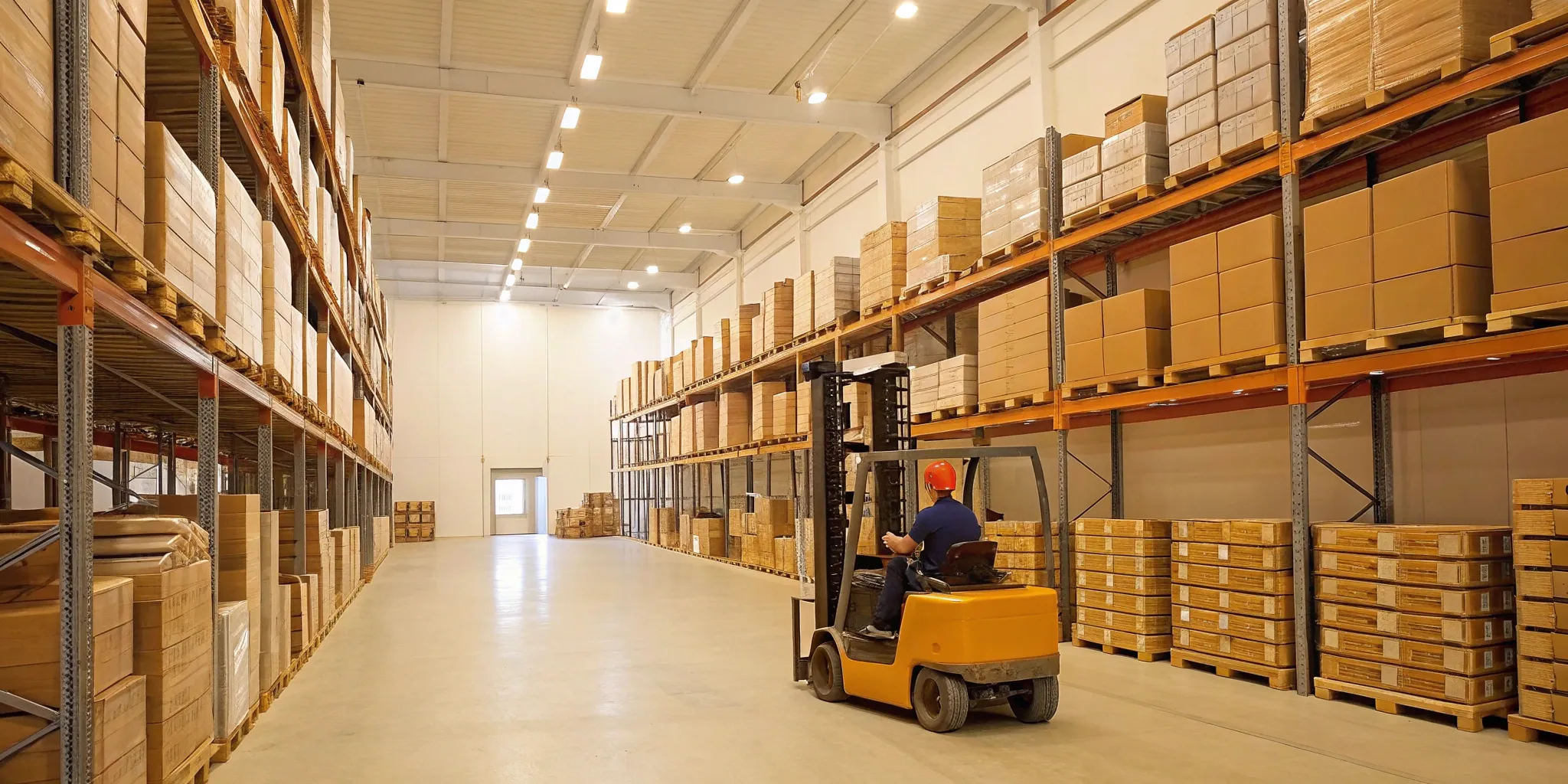
An effective distribution plan involves several moving parts working in harmony. It starts with order processing, where your specific needs for each store location are documented. Next comes careful packaging and transportation, which protects your fixtures from damage during transit. A crucial component is inventory control and warehouse management, which allows you to store fixtures and deploy them as needed for new store openings or remodels. Finally, the entire process is supported by tracking systems that give you full visibility into where your assets are at any given moment, preventing costly delays and miscommunications.
Distribution is the final, customer-facing piece of your supply chain puzzle. Its main job is to ensure your products—in this case, your store fixtures—are available exactly when and where they’re needed. For a national retailer, this means having a system that can handle a complex rollout across dozens or even hundreds of locations simultaneously. Efficient logistics, transportation, and distribution directly impacts your bottom line. When fixtures arrive on schedule, your stores can open or relaunch without a hitch, allowing you to start generating revenue immediately. A well-managed distribution process keeps your projects on track and your internal teams happy.
Choosing how your products get from the warehouse to your customers is one of the most important decisions you'll make. This choice affects your profit margins, your ability to scale, and the overall customer experience. There isn't a single "best" model for everyone; the right approach depends on your products, your audience, and your long-term goals. Understanding the fundamental models is the first step toward building a distribution strategy that supports your business's growth and keeps your customers happy. Let's look at the core options to help you find the perfect fit.
The first major choice is whether to sell directly to your customers or work with intermediaries. With a direct distribution model, you handle the entire sales process yourself, whether through your own ecommerce site or branded physical stores. This gives you complete control over your brand and customer relationships, often leading to higher profit margins. On the other hand, indirect distribution involves partners like wholesalers, distributors, or other retailers who sell your products for you. While this can significantly expand your market reach, it also means sharing a portion of your profits. Many businesses find success using a hybrid approach, blending both distribution channel types to balance control with reach.
Your distribution strategy must align with where you sell. For brick-and-mortar retail, the process involves moving products from a central warehouse to your various store locations. This requires careful planning to ensure each store is stocked appropriately. Ecommerce distribution, however, ships products directly from a warehouse or fulfillment center to the customer's doorstep. As more sales move online, having a strong digital fulfillment process is essential. This often involves sophisticated inventory control and warehouse management systems that can track products in real-time, manage online orders efficiently, and handle returns without a hitch. Many retailers need a system that can seamlessly support both their physical and digital storefronts.
Omnichannel is all about creating a unified experience for your customer, no matter how they choose to shop. This model blends your physical and digital channels into one cohesive system. Think "buy online, pick up in-store" (BOPIS), in-store returns for online purchases, or using a mobile app to check inventory at a nearby location. Pulling this off requires a highly integrated and responsive supply chain. Your inventory data must be accurate across all channels, and your logistics and distribution network needs to be flexible enough to move products where they are needed most. When done right, an omnichannel strategy meets modern customer expectations and builds lasting loyalty.
Partnering with a professional distribution service is much more than moving fixtures from one place to another. It’s a strategic decision that directly impacts your ability to expand your retail footprint efficiently. When you’re juggling new store openings, remodels, or seasonal rollouts across dozens or even hundreds of locations, a solid distribution plan separates a smooth launch from a logistical nightmare. A great partner handles the complex details of getting your fixtures where they need to be, on time and in perfect condition, so you can focus on creating amazing customer experiences. This collaboration is key to scaling your operations and maintaining brand consistency.
One of the most immediate benefits of working with a distribution expert is the impact on your bottom line. Building and managing your own warehouse requires significant capital investment. By partnering with a provider, you avoid these major expenses and gain the flexibility to use warehouse space as needed for seasonal displays or large rollouts. A professional partner also brings sophisticated inventory control and warehouse management systems to the table. This technology provides clear visibility into your fixture inventory, preventing costly over-ordering and ensuring you always have what you need.
Your store fixtures are a critical part of your brand identity. When you’re opening a new location, delays in receiving these components can throw your entire project off track. Professional distribution services ensure every piece arrives exactly when and where it’s needed. This reliability is made possible through meticulous project management and customer service that coordinates every step. By ensuring your stores open on schedule with a consistent, high-quality look, you create a dependable environment that keeps shoppers coming back, no matter which location they visit.
As your retail business grows, your logistical needs become more complex. The logistics industry is constantly evolving, so instead of trying to become an expert yourself, you can lean on a partner who already has the best tools. A dedicated distribution provider invests in the latest technology for tracking and transportation. This gives you access to top-tier logistics, transportation, and distribution capabilities without the overhead. It allows you to scale your operations confidently, knowing your fixture supply chain can handle the demands of a growing, multi-location retail empire.
Selecting a distribution partner is one of the most critical decisions you’ll make for your retail business. This isn’t just about finding someone to move boxes from point A to point B; it’s about entrusting a core part of your operations to an outside team. The right partner acts as an extension of your own company, ensuring your custom fixtures and displays arrive on time and in perfect condition, every single time. A great partnership can streamline your rollouts, reduce headaches, and free you up to focus on the bigger picture.
When you’re managing a rollout across dozens or even hundreds of locations, you can’t afford delays or damaged goods. Your partner needs to be more than a logistics provider—they need to be a problem solver who understands the unique pressures of the retail world. To find that perfect fit, you need to be methodical. It starts with a clear-eyed assessment of what you need, followed by a thorough vetting of their experience and a confirmation that their capabilities align with your goals. Taking the time to choose wisely now will pay off immensely down the road, leading to smoother projects and a stronger bottom line.
Before you even start looking at providers, take a close look at your own operations. What are your exact distribution needs? Are you planning a multi-store rollout that requires coordinated, just-in-time delivery of custom fixtures? Do you need a partner who can store your displays and manage inventory until they’re needed? Many businesses think third-party warehousing is too expensive, but it can actually save you significant capital by eliminating the need to build and staff your own facilities. A clear understanding of your requirements—from storage space to delivery timelines—will be your guide. This initial step helps you create a shortlist of partners who can genuinely meet your demands, preventing you from wasting time on those who can't.
Once you know what you need, it’s time to see what potential partners can actually do. Look beyond the basic promise of storage and delivery. A truly valuable partner offers a suite of services that can simplify your entire process. Can they handle kitting and assembly? Do they have a proven system for managing complex, multi-location rollouts? Ask for case studies or examples of their past work with businesses similar to yours. A strong track record in the retail space is a non-negotiable. You need a team that understands the nuances of handling high-value custom fixtures and the importance of meeting tight deadlines for store openings and remodels. Their experience is your peace of mind.
Your ideal partner’s geographic footprint should mirror your own. If you’re a national chain, you need a partner with a robust logistics and transportation network that can reach all of your locations efficiently. Beyond geography, consider their specialties. Do they have expertise in the retail industry? The demands of distributing custom store fixtures are very different from shipping consumer goods. Look for a partner who uses modern technology, like digital warehouse and inventory management systems, to provide transparency and control over your assets. The right specialty ensures your partner isn't just a vendor but a strategic asset who understands your world and is equipped to support your growth.
Choosing the right distribution partner is a critical decision that can shape your ability to grow. To help you get started, here’s a look at some of the top providers in the industry, each with unique strengths that cater to different retail needs.
S-CUBE is more than a typical distribution provider; they are a specialized partner for creating successful retail environments. If your distribution needs are tied to store fixtures, displays, or a full-scale rollout, they manage the entire process. Their services cover everything from design and manufacturing to logistics and installation. This integrated approach ensures your custom fixtures arrive on time and on budget, which is essential when coordinating openings or remodels across multiple locations. By handling the complex logistics of fixture programs, they free up your team to focus on other critical aspects of your business.
When you need a reliable and extensive network, FedEx is a household name for a reason. FedEx Supply Chain offers integrated solutions designed to make your operations more efficient. They handle key tasks like inventory management, order fulfillment, and transportation, ensuring your products get where they need to be, right on schedule. For retailers managing complex inventory across different channels, their expertise can be a game-changer, helping you maintain stock levels and keep customers happy without tying up your own resources in warehousing and shipping.
UPS offers a powerful suite of services that go far beyond simple package delivery. With UPS Supply Chain Solutions, you gain a partner with deep expertise in managing complex global supply chains. They provide a wide range of logistics, transportation, and distribution services that help retailers streamline their operations from start to finish. For businesses looking to improve delivery times and enhance customer satisfaction, leveraging UPS's vast network and technology can provide a significant competitive edge, allowing you to scale your distribution without missing a beat.
For retailers with a global footprint or ambitions to expand internationally, DHL is a top contender. DHL Supply Chain specializes in creating tailored logistics solutions that include warehousing, transportation, and other value-added services. Their massive global network and advanced technology help you optimize your supply chain for maximum efficiency. By partnering with DHL, you can improve your operational flow, reduce transit times, and ensure a consistent customer experience no matter where your stores or customers are located.
XPO is a leader in providing cutting-edge supply chain solutions, with a strong focus on technology. They offer a full range of services, including freight transportation, last-mile delivery, and comprehensive logistics management. For retailers, their expertise in last-mile delivery is particularly valuable, as it's a critical touchpoint for customer satisfaction. XPO's commitment to innovation means they are always looking for ways to help you improve your distribution processes, reduce costs, and get products into your customers' hands faster.
C.H. Robinson stands out for its comprehensive suite of logistics services combined with powerful technology and deep industry knowledge. They act as a true partner, offering everything from freight transportation to supply chain consulting. Their team works to understand the unique challenges of the retail sector, allowing them to develop customized solutions that align with your specific business goals. If you're looking for a provider that can help you not only execute but also strategize your supply chain, C.H. Robinson is an excellent choice.
Ryder is known for its end-to-end logistics services that help businesses run smoother and more efficiently. Ryder Supply Chain Solutions covers everything from warehousing and transportation to complete supply chain management. They place a strong emphasis on using technology and innovation to drive improvements, helping retailers enhance their distribution efficiency and elevate their service levels. For companies looking to outsource their logistics to a trusted partner, Ryder offers the experience and infrastructure to manage your supply chain effectively.
With a significant global reach, CEVA Logistics is a strong partner for retailers looking to optimize their distribution networks on a large scale. They provide a wide array of supply chain solutions, including contract logistics, freight management, and transportation services. Their deep industry expertise allows them to handle the specific demands of retail, from managing seasonal inventory spikes to coordinating complex international shipments. By leveraging CEVA's global network, you can build a more resilient and efficient supply chain.
As a global leader in logistics, Kuehne + Nagel has extensive experience helping retailers manage their supply chains. They offer a full spectrum of services, including sea freight, air freight, and contract logistics, making them a versatile partner for businesses with diverse shipping needs. Their long history in the retail sector means they understand the pressures of fast-moving consumer goods and can provide tailored solutions to improve your distribution efficiency. They are a solid choice for managing complex, international supply chains.
DB Schenker provides integrated logistics solutions that cover land, air, and ocean freight, giving you a single point of contact for all your transportation needs. What sets them apart is a strong focus on innovation and sustainability, which can be a major advantage for environmentally-conscious brands. They help retailers improve their supply chain operations while also working to reduce their carbon footprint. Partnering with DB Schenker allows you to build a more efficient and responsible distribution network.
Is 'distribution' just another word for shipping? Not at all. While shipping is certainly a part of it, thinking of distribution as just transportation is like thinking of a car as just its wheels. Distribution is the entire system that gets your fixtures from the factory floor to your store floor. It includes strategic warehousing, precise inventory management, careful packaging, and coordinated logistics to ensure everything arrives at the right place, at the right time, and in perfect condition. It’s the project management that wraps around the physical movement of your assets.
We have our own warehouse. Why would we need a distribution partner? That’s a great question. Even if you have your own storage, a distribution partner brings a different kind of value to the table, especially during a large-scale rollout. They provide specialized expertise and technology built specifically for complex, multi-location projects. This partnership allows you to use your own warehouse for daily operations while relying on their network for major initiatives, saving you the immense capital investment and staffing required to build that capability yourself. It frees up your team to focus on what they do best: creating great retail experiences.
How is a specialized fixture partner different from a general carrier like UPS or FedEx? Think of it as the difference between a general practitioner and a heart surgeon. A general carrier is an expert at moving millions of packages from point A to point B efficiently. A specialized fixture partner, on the other hand, understands the unique challenges of a retail rollout. They don't just ship boxes; they manage your entire fixture program. This includes coordinating with manufacturers, creating custom kits for each unique store, and ensuring that delicate, high-value displays are handled with care. It’s a high-touch service designed for the specific needs of retail construction and remodels.
Our stores have different layouts and needs. Can a distribution service handle that level of customization? Yes, and that’s precisely where a professional partner shines. Managing that complexity is a core part of their service. A good distribution partner uses sophisticated inventory and order management systems to handle unique requirements for each location. They can create custom kits, bundle specific fixtures for a particular floor plan, and ensure that every single store receives exactly what it needs for a successful installation, eliminating guesswork and confusion for your on-site teams.
What's the biggest mistake retailers make when it comes to distributing their fixtures? The most common misstep is treating distribution as an afterthought. Many retailers invest heavily in designing the perfect fixtures and store layouts but only start thinking about logistics at the very end of the process. This often leads to rushed decisions, damaged products, missed deadlines, and blown budgets. The most successful rollouts happen when distribution is part of the conversation from the beginning, allowing a partner to help plan a smooth, efficient, and cost-effective strategy.
Subscribe for expert insights on fixture design, materials, and modern retail environments.