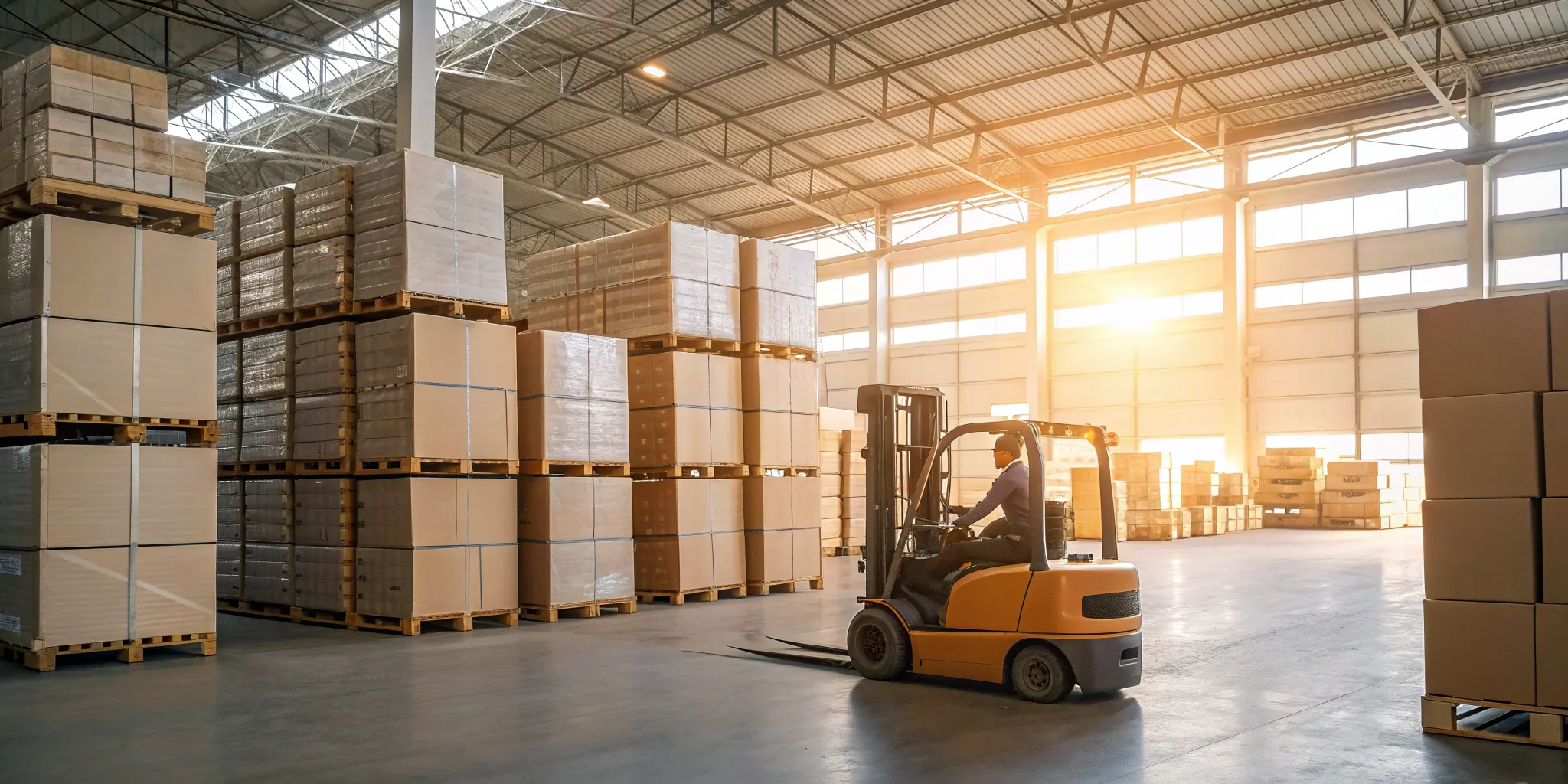


Coordinating a multi-store rollout means juggling countless moving parts. From general contractors and installation crews to merchandising teams, everyone is working on a tight schedule. The success of the entire project often hinges on one critical element: getting the right fixtures to the right place at exactly the right time. This is the core challenge that a strong freight management system solves. It brings order to logistical chaos, providing the reliability and predictability you need to keep your project on track. By handling the complexities of shipping, warehousing, and final delivery, it allows your team to focus on creating an exceptional in-store experience.
When you’re coordinating a multi-store rollout, the last thing you want to worry about is whether your custom fixtures will arrive on time and in one piece. This is where freight management comes in. It’s the strategic process of planning, executing, and overseeing the movement of your goods from the point of origin to their final destination. For retailers, this isn't just about shipping—it's about ensuring every single display, shelf, and sign gets to the right store, at the right time, and for the right price.
Think of it as the central nervous system of your supply chain. Without a solid freight management strategy, you risk delays, damaged products, and inflated costs that can derail a store opening or a seasonal campaign. For businesses with dozens or even hundreds of locations, effective freight management is non-negotiable. It’s the key to a seamless rollout, consistent brand presentation across all your stores, and a healthy bottom line. A well-managed logistics and distribution plan ensures your vision for the retail environment becomes a reality, without the logistical headaches.
At its core, freight management is a comprehensive system for controlling the entire journey of your goods. It’s not just about booking a truck. The process includes everything from selecting the right shipping method and carrier to negotiating rates and tracking shipments in real time. It also involves handling all the necessary documentation, managing insurance claims if something goes wrong, and auditing freight bills to ensure you’re not overpaying. The goal is to create a smooth, efficient, and cost-effective flow of products from the manufacturer to the sales floor.
Your supply chain is the entire network involved in getting a product to the customer, and freight management is a critical link in that chain. It connects manufacturing with warehousing and final distribution. This process involves coordinating with suppliers, carriers, and your own teams to make sure everything moves in sync. For example, your freight plan dictates how finished fixtures are transported from the factory to a warehouse, how they are stored, and when they are dispatched for delivery to individual stores. Strong inventory control and warehouse management are essential for this to work seamlessly.
Retailers know that even the best-laid plans can face hurdles. One of the biggest challenges is dealing with fluctuating demand. An inaccurate forecast can lead to ordering too many fixtures and paying for unnecessary storage, or too few and missing out on sales. Seasonal peaks, like the back-to-school or holiday rushes, put immense pressure on logistics, often leading to higher shipping costs and potential delays. Juggling these variables, especially across multiple locations, can quickly become a complex and expensive problem to solve without a dedicated strategy.
Every dollar you spend on shipping directly impacts your profitability. Inefficient freight management can lead to hidden costs that eat away at your margins, from surprise fees and fuel surcharges to the expense of expedited shipping to fix a delay. More than that, when fixtures arrive late or damaged, it can postpone a store opening or a product launch, resulting in lost revenue. Effective freight management isn't just an operational task; it's a financial strategy that ensures your products are available when and where they need to be, protecting your budget and helping you meet your sales goals.
Think of a freight management company as the logistical command center for your retail rollout. Instead of you juggling multiple carriers, tracking shipments, and managing warehouse space, they handle the entire process. Their job is to get your custom fixtures and displays from the factory floor to your new store locations safely, on time, and within budget. By managing these complex details, they free you up to focus on what you do best: creating an amazing retail experience for your customers.
At its core, freight management is the process of planning, executing, and overseeing the movement of your goods. For a retailer, this means a partner will map out the entire journey for your fixtures. They determine the best shipping methods, schedule pickups and deliveries, and handle all the necessary paperwork. This meticulous logistics planning ensures that every component—from shelving units to checkout counters—arrives exactly when and where it’s needed. This prevents costly delays for your store openings or remodels and keeps your entire project running smoothly from start to finish.
A multi-store rollout rarely happens all at once. A freight management partner provides the warehousing and distribution services you need for a phased project. They can receive and store your fixtures in a secure facility, manage your inventory, and then distribute items to individual store locations according to your schedule. This expert inventory control and warehouse management is critical for keeping your project organized. It ensures each location receives the correct fixtures without overwhelming your on-site teams with materials that aren't needed yet, saving space and reducing the risk of damage.
Modern freight management runs on technology. A good partner gives you access to software that provides real-time visibility into your shipments. You can track your fixtures from the moment they leave the warehouse until they arrive at your store. This transparency is invaluable for project managers coordinating installations across multiple sites. It eliminates guesswork, allows you to provide accurate updates to your team, and gives you the peace of mind that comes from knowing exactly where your assets are at all times. This level of oversight helps you anticipate and solve potential issues before they become problems.
One of the biggest benefits of working with a freight management company is cost optimization. These experts leverage their industry relationships and shipping volume to secure better rates than you could likely get on your own. They analyze shipping lanes and carrier options to find the most efficient and affordable solutions. They also provide detailed reporting that breaks down your transportation spending, helping you understand your costs and identify opportunities for future savings. This makes your entire supply chain more efficient and predictable.
Finding reliable carriers is a time-consuming task. A freight management partner does this work for you. They have a network of vetted, dependable transportation companies and will select the right carrier for each specific job based on cost, speed, and service quality. They also manage the relationships with these carriers, handling everything from negotiations and booking to troubleshooting any issues that arise during transit. This saves you the administrative headache and ensures your valuable fixtures are always in good hands, allowing your team to stay focused on the bigger picture of the retail launch.
Selecting a freight management partner is one of the most important decisions you’ll make for your retail operations. This isn’t just about moving boxes from point A to point B; it’s about finding a partner who understands the rhythm of retail—the tight deadlines for store openings, the care required for custom fixtures, and the need for absolute reliability. The right partner acts as an extension of your team, helping you manage costs, streamline logistics, and ensure your vision for each store comes to life flawlessly. As you evaluate your options, focus on these five key areas to find a company that truly fits your business.
Not all freight experience is created equal. A partner specializing in retail logistics will understand the specific challenges you face, from coordinating with general contractors on-site to managing multi-store rollouts on a tight schedule. Look for a company with a proven track record. Ask for case studies or references from other retailers. A partner with decades of experience has likely seen and solved every problem imaginable. They’ll know how to handle delicate, high-value fixtures and ensure everything arrives on time and in perfect condition, which is essential for keeping your store opening plans on track.
In modern logistics, technology is everything. Your partner should use up-to-date software to give you real-time visibility into your shipments. The ability to track your fixtures from the warehouse to the store is non-negotiable. Top-tier partners offer platforms that can integrate with your existing systems, automating paperwork and streamlining communication. This level of technological integration is a core part of effective logistics, transportation, and distribution, as it provides the data you need to make informed decisions and keep all stakeholders, from your corporate office to your on-site teams, in the loop.
When an issue arises—and in logistics, it eventually will—you need a partner who is responsive and communicative. Look for a company that provides a dedicated point of contact for your account. A great partner is proactive, alerting you to potential delays and offering solutions before you even know there’s a problem. During your evaluation, pay attention to how quickly they respond to your inquiries. This is often a good indicator of the level of service you can expect. Strong project management and customer service are the foundation of a successful partnership, ensuring your projects run smoothly from start to finish.
While cost is always a factor, the cheapest option isn’t always the best value. A strategic freight partner can actually save you money—often around 13%—by optimizing routes and negotiating better rates with carriers. Ask for a transparent pricing structure without hidden fees. A good partner will work with you to understand your budget and find cost-effective solutions. Also, review their contract terms for flexibility. Your shipping needs may change as your business evolves, and you don’t want to be locked into a rigid agreement that no longer serves your needs.
Whether you’re opening five stores this year or fifty, you need a freight management partner who can grow with you. A scalable partner has the network, resources, and technology to handle increasing shipment volumes without sacrificing service quality. They can help you plan for future growth by building an efficient and resilient supply chain. Discuss your long-term expansion plans with potential partners to gauge their ability to support your goals. The right company will not only meet your current needs but will also be a strategic asset as you expand your retail footprint across the country.
Partnering with a freight management expert isn't just about moving boxes from one place to another; it's about creating a strategic advantage for your retail business. When you're coordinating a multi-store rollout, every fixture and display needs to arrive at the right place, at the right time, and in perfect condition. Effective freight management makes that happen smoothly and predictably. It transforms your supply chain from a potential headache into a well-oiled machine, giving you the freedom to focus on creating amazing in-store experiences for your customers. Let’s look at the tangible benefits you can expect.
One of the most immediate impacts of smart freight management is on your bottom line. A dedicated logistics partner can significantly lower your shipping expenses by finding the most efficient routes, consolidating shipments to fill trucks, and negotiating with a network of reliable carriers for better rates. For retailers rolling out new fixtures across dozens or hundreds of locations, these savings add up quickly. This isn't just about cutting a single invoice; it's about creating a predictable and manageable budget for your entire project, preventing the surprise fees and cost overruns that can derail a launch. Expert logistics and distribution give you greater control over your spending.
In retail, timing is everything. A delayed shipment of fixtures can halt construction, push back your grand opening, and create a domino effect of costly problems. Good freight management ensures your fixtures and displays arrive exactly when they’re supposed to. By planning routes, anticipating potential delays, and coordinating with on-site teams, a logistics partner builds reliability directly into your project timeline. This consistency is crucial for multi-store rollouts where schedules are tight and multiple teams are depending on the timely arrival of materials. It keeps your projects on track, your contractors working, and your stores opening on schedule, which ultimately protects your revenue and reputation.
When you have high-value custom fixtures in transit to multiple locations, "Where's my stuff?" is a question you shouldn't have to ask. Modern freight management provides complete visibility into your shipments with real-time tracking. You can see exactly where your assets are at any moment, from the factory floor to the store's front door. This transparency offers incredible peace of mind and allows for better planning. If an unexpected delay does occur, you’ll know immediately and can adjust your plans accordingly. This level of oversight is a core part of effective project management, ensuring you and your team are always informed and in control.
Shipping fixtures, especially across state or international borders, involves a lot of moving parts and potential risks. From customs paperwork and trade regulations to the risk of damage during transit, there’s a lot that can go wrong. A freight management partner acts as your expert guide, handling all the complexities of compliance and insurance. They ensure every shipment meets legal requirements, minimizing the risk of fines or delays at the border. They also implement best practices for packing and handling to protect your fixtures from damage. This proactive risk management safeguards your investment and removes a significant administrative burden from your team.
Behind every successful shipment is a mountain of administrative work—booking carriers, generating labels, tracking invoices, and confirming deliveries. Freight management technology automates many of these repetitive tasks, which reduces the chance of human error and frees up your team’s time. By analyzing data, these systems can refine and streamline your entire supply chain, making smarter decisions that drive operational efficiency. Instead of getting bogged down in logistics paperwork, your team can focus on higher-value activities like merchandising and store operations. This automation makes the entire process of getting fixtures to your stores faster, simpler, and more accurate.
The right technology can make or break your logistics strategy. When you’re coordinating fixture deliveries for dozens or even hundreds of store locations, you need a system that provides clarity and control, not more complexity. A great freight management partner will offer a tech platform that feels like an extension of your own team. As you evaluate your options, make sure their software includes these essential features.
Knowing where your fixtures are at any given moment is non-negotiable. Real-time tracking gives you the visibility to plan installation schedules with confidence and manage stakeholder expectations. Instead of making calls to find out a shipment’s status, you can simply log in and see its location on a map. This transparency is crucial for proactive problem-solving. If a truck is delayed, you’ll know instantly and can adjust your plans accordingly, preventing costly downtime for your installation crews. Modern freight management uses software and automation to track shipments in real-time, so you’re never left in the dark.
Getting your fixtures from the warehouse to a new store location involves more than just picking the shortest route. True route optimization software analyzes variables like traffic patterns, weather, delivery windows, and fuel costs to determine the most efficient path for every shipment. For retailers managing multi-store rollouts, this is a game-changer. By consolidating shipments and optimizing routes, you can significantly reduce transportation costs and ensure your fixtures arrive on schedule. This technology uses data to refine supply chain processes, driving efficiency that directly impacts your bottom line.
Data is one of your most powerful assets, but only if you can easily access and understand it. Look for a platform that offers automated reporting and analytics. These tools compile critical information on shipping costs, carrier performance, delivery times, and more into easy-to-read dashboards. This allows you to spot trends, identify areas for improvement, and make smarter, data-driven decisions for future projects. Having this level of visibility over your stock levels and logistics performance helps you maintain tight control over your budget and timelines.
Your project managers and operations teams aren’t always sitting behind a desk. They’re on-site, traveling between locations, and coordinating with multiple teams at once. A freight management platform with a robust mobile app or a mobile-friendly interface is essential. This gives your team the flexibility to check a shipment’s status, approve a change order, or communicate with your logistics partner from anywhere. On-the-go access ensures that your projects keep moving forward, no matter where your team is working from.
Your freight management technology shouldn’t operate in a silo. To achieve maximum efficiency, it needs to integrate smoothly with the other systems you rely on, such as your inventory management, project management, or ERP software. This seamless integration creates a single source of truth across your operations, eliminating the need for manual data entry and reducing the risk of human error. When your systems can communicate with each other, workflows are streamlined, data is more accurate, and your entire team can work more cohesively to execute flawless store rollouts.
Is freight management only for large, national retailers? Not at all. While national chains certainly rely on it for large-scale rollouts, any retailer planning a multi-store opening, remodel, or even a complex single-store project can benefit. If you're coordinating multiple shipments of high-value fixtures and need them to arrive on a strict schedule, a freight management partner can save you time, money, and a lot of stress, regardless of whether you have ten locations or a hundred.
What's the difference between a freight management company and a standard shipping carrier? Think of it this way: a shipping carrier owns the trucks and is responsible for moving your goods from point A to point B. A freight management company is the strategic partner that oversees the entire logistics process. They select the best carriers for the job, manage warehousing, provide tracking technology, handle the paperwork, and optimize the entire plan to be as efficient and cost-effective as possible. They manage the carriers so you don't have to.
My custom fixtures are expensive and fragile. How does freight management protect them? This is a huge reason why retailers turn to experts. A good freight management partner doesn't just book any truck. They work with a network of vetted carriers who have experience handling delicate and high-value items. They also ensure proper procedures are followed for packing and loading, and they manage all the insurance details. This gives you peace of mind that your investment is protected from the factory to the sales floor.
How much control will I have over my shipments if I use a partner? You'll likely have more control and visibility than you do now. A great freight management partner provides you with technology, like a real-time tracking portal, that lets you see exactly where your shipments are at all times. They act as an extension of your team, providing regular updates and handling the day-to-day issues. You get to direct the overall strategy and timeline without getting bogged down in the minute-by-minute logistics.
We're planning a phased rollout over several months. Can a freight management partner handle that? Absolutely. This is a perfect scenario for a freight management partner. They can coordinate the initial shipment of all your fixtures to a secure warehouse. From there, they manage the inventory and dispatch the specific items needed for each store according to your project schedule. This prevents your new store sites from being cluttered with materials that aren't needed yet and ensures each location gets exactly what it needs, right on time.
Subscribe for expert insights on fixture design, materials, and modern retail environments.