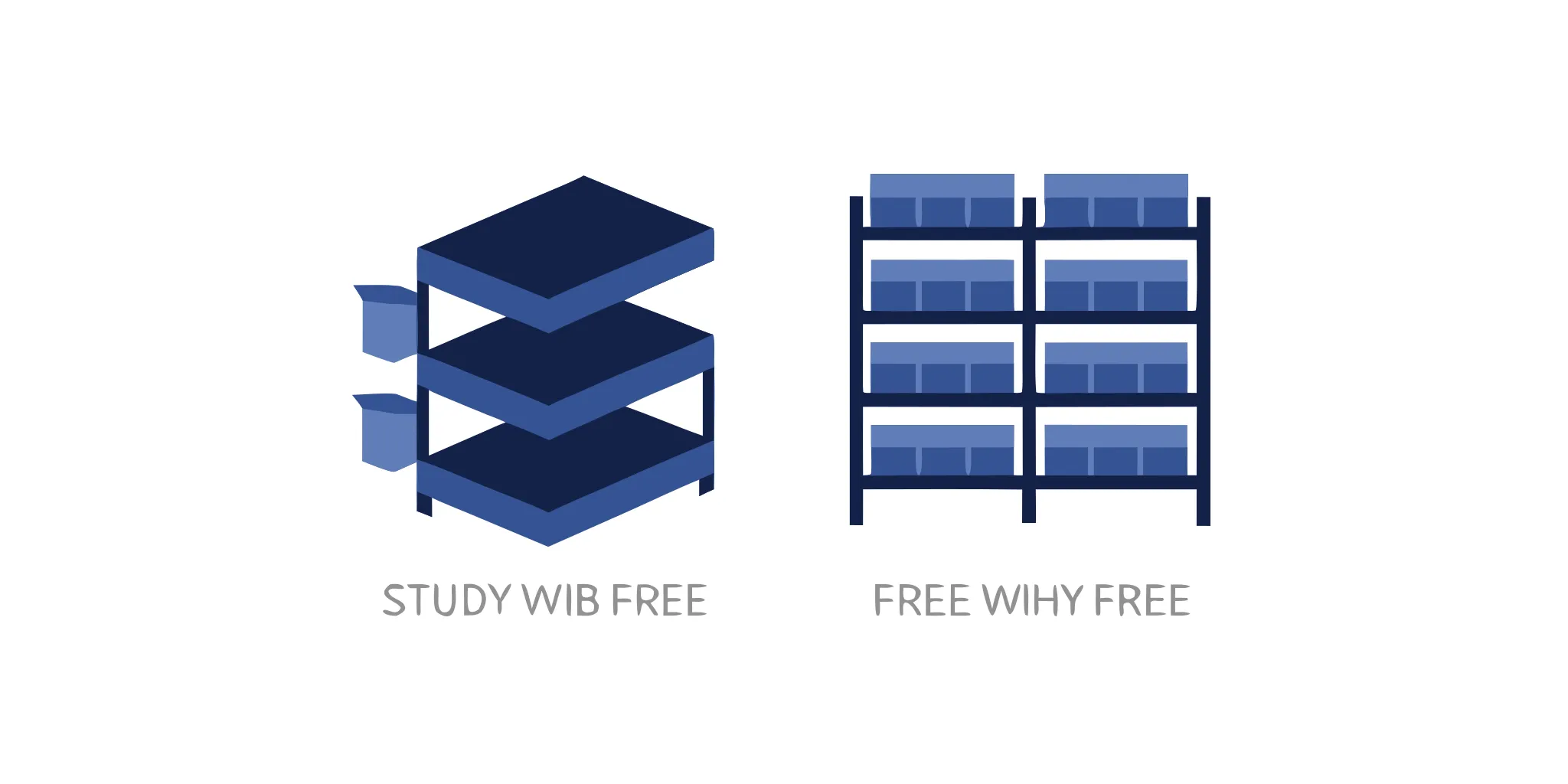


In a high-volume retail environment, a display has to do more than hold merchandise. It must withstand repeated handling, keep products visible, support efficient replenishment, and fit the operating realities of multiple locations. Wire and metal fixtures are built for that work, giving retail teams a practical balance of durability, accessibility, and cost control.
Wire retail displays help retailers present products with strong visibility and airflow while providing durable support for demanding store environments. The right configuration can also improve product access, simplify merchandising, and scale consistently across a rollout. In one cited shopper survey, 60% of participants said retail displays influenced their choice when comparing products or brands (Angola Wire).
For procurement and visual merchandising teams, the decision starts with matching the fixture format to the product, available space, traffic pattern, and brand experience. The main display types offer different ways to organize merchandise and create a repeatable presentation, from open grid systems to baskets and racks.
Wire and metal fixtures give retail teams a practical way to organize merchandise while keeping products visible and accessible. The right format depends on product size, purchase behavior, available floor area, and whether the display needs to support a permanent merchandising plan or a flexible promotion.
Gridwall panels create a modular vertical display for hanging packaged goods, apparel, accessories, and lightweight merchandise. Hooks, shelves, baskets, and sign holders can be repositioned as the assortment changes. For a closer look at planning this format, see S-CUBE's wire grid display fixtures guide.
Pegboard displays provide a similar level of adjustability through regularly spaced holes and compatible hooks or shelves. They work well where a store needs dense organization in a small footprint, particularly for tools, accessories, craft products, and other packaged items.
Wire racks can be designed as freestanding floor units, wall-mounted sections, or specialty holders for a particular product. Their open construction improves product visibility and airflow compared with solid shelving, while wire shelving adds practical levels for boxed, bottled, or folded merchandise. Gondola components extend that flexibility by combining uprights, shelves, back panels, hooks, and sign elements into a coordinated run. A gondola may use pegboard, slatwall, or wire-grid backs depending on the merchandising system.
Wire baskets hold smaller products in an organized, easy-to-shop format. They can sit on shelving, attach to a gridwall, or function as countertop displays for accessories and add-on items. Dump bins use a deeper open container to accommodate high-volume or promotional merchandise. Positioned near checkout, aisle ends, or other high-traffic areas, they are useful for seasonal products and impulse-oriented assortments.
Wire displays are commonly produced from aluminum, copper, steel, or stainless steel. Material selection affects weight, finish, corrosion resistance, strength, and the visual character of the fixture. Wire forming is the foundational manufacturing process behind many of these display types, shaping and joining wire into repeatable racks, baskets, hooks, frames, and supports. Industrial forming equipment can accommodate wire up to 17 mm in diameter, according to IQS Directory's wire display overview.
Floor displays are suited to larger assortments and products that need to be encountered from multiple directions. Countertop displays conserve floor space and keep smaller, high-margin, or checkout-adjacent items within easy reach. S-CUBE can combine wire with wood, metal, acrylic, glass. And other materials to create a complete custom fixture program, rather than forcing every merchandising need into one standard format.
Answer: Choose wire retail displays by matching the fixture to the merchandise, load requirements, available footprint, brand aesthetic, customer movement, and day-to-day merchandising needs. A structured selection process helps you protect products, use valuable floor space well, and create a display that supports both operations and shopper engagement.
Start with the product itself. Product type and weight determine whether you need a countertop basket, a freestanding rack, a grid unit, or a reinforced custom design. Lightweight packaged goods may work well in open baskets or tiered racks, while heavier products require stronger wire gauges, stable bases, and shelves engineered for the expected load. Wire displays can be tailored to specific weight requirements, which supports product safety and longer fixture life. Define the maximum load per shelf, basket, or tier before approving a design.
Wire displays are commonly made from steel, stainless steel, aluminum, or other metals. The right material and finish depend on expected wear, humidity, cleaning requirements, and the look you want customers to see. Ask your fixture partner to recommend materials that balance durability, appearance, manufacturability, and budget rather than selecting a finish in isolation.
Measure the available space, including aisle clearance, sightlines, nearby fixtures, and replenishment access. A display that fits on paper may still create congestion if it interrupts a primary path or blocks a high-value product view. Map the store's traffic flow and identify focal areas where shoppers naturally slow down, turn, or compare products. Strategic placement can guide navigation while giving seasonal, promotional, or new merchandise stronger exposure. This traffic-flow analysis is a core part of effective store layout planning.
The fixture should look intentional within the store. Coordinate its color, finish, proportions, and accessory choices with the broader brand aesthetic. Keep the presentation clear rather than overcrowded, and consider features such as adjustable shelves, hooks. Signage holders, casters, dividers, or modular components based on how the team will replenish and reset the display.
Finally, involve a partner that can value-engineer the design without compromising the customer experience. S-CUBE's value engineering expertise has helped reduce fixture costs by 30-50% on suitable programs. Standard lead time is 6-10 weeks from design approval, with expedited options available when the rollout schedule demands it.
Customization gives wire retail displays a purposeful role in the store rather than leaving them as interchangeable equipment. S-CUBE can tailor dimensions, configurations, colors, and finishes to support the product presentation and maintain a consistent brand experience across locations. The right finish also affects how shoppers perceive the fixture, from a bright polished appearance to a quieter industrial look.
Powder coating provides a durable, uniform surface in a broad range of colors, making it practical for matching a primary brand color or creating visual distinctions between departments. Chrome offers a reflective, polished appearance, while brushed metal creates a more subdued and contemporary presentation. Custom paint colors can be specified to brand standards when a precise visual match matters across a rollout.
Finish selection is only one part of a workable fixture program. S-CUBE's hybrid manufacturing model combines domestic production with international partnerships to balance responsiveness, capacity, and cost. Its project-management approach coordinates the details that matter in multi-location programs, including finish consistency, packaging, and delivery requirements. With more than 15,000 custom fixture projects completed, S-CUBE brings practical experience to both initial pilots and larger rollouts.
Value engineering can identify ways to simplify materials, construction, or shipping without sacrificing the fixture's intended performance. For qualified projects, this process can reduce costs by 30% to 50%. That makes it possible to invest in distinctive finishes and brand-specific details while keeping the overall program commercially viable. For faster deployments or standard configurations, explore retail ready fixtures alongside fully customized options.
Wire and metal fixtures support merchandising programs that need durability, visibility, and easy product access across multiple store formats. Because the fixture approach can be adapted by product category, footprint, and rollout stage. S-CUBE helps retailers move from a controlled pilot to a coordinated program across 500 or more locations.
In apparel and fashion, clothing racks organize garments by collection, size, or seasonal story while accessory displays keep smaller items within reach. Open wire construction helps shoppers browse without creating a visual wall between adjacent products. Sporting goods retailers can use racks and tiered fixtures for equipment, footwear, and accessories, with configurations that support active product comparison and frequent replenishment.
Books and entertainment environments benefit from metal shelving and media displays that make titles easy to scan. Adjustable layouts can separate new releases, genres, or promotional groupings while maintaining a clean sightline through the department. These applications extend beyond a single gridwall format, using racks, shelves, baskets, and other wire fixture types where each product requires a different presentation.
Convenience and grocery stores often place wire baskets, racks, and compact displays in high-traffic impulse zones. These fixtures keep grab-and-go products visible near checkout areas, endcaps, or transition points without consuming the footprint required by a larger shelving run.
Beauty and cosmetics retailers need displays that present small, high-value products clearly while supporting controlled access. Metal structures can be configured around testers, boxed products, and replenishment needs, helping teams balance discoverability with security. Electronics and technology stores can use wire and metal fixtures for accessories, peripherals, and demonstration-adjacent merchandising, where organized presentation reduces clutter around higher-consideration products.
Specialty retailers can combine wire racks, baskets, peg displays, and metal shelving to suit distinct assortments, from hobby products and pet supplies to seasonal goods. The right mix gives each department a practical merchandising system instead of forcing every product into one fixture type.
For regional and enterprise programs, S-CUBE can align materials, finishes, dimensions, and packaging across the rollout while preserving the flexibility needed at individual locations. Retailers planning a pilot can validate shopper flow and product presentation first, then scale the approved design with a consistent production and shipping plan. Explore custom retail displays when the program requires a coordinated fixture solution rather than an off-the-shelf rack.
Material selection affects more than the look of a fixture. It influences how easily shoppers can see merchandise, how products perform in the store environment, and how efficiently a rollout can be produced. That matters because 60% of shoppers surveyed reported that retail displays often influenced their choice between products or brands. Read the display influence survey details.
| Material. | Visibility. | Airflow. | Weight Capacity. | Cost. | Best Application. |
|---|---|---|---|---|---|
| Wire | Open construction provides product visibility from multiple angles. | Excellent, with open space around merchandise. | Can be engineered for the product load and shelf span. | Cost-effective for repeatable, high-volume programs. | Grid displays, baskets, racks, dump bins, and gondola systems. |
| Solid shelving | Strong front-facing presentation, but less visibility through or behind the shelf. | Limited compared with an open wire design. | Well suited to heavier merchandise when properly specified. | Practical where load requirements justify a more substantial build. | Packaged goods, case stock, and dense shelf merchandising. |
| Wood | Creates a solid, substantial backdrop for selected products. | Limited unless the design incorporates openings. | Can support substantial loads, depending on construction. | Often higher than wire for comparable custom display programs. | Warm, premium, or furniture-inspired brand environments. |
| Acrylic or plastic | Clear options can provide strong front and side visibility. | Varies by shape and panel design. | Best for light to moderate merchandise unless specially reinforced. | Useful for focused components and smaller displays. | Cosmetics, point-of-purchase displays, bins, and product holders. |
| Sheet metal | Solid panels can frame merchandise but may block side or rear views. | Limited without perforations or ventilation features. | Strong option when a rigid, enclosed structure is required. | Depends on fabrication, finish, and structural requirements. | Enclosed compartments, security-focused fixtures, and durable structures. |
Wire is typically formed from aluminum, copper, steel, or stainless steel, so the material choice can be matched to the required strength, finish, and environment. Its lighter construction than sheet metal can also simplify handling and installation. Compared with wood, wire can deliver a more cost-effective path for standardized fixtures across multiple locations, while still allowing custom dimensions and finishes.
The right choice is not always one material throughout the store. Gondola systems can use wire grid backs alongside pegboard or slatwall, creating a practical hybrid that balances visibility, merchandising flexibility, and brand presentation.
Answer: High-volume retailers choose wire retail displays because they combine durability, product visibility, flexible merchandising, and efficient rollout logistics. S-CUBE adds the project management, value engineering, and coordinated delivery needed to make those advantages work consistently across multiple locations.
For a national or regional chain, a fixture has to do more than hold merchandise. It must withstand repeated customer interaction, support a consistent store experience, and remain practical to manufacture and ship at scale. Wire and metal fixtures meet that operational standard while leaving products visible from multiple sightlines. That visibility matters: more than 75% of shoppers surveyed said they discovered a new brand or product after seeing it on a retail display. Read the supporting retail display research.
S-CUBE brings more than 30 years of experience and has completed more than 15,000 custom fixture projects. That background helps procurement and store-planning teams make decisions based on the full project, not just the unit price. For Books-A-Million, S-CUBE achieved nearly a 50% cost reduction. For Bon-Ton, the project delivered a 30% cost reduction along with an improvement in quality.
Execution is equally important. S-CUBE provides guaranteed on-time delivery and coordinates multi-location shipping, helping retailers receive the right fixtures where they are needed for a phased opening or broad rollout. Domestic and international manufacturing partnerships can also balance speed, capacity, and cost while keeping the project managed through one accountable partner.
When the program calls for a specific footprint, finish, product load, or branded presentation, explore custom retail fixtures designed for the demands of your store network.
Wire displays provide product visibility and airflow while keeping merchandise accessible. They are also adaptable for baskets, racks, grid systems, peg displays, and other formats. Making them practical for high-volume stores that need flexible merchandising without the visual weight of solid shelving.
Start with the merchandise: evaluate product size, weight, quantity, and replenishment needs. Then assess available space, customer traffic, brand aesthetic, and useful features such as hooks, baskets, shelves, or signage. The best fixture supports the shopping path as well as the product.
Yes, when the material, construction, and load requirements are specified correctly. Steel and stainless steel can support demanding environments, while the design should account for product weight, frequent handling, replenishment, and traffic. A fixture partner can engineer the structure around those operating conditions.
Common options include wire grid displays, racks, baskets, dump bins, peg displays, and metal shelving. The right combination depends on the merchandise and store layout. Retailers can also combine wire with wood, acrylic, glass, or other materials when the display needs a broader visual or functional system.
Yes. Customization can include dimensions, configuration, color matching, and finishes such as chrome, brushed metal, or powder coat. Retailers can also develop a coordinated fixture package for a pilot program and scale it across a larger rollout while maintaining a consistent store experience.
Tell us about your store environment, product mix, and rollout goals so the right display approach can take shape around your project. To get started, contact S-CUBE about custom wire and metal fixtures. Our team can help you move from an initial concept toward durable, practical retail fixtures built for high-volume merchandising.
Subscribe for expert insights on fixture design, materials, and modern retail environments.