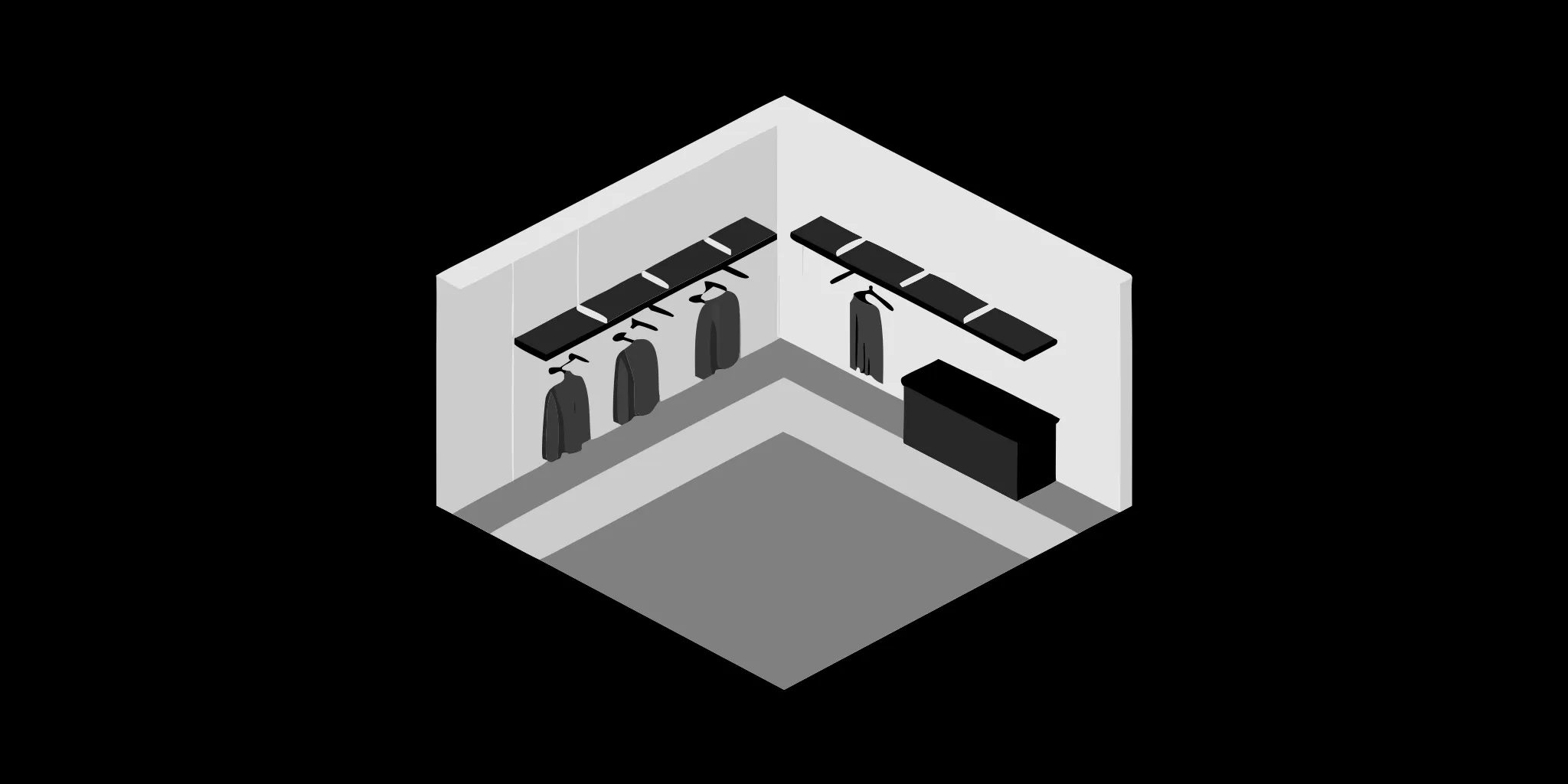


You’ve seen them in fashion boutiques, hardware stores, and even pop-up shops. They are the simple, sturdy panels known as wire grid display pop fixtures, and their popularity is no accident. For retailers needing a practical, affordable, and incredibly versatile retail gridwall display solution, they are often the perfect answer. But there’s more to this system than just hanging items on a grid. With the right gridwall merchandising ideas and custom gridwall hook solutions, you can transform these basic panels into powerful tools that guide customer attention and drive sales. This guide shows you how to do it.
If you’ve ever walked into a retail store, you’ve almost certainly seen gridwall displays. Think of them as the ultimate workhorse of store fixtures. They are sturdy wire panels, typically arranged in a square grid pattern, that can be mounted to walls or used to create freestanding displays. Their simple design makes them an incredibly popular and affordable way to showcase a huge variety of products, from clothing and accessories to hardware and electronics.
What makes gridwall so appealing is its straightforward, modular nature. You can start with a few panels and build out your displays as your needs change. This adaptability makes it a go-to solution for both pop-up shops and national retail chains planning large-scale rollouts.
At its core, a gridwall panel is a simple but strong metal grid. It usually features a repeating square pattern, most often 3 inches by 3 inches, which is the secret to its versatility. This consistent design creates the perfect anchor point for a whole ecosystem of accessories, from hooks and shelves to baskets and sign holders. Because they are so lightweight yet durable, they are easy to ship and install, which is a huge plus for retailers managing multiple locations or planning a large-scale rollout. It’s this blend of simplicity and strength that makes them a foundational element in so many successful retail environments.
A well-executed gridwall display does more than just hold products; it tells a story and guides the customer’s journey through your store. The key is to move beyond simply hanging items on a wire grid. With a bit of creativity, you can transform a standard panel into an eye-catching feature that makes your merchandise look its absolute best. By strategically arranging products and using the right accessories, you can create visual interest, highlight key items, and encourage customers to engage with your products. The most successful retail environments use fixtures like gridwall to create a seamless and appealing shopping experience.
One of the smartest ways to use gridwall is by creating what are known as Power Panels or Side Wings. These are essentially gridwall panels attached to the sides of larger fixtures, like gondolas or endcaps, turning previously unused space into a valuable merchandising opportunity. This is a perfect spot for promoting impulse buys or cross-merchandising related products. Because gridwall is so strong and modular, it’s ideal for this purpose. You can easily add hooks or small baskets to display complementary items—think phone chargers next to new phones or specialty sauces next to pasta. Ensuring these panels integrate seamlessly with your existing fixtures is key to a professional look, which is where expert design and engineering can make all the difference in a large-scale rollout.
The real magic of gridwall lies in its accessories. The grid pattern serves as a blank canvas, allowing you to build almost any configuration you can imagine. Part of creating effective custom fixture programs is choosing the right components for your products. You can use simple hooks for hanging packaged goods, face-outs and waterfalls for displaying apparel, and baskets for holding smaller, loose items. Shelves can be added to display folded clothing, shoes, or home goods. This incredible versatility means you can easily reconfigure your displays for seasonal changes or new product launches without investing in an entirely new system.
One of the best things about gridwall is that it’s not a one-size-fits-all solution. The panels come in various sizes, materials, and finishes, giving you the freedom to create a display that perfectly suits your space and products. Understanding these options is the first step toward building a functional and visually appealing retail environment. Whether you're planning a complete store rollout or a seasonal feature, choosing the right panel type is key. We help clients find the ideal fixture solutions through our comprehensive range of services.
Gridwall panels are designed to fit a wide range of retail spaces. You can find them in standard square sizes, like 4-by-4 feet, which work well for creating large feature walls. There are also rectangular options, from tall 2-by-8-foot panels for columns to shorter 1-by-5-foot panels for specific product groupings. This variety means you can easily find the right dimensions to maximize your wall space or build freestanding displays without needing a fully custom solution, saving time and money on your next rollout.
Built from heavy-duty steel wire, gridwall panels are made to last. The sturdy construction ensures they can handle the weight of your merchandise without bending or warping. Most panels come in classic black, white, or chrome finishes. The black and white options typically feature a durable, chip-resistant coating that keeps them looking clean and professional in high-traffic areas. This focus on quality materials means your investment will continue to pay off, maintaining your store’s sharp aesthetic.
While standard gridwall is a fantastic all-rounder, sometimes your space or product line calls for a more specialized solution. This is where variations like slatgrid and mini grids come into play. Think of slatgrid as a hybrid system that offers the clean, horizontal aesthetic of slatwall with the strength and accessory compatibility of gridwall—truly the best of both worlds. On the other hand, mini grids are smaller, portable panels perfect for countertops, endcaps, or creating unique focal points within a larger display. Their compact size makes them ideal for showcasing smaller items like jewelry or electronics. Knowing which variation to use is a key part of the design and prototyping process, ensuring every part of your store is optimized to sell your products effectively.
Gridwall offers incredible flexibility. You can mount panels directly to your walls for a seamless, built-in look that saves floor space. Alternatively, you can attach bases to create freestanding displays that can be placed anywhere in your store. These mobile units are perfect for creating aisles, directing customer flow, or building eye-catching centerpieces. This adaptability allows you to create dynamic displays that can be easily changed to keep your merchandising fresh and engaging for shoppers.
Proper installation is what makes a wall-mounted grid display both safe and visually effective. Before you start, gather your essential tools: a power drill, a tape measure, and a level are non-negotiable for getting the job done right. Take a moment to plan your layout, measuring the wall space to ensure every panel will be perfectly aligned. When you’re ready to mount, don’t cut corners on safety. Use a minimum of four wall mount brackets for each gridwall panel to anchor it securely to the wall. For retailers planning a large-scale rollout, maintaining this precision across every location is critical, which is where expert project management ensures a flawless and consistent execution.
When you’re outfitting a retail space, every fixture choice matters. You need solutions that are practical, fit your budget, and showcase your products effectively. Gridwall displays consistently check all these boxes, making them a go-to choice for retailers across industries. Their popularity comes down to a powerful combination of flexibility, affordability, and ease of use. For businesses planning a multi-store rollout or refreshing a single location, understanding these core benefits is key to creating a successful retail environment.
One of the biggest draws of gridwall is its incredible versatility. These simple wire panels can display almost any type of product, from apparel and accessories to hardware and home goods. You can mount them on a wall to save floor space or connect panels to create freestanding towers, cubes, and gondolas. This modular design means you can build a display for small accessories or create an entire wall for hanging garments. This adaptability makes gridwall perfect for seasonal promotions or for stores that frequently rotate inventory, letting you create fresh layouts without investing in new fixtures.
While gridwall is a staple on the sales floor, its usefulness doesn't stop there. The same qualities that make it a retail favorite—affordability, durability, and a modular design—also make it a fantastic solution for other commercial needs. Think about trade show booths, where you need a lightweight, easy-to-assemble display that can be reconfigured on the fly. Or consider using it for back-of-house organization in a stockroom to keep inventory visible and accessible. This versatility is why gridwall is a key component in many custom fixture programs, working just as well for temporary events as it does for permanent store setups.
For retailers managing tight budgets, especially across multiple locations, gridwall is an exceptionally cost-effective solution. The panels are inexpensive, allowing you to outfit an entire store for a fraction of the cost of custom millwork. This low initial investment frees up capital for other essentials like inventory and marketing. The savings continue over time, as the wide variety of affordable hooks, shelves, and baskets lets you merchandise new products without breaking the bank. It’s a smart, scalable system that delivers a professional look while helping you manage your bottom line.
The affordability of gridwall isn't just about the raw materials; it's baked into how these panels are made and shipped. Gridwall is produced using special automated welding machines, a process that ensures both precision and low production costs. These savings are passed directly on to you. But the cost-effectiveness doesn't stop at the factory. The panels are designed to be sturdy yet lightweight, which significantly cuts down on shipping expenses. For retailers managing rollouts across dozens or even hundreds of locations, these reduced freight costs add up to major savings. Efficient logistics and distribution are critical for large-scale projects, and choosing fixtures that are easy and inexpensive to transport makes the entire process smoother and more budget-friendly.
Time is money in retail, and gridwall systems are designed for quick setup. The panels are lightweight and can be installed with basic hardware, so your team can often handle assembly without a specialized crew. This simplicity extends to reconfiguring your displays. Need to make room for a new product line or change your store’s traffic flow? Gridwall panels and accessories can be moved and rearranged in minutes. A partner with strong project management can help you plan an initial rollout that maximizes impact while ensuring your team can easily make adjustments later.
If you're launching a pop-up shop or a seasonal display, you need fixtures that are easy to transport, set up, and take down. Gridwall is perfect for this. Its lightweight design and simple assembly mean you can create a professional-looking store in hours, not days. The low cost is also a huge plus for short-term ventures, as it keeps your initial investment down. You can build impressive, dynamic displays without the commitment or expense of permanent millwork. Because the panels are modular, you can start with a small setup for a pop-up and easily expand it later if you decide to grow, making it a smart choice for testing new markets or concepts.
Choosing the right display system is a big decision, and it often comes down to comparing a few popular options. Gridwall is frequently measured against two other retail workhorses: slatwall and pegboard. While all three are designed to be versatile, they have distinct differences in cost, appearance, and functionality. Understanding these nuances will help you select the best fixture to showcase your products and align with your store's budget and brand identity. Let's break down how gridwall stacks up against the competition.
When you compare gridwall and slatwall, the most immediate difference is often the price. Gridwall panels are typically a more budget-friendly choice, which is a major advantage for retailers managing costs for a large rollout or a new store build-out. This affordability doesn't mean you sacrifice utility; in fact, gridwall’s open wire design offers incredible versatility for hanging all kinds of merchandise. Slatwall provides a more solid, seamless look with its horizontal grooves, which can be perfect for a high-end aesthetic. However, for pure flexibility and cost-effectiveness, gridwall is a powerful contender that allows you to create a successful retail environment without stretching your budget.
When it comes to holding heavier merchandise, gridwall is a real powerhouse. Its strength comes from its simple yet effective construction: heavy-duty steel wire welded at each intersection. This creates a sturdy frame that resists bending and warping, even when loaded with items like denim, outerwear, or tools. While slatwall’s weight capacity can depend heavily on the material it’s made from and whether it includes metal inserts, gridwall’s durability is built right in. This robust nature is a key consideration in the design and engineering of any successful fixture program, ensuring your displays are both safe and reliable for the long haul.
Gridwall is also frequently compared to pegboard, another classic fixture. The key advantage of gridwall here is its modern, clean aesthetic. The wire grid creates an open, airy feel that can make a space feel larger and less cluttered than a solid pegboard panel. This visual appeal makes it easier to create an attention-grabbing display that draws customers in. While pegboard is functional, its look can sometimes feel dated or industrial. Gridwall’s simple, geometric pattern provides a contemporary backdrop that works well in a wide range of settings, from fashion boutiques to specialty shops, giving you a flexible canvas for your merchandising vision.
When it comes to durability, gridwall has a clear advantage. It’s constructed from heavy-duty steel wire, making it significantly stronger than standard pegboard, which is often made from pressed wood or fiberboard. This means gridwall can confidently support heavier merchandise like tools, stacks of jeans, or home goods without bowing or warping over time. This inherent strength also contributes to its flexibility; you can hang a wide variety of products without worrying about the fixture’s integrity. The combination of a robust frame and versatile accessories makes it a reliable foundation for any merchandising strategy, something we prioritize in our design and engineering process to ensure fixtures perform well in demanding retail environments.
A gridwall panel is a blank canvas. Its true potential comes to life when you add the right accessories. The difference between a standard product wall and an attention-grabbing display often comes down to the hooks, shelves, and other components you choose. By selecting the right mix of accessories, you can transform a simple grid into a powerful merchandising tool that organizes products, tells a story, and guides your customers through their shopping experience. These additions are what make gridwall one of the most adaptable systems available for retail environments.
Hooks and hangers are the workhorses of any gridwall display. They are essential for hanging everything from apparel to packaged goods. You can use single-prong hooks for small items, or you can opt for more specialized hangers like face-outs and waterfalls to display clothing. Face-outs present the front of a garment to the customer, while waterfalls cascade items downward, showing off multiple colors or sizes in a single, organized line. For a clean and effective presentation, try arranging your hooks in neat rows or columns instead of scattering them randomly. This creates a more polished look and makes it easier for customers to browse your products.
To add depth and hold items that can't be hung, shelves and baskets are your best friends. Wire or acrylic shelves are perfect for folded apparel, shoes, and boxed goods, while baskets are great for containing smaller, loose items like accessories or promotional products. You can use shelves to create strong visual lines across your display, often spanning two or more panels to feature a complete product collection. Baskets, on the other hand, work well for impulse buys and can be placed at various heights to add interest. These custom fixture programs allow you to organize merchandise in a way that is both practical and visually appealing.
For a truly modern and clean look, consider clear plastic or acrylic shelves. Unlike wire shelves, which can sometimes create visual clutter, clear shelves seem to float, putting the focus squarely on your products. This is especially effective for displaying items like cosmetics, jewelry, or electronics, where you want an unobstructed view from every angle. The transparent material allows light to pass through, brightening up your entire display and preventing shadows from being cast on the products below. Choosing the right materials is a key step in creating a fixture that works, and clear shelving is a fantastic option to consider during the design process to make your merchandise the star of the show.
Beyond the basics, specialty components help you tailor your gridwall system to your brand and products. For instance, adding branded signage directly onto the grid gives your display a cohesive, professional feel that reinforces your brand identity. You can also get creative with the panels themselves by connecting four of them to build a freestanding cube, perfect for a central display of accessories or seasonal items. Incorporating these custom design elements allows you to move beyond a simple wall fixture and create unique, eye-catching configurations that make your merchandise stand out.
While the standard black, white, or chrome gridwall is incredibly functional, you can create a more distinctive look by mixing in other materials. Think of the wire grid as a versatile frame. You can add wooden shelves to bring warmth and a natural element to your display, which works perfectly for rustic or eco-conscious brands. For a sleek, modern aesthetic, clear acrylic shelves or sign holders can make your products appear to float. You can even place custom-printed graphic panels behind the grid to add a pop of color, lifestyle imagery, or your brand’s logo. This approach transforms a standard fixture into a unique merchandising statement. Getting these details right is a key part of the design and prototyping process, ensuring your displays perfectly capture your brand’s personality.
When you’re deciding on fixtures, it helps to know what works for other retailers. The most popular gridwall options have earned their reputation for a reason: they offer a fantastic blend of durability, flexibility, and visual appeal that suits a wide range of products and store layouts. Retailers often lean toward specific sizes and finishes that have proven to be effective time and time again.
Understanding these top choices can give you a great starting point for your own store. Whether you’re outfitting a small boutique or planning a multi-store rollout, these tried-and-true configurations provide a reliable foundation. From there, you can customize with accessories and creative merchandising to build a display that truly reflects your brand. S-CUBE offers a full range of services to help you plan and execute the perfect fixture program for your needs.
You’ll find that gridwall panels come in several standard sizes, but a few are perennial favorites. Rectangular panels, especially those measuring 2 feet by 6 feet or 2 feet by 8 feet, are incredibly popular for wall-mounted displays because they make excellent use of vertical space. For freestanding units, square 4-foot by 4-foot panels are a common choice, often used back-to-back to create four-sided towers.
The beauty of these standard sizes is their modular nature. You can easily combine different panels to create a custom configuration that fits your exact floor plan. This allows you to build dynamic, interesting displays without needing a completely custom-built fixture, giving you a high-end look on a practical budget.
At its core, gridwall is popular because it’s an affordable and highly effective way to showcase products. Its simple installation and adaptability are major draws for busy retailers. You can completely refresh a display for a new season or promotion in a matter of minutes, keeping your sales floor looking current and exciting for repeat customers. This flexibility is key to highlighting new arrivals and creating visual interest.
Beyond its practicality, a well-executed gridwall display does more than just hold merchandise. It tells your brand’s story, guides the customer’s eye, and presents products in the best possible light. By strategically arranging items, you can create a powerful visual narrative that encourages browsing and ultimately helps increase sales. You can see examples of effective displays in our work with other retailers.
Gridwall is incredibly flexible, but that same flexibility can sometimes lead to merchandising missteps. A few common errors can turn a clean, effective display into a cluttered or overlooked part of your store, undermining your sales goals. The good news is that these mistakes are easy to fix. By paying attention to how you set up, merchandise, and place your gridwall displays, you can ensure they work hard for your products and your brand.
Think of your gridwall as a canvas. How you arrange your products tells a story and guides the customer's eye. A messy or poorly planned display can create confusion and cause shoppers to walk right by. On the other hand, a thoughtful, well-executed display invites interaction and makes your products look their best. It’s about more than just hanging items on a grid; it’s about creating a visual experience that aligns with your brand and encourages purchases. Getting these details right is a key part of a successful custom fixture program, ensuring every component of your store works together seamlessly.
It’s tempting to fill every inch of a gridwall panel. After all, you want to maximize your display space, right? But cramming too many items onto a grid is one of the most common merchandising mistakes. An overloaded panel creates visual chaos, making it difficult for customers to focus on any single product. Instead of looking abundant, the display can feel cluttered and cheap, devaluing your merchandise. A great display gives products breathing room and tells a story by guiding the shopper’s eye to key items. By curating your assortment and leaving some empty space, you create a more appealing, shoppable experience that makes your products look more desirable.
While gridwall is tough, it’s designed for indoor environments. Taking your standard chrome or black panels outside for a permanent display is a recipe for rust and wear. Exposure to rain, humidity, and direct sunlight will quickly degrade the finish, leading to a worn, unprofessional look that can even stain your merchandise. If you need to use gridwall for a temporary outdoor event, like a sidewalk sale, look for panels with high-quality, powder-coated finishes, as they offer better protection against the elements. Ensuring you have the right fixtures with durable finishes for the right environment is crucial for maintaining your store’s appearance and protecting your investment.
The most common mistake is simply overcrowding the display. While it’s tempting to show off as much as possible, a cluttered gridwall overwhelms customers and makes products feel less valuable. Give your items room to breathe. Another issue is using mismatched accessories, which creates a chaotic look. Stick to a consistent theme with your hooks, shelves, and signage for a polished presentation. Finally, remember the retail rule: "eye level is buy level." Place your most important or high-margin products directly in your customers' line of sight to grab their attention and drive sales. A well-organized display makes browsing easy and enjoyable for shoppers.
Even the best-merchandised gridwall won't perform well if it's hidden in a dark corner. Your displays need to be placed in high-traffic areas where customers will naturally see them. Think about the main pathways through your store and position your gridwall to catch the eye. Lighting is just as crucial. Poor lighting can make colors look dull and products unappealing. You don't need a complex setup; even simple, well-aimed spotlights can make your merchandise pop and draw customers in. Proper placement and lighting are fundamental parts of effective retail design and engineering that can dramatically impact your display's success.
Gridwall is widely recognized as one of the most budget-friendly fixture options available, making it a smart choice for retailers managing costs across multiple locations. While the initial investment is relatively low, the final price tag for your gridwall system will depend on a few key variables. The size of the panels, the type of finish you select, and the overall quality of the materials all play a role in determining your total cost. For businesses planning a multi-store rollout, these seemingly small differences can add up quickly, making it essential to understand the cost structure from the start.
Understanding these factors will help you accurately budget for your next store refresh or a complete chain-wide update. Whether you need a handful of panels for a seasonal promotion or are outfitting hundreds of locations, knowing what drives the price ensures you get the best value without compromising on quality or brand consistency. A well-planned gridwall system is more than just a display; it's a strategic investment in your store's functionality and visual appeal. Let’s break down the main components that influence gridwall pricing so you can make an informed decision for your retail environment.
The two most direct factors that affect the price of a gridwall panel are its dimensions and its finish. Panels come in a range of standard sizes, from smaller 1’ x 5’ units to large 4’ x 4’ squares, and the price naturally increases with the amount of material used. The finish also plays a significant role. Standard colors like black and white are typically the most affordable options. A chrome finish, which offers a more polished, high-end look, usually costs a bit more per panel. When planning your custom fixture program, consider how the finish aligns with your brand aesthetic and how that choice will scale across your budget for a large-scale implementation.
Beyond the basics of size and finish, the construction quality is a crucial factor in the cost and long-term value of your gridwall. Higher-quality panels are made with thicker, more robust wires that can handle heavier merchandise without bending or warping. This durability is essential for creating a reliable and safe shopping environment. Additionally, the level of customization will influence the price. While standard finishes are readily available, you might require a specific color to match your brand identity. Working with a partner on a custom solution ensures you get the exact look you need. This is where expert design and engineering become invaluable, helping you balance your vision with your budget for a result that is both beautiful and practical.
While gridwall is celebrated for its affordability, the total cost depends on the specific components you choose. The panels themselves are priced based on their size and finish, with standard black and white options being the most budget-friendly, while a polished chrome finish typically costs a bit more. Accessories like hooks, shelves, and baskets are priced individually, so it’s important to factor them into your overall budget. It can be tempting to choose the least expensive options, but investing in higher-quality, thicker-gauge wire panels ensures your displays can safely support heavier merchandise and withstand daily wear and tear. Careful planning helps balance cost and quality, a process where strong project management becomes essential for large-scale rollouts.
Once you’ve decided that gridwall is the right choice for your store, the next step is finding a supplier. This decision is just as important as choosing the fixtures themselves. The right supplier does more than just sell you panels and hooks; they act as a partner who can help you execute your vision flawlessly, especially when you’re managing a rollout across multiple locations. A great partner ensures you get high-quality products on time and on budget, helping you create a consistent and compelling experience for your customers in every store.
Gridwall panels are a retail staple, so you can find them from many different sources, including online distributors and local fixture suppliers. Because they are so affordable and easy to use, they’re a go-to for everyone from small pop-ups to large national chains. For a single store with basic needs, a standard supplier might be all you need. However, if you’re planning a multi-store rollout or require a specific finish or configuration, it’s best to work with a partner who has deep manufacturing capabilities. This ensures every fixture is consistent and meets your quality standards, protecting your brand’s image across all locations.
A great supplier acts as an extension of your team. They understand that a well-executed gridwall display does more than just hold products; it tells a story and guides the customer’s journey. Look for a partner who offers creative input and technical expertise. Can they help with design and prototyping to turn your ideas into functional, eye-catching displays? For retailers managing multiple stores, logistics are crucial. Your partner should provide excellent project management, handling everything from production timelines to distribution. This level of support frees you up to focus on your business, confident that your fixtures will arrive correctly and on schedule.
Selecting the right gridwall system goes beyond just picking out panels and hooks. It’s about making a strategic choice that supports your products, reinforces your brand, and creates a seamless shopping experience for your customers. The best gridwall displays feel like a natural extension of your store, guiding shoppers' attention and making your merchandise the star of the show. When chosen thoughtfully, your gridwall setup can do more than just hold inventory; it can actively help you sell it by presenting products in an organized, attractive way.
Think of your gridwall as a canvas. How you use it can either create a masterpiece of merchandising or a cluttered mess that turns customers away. The goal is to build a display that is not only functional but also visually appealing and easy for shoppers to interact with. This means considering everything from the size and finish of the panels to the types of accessories you use and how they fit into your overall store layout. A well-planned system can transform a blank wall into a dynamic, revenue-generating focal point. By taking the time to plan your approach, you can create a flexible and effective display solution that grows with your business and highlights your successful retail environments.
Before you buy a single panel, take a step back and evaluate your specific needs. What products will you be displaying? Gridwall is incredibly versatile, working just as well for clothing and accessories as it does for tools and packaged goods. The weight, size, and shape of your merchandise will determine the types of hooks, shelves, and baskets you need. Next, measure your retail space carefully. Consider not only the wall dimensions but also how the displays will affect customer flow. The biggest mistake retailers make is overcrowding their gridwall. While it’s tempting to display as much as possible, this can overwhelm shoppers. Leave some breathing room to let your products shine and create a more pleasant shopping experience.
Your fixtures should be a reflection of your brand. A well-executed gridwall display does more than just hold products; it tells a story and makes your merchandise look its absolute best. Choose a finish that complements your store’s overall design. Chrome offers a classic, polished look, while black or white can create a more modern or minimalist feel. Consistency is key. Mismatched displays can create a chaotic look that confuses customers, so stick to a cohesive theme. Use visual hierarchy and negative space to create clean, compelling arrangements that guide the customer's eye. Our design and engineering team can help you create a custom solution that aligns perfectly with your brand identity.
Is gridwall strong enough to hold heavier items? Absolutely. Gridwall panels are typically made from heavy-duty steel wire designed to be both lightweight and incredibly durable. The key to displaying heavier merchandise, like denim or outerwear, is to use high-quality panels and the correct accessories. It's also important to ensure the system is installed properly, whether it's securely mounted to the wall or built with a sturdy freestanding base.
How do I choose between gridwall and slatwall for my store? The decision often comes down to your budget and brand aesthetic. Gridwall is generally the more cost-effective option, offering a modern, open look that works well in many environments. Slatwall provides a more solid, seamless appearance that can feel more high-end, but it typically comes with a higher price tag. If you prioritize flexibility and affordability, gridwall is an excellent choice.
Can I get gridwall in a custom color to match my brand? Yes, custom colors are often an option, especially when you're planning a larger rollout. While the standard finishes are black, white, and chrome, working with a fixture partner allows you to explore custom powder-coating to match your brand's specific color palette. This is a great way to create a cohesive and unique look across all of your locations.
What's the most common mistake retailers make when using gridwall? The biggest and most frequent mistake is overcrowding the panels. It’s easy to think you should fill every available space, but this creates a cluttered look that overwhelms customers and can make your products seem less valuable. The best gridwall displays use negative space strategically, giving each item room to breathe and allowing the customer’s eye to focus.
Why should I work with a full-service partner for a large gridwall rollout? For a multi-store rollout, a partner does much more than just supply the panels. They manage the entire process, from design and prototyping to manufacturing and logistics. This ensures every store receives the correct fixtures on time and that the quality is consistent across all locations. It saves you the headache of coordinating complex shipments and allows you to focus on running your business.
Subscribe for expert insights on fixture design, materials, and modern retail environments.