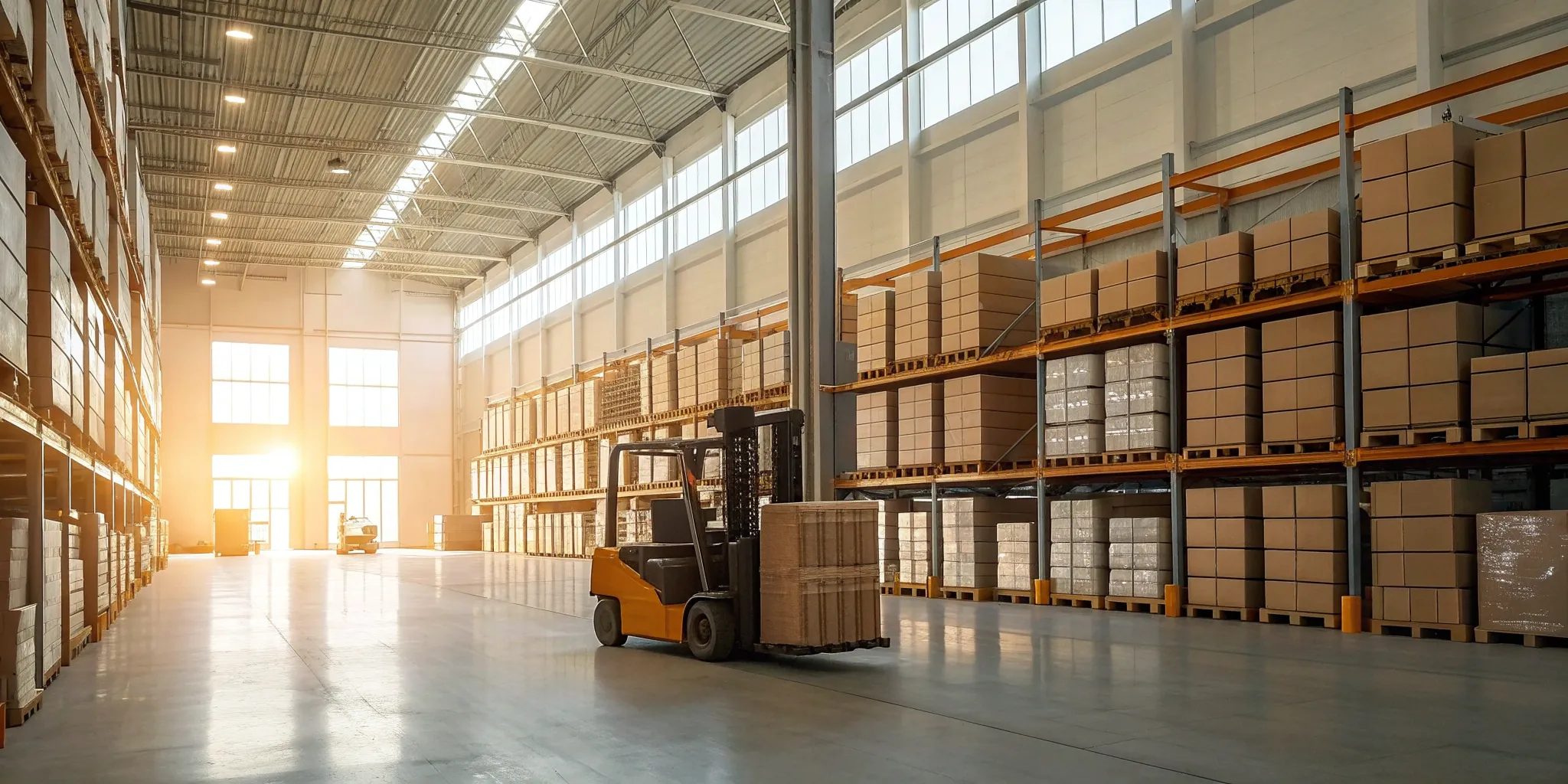


The costs of managing your own logistics are often much higher than what you see on a balance sheet. Beyond the obvious expenses of warehouse leases and employee salaries, there’s the hidden cost of your team’s time and focus being pulled away from revenue-generating activities. Partnering with a provider of 3PL services allows you to convert these significant fixed overheads into a variable expense that scales directly with your business needs. This isn't just about saving money; it's about unlocking operational efficiency, freeing up capital, and gaining a competitive edge by ensuring your store rollouts are executed flawlessly every time.
Think of a 3PL, or Third-Party Logistics provider, as a specialized partner that handles the storage and movement of your products. For retailers managing custom fixtures and point-of-purchase displays, a 3PL takes on the complex work of warehousing, inventory management, and shipping. Instead of building your own logistics infrastructure from the ground up—which involves leasing warehouses, hiring staff, and buying equipment—you can rely on an expert who already has everything in place.
This partnership allows you to offload the operational side of your supply chain. A 3PL acts as the command center for your fixtures, ensuring they are stored safely, tracked accurately, and delivered to your retail locations on time and in perfect condition. It’s a practical solution for businesses planning multi-store rollouts or needing a more efficient way to manage their physical assets.
The process is straightforward and designed for efficiency. It starts when your fixtures or displays arrive at the 3PL’s warehouse. The team receives the shipment, inspects each item for quality, and logs everything into a Warehouse Management System (WMS). This software keeps a real-time record of your inventory.
Your products are then stored securely in designated locations within the facility. When you need to ship fixtures to a new or existing store, you send the order to your 3PL. Their team then "picks" the correct items, packs them for safe transit, and coordinates the shipment. This system ensures that the right components get to the right store exactly when they’re needed for installation.
At its core, the role of a 3PL is to make your operations smoother and more scalable. By handing over the complexities of logistics, you free up your team to focus on core business activities like marketing, sales, and customer experience. A 3PL provides the expertise and resources needed to execute flawless fixture rollouts without the massive upfront investment in infrastructure.
They become a strategic partner in your success, helping you meet tight deadlines and manage costs effectively. With comprehensive logistics and distribution services, a 3PL provider gives you the flexibility to grow your retail footprint while maintaining consistency and quality across all your locations.
Think of a third-party logistics (3PL) provider as your operational partner. They handle the complex, time-consuming parts of your supply chain so you can focus on growing your business. While the term is common in e-commerce, these services are crucial for any company that needs to store and move physical goods—including national retailers managing multi-store rollouts. A good 3PL doesn’t just ship boxes; they offer a full suite of services that covers your inventory’s entire journey.
From the moment your custom fixtures leave the factory to their final installation in a new store, a 3PL can manage every step. They provide the space, technology, and expertise to run your logistics smoothly and efficiently. This partnership allows you to scale your operations without investing in your own warehouses or transportation fleet. The core idea is to outsource the heavy lifting to experts who do it every day. Let’s look at the specific logistics services that a 3PL can take off your plate.
At its most basic, a 3PL gives you a place to store your inventory. But it’s more than just renting space in a building. 3PLs offer professional warehousing designed for security and efficiency. For retailers, this means your valuable store fixtures, displays, and signage are kept safe and organized until they’re needed for a new store opening or remodel. Instead of cluttering your own facilities or renting expensive short-term storage, you can rely on a dedicated space managed by professionals. This also gives you the flexibility to use a network of warehouses, placing your inventory in strategic locations closer to your stores for faster deployment.
Knowing what you have and where it is can be a huge challenge, especially when you’re dealing with thousands of components for dozens of locations. This is where a 3PL’s inventory management expertise comes in. They use sophisticated software to track every single item in real time. You get a clear view of your stock levels, which helps prevent shortages and ensures that every store receives the correct package of fixtures. This level of control is critical for executing flawless, on-time store rollouts and avoiding costly delays caused by missing parts. It turns a potential logistical nightmare into a streamlined, visible process.
Order fulfillment is the process of getting your goods from the warehouse shelf into the hands of the end user. For an e-commerce brand, that means picking, packing, and shipping a customer’s order. For a national retailer, it means assembling a precise kit of fixtures, displays, and hardware for a specific store location and shipping it out. 3PLs are experts at this. They have refined processes to ensure accuracy and speed, whether they’re shipping a single box or a full truckload. They handle all the details, from creating shipping labels to coordinating with carriers, making sure everything arrives safely and on schedule.
Moving inventory from point A to point B is more complicated than it sounds, especially for large-scale projects. A 3PL manages all aspects of transportation and distribution, from coordinating freight shipments to optimizing delivery routes. They leverage their relationships with a wide network of carriers to find the most cost-effective and reliable options for your needs, whether it’s a less-than-truckload (LTL) shipment for a small update or a dedicated truck for a full store setup. This service takes the burden of logistics planning off your team and ensures your fixtures are transported efficiently across the country.
Sometimes, things need to come back. This process, often called reverse logistics, is another key service offered by 3PLs. For retailers, this might not be a typical customer return. Instead, it could involve managing leftover fixtures after a rollout is complete, handling components that were damaged in transit, or consolidating old displays from a remodeled store for disposal or refurbishment. A 3PL can process these items, inspect them for quality, and decide whether to return them to inventory or handle them according to your instructions. This closes the loop on your supply chain, providing a clean and organized way to manage assets that are coming back from the field.
Partnering with a third-party logistics provider isn't just about outsourcing tasks; it's a strategic move that can directly impact your bottom line and operational efficiency. For retailers managing multi-location rollouts, the right 3PL partner can transform a complex, capital-intensive process into a streamlined and predictable part of your growth strategy. By handing over the complexities of warehousing, transportation, and inventory management, you free up your team to focus on what they do best: creating exceptional customer experiences and growing your brand. Let's look at the specific ways a 3PL can support your business.
One of the most immediate benefits of working with a 3PL is the significant cost savings. By partnering with a 3PL, you don't have to pay for your own warehouse, equipment, or staff. This means you can avoid the massive capital expenditures and ongoing operational costs associated with managing your own logistics infrastructure. Instead of investing in buildings, forklifts, and a dedicated logistics team, you can allocate those resources toward core business activities like marketing or product development. A 3PL’s inventory control and warehouse management services allow you to leverage their existing infrastructure, turning a fixed overhead cost into a variable expense that aligns with your current needs.
Unless you’re a shipping company, logistics probably isn't your core competency. 3PLs are experts in this field. They understand the most efficient ways to get your fixtures and displays to their destinations on time and in perfect condition. They leverage advanced technology and deep industry knowledge to manage complex supply chains, which is invaluable when coordinating rollouts across dozens or hundreds of stores. A dedicated partner handles all the details of logistics and transportation, from carrier negotiations to route optimization, ensuring your project stays on schedule and within budget. This allows you to benefit from their expertise without needing to build it in-house.
Growth is exciting, but it can also strain your internal resources. As your business expands, a 3PL can easily handle more volume without you needing to invest in new buildings or equipment. This flexibility allows for seamless scaling. Whether you're opening ten new locations this quarter or planning a nationwide remodel next year, a 3PL can adjust its services to match your pace. This means you can pursue ambitious growth plans with confidence, knowing your logistics partner has the capacity and comprehensive services to support you every step of the way. You get the power of a large-scale logistics operation without the long-term commitment or financial risk.
Knowing where your fixtures are and when they will arrive is critical for a successful store opening or remodel. Limited visibility in older systems often leaves brands in the dark about order statuses and inventory levels. A modern 3PL provides real-time tracking capabilities, which gives you much-needed transparency and control over your assets. This visibility is a key component of effective project management, allowing your teams to coordinate installation schedules with precision and prevent costly delays. With clear insight into your supply chain, you can proactively address potential issues and keep all stakeholders informed from the warehouse to the store floor.
Not all 3PLs are created equal. Finding the right partner means understanding the different models they operate under. Think of it like building a team—you want to pick the player whose skills best match the position you need to fill. The right 3PL for a small local boutique will be very different from the one needed for a national retail rollout. Knowing the landscape helps you narrow down your options and ask the right questions from the start. The main distinctions come down to who owns the equipment, the scope of their services, and how far their network reaches.
One of the first things to understand is whether a 3PL provider is asset-based or non-asset-based. Asset-based 3PLs own their own warehouses, trucks, and other physical equipment. This gives them direct control over their operations and can sometimes lead to more consistent pricing and service. They manage their own fleet and facilities, so you’re dealing directly with the company handling your goods.
On the other hand, non-asset-based 3PLs function more like brokers. They don’t own the physical assets but instead leverage a vast network of partners to provide logistics services. This model offers incredible flexibility, as they can find the best carrier or warehouse for a specific job without being tied to their own inventory of assets. For a retailer, this can mean more options and the ability to adapt quickly to changing needs.
Next, consider whether you need a specialist or a generalist. Specialized 3PLs concentrate on a particular industry or service. For example, some focus exclusively on cold chain logistics for perishable items, while others might be experts in handling oversized freight or managing retail fixture rollouts. Working with a specialist means you get deep industry knowledge and processes tailored to your specific needs.
A full-service 3PL offers a wide range of comprehensive services, from warehousing and transportation to order fulfillment and returns management. They are the one-stop-shop solution for businesses that want to outsource their entire logistics operation to a single partner. This is often a great choice for retailers looking to simplify their supply chain and work with one provider who can handle it all.
Finally, think about the geographic scope you need. Regional 3PLs operate within a specific area, like the West Coast or the Southeast. Their strength lies in their deep understanding of the local market, which can lead to faster, more responsive service within that zone. They know the regional routes, regulations, and distribution centers inside and out.
National 3PLs, as the name suggests, have a much broader reach. They operate facilities and transportation networks across the country, making them ideal for businesses with a national footprint or those planning to scale. If you’re managing a chain with dozens or hundreds of locations, a partner with domestic manufacturing and distribution capabilities is essential for ensuring consistent and timely delivery to all your stores.
Choosing a third-party logistics provider is a major business decision. You’re not just outsourcing tasks; you’re trusting a partner with your inventory and, ultimately, your customer experience. The right 3PL can help you scale efficiently and delight your customers with fast, reliable shipping. The wrong one, however, can create logistical headaches and damage your brand’s reputation.
To find a partner that truly fits your business, you need to look beyond the price tag. A thorough evaluation process should focus on four key areas: industry experience, technology, warehouse locations, and customer support. By carefully assessing potential providers on these fronts, you can build a partnership that supports your growth and strengthens your operations. Just as S-CUBE manages the complex logistics and distribution of retail fixtures, your 3PL should expertly handle the journey of your products from warehouse to customer.
Does the 3PL have a proven track record with products like yours? A provider that specializes in apparel will understand the nuances of handling clothing, while one focused on electronics will have processes for fragile, high-value items. Look for case studies or client testimonials on their website, and don't be shy about asking for references from businesses in your industry. A provider with deep experience in your specific market can offer valuable insights that go beyond basic storage and shipping, helping you avoid common pitfalls. Their reputation directly reflects on you, so do your homework to ensure they’re a partner you can trust.
In modern retail, technology is the backbone of logistics. Your 3PL’s software must integrate smoothly with your existing systems, especially your ecommerce platform and inventory management software. A key question to ask is whether their systems can connect easily with your online store to automate order processing. A seamless integration reduces manual data entry, minimizes errors, and gives you real-time visibility into your inventory levels and order statuses. Ask for a demo of their platform and confirm they can support the integrations you need. This technological connection is crucial for maintaining an efficient supply chain and providing a consistent customer experience.
Where your inventory is stored has a huge impact on shipping times and costs. If you serve a national customer base, a 3PL with multiple fulfillment centers is a game-changer. By distributing your inventory across several strategically located warehouses, you can place your products closer to your end customers. This simple change reduces the distance packages have to travel, which translates directly into faster delivery times and lower shipping fees for both you and your shoppers. Before you decide, analyze your order data to identify key customer hubs and find a 3PL that can help you serve those areas effectively.
When an order issue arises—and it will—you need a 3PL partner you can count on. Before signing a contract, get a clear understanding of their customer support structure. Will you have a dedicated account manager who understands your business, or will you be routed through a generic call center? Strong communication is essential for a successful partnership. Ask how they handle problems, what their response times are, and how they provide updates on order status or inventory issues. A provider that communicates clearly and proactively will feel like a true extension of your team, helping you solve problems before they affect your customers.
Partnering with a 3PL can be a game-changer for your retail business, but it's not without its potential hurdles. Handing over a significant part of your operations requires trust and careful planning. Being aware of the common challenges from the start helps you ask the right questions, choose the right partner, and build a relationship that truly supports your growth. Let's walk through some of the key issues you might encounter and how to prepare for them. This isn't about scaring you off; it's about empowering you to make the best decision for your brand. A great logistics partner will have clear answers for how they handle these very issues.
This is often the biggest mental hurdle for business owners. You've built your brand by being hands-on, and now you're entrusting your inventory and fulfillment to someone else. A lack of transparency from a 3PL partner can be a major source of frustration. When you can't get clear updates on order statuses, inventory levels, or shipping timelines, it's impossible to manage your supply chain effectively or keep your customers informed. That's why finding a partner who prioritizes clear communication and provides visibility into their logistics and distribution process is non-negotiable. You need a partner, not just a provider.
In logistics, technology is everything. If your systems and your 3PL's systems don't talk to each other, you're setting yourself up for delays and errors. The challenge of ensuring compatibility between different platforms can seriously hinder operational efficiency. Imagine your ecommerce platform can't properly sync with their warehouse management system—orders could get lost, and inventory counts could be wrong. Before signing a contract, you need to have a detailed conversation about their technology stack. Ask how they handle integration with your existing tools and what their process is for troubleshooting any data-sharing issues that arise. A smooth tech integration is the foundation of a successful partnership.
Your 3PL is an extension of your brand. When a customer receives a package, they don't differentiate between you and your logistics provider. Any mistake—a delayed shipment, a damaged item, or incorrect packaging—reflects directly on your business. This is why inconsistent performance from a 3PL is such a significant risk. You need to ensure your partner is committed to the same high standards you are. A partner with a robust quality control program will have processes in place to minimize errors and maintain consistency, ensuring every order helps deliver an exceptional customer experience. Don't be afraid to ask for their performance metrics and quality assurance procedures.
The pricing structure of a 3PL can sometimes feel like a maze. While the initial quote might look attractive, hidden fees can quickly inflate your costs. Charges for things like receiving, storage, or even special handling can pop up unexpectedly if they aren't clearly outlined in your agreement. This lack of transparency can strain the relationship and create financial instability. It's crucial to review the contract carefully and ask for a complete breakdown of all potential charges. A trustworthy partner will be upfront about their pricing. This helps you budget accurately and builds a foundation of trust, preventing you from becoming overly dependent on a provider who isn't transparent.
A signed contract is just the beginning of your relationship with a 3PL provider. The real foundation for success is built on clear, consistent communication. When you’re managing a multi-location rollout of custom fixtures, you can’t afford misunderstandings or delays caused by poor communication. An effective communication strategy ensures your 3PL partner functions as a true extension of your team, aligning their operations with your goals. This proactive approach helps prevent minor issues from becoming major problems, keeping your projects on schedule and protecting your bottom line. It’s about creating a partnership that supports seamless logistics and distribution from the warehouse to each retail location.
You can’t hit a target you haven’t defined. Before the first shipment leaves the warehouse, sit down with your 3PL and be crystal clear about your objectives and expectations. Go beyond the basics of delivery times and costs. Discuss specifics like packaging requirements to prevent damage to your custom fixtures, how to handle appointment scheduling for deliveries to busy retail centers, and the exact protocol for returns. Transparency is essential. By setting these ground rules upfront, you create a shared understanding of what success looks like and eliminate the ambiguity that often leads to frustration with order statuses and shipping timelines. This initial investment of time pays off by ensuring everyone is working toward the same goals from day one.
Once you’ve defined your expectations, you need a way to measure them. Key Performance Indicators (KPIs) are the specific, measurable metrics you’ll use to track your 3PL’s performance and ensure they’re meeting your standards. Don’t just assume everything is going well; track the data. Common KPIs for retail logistics include on-time delivery rate, order accuracy (the right fixtures to the right store), inventory accuracy, and shipping timeliness. Before signing a contract, you should review a provider's historical performance on these metrics. Then, establish a regular cadence—like a monthly or quarterly business review—to go over these numbers together. This practice keeps your partner accountable and helps you collaboratively identify areas for improvement.
Effective communication requires a clear framework. Start by establishing a single point of contact on both your team and the 3PL’s team. This prevents wires from getting crossed and ensures information flows to the right person. Next, agree on a regular communication schedule, whether it’s a quick daily email update during a critical rollout or a standing weekly call to review progress. A great 3PL partner will prioritize open communication and use technology-driven solutions, like a shared portal or dashboard, to provide real-time visibility into your inventory and shipments. Remember, this is a two-way street. Be prepared to respond quickly to their questions to keep things moving smoothly.
Your 3PL provider can only perform as well as the information you give them. Inaccurate or incomplete data is a primary cause of logistical errors, leading to costly delays and incorrect shipments. To set your partner up for success, provide them with comprehensive details for every item. This includes precise SKU information, accurate weights and dimensions for each fixture, inbound shipping schedules from your manufacturers, and realistic demand forecasts. For complex projects, expert project management and customer service are crucial for organizing this data. Providing this level of detail empowers your 3PL to plan resources effectively, manage warehouse space, and execute your rollout flawlessly.
Deciding to partner with a third-party logistics (3PL) provider is a major step, but it’s often a clear sign that your business is growing. While it might feel like you’re handing over a critical piece of your operations, the right partner can actually give you more control by freeing you up to focus on what you do best. The tipping point looks different for every business, but there are a few common scenarios that signal it’s time to start the conversation.
Maybe your stockroom is overflowing, or you’re spending more time packing boxes than planning your next product line. For retailers managing multiple locations, the challenge is even greater. You’re not just shipping products to customers; you’re coordinating the delivery of fixtures, displays, and promotional materials for new store openings or seasonal updates. When the complexities of inventory control and warehouse management start to pull focus from your core business goals, it’s a good time to explore your options. Think of a 3PL not as a cost, but as an investment in efficiency and scale.
Does this sound familiar? Your back room is packed to the ceiling, your team struggles to find what they need, and every new shipment feels like a game of Tetris. These are classic signs that you’ve outgrown your current space. When your inventory—whether it’s products for sale or fixtures for a new store rollout—starts to compromise your efficiency, your growth can stall.
If you find that your team is spending more time managing storage and shipments than focusing on sales and customer experience, it’s a clear signal to seek help. A 3PL provider gives you immediate access to the space, technology, and expertise you need to get organized and operate smoothly, letting you get back to building your brand.
Seasonal rushes are fantastic for revenue but can be a nightmare for logistics. Whether it’s the holiday shopping frenzy, a back-to-school event, or a major promotional campaign, these peaks in demand can strain your in-house team to its breaking point. Suddenly, you’re facing overtime costs, shipping delays, and the risk of disappointing customers during your most important sales periods.
A 3PL is built to handle these fluctuations. They have the staff, space, and systems to scale up during your busy seasons and scale back down when things quiet down. This flexibility means you can meet customer expectations for fast, reliable delivery without the overhead of maintaining a large warehouse and workforce year-round. It’s a smart way to stay agile and capitalize on every sales opportunity.
Taking your business into a new city, state, or even country is an exciting milestone, but it comes with a whole new set of logistical hurdles. Setting up your own warehousing and distribution in a new region is expensive and time-consuming. This is where a 3PL with a broad network becomes an invaluable partner.
Instead of building from scratch, you can tap into their existing infrastructure. A 3PL with multiple locations can help you position your inventory closer to your new customers, drastically cutting down on shipping times and costs. For retailers planning a multi-store rollout, a partner with robust logistics and distribution capabilities can ensure all your fixtures and displays arrive on time and in perfect condition, no matter where your new locations are.
Understanding how a third-party logistics provider structures their pricing is one of the most important steps in choosing a partner. The costs can seem complex at first, but breaking them down helps you compare quotes accurately and avoid surprises on your monthly invoice. A good 3PL partner will be transparent about their fees, helping you manage your budget and focus on growing your retail business. This clarity is a crucial part of managing your overall retail logistics and distribution strategy effectively.
Most 3PLs build their pricing around the specific services you use. While every provider is a little different, you can generally expect to see a few standard charges on your quote. Think of it as an à la carte menu for your logistics needs. Common fees include a one-time setup cost to get your account running, receiving fees for when they accept and check in your inventory, and monthly storage fees based on how much warehouse space you use. Once a customer places an order, you’ll see charges for picking and packing each item, plus the cost of boxes and packing materials. Finally, the actual shipping cost is passed on from the carrier.
The final price you pay is directly tied to your business's unique needs. Key factors that influence your quote include your monthly order volume, the number of unique products (SKUs) you sell, and the physical characteristics of your items—heavy or oversized products naturally cost more to store and ship. Your customers' locations also play a big role, as shipping across multiple zones is more expensive. If you require special services like kitting (bundling items together) or custom packaging, expect those to be line items on your invoice. Providing a potential 3PL with clear, detailed data about your operations is the best way to get an accurate and reliable quote.
Transparency is non-negotiable when it comes to 3PL pricing. Hidden fees can quickly turn a great deal into a financial headache, so it’s important to know what to look for. Be sure to ask about potential costs that might not be on the initial quote, such as fuel surcharges, monthly minimums, or account management fees. The best way to protect your business is to get a detailed, itemized proposal and read the contract carefully. Don’t be afraid to ask for a sample invoice to see how charges are presented. A trustworthy partner will be upfront about all potential costs and invested in a stable, long-term relationship.
Making the switch to a third-party logistics provider is a major step for any retail business. A successful transition doesn’t happen by accident; it requires careful planning and clear communication. When you hand over a critical part of your operations, you want to be sure it’s done right. A smooth, well-managed handover sets the foundation for a strong partnership that can support your business as it grows. Think of it less as a simple handoff and more as a strategic integration of two teams. By focusing on a detailed implementation plan, seamless system integration, and ongoing performance management, you can make the transition a success and start reaping the benefits of outsourced logistics sooner.
The first step is to create a detailed roadmap for the move. Work with your chosen 3PL to establish a realistic timeline with clear milestones, from the initial kickoff meeting to the day they ship your first order. Your plan should outline every task, assign responsibilities to people on both your team and the 3PL’s team, and set deadlines. This is where solid project management comes into play. Be sure to account for everything, including transferring inventory, training your staff on new procedures, and setting up communication channels. A well-documented plan keeps everyone aligned and helps you anticipate potential roadblocks before they become major issues.
Getting your technology to talk to your 3PL’s technology is one of the most critical parts of the transition. Your systems—like your ecommerce platform and inventory software—need to connect seamlessly with their Warehouse Management System (WMS). This integration is what allows for real-time updates on inventory levels and order statuses. The process can present challenges, especially if you're working with older systems or have complex data security needs. Your 3PL partner should have an experienced technical team to guide you through the data migration and integration process. Make sure you allocate enough time for thorough testing to catch any glitches before you go live.
Once your 3PL is up and running, the work shifts from implementation to management. A great partnership is built on transparency and continuous improvement. Before the transition, agree on a set of Key Performance Indicators (KPIs) to track, such as order accuracy rates, on-time shipping, and inventory accuracy. Schedule regular meetings to review these metrics and discuss any issues. Open communication is essential for building trust and ensuring your provider meets your standards. By actively managing the relationship and maintaining quality control, you can ensure your logistics operations continue to support your business goals effectively.
Will I lose control over my inventory and shipping process? This is a common concern, but a good 3PL partnership actually gives you a different, more strategic kind of control. Instead of managing the day-to-day physical tasks, you gain high-level oversight through their technology. You'll have real-time data on inventory levels, order status, and shipping, which allows you to make better decisions without getting bogged down in the details. You're trading hands-on labor for strategic command.
How is using a 3PL different from just renting a warehouse? Renting a warehouse just gives you space. You're still responsible for everything else: hiring staff, buying equipment, managing inventory, and coordinating shipments. A 3PL provides all of that as a service. They are an operational partner who brings expertise, technology, and trained staff to manage your inventory, pick and pack orders, and handle all the shipping logistics for you.
My business has big seasonal swings. Can a 3PL handle that? Absolutely. This is one of the biggest advantages of working with a 3PL. They are built to scale their operations up or down based on your needs. This means you can handle a huge holiday rush or a multi-store rollout without having to hire temporary staff or pay for a massive warehouse that sits half-empty for the rest of the year. You only pay for the resources you actually use, which makes your costs more flexible.
What's the most important thing to look for when choosing a 3PL for a retail rollout? For a project as complex as a retail rollout, experience is everything. Look for a provider who has a proven track record of managing large-scale fixture and display logistics. Ask them about their project management process and how they ensure every store gets the right components on a tight schedule. Their ability to communicate clearly and provide detailed tracking is just as important as their warehouse space.
How much does a 3PL cost, and is it worth it for a smaller chain? The cost varies based on your specific needs, like how much space your inventory takes up and your monthly order volume. Instead of thinking of it as just another expense, consider it a shift from fixed costs (like rent and salaries) to variable costs that align with your sales. For a smaller chain, this can be incredibly valuable because it provides access to a large-scale logistics network without the massive upfront investment.
Subscribe for expert insights on fixture design, materials, and modern retail environments.