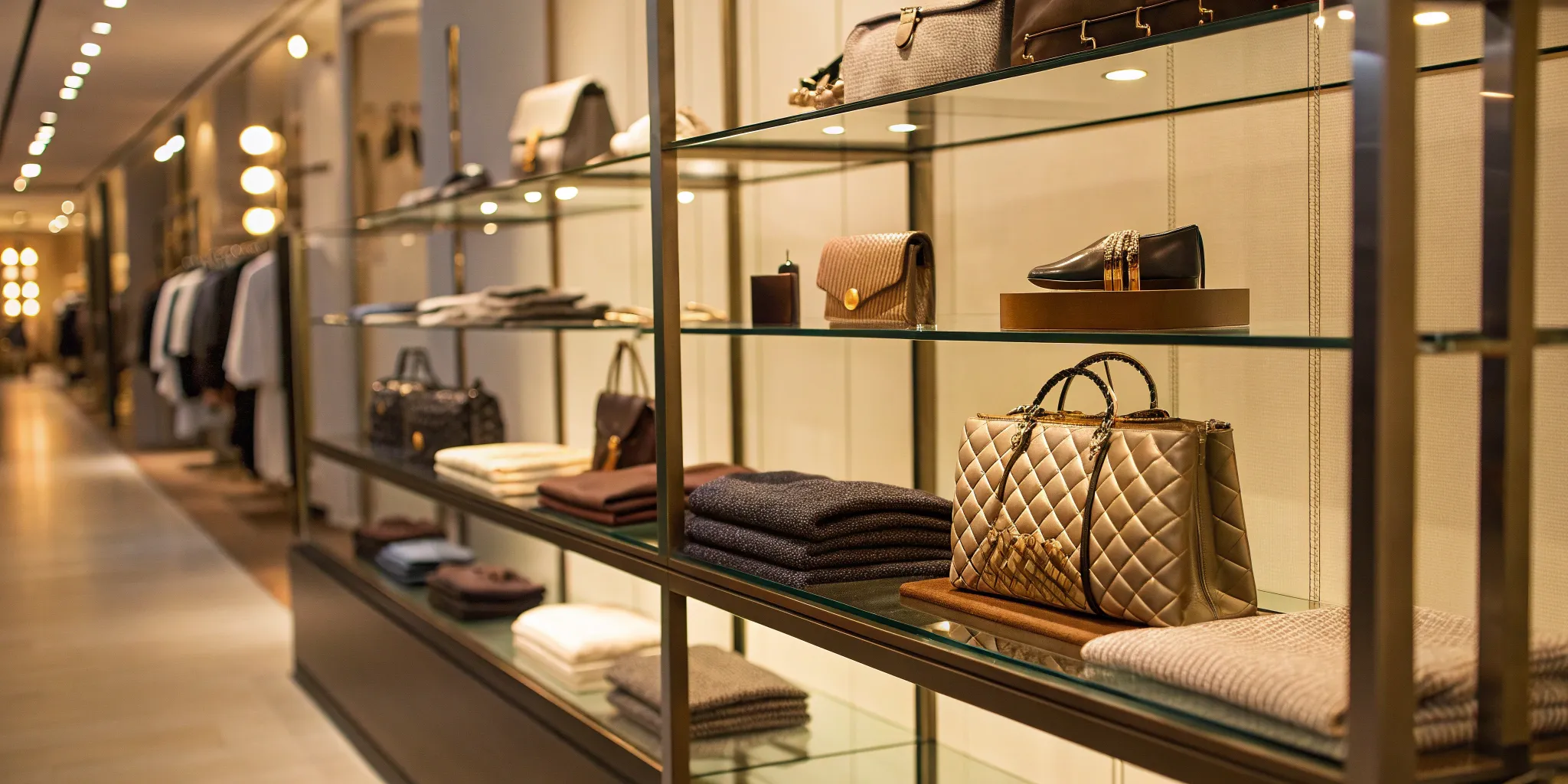


Your sales data holds the key to smarter product placement. Hidden within your transaction history are the "natural" pairings your customers are already making—the specific coffee they buy with a certain pastry or the brand of socks they prefer with a new pair of shoes. Cross merchandising is the art of taking these data-driven insights and bringing them to life on your sales floor. By analyzing customer buying habits, you can take the guesswork out of your displays and create pairings that are practically guaranteed to resonate. This approach turns your store into a more responsive and intuitive environment that anticipates customer needs and drives sales.
Cross merchandising is a retail strategy that feels like a helpful suggestion for your customers. Instead of grouping all similar products together, you strategically place complementary items from different categories next to each other. Think of placing a display of marshmallows, graham crackers, and chocolate bars right in the middle of your summer camping gear section. You’re not just selling individual products; you’re selling the idea of s’mores by the campfire.
This approach makes shopping more intuitive and convenient for your customers while encouraging them to add more to their carts. It’s a simple but powerful way to increase your average transaction value and move inventory. By anticipating your customer’s needs and presenting a complete solution, you create a smoother, more enjoyable shopping experience that builds loyalty and drives sales.
At its heart, cross merchandising is about making logical connections for your shoppers. The main goal is to encourage those "add-on sales" by placing related items together in one convenient spot. When a customer picks up a bag of coffee, placing a display of biscotti and travel mugs nearby reminds them of other things they might enjoy. It’s a subtle nudge that can turn a single-item purchase into a multi-item sale. This strategy works by sparking ideas and solving problems for your customers before they even realize they have them, making their trip more efficient and your sales numbers healthier.
Traditional merchandising is organized and predictable: all the pasta is in one aisle, and all the sauces are in another. Cross merchandising breaks these category rules to create a more dynamic shopping experience. It works hand-in-hand with visual merchandising by using custom point-of-purchase displays to tell a story or present a solution. Instead of just selling a bottle of wine, you can create a display that includes corkscrews, cheese, and crackers. You’re no longer just a store with products on shelves; you’re a resource that helps customers plan the perfect evening, making their shopping journey easier and more inspiring.
Cross merchandising works by making intuitive connections for your customers right on the sales floor. It’s a strategy that combines smart product placement with a little bit of customer psychology, all brought to life with compelling visual displays. When done right, it feels less like a sales tactic and more like a helpful suggestion that improves the shopping experience.
At its core, cross merchandising is the practice of placing complementary items from different categories together. Think of it as secondary product placement. Instead of a customer having to walk from the pasta aisle to the sauce aisle, you place a popular marinara sauce on a display right next to the spaghetti. This simple move makes shopping more convenient and reminds customers of items they might need. The main goal is to encourage shoppers to buy more than they originally planned by presenting a complete solution. It’s a straightforward technique that removes friction from the buying process and makes the trip feel more productive for your customer.
The real magic of cross merchandising lies in understanding how your customers think. This strategy shapes the shopping journey by placing products together in a way that sparks ideas. A customer buying a new dress might not have been thinking about accessories, but placing a stylish necklace on the same mannequin plants a seed. It’s about anticipating your customer’s needs and presenting a solution before they even have to ask. This approach makes shopping feel easier and more inspiring, turning a simple errand into an experience of discovery. By making these smart connections, you’re not just selling products; you’re helping customers build a complete look or solve a problem.
How you present your paired products is just as important as the pairing itself. Effective visual merchandising turns a simple product grouping into a powerful sales tool. You can create themed displays for holidays, seasons, or specific activities, like a "beach day" end cap with towels, sunscreen, and snacks. The key is to use fixtures that make the products look like they belong together. A well-designed display table, a custom shelving unit, or even a simple set of bins can tell a story and invite customers to explore. Your design and prototyping process for these displays should focus on creating a cohesive look that is both attractive and easy to shop from.
Cross merchandising is more than just a clever way to arrange products; it's a fundamental strategy that can directly impact your bottom line. By thoughtfully placing complementary items together, you create a more intuitive and engaging shopping environment. This approach helps customers solve problems they might not have even considered, turning a simple shopping trip into a journey of discovery. For multi-location retailers, implementing a consistent cross-merchandising strategy can lead to significant gains in sales, inventory efficiency, and customer loyalty across all stores.
The beauty of this technique is its simplicity and its power. It works by tapping into the natural flow of a customer's thought process. Someone buying pasta is likely thinking about dinner, making a nearby display of pasta sauce and garlic bread not just a convenience, but a helpful suggestion. This transforms your store from a simple product repository into a solutions provider. By anticipating your customers' needs, you can guide their purchasing decisions, introduce them to new products, and ultimately build a retail experience that keeps them coming back. The right custom fixtures are essential to making these displays effective and scalable.
One of the most immediate benefits of cross merchandising is a higher average transaction value. You’re not just selling one item; you’re selling a complete solution or idea. When you place grilling tools next to the meat counter or phone cases next to the latest smartphones, you’re making it incredibly easy for customers to make impulse buys. In fact, the average shopper spends over $300 on impulse purchases every month. By strategically pairing products, you capture a piece of that unplanned spending and encourage customers to add more to their carts. This approach increases revenue per customer without you having to spend more on marketing to attract new foot traffic.
Every retailer has them: products that just don't move as quickly as you’d like. Cross merchandising offers a powerful way to give these slow-sellers a new lease on life. By pairing a less popular item with a bestseller, you increase its visibility and give it context. For example, placing a specialty olive oil next to a popular brand of artisanal bread can introduce customers to a product they might have otherwise overlooked. This strategy helps you clear out stagnant inventory, reduce the need for markdowns, and improve your overall inventory turnover. A well-thought-out display design can make these pairings look natural and appealing.
A great shopping experience is convenient, intuitive, and even a little inspiring. Cross merchandising contributes to all three. When you place batteries next to electronics or ice cream cones next to the freezers, you save your customers time and effort. You’re anticipating their needs and making their trip more efficient. This thoughtful approach shows you understand your customers, which builds trust and loyalty. Seeing products grouped together can also spark new ideas, whether it’s a complete outfit on a mannequin or a "movie night" display with popcorn, candy, and drinks. These curated experiences make shopping more enjoyable and showcase your store's potential as a destination.
Once you understand the "why" behind cross merchandising, you can start implementing the "how." These proven strategies are effective because they tap directly into customer psychology, making shopping more intuitive and enjoyable. The key is to think like your customer and anticipate their needs. By strategically placing products and creating compelling displays, you can guide them toward discovering items they didn't even know they wanted. It’s about creating helpful suggestions right on the sales floor. Let's walk through four powerful tactics you can use to get started.
This is the foundation of great cross merchandising. The goal is to place items from different categories together to solve a customer's problem or complete a task. Think about placing tortilla chips and salsa next to the avocados, or putting batteries next to the electronic toys. You’re not just selling individual products; you’re selling a solution or an experience. This approach reminds shoppers of things they might need, which makes their trip easier and increases the likelihood they’ll add more to their cart. The right custom fixtures can make these pairings look natural and intentional, rather than cluttered.
Themed displays are a fantastic way to tell a story and inspire your customers. You can build a display around a specific holiday, season, or activity. For example, a "Game Day" display could feature snacks, drinks, team apparel, and coolers all in one place. In the summer, a "Beach Day" theme could bring together sunscreen, towels, hats, and sand toys. These displays create a fun shopping experience and encourage impulse buys by presenting a complete package. Showcasing these collections in a visually appealing way helps customers envision the event and grab everything they need at once.
Your store's layout has prime real estate—use it wisely. End caps, the displays at the end of aisles, are perfect for showcasing seasonal promotions or high-margin product pairings. Since every customer walking that aisle will see them, they offer maximum visibility. Likewise, the area near your checkout counters is ideal for smaller, low-cost impulse items like candy, magazines, or phone chargers. Placing these convenient items where customers are already waiting to pay is a simple yet highly effective way to add one or two more products to their final purchase.
Your sales associates are one of your most valuable assets. A well-trained team can take cross merchandising to the next level by offering personalized suggestions. When a customer buys a new suit, an associate can recommend a matching tie and shirt. If someone is buying paint, your team can ask if they need brushes, rollers, or painter's tape. This kind of helpful upselling enhances the customer experience and shows that you’re invested in their success. Good project management includes training your staff to see these opportunities and confidently make recommendations.
Choosing which products to display together is part art, part science. The most successful pairings feel intuitive, making shopping easier while increasing your average transaction value. It’s about looking beyond product categories and thinking about how your customers use what you sell. By focusing on product compatibility, customer habits, and your profit goals, you can create winning combinations that feel genuinely helpful to the shopper and deliver results for your business.
The best cross-merchandising displays feel like a helpful suggestion. Think about what your customer is trying to accomplish. If they’re buying tortilla chips, placing salsa nearby is a no-brainer. This saves them a trip to another aisle and reminds them to grab everything they need. The key is to group items from different departments that logically fit together to solve a problem or complete an experience. This approach works across all retail. A clothing store might display a handbag next to a popular dress, while a hardware store could place paint brushes next to the paint. By anticipating your customer’s needs, you’re not just selling products; you’re providing solutions.
Your sales data is a goldmine for cross-merchandising ideas. Dig into your point-of-sale (POS) system to see which items are frequently purchased together. You might discover surprising combinations you hadn't considered, like a specific brand of coffee and a particular pastry. That’s your cue to create a "morning coffee break" display. This data-driven approach takes the guesswork out of your strategy. Beyond the numbers, pay attention to how people move through your store. By understanding their behavior, you can shape the customer's shopping journey and introduce them to items they might not have noticed otherwise.
Cross-merchandising is also a powerful tool for increasing profitability. The goal is to pair items strategically to lift your overall margin. A classic technique is to place a high-margin accessory next to a popular, lower-margin anchor product—for instance, premium charging cables next to the latest smartphones. Customers who have already decided on the big-ticket item are often open to adding on smaller, related purchases. This strategy taps into the power of impulse buys. When a complementary item is right there, it’s easy for a customer to add it to their cart. It’s about presenting value in a way that directly supports your financial goals and showcases the successful retail environments you've built.
Once you’ve chosen your product pairings, the next step is to present them in a way that captures attention and makes sense to your customers. A great cross-merchandising display isn’t just about placing items next to each other; it’s about creating a mini-story that solves a problem or inspires a new idea. The right design choices can turn a passive browser into an active buyer.
The foundation of any great display is the fixture itself. Your fixtures should highlight your products, not overpower them. Think about how you can use custom retail fixtures to group related items together logically. For example, a tiered table can showcase a complete outfit, from the main apparel piece down to the accessories. The goal is to create a visually appealing setup that encourages shoppers to explore. Consider interactive elements or themed props that make the display more engaging and help tell the story of how the products work together.
Your display needs to communicate its purpose instantly. If customers have to guess why two products are paired, you’ve already lost them. Use clear, concise signage to explain the connection. For instance, if you’re selling grilling tools next to marinades, a sign that reads “Become a Grill Master” immediately clarifies the theme. Always make it obvious why different products are displayed together. A great design process will incorporate signage from the start, ensuring it feels like a natural part of the fixture. This simple step removes confusion and guides customers toward making a purchase.
Strategic placement is everything. Think carefully about your store’s layout and the natural path customers take. Place your cross-merchandised displays in high-traffic areas, like end caps or near the checkout counter, to maximize visibility. Make sure products that go together are easy to find near each other. For example, placing stylish phone cases next to portable chargers creates a convenient tech accessory station. By optimizing your store layout, you create a smooth shopping journey that makes it easy for customers to discover and purchase complementary items.
Cross merchandising is a powerful tool, but a few common missteps can prevent your displays from performing their best. When you put a strategy behind your product pairings and display design, you create an intuitive and enjoyable experience for your customers. But when displays are thrown together without a clear plan, they can end up confusing shoppers or, even worse, going completely unnoticed. The goal is to make shopping easier and more inspiring, not to create clutter.
By steering clear of these common mistakes, you can ensure your efforts lead to higher sales and happier customers. Let’s walk through what to watch out for.
The most effective cross merchandising feels like a helpful suggestion, not a random assortment of items. Pairing products that have no logical connection—like placing dog food next to birthday cards—can confuse customers and make your displays feel chaotic. Similarly, a display that is overstuffed with products or signage creates visual clutter. Poorly planned displays can overwhelm shoppers and prevent them from engaging with the products you’re trying to highlight. Your best bet is to keep pairings intuitive and use clean, well-organized fixtures that let the products shine. A thoughtful design and engineering process ensures your displays are both attractive and effective.
Launching a new display is just the beginning. If you aren’t tracking its performance, you’re missing out on valuable insights that could improve your strategy. You need to know if your efforts are actually working. The best way to do this is to look at the numbers and observe how your customers interact with the display. Are they picking up both items? Is one product selling much faster than the other? Use your point-of-sale data to monitor sales figures for the paired items. Also, encourage your floor staff to watch customer behavior and share their observations. This feedback loop is essential for refining your approach and making data-driven decisions for future displays.
Even the most creative display can lose its impact over time. When regular customers see the same product pairings in the same spot week after week, they eventually start to tune them out. This is why it’s so important to keep your merchandising fresh and interesting. You don’t need to reinvent the wheel every few days, but you should plan for regular updates. A simple refresh could involve swapping in a new complementary product, updating the signage, or changing the theme to align with a new promotion. By regularly updating your displays, you give shoppers a reason to pay attention and discover new products every time they visit.
Seasons and holidays create the perfect backdrop for cross merchandising because customers are already shopping with a specific purpose in mind. Think about pairing grilling accessories with marinades in the summer or placing cozy blankets next to candles in the fall. These timely pairings feel natural and genuinely helpful. To make the most of these moments, plan your store layout carefully to create a smooth shopping path that guides customers toward these seasonal solutions. With a bit of forward planning, you can use your custom fixtures to build timely displays that capture customer interest and drive sales all year long.
Launching a cross-merchandising display is just the beginning. To know if your efforts are paying off, you need a clear way to measure success. This isn’t about guesswork; it’s about looking at the right data to understand what resonates with your customers. A successful strategy is one you can refine and repeat across all your locations. Trying different approaches and carefully watching what works best will help you build a powerful, data-backed merchandising program. Think of it as an ongoing conversation with your shoppers—your sales data and their feedback are their side of the discussion.
While the ultimate goal is to increase revenue, you should look beyond the bottom line to get the full picture. Start by tracking metrics like average transaction value (ATV) and units per transaction (UPT). Is the average customer spending more or buying more items now that you’ve paired certain products? Also, consider the sell-through rate of the items in your display. Are they moving faster together than they did separately? These key performance indicators (KPIs) provide concrete evidence of whether your product pairings are genuinely influencing purchasing decisions and making the shopping experience more convenient for your customers.
Dive into your sales data to see the direct impact of your displays. Compare the sales of the cross-merchandised items for a period before and after you launched the initiative. A clear lift in sales is a great sign. Pay close attention to the units per transaction (UPT). If customers who buy tortilla chips are now also regularly adding salsa from the display to their cart, your UPT for that transaction type will increase. This is a direct measure of success. A well-managed project management process ensures you can track these results accurately across a multi-store rollout.
Your data tells you what is happening, but customer feedback tells you why. Your sales associates are your eyes and ears on the ground. Train them to observe how shoppers interact with the displays and to listen for comments. Are customers delighted by the convenience, or do they seem confused by the pairing? You can also gather direct feedback through short surveys or by monitoring social media mentions. This qualitative information is invaluable for refining your approach and ensuring your displays feel helpful and intuitive, not forced or cluttered.
Your Point of Sale (POS) system is a treasure trove of information. Before you even plan your next display, analyze your existing sales data to spot "natural" pairings—products that customers frequently buy together without any prompting. This data-driven approach takes the guesswork out of choosing which items to pair. If you see that customers often buy greeting cards and high-end pens in the same transaction, you have a built-in, proven concept for a cross-merchandising display. Using these insights helps you design fixtures that are practically guaranteed to perform well.
Ready to give cross merchandising a try? The best way to start is by keeping it simple. Your goal is to display complementary products together to encourage customers to pick up an extra item or two. Think about which products naturally go together from a customer’s perspective. For example, placing batteries next to electronics or ice cream cones next to the freezer section.
Start by brainstorming a few logical pairings. Walk through your store and look for opportunities. What problem is a customer solving when they buy a certain product, and what else might they need to solve it completely? Don’t overthink it—choose one or two high-impact ideas for your first test. This is where great visual merchandising comes into play, as the right presentation can make the connection for the shopper instantly.
You don’t need a huge budget to create an effective cross-merchandising display, but you do need a plan. Decide how much you want to invest in your first test, including any new fixtures or signage. The goal is to create a display that looks intentional and makes it easy for customers to explore the products. Grouping related items on a well-designed fixture can make a powerful statement.
The right fixtures are key to making your paired products stand out. Whether it’s a small countertop display, an end cap, or a custom-built unit, the fixture should highlight the products without creating clutter. Consider how design and prototyping can help you create a solution that perfectly fits your products and your store’s aesthetic, making the display feel both helpful and visually appealing.
Cross merchandising isn’t a “set it and forget it” strategy. It’s all about experimenting to see what resonates with your customers. Once your display is up, set a clear timeline for your test—say, four to six weeks—to gather meaningful data. During this time, pay close attention to your sales numbers. Are people buying the paired items together? Has the average transaction value increased?
Beyond the data, observe how shoppers interact with the display. Are they stopping to look, or are they walking right by? Don’t be afraid to ask for feedback. Use what you learn to refine your approach for the next display. Every test provides valuable insights that will make your future cross-merchandising efforts even more successful. This iterative process is a core part of managing a successful retail fixture program.
How do I start cross-merchandising if I have a limited budget? You don’t need a big budget to get started. Begin by using your existing fixtures and focusing on high-traffic areas like end caps or the space near your checkout counter. The strategy is more about smart product placement than expensive new displays. Look at your sales data to find items that are already being purchased together and simply place them closer to each other. The goal is to make a logical connection for the customer, which often costs nothing more than a little time and thought.
Is cross-merchandising the same as upselling? While they both aim to increase the value of a sale, they work differently. Cross-merchandising is a visual and passive strategy where you place complementary products together, allowing customers to discover the pairing on their own. Upselling is an active strategy where a sales associate verbally suggests a related product or an upgrade. They are two different tools, but they work beautifully together to create a helpful and complete shopping experience.
How often should I change my cross-merchandising displays? There's no single right answer, but the key is to prevent your displays from becoming stale. A good rule of thumb is to refresh them with major seasonal changes, for holidays, or whenever you have a new product launch. For regular customers, seeing the same display for months on end makes it invisible. Keeping things fresh gives people a reason to pay attention and discover something new each time they visit your store.
What’s the most common mistake retailers make when pairing products? The biggest misstep is pairing items that don't have a clear, logical connection. If a customer has to stop and wonder why two products are placed together, the display has failed. It should feel intuitive, like you’re anticipating their needs. Forcing a pairing between two unrelated items just to move a slow-selling product will only create confusion and visual clutter on your sales floor.
Does this strategy work for any type of retail store? Absolutely. The principles of cross-merchandising are universal because they are based on customer behavior. Whether you sell apparel, hardware, groceries, or electronics, your customers are always trying to solve a problem or complete a task. A clothing store can pair a dress with the perfect accessories, while a hardware store can place painter's tape next to the paint cans. It’s all about understanding your customer’s goal and making it easier for them to achieve it.
Subscribe for expert insights on fixture design, materials, and modern retail environments.