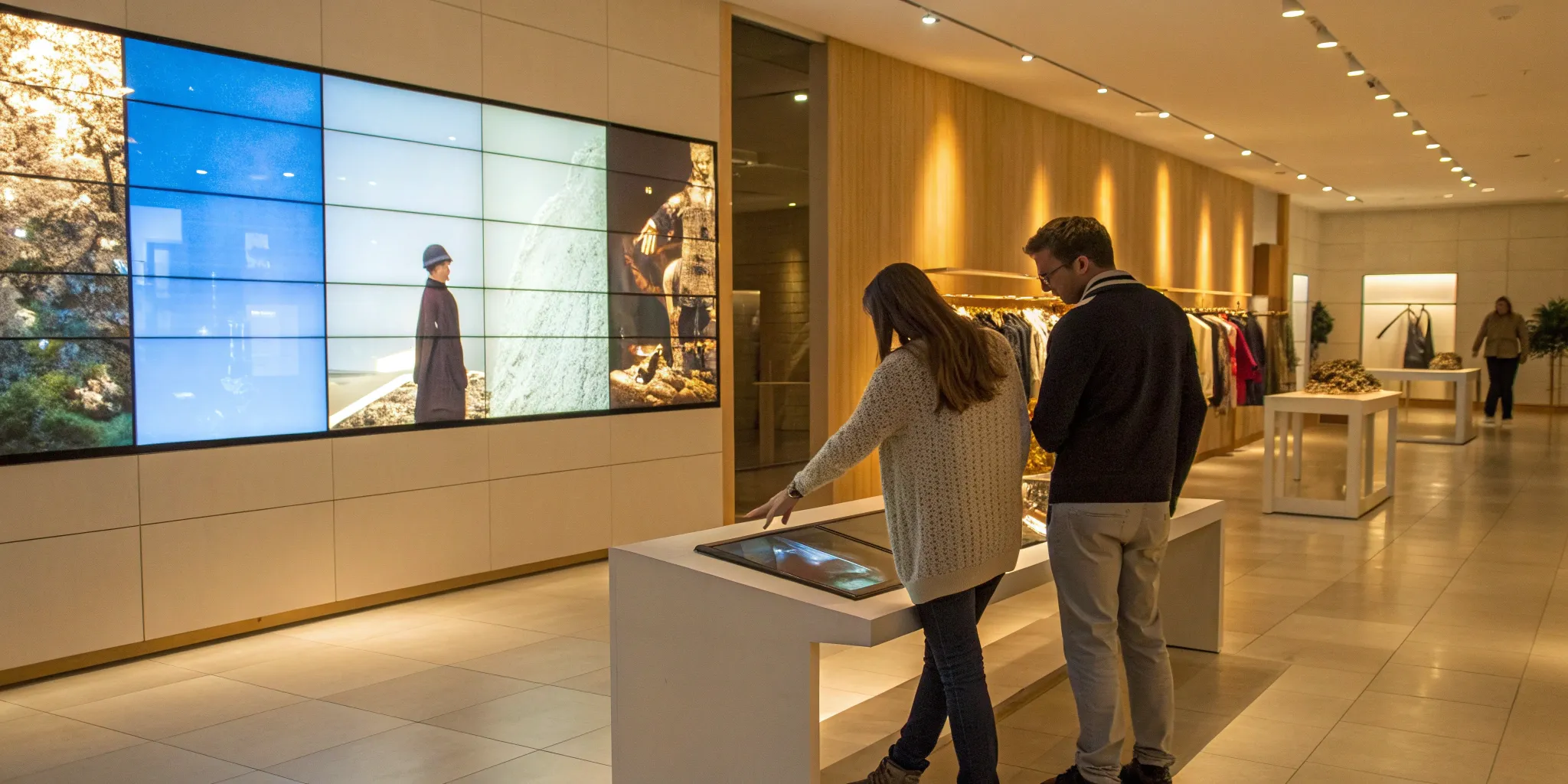


Your store's fixtures do more than just hold merchandise; they are the building blocks of your customer's journey. They guide movement, create a mood, and tell your brand's story. In a traditional setting, their role is functional. But in experiential retail, their role becomes transformational. Custom fixtures are the tools you use to create interactive displays, build immersive environments, and seamlessly integrate technology. They are the physical foundation of every memorable moment you create for your shoppers. This guide will show you how to leverage your physical space to build a powerful experience that drives loyalty and sets your brand apart.
Experiential retail is a strategy that shifts the focus from simply selling products to creating memorable, engaging experiences for customers. The goal is to give people a reason to visit a physical store that they can't get online. Instead of a space filled with racks and shelves, your store becomes a destination where shoppers can interact with your brand in a hands-on, personal way. It’s about making the shopping journey itself fun, immersive, and shareable. This approach helps build a stronger brand identity and fosters a deeper connection with your audience, turning casual shoppers into loyal fans.
Traditional retail is built around the transaction. The layout, fixtures, and staff are all optimized to move products efficiently. Experiential retail, on the other hand, is built around connection. It transforms stores into destinations where customers can interact with products, participate in activities, and feel like part of a community. While a traditional store asks, "What can we sell you?" an experiential store asks, "How can we make your visit unforgettable?" This shift from a transactional mindset to an immersive one is what sets the two apart and gives brick-and-mortar locations a powerful advantage over online-only competitors. You can see examples of these unique retail environments in action.
You can't create a one-of-a-kind experience with off-the-shelf fixtures. Experiential retail relies on creating interesting spaces and activities that get customers involved, and your fixtures are the foundation of that environment. Custom fixtures do more than just hold merchandise; they tell your brand’s story, guide the customer journey, and facilitate interaction. Whether it’s a display that invites touch, a station for product personalization, or a modular system that can be reconfigured for in-store events, custom solutions are essential. They are the physical tools that bring your vision to life, ensuring every element of your store feels intentional, unique, and perfectly aligned with the experience you want to create.
Experiential retail isn’t just a single tactic; it’s a thoughtful combination of strategies that turn your store into a destination. It’s about creating a memorable, engaging environment that gives customers a reason to visit in person. When done right, these elements work together to shift the focus from simply selling products to building a lasting relationship with your brand. The goal is to make shoppers feel something, to give them a story to tell, and to offer an experience they can’t get online.
At its heart, experiential retail is built on four key pillars. It involves inviting customers to participate rather than just observe, crafting a world they can step into, using technology to make their journey smoother, and engaging their senses to create a powerful emotional connection. By focusing on these core elements, you can design a retail space that not only looks great but also drives loyalty and encourages customers to return again and again. Let’s break down what each of these elements looks like in practice.
The first step in creating an experience is to move customers from passive browsers to active participants. Interactive elements invite shoppers to touch, play, and connect with your products in a hands-on way. This could be anything from a beauty store offering makeup tutorials at a custom vanity, a hardware store hosting a DIY workshop, or a clothing brand setting up a station for personalizing jackets. The idea is to give customers a special and memorable activity that goes beyond a simple transaction.
These interactive moments are powerful because they create personal memories tied to your brand. To make them successful, you need fixtures that are not only engaging but also durable enough to handle high traffic and repeated use. A well-thought-out design and engineering process ensures your interactive displays are intuitive, safe, and perfectly aligned with your brand’s aesthetic, encouraging customers to get involved.
An immersive environment transports customers into your brand’s world from the moment they walk through the door. It’s about using your physical space to tell a story through cohesive design, strategic lighting, and a carefully planned layout. Think of a sporting goods store that feels like a mountain lodge or a children’s toy store designed like a magical forest. These environments are crafted to be so visually compelling that shoppers can’t help but pull out their phones and share the experience on social media.
Creating these "Instagrammable moments" is a key part of modern experiential retail. A unique photo spot or a stunning display can turn your customers into brand ambassadors. This level of immersion relies heavily on custom fixtures that support your narrative. From unique shelving that guides the eye to large-scale installations that serve as a centerpiece, the right fixtures are essential for building a world your customers will want to explore and share. You can see how other brands have created these environments in our work.
In experiential retail, technology should always serve a purpose—to make the shopping journey smoother, more informative, or more fun. It’s not about adding screens for the sake of it, but about using digital tools to solve customer problems or add a layer of excitement. This could look like interactive kiosks where shoppers can explore product features, smart mirrors that let them virtually try on outfits, or tablets that allow staff to check out customers from anywhere in the store.
The key is to integrate technology so seamlessly that it feels like a natural part of the environment. This requires fixtures designed with technology in mind, featuring clean cable management, secure mounts for tablets and screens, and proper ventilation. When your custom fixtures are built to accommodate your tech stack from the start, the result is a polished, professional experience that enhances the customer journey without feeling clunky or out of place.
While online shopping is convenient, physical stores have a unique advantage: the ability to engage all five senses. A true experiential strategy uses this to its full potential to forge a deeper emotional connection with customers. Sight is engaged through compelling visual merchandising and lighting. Sound comes from a curated brand playlist. Smell can be influenced by a signature store scent. Touch is activated through the textures of your products and the materials of your fixtures, like smooth wood or cool metal.
Even taste can be incorporated with in-store samples or a small café. By creating a multi-sensory experience, you make your brand more memorable and create a welcoming atmosphere that encourages shoppers to linger. The physical elements of your store, from the flooring to the displays, are fundamental to this approach. Our comprehensive retail fixture services can help you select materials and designs that contribute to a rich, sensory-driven environment.
Experiential retail isn’t just about creating a cool-looking store; it’s a strategic approach to transforming the entire customer journey. When you shift the focus from simply selling products to offering memorable experiences, you change how shoppers interact with your brand. Instead of a quick, transactional visit, customers are invited to explore, play, and connect. This approach directly addresses the modern shopper's desire for more than just a purchase—they want a story, a feeling, and a reason to come back. It’s about making your physical space a vital part of your brand identity, one that can’t be replicated online.
By investing in an experiential strategy, you’re not just decorating a space; you’re building a destination. This strengthens brand loyalty, encourages longer visits, and gives customers something to talk about long after they’ve left. The right environment, supported by thoughtfully designed custom fixtures, can guide customers through a journey that feels personal and engaging. From the moment they walk in, every display, interactive element, and design choice works together to tell your brand's story. This ultimately leads to a deeper relationship with your brand and a more resilient business that stands out from the competition.
Today’s shoppers are looking for more than just a transaction; they want to feel a genuine connection to the brands they support. Experiential retail creates fun, interactive, and memorable shopping moments that forge that bond. When a customer can interact with a product in a hands-on display or learn something new at an in-store workshop, the experience becomes personal. This emotional investment turns casual shoppers into loyal advocates. The goal is to make them feel something positive about your brand, creating a lasting impression that a simple purchase can’t replicate. Our past projects show how custom fixtures can help build these engaging environments.
A physical store has the unique ability to bring people together. By designing your space to host events, classes, or local gatherings, you can transform it from a place of commerce into a true community hub. Imagine a bookstore hosting author signings, a kitchen supply store offering cooking classes, or an athletic brand leading group workouts. These activities give people a reason to visit beyond shopping and foster a sense of belonging. Flexible, modular fixtures are essential for creating these multi-purpose spaces, allowing you to easily adapt the layout for different events while keeping your brand at the center of the experience.
When a store is engaging and comfortable, customers naturally want to spend more time there. An experiential environment filled with interactive displays, comfortable seating areas, and interesting things to discover encourages shoppers to slow down and explore. This increased "dwell time" often translates directly into higher sales, as customers who stay longer are more likely to make a purchase. By creating a welcoming atmosphere, you’re not just improving the customer experience; you’re creating more opportunities for discovery and connection, which helps build stronger relationships and drive revenue. Effective project management ensures these complex, multi-faceted environments are executed flawlessly.
In a world driven by social media, a visually striking store is one of your best marketing assets. Experiential retail creates exciting environments that customers, especially younger shoppers, are eager to share online. A unique art installation, a clever photo backdrop, or a beautifully designed display can become a magnet for user-generated content. These "Instagrammable moments" turn your customers into brand ambassadors, providing authentic, word-of-mouth advertising that reaches a wide audience. Our design and prototyping services can help you create those one-of-a-kind fixtures that get people talking and sharing.
The right fixtures are the foundation of any great experiential retail strategy. They aren’t just passive shelves for holding merchandise; they are active tools that shape how customers move, feel, and interact within your space. Think of them as the stage on which your brand’s story unfolds. When you move beyond standard, off-the-shelf solutions, you can create custom pieces that guide the customer journey, spark curiosity, and make your store a destination.
A successful experiential design relies on fixtures that do more than just display products—they present them in a way that invites engagement. From interactive demo stations to flexible, modular systems that can transform your floor plan overnight, your fixtures set the tone for the entire experience. By partnering with a custom fixture provider, you can build a cohesive environment where every element, from the materials used to the technology integrated, works together to create memorable moments for your shoppers.
Experiential retail is all about getting customers involved, and your displays are the perfect starting point. Instead of creating a hands-off, museum-like environment, design fixtures that encourage people to touch, test, and play with your products. This could be a custom-built station for sampling beauty products, a listening booth for headphones, or a table designed for customizing apparel. The goal is to turn passive browsing into an active experience. By creating dedicated spaces for interaction, you give customers a reason to connect with your products on a deeper level, making the shopping trip more memorable and fun.
Modern retail spaces need to be adaptable. One month you might host a product launch, and the next you could be running an in-store workshop. Modular fixtures give you the flexibility to transform your environment with minimal effort. Think lightweight, movable displays, reconfigurable shelving units, and nesting tables that can be easily rearranged to suit any event. This approach allows you to keep your store feeling fresh and dynamic. A flexible floor plan ensures your space can evolve with your marketing calendar, turning your store into a versatile hub for more than just shopping.
Blending the digital and physical worlds is a cornerstone of experiential retail. Your fixtures can play a key role in making this happen seamlessly. Imagine displays with built-in tablets that offer product details and reviews, or smart mirrors that allow customers to virtually try on outfits. You can also design fixtures with integrated QR codes that link to online content or charging stations that encourage shoppers to linger. When technology is thoughtfully incorporated into the design of your fixtures, it feels like a natural and helpful part of the shopping journey, not a clunky add-on.
An immersive experience engages more than just sight. The materials, lighting, and construction of your fixtures can appeal to all five senses, helping to create a strong emotional connection with your brand. Consider using textured materials like reclaimed wood or cool metal that invite touch. Integrated, directional lighting can draw attention to key products and create a specific mood. Even the way a fixture is built can contribute to the store’s soundscape. These subtle design choices work together to build a rich, sensory environment that makes your store a place customers want to spend time in.
Turning your retail space into an experience doesn't happen by accident. It requires a thoughtful strategy that aligns your brand, your customers, and your physical environment. The goal is to create a destination that people want to visit, share, and return to. This involves more than just adding a few new displays; it’s about rethinking how customers interact with your brand in person. From initial planning to final execution, every step should be focused on building a memorable and engaging journey for your shoppers. Here’s how you can start bringing that vision to life in your stores.
First, define what you want your customers to feel and do. Experiential retail is all about creating fun, interactive moments that build a genuine connection with your brand. Think about dedicating a specific zone for a hands-on product demonstration, a customization station, or even a visually striking photo opportunity that customers will want to share on social media. Your plan should map out the customer flow and identify key touchpoints where an interactive element can make the biggest impact. The right design and engineering can turn a simple concept into a functional and captivating in-store feature that guides shoppers through the experience you want to create.
Your employees are the bridge between your experiential fixtures and your customers. The goal isn't to push a sale but to facilitate a positive, memorable interaction. Train your team to be brand ambassadors who can guide shoppers through new experiences, answer questions, and encourage participation. When staff members are confident and knowledgeable about the interactive elements in the store, they can help build the strong customer connections that lead to loyalty. This human touch is what transforms a cool display into a meaningful brand moment that customers will remember long after they leave.
Executing an experiential strategy often involves unique fixtures, integrated technology, and complex designs that go beyond standard shelving. You need a partner who can translate your creative vision into a physical reality. A great custom fixture partner works with you from the initial concept through prototyping and manufacturing to ensure every element functions perfectly and reflects your brand's quality. Look for a team with proven expertise in creating the kinds of interactive and immersive displays that will form the backbone of your new in-store experience. Their ability to manage the project from start to finish is key to a successful rollout across all your locations.
While creating an amazing experience is the goal, your store still needs to operate efficiently. The most successful experiential designs are both interactive and practical. Your custom fixtures must be durable enough to withstand high traffic and daily use while remaining easy for your team to manage and maintain. The experience should enhance the shopping journey, not complicate it. By focusing on reliability and thoughtful design, you can ensure your new space is not only unforgettable for customers but also a functional and sustainable environment for your business operations.
Creating an unforgettable in-store experience is an exciting goal, but it comes with its own set of challenges. While the payoff can be huge in terms of customer loyalty and brand perception, it’s smart to go in with a clear understanding of the potential hurdles. From proving the value of your investment to keeping up with ever-changing customer expectations, a successful experiential strategy requires careful planning and execution.
The good news is that these challenges are entirely manageable with the right approach and the right partners. Thinking through these potential issues ahead of time will help you build a strategy that’s not only creative and engaging but also sustainable and scalable. Let’s walk through some of the most common obstacles you might face and how to think about solving them.
It can be tricky to connect a specific interactive display or immersive environment directly to sales figures. Unlike a simple price reduction, the return on an experiential investment often shows up in less direct ways, like increased brand loyalty, social media mentions, and positive word-of-mouth. While these are incredibly valuable, they don’t always fit neatly into a traditional ROI calculation.
The key is to broaden your definition of "return." Track metrics like foot traffic, dwell time, social media engagement, and customer feedback in addition to sales. Remember that people are often willing to pay more for a product if it’s attached to a great experience. The goal isn’t just a one-time transaction; it’s about building a lasting relationship that encourages repeat visits and turns casual shoppers into loyal brand advocates.
For regional and national chains, one of the biggest challenges is ensuring every customer gets the same high-quality experience, no matter which location they visit. A stunning flagship store is great, but if your other locations feel neglected, it can dilute your brand message. Consistency in design, fixture quality, and execution is essential for building a strong and recognizable brand identity.
This is where a reliable fixture partner becomes critical. Working with a team that has robust project management and customer service ensures that every detail is replicated perfectly across dozens or even hundreds of stores. From manufacturing to logistics and installation, having a single point of contact guarantees that your vision is executed flawlessly everywhere, creating the cohesive brand experience your customers expect.
Integrating technology like touchscreens, AR mirrors, or digital displays can add a fantastic layer of interaction to your store, but it can also create logistical headaches. Poorly integrated tech can feel clunky and out of place, with visible wires and awkward placements that detract from the overall design. The goal is to make technology feel like a natural and seamless part of the environment.
The solution lies in planning for technology from the very beginning. Custom fixtures can be designed and engineered to house screens, tablets, and sensors discreetly, hiding cables and ensuring everything works together smoothly. By making technology an integral part of your fixture design and prototyping process, you can create an experience that feels intuitive and polished, rather than an afterthought.
Today’s shoppers are always looking for what’s new and next. An experience that feels fresh and exciting one year can feel dated the next. This means your experiential strategy can’t be a "set it and forget it" project. You need to continuously innovate and adapt to keep your customers engaged and give them a reason to keep coming back.
Building flexibility into your store design is the best way to stay current. Think about using modular fixtures that can be easily reconfigured for new product launches, seasonal campaigns, or in-store events. This allows you to refresh your space without a complete overhaul. By creating a dynamic environment, you give customers a unique experience they can't get online and position your brand as a forward-thinking leader in your industry.
Technology is no longer just for your ecommerce site. When thoughtfully integrated into your physical stores, it can create memorable, helpful, and highly personalized shopping experiences that keep customers coming back. The key is to use technology not as a gimmick, but as a tool to solve problems, add value, and make shopping more enjoyable. From interactive displays to seamless mobile integration, the right tech can transform your store from a place of transaction into a destination. And with custom fixtures designed to house this technology, you can ensure a sleek, branded, and functional presentation.
One of the biggest challenges for shoppers is imagining how a product will look in their own life. Augmented Reality (AR) bridges this gap by allowing customers to use their smartphones to see a virtual version of a product in their own space. For a furniture store, this means a customer can see if a sofa fits in their living room. For a clothing retailer, it could mean a virtual try-on. This technology helps build buyer confidence and can significantly reduce the likelihood of returns. You can facilitate this by integrating QR codes into your displays or creating designated in-store zones designed for AR interaction.
Interactive screens can turn passive browsing into an active, engaging experience. Smart mirrors in fitting rooms, for example, can allow shoppers to see different color options, request another size, or get recommendations for matching accessories without ever leaving the room. Large-format interactive displays can tell your brand story, showcase product details, or feature user-generated content that builds social proof. These digital elements create a modern, dynamic atmosphere and provide customers with valuable information, making their visit more efficient and enjoyable. The right design and engineering ensures these screens are seamlessly built into your fixtures for a polished look.
Most of your customers walk into your store with a powerful computer in their pocket: their smartphone. By integrating your store experience with a mobile app, you can create a highly personalized journey for every shopper. Brands like Nike use their app to let customers reserve items to try on in-store or scan a QR code on a mannequin to see the entire outfit. You can also use mobile integration to send personalized offers to shoppers as they browse or provide an in-store map to help them find what they need. This approach makes customers feel seen and valued, strengthening their connection to your brand.
A modern retail strategy requires a seamless flow between your digital and physical channels. Technology is the key to making this connection feel effortless for the customer. You can implement "buy online, pick up in-store" (BOPIS) with dedicated lockers or service counters that make fulfillment quick and easy. Arming your associates with tablets allows them to access a customer's online wish list or order an out-of-stock item for home delivery. When you connect your online and in-store experiences, you meet customers wherever they are and provide a consistent, convenient journey that builds long-term loyalty.
Experiential retail is constantly evolving, driven by new technologies and shifting customer expectations. What feels fresh and exciting today can quickly become the standard tomorrow. For retailers, this means the work is never truly done. Staying ahead of the curve is about more than just keeping up; it’s about anticipating what shoppers will want next and creating in-store experiences that feel both current and timeless. As you plan for the future, a few key trends are shaping the next wave of experiential design. These shifts focus on building deeper connections, reflecting brand values, and making the shopping journey smoother than ever.
The most successful brands understand that their physical stores are powerful assets for building relationships that go beyond a simple transaction. It’s about creating a destination that people want to visit, not just because they need something, but because of how it makes them feel. This requires a thoughtful approach to store design, where every fixture and layout choice serves a greater purpose. From fostering a sense of community to showcasing a commitment to sustainability, the future of retail is about telling a compelling story through your physical environment. Integrating these forward-thinking concepts into your strategy ensures your stores remain relevant and engaging for years to come.
The most forward-thinking retailers are realizing their physical stores have a superpower that online channels can't replicate: the ability to bring people together. The future of retail is less about pure transaction and more about connection. Your store can become a local hub where customers gather for workshops, product demos, or exclusive events. This strategy transforms your space from a place to buy things into a place to belong. To make this happen, your store layout and fixtures need to be flexible. Think about modular systems that can be easily reconfigured to support a special event one day and a traditional shopping layout the next. By fostering a community, you build a loyal following that comes for the experience, not just the products.
Today’s shoppers are more conscious than ever about the environmental impact of their purchases. This mindset extends to the retail environment itself. Sustainable design is no longer a behind-the-scenes operational detail; it’s a core part of the customer experience. Using reclaimed materials, energy-efficient lighting, and locally sourced elements in your fixtures tells a powerful story about your brand’s values. This approach helps you create a strong connection with customers who share those values. When shoppers can see and feel your commitment to sustainability in the store's design, it builds trust and makes them feel good about supporting your business. It’s an authentic way to let your physical space reflect what your brand stands for.
The line between online and in-store shopping has all but disappeared. Customers expect a fluid journey, whether they start on your app, browse on their laptop, or walk through your front door. The next phase of experiential retail is about making this transition completely effortless. This means designing your physical space to support digital behaviors. Think dedicated, well-designed areas for in-store pickups, interactive displays with QR codes that link to online content, and smart fitting rooms. Your fixtures play a huge role in this by integrating technology and creating an intuitive flow that helps customers move between shopping online and in person without any friction.
Experiential retail isn't a project with a finish line; it's an ongoing commitment to your customers. As technology and trends evolve, so will shopper expectations. The key is to build a strategy that allows for continuous improvement and adaptation. This might mean refreshing a digital display with new content, updating an interactive element, or reconfiguring a modular layout to feature a new product story. The goal is to keep your store feeling dynamic and prevent the experience from becoming stale. Working with a custom fixture partner who understands this long-term vision is critical. They can help you design and build a foundation that is both durable and flexible enough to evolve with your brand for years to come.
Is experiential retail affordable for businesses that aren't huge national brands? Absolutely. Experiential retail is more about creativity than a massive budget. A successful strategy focuses on making a few high-impact changes that align with your brand. It could be as simple as creating one fantastic photo opportunity or a single interactive display that tells your product’s story. The key is to invest in smart, targeted experiences that resonate with your specific customers rather than trying to do everything at once. A good fixture partner can help you find cost-effective materials and designs that deliver a premium feel without the premium price tag.
What's the most important first step to take when planning an experiential strategy? Before you think about fixtures or technology, you need to define the feeling you want customers to have when they walk into your store. What do you want them to do, and how do you want them to remember their visit? Start by clearly identifying the core message of your brand and the one key interaction you want to facilitate. Once you have a strong vision for that central experience, all your other decisions about layout, design, and functionality will fall into place much more easily.
How can I measure the success of an experiential store if it's not just about sales? While sales are always important, the return on an experience shows up in other valuable ways. You can track how long shoppers stay in your store, which is often a great indicator of engagement. Pay attention to your social media channels to see if customers are posting photos from your location. You can also look at foot traffic patterns and the number of repeat visits. These metrics help paint a fuller picture of customer loyalty and brand connection, which are powerful drivers of long-term growth.
Does my store need a lot of high-tech gadgets to be considered "experiential"? Not at all. Technology is just one tool in the toolbox, and it isn't always the right one. A powerful experience can come from appealing to the senses with unique materials, creating a community space for events, or designing a clever interactive display that requires no electricity. The goal is to create a memorable connection with your customer. If a digital screen or AR feature helps you do that, great. But a simple, well-designed, hands-on experience can often be just as effective.
How do I ensure my new store design stays relevant and doesn't feel dated in a few years? The best way to future-proof your store is to build in flexibility from the start. Instead of relying on permanent, built-in structures, consider using modular and movable fixtures. This approach allows you to easily reconfigure your space for seasonal campaigns, new product launches, or in-store events. By creating a dynamic environment that can adapt and evolve, you ensure your store always feels fresh and gives customers a new reason to visit without requiring a complete and costly renovation every few years.
Subscribe for expert insights on fixture design, materials, and modern retail environments.