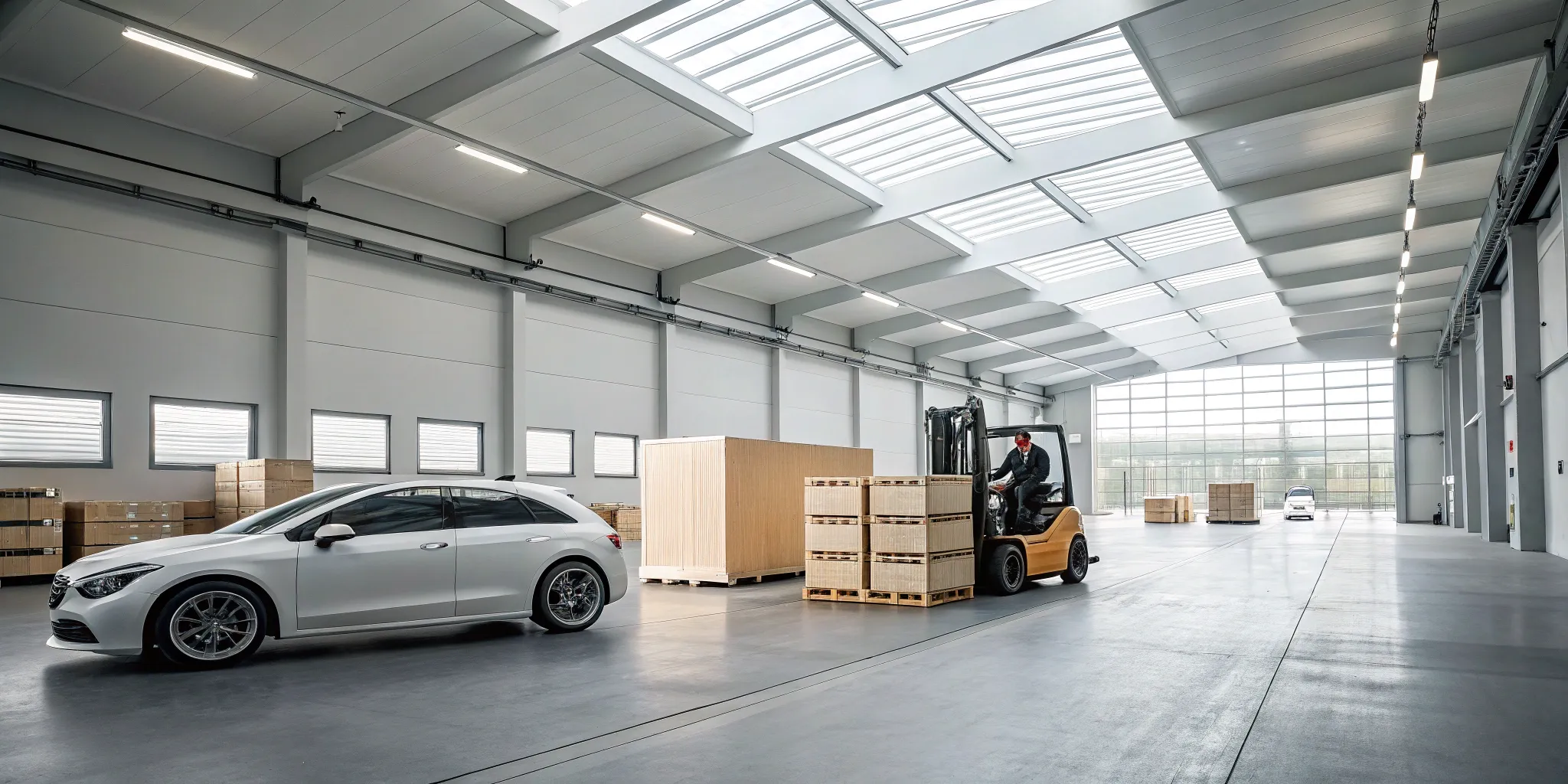


When you’re managing a multi-store rollout, the last thing you need is a pallet of custom displays left on a wet sidewalk. The final fifty feet of a fixture’s journey are often the most perilous. Standard delivery services consider their job done at the curb, leaving you to figure out how to get hundreds of pounds of material into your store. This is the critical gap that inside delivery is designed to fill. By ensuring a carrier brings your shipment past the front door, you eliminate a major point of risk for damage and delays, protecting the significant investment you've made in your retail environment.
When you’re coordinating a multi-store rollout, the last thing you need is a pallet of custom fixtures left on the sidewalk. Standard delivery often ends at the curb, leaving your team to handle the heavy lifting. This is where inside delivery comes in. It’s a specialized shipping service where the carrier brings your items directly inside your building, instead of just leaving them at the loading dock or front door. This service is essential for receiving heavy, bulky, or sensitive goods—think point-of-purchase displays, large shelving units, or high-value electronics.
For retailers, especially those in locations without a formal loading dock, inside delivery bridges the critical gap between the delivery truck and your storefront. It ensures your valuable assets make it safely inside, ready for staging and installation. Think of it as the final, crucial handoff in the journey of your custom fixtures. Instead of scrambling to find staff to move a heavy crate, you can rely on the delivery team to get it past the threshold. This simple upgrade can prevent major headaches, protect your investment, and keep your project timeline on track. By planning for inside delivery from the start, you ensure a smoother final step in your supply chain and set your team up for a successful installation.
The main difference between inside delivery and standard delivery comes down to one simple question: where does the carrier’s responsibility end? With standard delivery, the driver’s job is done once the shipment is off the truck. Your items are left at the curb or on the loading dock, and it’s up to you to get them inside.
Inside delivery, on the other hand, extends the carrier’s service. The driver will physically move your shipment past the building’s threshold. This is a crucial service when you’re receiving items that are too heavy or awkward for your store staff to manage alone. It’s a planned part of the logistics and distribution process that accounts for the final, critical steps of getting your fixtures into the store.
So, what does an inside delivery actually look like? The process is straightforward. The delivery driver will move your shipment from the truck and carry it just inside the main entrance of your location. This typically means placing it in a front lobby, garage, or the area immediately inside the front door.
It’s important to set the right expectations for what this service includes. The driver’s task is to get the items over the threshold, not to move them through the entire store. They generally won’t carry items up flights of stairs, down narrow hallways, or into specific rooms. Unpacking and assembly are also not included. Clear communication with your project management team and the carrier beforehand will ensure everyone understands the scope of the delivery.
When you’re coordinating a multi-store rollout or a single-location remodel, delivery day can feel like the final, most stressful hurdle. Opting for inside delivery isn't just about convenience; it's a strategic decision that protects your investment, your team, and your timeline. Think of it as the final, crucial step in a well-managed project. After putting so much effort into designing and manufacturing the perfect custom fixtures, leaving them on a curb is a risk you don’t need to take.
Inside delivery ensures your valuable assets are brought directly into your space, right where they need to be. This service is especially critical for retailers who lack a dedicated loading dock or the on-site staff to handle large, heavy items. It bridges the gap between the delivery truck and your sales floor, turning a potential logistical nightmare into a smooth, predictable part of your setup process. By choosing inside delivery, you’re essentially extending the chain of care from our factory floor to yours, ensuring the fixtures arrive safely and your team can focus on what they do best: preparing the store for customers.
Let’s be honest: your store associates were hired for their sales skills, not their ability to haul heavy fixtures. Inside delivery removes the burden—and the risk—of asking your team to move bulky items from the curb into the store. Professional delivery drivers are trained and equipped to handle these tasks safely, significantly reducing the chance of workplace injuries and potential liability issues. This simple choice allows your staff to stay focused on their primary responsibilities while the logistics experts handle the heavy lifting. It’s a straightforward way to keep your project on track and your team safe.
Your custom fixtures are a major investment, and the last thing you want is for them to get damaged before they even make it onto the sales floor. Standard curbside delivery leaves your items exposed to the elements, potential theft, and the risk of damage during the final, unsupported move into your store. Inside delivery services ensure that trained professionals handle your fixtures with care from the truck to inside your location. This commitment to complete quality control extends all the way to your doorstep, protecting your investment and preventing costly delays caused by having to repair or replace damaged goods.
A smooth delivery process is a core part of a positive customer experience, and for our retail partners, that experience is everything. When your fixtures arrive on time and are placed safely inside your store without any hassle, it makes your job easier. This seamless handoff allows your team to begin installation immediately, keeping your store opening or renovation project on schedule. Excellent project management and customer service shouldn't end when the truck pulls up. Inside delivery is the final touch that ensures your project is executed flawlessly from start to finish, reflecting a well-managed and professional operation.
Not every shipment requires inside delivery, but for certain items, it’s non-negotiable. Standard curbside delivery works fine for smaller, manageable packages, but it falls short when you’re dealing with large, heavy, or high-value goods. Opting for inside delivery in these situations protects your investment, your property, and your team. It’s the smart choice when the delivery involves more than just dropping a box at the door.
Think about the logistics of a multi-store rollout or a single flagship renovation. The last thing you need is a pallet of custom displays left on the sidewalk. Inside delivery ensures your items are brought directly into your space, ready for placement or assembly. This service is essential for maintaining project timelines and preventing the kind of costly damage that can happen when untrained staff are left to move bulky items. Let’s look at a few specific scenarios where inside delivery is the only way to go.
If your business doesn't have a loading dock, inside delivery is a must-have. This service is designed for situations where a freight shipment needs to be brought inside the building, not just left at the curb. For retailers receiving large items like custom shelving, point-of-purchase displays, or heavy furniture, this is critical. These pieces are often the centerpiece of your store's design and can be easily damaged. Professional delivery teams have the right equipment and experience to move these bulky items safely, protecting both the fixtures and your storefront from scuffs, dents, and scratches. It’s a key part of a smooth retail logistics strategy.
Inside delivery isn't just for retail fixtures; it’s also standard practice for oversized items like commercial appliances or large electronics. Think about bringing a new commercial refrigerator into a restaurant kitchen or setting up a large digital display in a showroom. These items are not only heavy but also sensitive. The delivery team is trained to handle them with care, ensuring they arrive inside your business in perfect condition. Leaving a high-value electronic device on a loading dock or sidewalk exposes it to weather, theft, and damage. Inside delivery brings it directly to the point of installation, simplifying the final steps of your project.
For items that are particularly valuable, fragile, or complex, inside delivery is essential. This includes things like specialized medical equipment, intricate trade show exhibits, or custom-built kiosks with integrated technology. These aren't your average shipments. They require professionals who know how to handle sensitive and often expensive items safely. The service ensures that your equipment is carefully transported from the truck to its designated spot inside your facility, whether that’s a specific room in a clinic or a booth on a convention floor. This reduces the risk of damage and ensures your high-value assets are handled by experts from start to finish.
When you're planning a large-scale fixture rollout, budgeting is everything. That's why it's so important to understand that inside delivery isn't usually included in a standard shipping quote. It’s an add-on service, and that means it comes with an additional cost. The price isn't fixed; it can change based on several factors, from the carrier you choose to the complexity of the delivery site. Getting a clear picture of these potential costs upfront helps you avoid surprises and keep your project on track. Think of it as an investment in a smoother, more secure delivery process for your valuable fixtures. By knowing what influences the final price, you can work with your logistics partner to find the most efficient and cost-effective solution for getting your new displays exactly where they need to be.
So, what goes into the price tag for inside delivery? First, it’s important to remember that this is an extra service that almost always incurs a fee. Because it requires more time and effort from the delivery team, carriers charge for it separately. The exact cost can vary quite a bit from one company to another. Some carriers might charge a flat fee for the service, while others base the price on the total weight of the shipment. When you're getting quotes, make sure to ask how they calculate their inside delivery charges so you can accurately compare your options and plan your budget accordingly.
Beyond the base fee, certain situations can add to your inside delivery costs. Think of it this way: the more complex the drop-off, the more you can expect to pay. If your fixtures need to be carried up a flight of stairs, taken on an elevator, or moved to a specific room far from the entrance, these actions will likely cost more. Site accessibility is another major factor. If a pallet is too large to fit through a doorway or a hallway is too narrow for equipment, the driver may have to leave the items at the threshold. A reliable partner will help you anticipate these issues, ensuring your delivery plan accounts for any site-specific challenges.
Once you move beyond standard curbside delivery, you’ll encounter two main premium options: inside delivery and white glove service. While they might sound similar, they offer distinct levels of support. The right choice depends on the complexity of your fixtures, the capabilities of your on-site team, and how quickly you need your retail space to be customer-ready. Understanding the difference is key to streamlining your fixture rollout and protecting your investment.
Think of inside delivery as a "through-the-door" service. The delivery team will carry your items over the threshold and place them inside your building, saving your staff from the heavy lifting. This is a huge advantage for businesses without a loading dock or the equipment to move large crates from the curb. However, the service typically ends there. Your team is responsible for unpacking, assembly, placement, and disposing of the packaging materials.
White glove service is the all-inclusive, premium option. It’s a completely hands-off experience designed for fixtures that are fragile, valuable, or require complex assembly. The delivery team, often composed of trained technicians, will bring the items inside, place them in their designated spot, unpack them, and perform any necessary assembly or installation. Afterward, they clean up and haul away all the debris, leaving your new fixtures ready for merchandising.
Deciding between these two services comes down to your specific needs and resources. Ask yourself: How complex are my fixtures? Does my on-site staff have the time and skill to handle assembly? How critical is a fast, flawless setup?
Choose inside delivery if your fixtures are sturdy, pre-assembled, and your team can manage the final placement and cleanup. It’s a great middle-ground solution that balances convenience and cost, especially when you just need help overcoming the initial hurdle of getting bulky items inside.
Opt for white glove service for multi-part displays, delicate materials, or large-scale rollouts where consistency is crucial. When you need a professional, efficient installation that allows your store team to focus on their core responsibilities, the investment is well worth it. This level of specialized logistics and distribution ensures your retail environment is set up perfectly with minimal disruption to your operations.
Inside delivery can solve a lot of logistical headaches, but it’s not a completely hands-off process. A successful delivery, especially for a multi-store rollout, depends on anticipating potential issues before they cause delays or drive up costs. When you’re coordinating fixtures for dozens of locations, a small hiccup at one site can have a ripple effect on your entire project timeline.
Thinking through these common challenges ahead of time helps you and your delivery partner create a solid plan. From physical site limitations to simple miscommunications, being prepared is the best way to ensure your fixtures arrive safely and your stores open on schedule. A partner with strong project management skills will help you identify these potential roadblocks early on, but it’s always smart to know what to look out for yourself.
One of the most common hurdles is the physical layout of the delivery location. It’s easy to forget that a large fixture needs a clear path from the truck to its final spot. Delivery drivers operate under strict safety guidelines and won't risk damaging their equipment, your property, or your fixtures by forcing them through tight spaces. This includes narrow hallways, steep staircases, or small elevators. You also need to consider external access—can the delivery truck easily reach your loading dock or entrance, or is there a long, winding driveway to contend with? Providing your delivery partner with accurate measurements and photos of the access points can prevent day-of delays and failed delivery attempts.
Clear and consistent communication is the backbone of a smooth inside delivery. When you’re managing a large-scale rollout, coordinating schedules between the freight carrier, the store manager, and any on-site installation teams is critical. A missed connection can mean a truck shows up to a locked door or an unprepared receiving team. To avoid this, it’s best to establish a single point of contact for your project who can streamline communication. This ensures everyone has the same information about delivery windows, receiving protocols, and any changes to the schedule. A well-defined logistics and distribution plan keeps all parties aligned and accountable from start to finish.
Understanding the scope of service and liability is crucial for protecting your investment. Most shipping companies have rules that limit what their drivers can do inside a location to avoid liability for accidental damage or injury. "Inside delivery" might simply mean placing the items just inside the primary entrance, not carrying them to a specific room on the second floor. Services like uncrating, assembly, or debris removal often come with additional fees and must be arranged beforehand. Always clarify the exact service level you’re paying for and get it in writing. This prevents misunderstandings and ensures you have a clear plan for getting your fixtures fully installed and ready for customers.
Choosing the right inside delivery partner is one of the most critical decisions you’ll make for a retail rollout. This isn’t just about moving boxes; it’s about entrusting a key part of your brand’s physical presence to a team of professionals. The right partner acts as an extension of your own team, ensuring your fixtures arrive safely, are placed correctly, and that the entire process unfolds on schedule and without a hitch. A poor choice can lead to damaged products, project delays, and a frustrating experience for your store teams. To protect your investment and ensure a successful launch, it’s essential to vet potential partners carefully.
Your ideal partner should offer more than just transportation. Look for a provider who can manage the entire logistical chain from start to finish. Retailers need a logistics partner who can help them in all aspects of fixture delivery and setup, ensuring a seamless and efficient process. This means they should handle everything from receiving and warehousing your fixtures to coordinating final-mile delivery and on-site placement. A partner with comprehensive logistics services can prevent the communication breakdowns and logistical gaps that often occur when multiple vendors are involved. They should be equipped to manage the unique demands of your project, whether it’s a single flagship store or a nationwide rollout.
Before signing a contract, come prepared with a list of questions to gauge a provider’s capabilities and reliability. Start by asking about their communication process. How will they keep you updated on the status of your deliveries? Will you have a dedicated project manager? Establishing a single point of contact for your project can help avoid the most common rollout mistakes. Also, inquire about their experience with projects of a similar scale and complexity. Ask for case studies or references. A partner with a proven track record in project management will be able to anticipate challenges and proactively solve problems before they impact your timeline.
The people handling your fixtures are just as important as the trucks they drive. The effectiveness of your inside delivery partner hinges on their team’s training and expertise. Ask potential providers about their hiring standards and training programs. Are their delivery teams experienced in handling high-value, custom retail fixtures? Do they know how to handle challenging commercial spaces? Employing the latest warehouse technology and ensuring that staff are well-trained in handling and delivering fixtures can significantly enhance service reliability. A partner who invests in skilled staff and modern inventory and warehouse management systems is demonstrating a commitment to protecting your assets and delivering exceptional service.
A successful inside delivery doesn’t just happen—it’s the result of careful planning and clear communication. When you’re coordinating a rollout across multiple locations, a smooth delivery process is essential for staying on schedule and on budget. The last thing you want is a delay because a fixture won’t fit through a doorway or the delivery team doesn’t know where to go. By taking a few proactive steps, you can make sure your fixtures arrive safely and are placed exactly where you need them, without any last-minute surprises. A well-coordinated plan is the key to turning a potentially chaotic day into a seamless part of your project.
Before the delivery truck arrives, take some time to prepare your space. Start by walking the path the delivery team will take, from the loading dock to the final placement area. Measure doorways, hallways, and any tight corners to confirm everything will fit. It’s a simple step that can prevent major headaches. Clear this path of any obstacles, like boxes, equipment, or other furniture. You should also protect your property by laying down floor coverings and padding sharp corners or walls. Having the site ready not only speeds up the delivery but also minimizes the risk of damage to your new fixtures and your store. This preparation is a core part of a well-managed logistics and distribution plan.
On the day of the delivery, having a designated person on-site is crucial. This individual should be authorized to inspect the items, direct the delivery crew, and sign the paperwork. Before signing anything, carefully inspect each fixture for any signs of damage that may have occurred during transit. It’s much easier to resolve issues at this stage than after the delivery team has left. Provide the crew with a clear floor plan or diagram showing where each piece goes. Meeting delivery expectations is critical for any project, and having a point person on-site ensures the process stays efficient and on track, preventing frustrating delays and keeping your rollout on schedule.
Clear and consistent communication is the foundation of a successful delivery. To avoid common rollout mistakes, it’s a great practice to establish a single point of contact for your project. This ensures that your team, your fixture provider, and the delivery crew are all aligned. This practice minimizes misunderstandings and keeps the entire process running efficiently. Before the delivery day, confirm the arrival window and share any specific site instructions, such as security procedures, parking limitations, or service elevator access. A partner with strong project management and customer service will handle these details for you, ensuring every party has the information they need for a smooth and successful installation.
Does "inside delivery" mean the driver will place my fixtures anywhere I want in the store? Not quite. The service typically covers moving your items just past the main threshold of your building. Think of it as getting your shipment safely into a front lobby, garage, or immediate receiving area. The driver’s responsibility usually doesn't include carrying items up stairs, down long hallways, or to a specific spot on your sales floor. If you need that level of detailed placement, you should discuss it with your logistics partner to see if a more specialized service is a better fit.
What's the most common mistake retailers make when arranging inside delivery? The biggest oversight is a lack of site preparation. It’s easy to assume a large fixture will fit, but failing to measure doorways, hallways, and corners beforehand can lead to a failed delivery attempt. Always walk the path the delivery team will take and clear it of any obstacles. Communicating any potential access issues to your delivery partner ahead of time is the single best way to prevent day-of delays and extra fees.
Is inside delivery the same as white glove service? No, they are two distinct services. Inside delivery solves the problem of getting heavy, bulky items from the truck into your building. White glove service is a premium, all-inclusive option. A white glove team will not only bring the items inside but also place them in a specific room, handle all assembly, and remove all the packaging debris, leaving your fixtures ready for use.
What happens if my fixtures don't fit through the door? This is a situation where advance planning is everything. If a fixture is too large to fit through an entrance, the delivery driver will likely have to leave it at the threshold, as they cannot risk damaging the item or your property by forcing it. This is why confirming measurements for all access points is a critical step. A reliable logistics partner will work with you to verify these details to ensure a smooth delivery.
How can I control the costs of inside delivery for a multi-store rollout? The best way to manage costs is through detailed planning and transparent communication with your delivery partner. Provide accurate information about each store location, including any access challenges like stairs or limited parking, to get a precise quote upfront. Creating a standardized and repeatable delivery plan for all locations helps create efficiencies. This allows your partner to streamline the process, which can help keep your overall project budget on track.
Subscribe for expert insights on fixture design, materials, and modern retail environments.