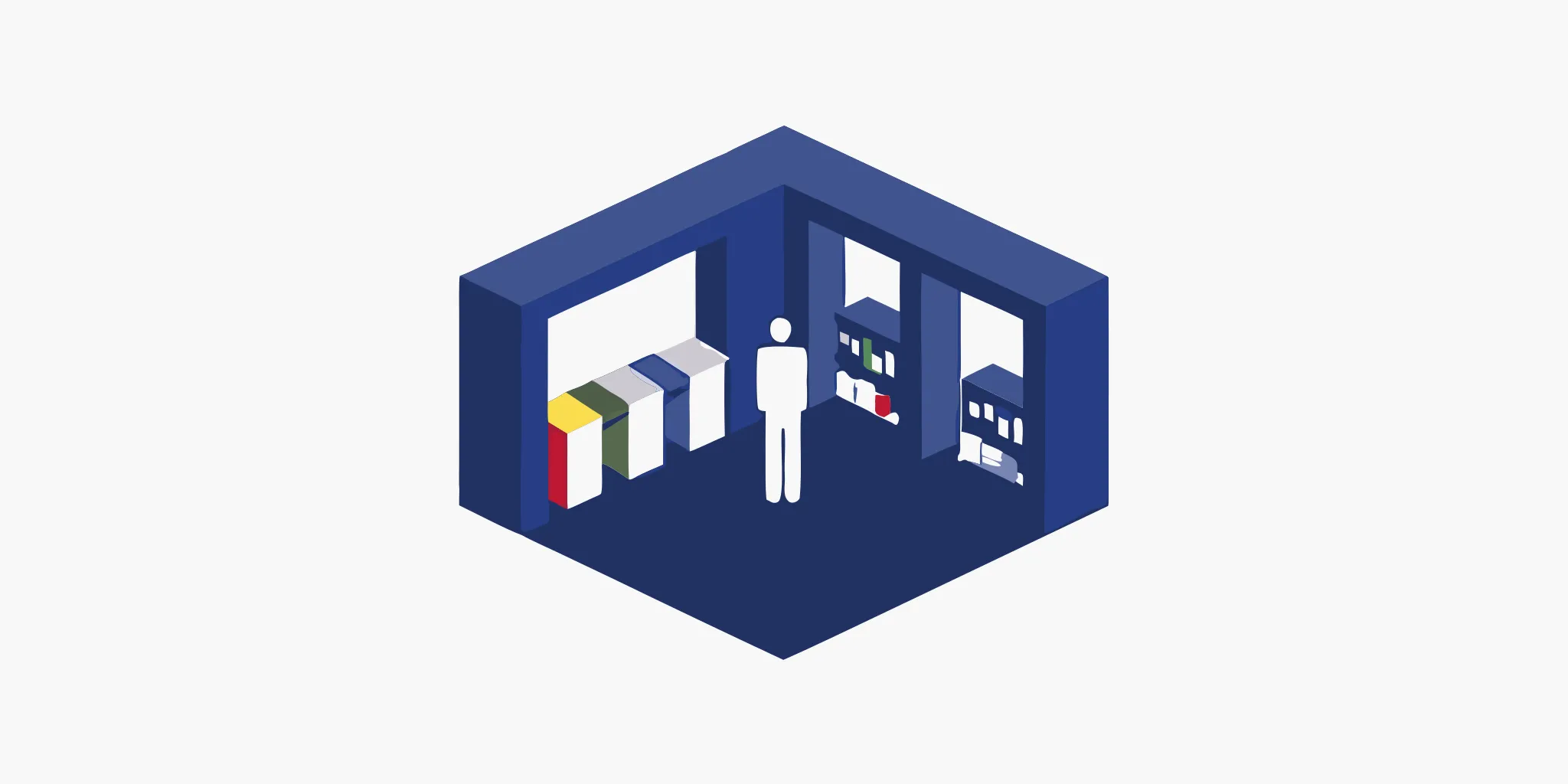


Think of your store’s fixtures and displays as your hardest-working, most effective salespeople. They work around the clock, presenting products perfectly, highlighting promotions, and telling compelling stories without ever saying a word. When designed correctly, they can stop a customer mid-stride and turn a moment of casual browsing into a completed sale. This "silent selling" is the secret to encouraging those valuable, unplanned additions to the shopping cart. This isn't about luck; it's about a deliberate strategy that uses your physical space to its full potential. We’ll walk through how to turn your store into a powerful sales engine, focusing on maximising impulse purchases in retail through smart, strategic design.
An impulse buy is any purchase a customer didn't plan on making when they walked into your store. It’s that extra candle they grab on the way to the register or the snack bar that suddenly looks too good to pass up. While these might seem like small, spontaneous decisions, they are a huge deal for retailers. In fact, some studies suggest that impulse buys can account for anywhere from 40% to 80% of all purchases, making them a powerful driver of revenue.
So, what makes someone grab that extra item? It’s usually less about logic and more about emotion. Impulse buying is often driven by a desire to feel good, celebrate a small win, or simply treat oneself. This is where your store's environment plays a massive part. A positive, engaging atmosphere can make shoppers feel happy and relaxed, making them more open to these spontaneous purchases. Everything from the music you play to the helpfulness of your staff can influence a customer's mood.
This is where the physical design of your retail space becomes critical. A well-thought-out store layout, effective lighting, and compelling point-of-purchase displays can guide customers and highlight products they might not have noticed otherwise. The impact on your bottom line is too big to ignore. As one report points out, even a 1% increase in your store's conversion rate can lead to a 10% increase in revenue. By understanding what drives impulse buys, you can strategically design your stores to capture these valuable sales and create a more successful retail environment.
To encourage impulse buys, you first have to understand why they happen. Spontaneous purchases are rarely driven by logic or need. Instead, they’re rooted in emotion, sensory experiences, and a powerful fear of missing out. When a customer walks into your store, they aren’t just looking for a product; they’re looking for an experience. The right atmosphere can make them feel happy, relaxed, and excited, creating the perfect mindset for adding a few extra items to their cart.
By tapping into these psychological triggers, you can transform your retail space from a simple point of transaction into an environment that actively encourages discovery and unplanned purchases. It’s about creating moments that connect with shoppers on a deeper level. From the way a display catches their eye to the urgency of a limited-time offer, every detail contributes to the decision to buy something on a whim. Understanding this psychology is the foundation for building a successful impulse purchase strategy that feels natural, not pushy.
At its core, impulse buying is an emotional act. People often make unplanned purchases to treat themselves, celebrate a small win, or simply get a little mood lift. A shopper might not need another scented candle, but buying it makes them feel good in the moment. This is where your store’s environment plays a crucial role. A positive and welcoming in-store experience can put customers in a happy, receptive state of mind, making them more open to buying something that catches their eye. When a product is presented beautifully and feels like a special find, it connects with a shopper's desires rather than their needs, making the decision to buy feel instant and satisfying.
What your customers see, hear, and even touch can dramatically influence their spending habits. A visually stunning display doesn’t just showcase a product; it creates an emotional pull that can be hard to resist. Think about how soft, warm lighting can make a space feel more inviting, or how upbeat music can add energy to the shopping experience. Studies have shown that slower-paced music can even encourage shoppers to linger longer and spend more. By creating a rich sensory environment, you make shopping more enjoyable and memorable. This is where thoughtful fixture design and prototyping becomes essential, as it helps you build displays that truly capture attention and engage the senses.
Humans are social creatures, and we often look to others for cues on what to buy. This is the principle behind social proof. When customers see a sign that says “Bestseller” or “Customer Favorite,” it validates the product’s quality and desirability in their minds. This simple tactic reduces hesitation and builds trust. You can also create a sense of urgency, tapping into the powerful "fear of missing out," or FOMO. Phrases like “Limited Edition” or “While Supplies Last” signal scarcity, prompting shoppers to act quickly before the opportunity is gone. This combination of social proof and urgency makes a compelling case for buying now, turning a moment of consideration into a completed sale.
Where you place your products is just as important as what you sell. A thoughtful product placement strategy guides customers toward discoveries they didn't even know they wanted to make. It’s about creating a seamless shopping journey that feels intuitive to them but is carefully designed by you to highlight specific items. By understanding the flow of your store and the psychology of your shoppers, you can turn high-traffic areas into high-conversion zones.
This isn’t about tricking customers; it’s about making shopping easier and more enjoyable. When you put the right products in the right places, you’re anticipating your customers' needs and introducing them to items that genuinely add value. Let’s break down how to position your products to catch their eye and encourage those extra in-the-moment purchases.
Every store has "hot zones"—the areas that get the most foot traffic. Think about the path most people take from the entrance, the endcaps of your busiest aisles, and, of course, the space around your checkout counter. These are your prime locations for impulse buys. Start by observing how shoppers move through your space to identify these key spots.
Once you’ve found your hot zones, remember the golden rule of retail: eye-level is buy-level. Products placed between the waist and eye level of the average shopper get significantly more attention. Use this valuable shelf space for new items, high-margin products, or popular impulse buys. A well-organized visual merchandising strategy ensures that the products you want to move are the first ones customers see.
Cross-merchandising is the art of placing related, complementary products together. It’s a simple way to remind customers of something they might need, making their shopping trip more convenient and increasing your average transaction value. For example, you might display wine openers next to the wine selection or place portable chargers near the smartphone accessories.
This strategy works because it solves a problem for the customer before they even think of it. To do it effectively, think about how your products are used together. Grouping items by occasion, like creating a "beach day" display with sunscreen, towels, and snacks, can be incredibly effective. This approach helps you tell a story with your products and inspires shoppers to add more to their carts.
The checkout counter is the single most powerful location for encouraging impulse buys. Customers waiting in line are a captive audience, often looking for a small distraction or a last-minute treat. This is the perfect spot for low-cost, high-value items like candy, magazines, gift cards, or travel-sized products.
To make the most of this space, use well-designed point-of-purchase displays that are organized, attractive, and easy to shop from. Keep the area clean and uncluttered to avoid overwhelming customers. The goal is to present a curated selection of tempting items that are easy to grab and add to a purchase without a second thought. By optimizing this final touchpoint, you can secure one last sale before the customer walks out the door.
Your store’s layout is one of your most powerful sales tools. It’s much more than a way to organize inventory; it’s a silent guide that directs the customer experience. By strategically designing your store’s flow, atmosphere, and visual presentation, you can create a journey of discovery that naturally leads shoppers to find products they didn’t even know they wanted. This isn’t about being sneaky—it’s about creating an environment that feels intuitive, engaging, and full of delightful surprises.
Every store has a natural traffic flow. Your job is to understand it and use it to your advantage. By creating a clear path, you can guide shoppers past impulse displays strategically placed throughout the store, increasing the exposure of tempting products. Think beyond the checkout line. End caps at the end of aisles, small fixtures near your most popular departments, and displays along the main walkway are all prime real estate for impulse buys. The goal is to make these items feel like organic discoveries, not obstacles. A well-managed store layout ensures customers see exactly what you want them to see, right when they’re most open to it.
The overall vibe of your store has a direct impact on how long customers stay and how much they spend. A welcoming atmosphere encourages people to relax, browse, and explore. Use focused lighting to make a display of high-margin accessories pop. Play soft, pleasant music, which can encourage a slower, more deliberate shopping pace. When customers feel comfortable and unhurried, they’re far more likely to treat themselves to an unplanned purchase. Every detail, from the temperature to the cleanliness of the floors, contributes to an environment where shoppers feel good and are more receptive to buying.
Your displays should do more than just hold products—they should tell a compelling story. Use signage, props, and creative arrangements to build a narrative that captures attention and creates an emotional connection. Instead of a simple table of candles, create a scene that evokes a cozy night in. Choosing seasonal items also makes it easy to switch up your point-of-purchase displays regularly, which is key to inspiring impulse buys from repeat customers. A great story turns a simple product into a must-have solution, and the right custom fixtures are the perfect stage to bring that narrative to life.
Point-of-purchase (POP) displays are your final, most direct pitch to the customer right before they head to the checkout. This is where a casual browser can become a buyer in an instant. But a display that’s poorly designed, cluttered, or uninspired won’t just be ignored—it can make your products look less appealing. The key is to create a display that stops shoppers in their tracks and makes the decision to buy feel easy and exciting. It’s about more than just holding products; it’s about creating a mini-experience that tells a story, solves a problem, or offers a moment of delight.
Effective POP displays are strategic. They use color, lighting, and structure to draw the eye and communicate value quickly. Think about the last time a display caught your attention. What made it work? Was it the clever arrangement of products? The clear, compelling message? Or the way it just seemed to fit perfectly within the store's environment? When you get the design right, your POP displays become silent salespeople, working hard to increase basket size and move inventory. The right design and engineering can transform a simple product showcase into a powerful sales tool, ensuring your items get the attention they deserve. Let's look at a few ways to make your displays work harder for you.
Tapping into what’s already on your customers’ minds is one of the easiest ways to make a display feel relevant. Seasonal themes connect with shoppers' feelings about a particular time of year, whether it’s the back-to-school rush, the holiday season, or the start of summer. Decorating your displays with timely colors, props, and messaging creates an immediate sense of urgency and excitement. A simple "perfect for the 4th of July BBQ" sign next to a display of sauces and snacks can be incredibly effective. This strategy makes an impulse item feel less like a random purchase and more like a timely, smart find that fits perfectly into their current plans.
Getting a product into a customer’s hands is halfway to getting it into their shopping cart. Interactive displays break down the barrier between browsing and buying. You can use small screens to show product reviews or play a quick video demonstrating how an item works. Even better, offering samples or demos allows customers to experience the product directly, which can instantly overcome any hesitation. When a shopper can taste the snack, feel the fabric, or smell the lotion, they form a personal connection with it. This hands-on engagement builds confidence and makes the decision to buy feel much less like a risk and much more like a discovery.
The fixture itself is just as important as the products it holds. A flimsy, generic, or poorly maintained display can cheapen the perception of your products, while a well-made display makes them look valuable and appealing. This is where custom fixtures make all the difference. They allow you to present your products in the best possible light, with perfect organization and branding that tells your story. Keeping displays neat, organized, and fully stocked is crucial. A custom-designed unit ensures every item has its place, preventing clutter and making the product the hero. It’s an investment that not only grabs attention but also communicates quality and care, encouraging customers to add that extra item to their cart.
Everyone loves a good deal. Strategic discounts and promotions are some of the most effective tools you have for encouraging shoppers to make that unplanned purchase. It’s not just about slashing prices; it’s about creating a perception of value that’s too good to pass up. When a customer feels like they’re getting a special, exclusive offer, the emotional satisfaction of scoring a bargain can easily override their practical shopping list.
The key is to make these promotions impossible to miss. This is where your in-store merchandising comes into play. A simple sale sign can get lost in a cluttered environment, but a well-placed promotion highlighted on a custom point-of-purchase display captures attention immediately. By integrating your promotional strategy with your store’s physical layout and fixtures, you create a powerful combination that guides customers toward a spontaneous purchase. The right custom fixture program ensures your best offers are always front and center, turning a casual browse into a successful sale.
One of the strongest psychological triggers for an impulse buy is the fear of missing out, or FOMO. Limited-time offers tap directly into this feeling. Phrases like “Sale ends today” or “Limited quantity available” create a sense of urgency that prompts customers to act now rather than later. This tactic short-circuits the typical decision-making process, encouraging shoppers to grab the item before the opportunity disappears. To make these offers effective, display them prominently with clear, bold signage on end caps or at the checkout counter. The goal is to make the customer feel that if they walk away, they’ll lose out on a fantastic deal.
Promotions aren’t just about selling one more item; they can also persuade customers to buy several. Product bundling, like a “buy one, get one free” deal or a curated gift set, increases the perceived value of a purchase. The customer feels like they’re getting more for their money, which makes it easier to justify buying more than they originally planned. You can also use add-on promotions, like “buy any two items and get a third for 50% off.” This strategy works especially well when you have fixtures specifically designed to showcase these bundles, making the offer clear and visually appealing. Thoughtful design and engineering can create displays that make these deals irresistible.
Price anchoring is a simple but powerful psychological tactic. It works by establishing a reference point—the anchor—that makes a sale price look much more attractive. By displaying the original, higher price directly next to the discounted price (e.g., “Was $50, Now $35”), you frame the offer as a significant saving. This visual comparison makes the deal feel more substantial and triggers an emotional response. Customers are more likely to feel they’ve found an incredible bargain, making the impulse to buy much stronger. Use clear signage on your displays to highlight this contrast and make the value proposition instantly obvious to anyone walking by.
Bringing technology into your physical store isn't about competing with your online presence—it's about making it stronger. When you blend digital tools into the in-store experience, you create a more dynamic, engaging, and convenient environment for your customers. This seamless integration can be a powerful driver for impulse purchases, giving shoppers immediate access to information and offers that encourage them to act on the spot. Think of it as giving your customers the best of both worlds: the instant gratification of online shopping combined with the tangible experience of being in your store.
By making your retail space more interactive, you can capture a shopper's attention in new and exciting ways. Digital touchpoints like interactive screens or augmented reality mirrors can provide extra product details, showcase social proof, or present a surprise discount—all of which can turn a moment of hesitation into a confident purchase. The key is to use technology to remove friction and add value, making it easier and more tempting for a customer to say "yes" to that unplanned item. A well-designed strategy ensures these digital tools feel like a natural part of the shopping journey, not a clunky add-on. Our approach to custom fixture programs often includes integrating these digital elements to create a cohesive and effective shopping journey from the moment a customer walks in.
QR codes are one of the simplest yet most effective ways to connect your physical and digital worlds. A quick scan with a smartphone can instantly transport a customer from your aisle to a wealth of online content. As one study notes, QR codes can serve as a bridge between the online and offline shopping experiences, allowing customers to quickly access product information, promotions, or even exclusive online deals while they are in-store. Imagine a customer looking at a new gadget; a QR code on the display could link them to a demo video, glowing reviews, or a special bundle offer, providing that final nudge they need to make a purchase right then and there.
Technology can make the in-store experience feel incredibly personal, which is a huge factor in encouraging impulse buys. By implementing in-store tech, you can offer personalized recommendations that make the shopping journey more engaging and tailored to individual preferences. This could be an interactive screen next to a display that suggests complementary products or a tablet that allows shoppers to see how an item would look in different settings. When you leverage technology to provide personalized suggestions that resonate with customers, you’re not just selling a product; you’re offering a solution, which makes an impulse purchase feel less like a splurge and more like a smart decision.
Putting together a strategy to encourage impulse buys is a great step, but a few common missteps can undo all your hard work. It’s not just about what you do, but also what you don’t do. Think of it like this: you can have the most appealing, well-priced product, but if it’s presented poorly or in the wrong context, shoppers will walk right by.
Avoiding these pitfalls is key to making sure your efforts actually translate into sales. A successful impulse buy strategy feels seamless and natural to the customer—it never feels forced or overwhelming. By sidestepping these common errors, you can refine your approach and create an environment where customers are genuinely excited to add that little extra something to their cart. Let’s walk through what to watch out for.
You might be tempted to pack as many products as possible into a point-of-purchase display, but this almost always backfires. When a display is too crowded, it creates visual noise that makes it difficult for a customer’s brain to focus. Instead of seeing a great deal or a must-have item, they just see a mess and move on. The goal is to make the decision easy, not to present every single option at once. A clean, organized display with a clear focal point is far more effective. Our team specializes in designing custom fixtures that present your products in a way that is both organized and appealing, ensuring each item gets the attention it deserves.
Have you ever stared at a restaurant menu with hundreds of options and felt completely unable to decide what to order? That’s choice paralysis, and it happens in retail, too. Giving customers too many choices can make them feel overwhelmed, leading them to buy nothing at all. Instead of offering 20 different types of lip balm at the checkout counter, curate a selection of your top three bestsellers. By limiting the options, you make the decision-making process faster and less stressful. This focused approach not only helps guide the customer but also makes your merchandising look more intentional and confident.
An impulse buy is an emotional decision, and a customer’s mood is heavily influenced by their surroundings. You can have the perfect display, but if the store is messy, the music is jarring, or the lighting is poor, you’ve already lost the battle. A positive shopping environment makes people feel good, and when people feel good, they’re more likely to treat themselves. Everything from a clean floor to friendly staff contributes to an atmosphere that encourages browsing and discovery. A great in-store experience is the foundation upon which all other sales strategies, including impulse buys, are built. That's why our project management services ensure every detail is handled, creating a consistently excellent environment across all your locations.
Creating a strategy to encourage impulse buys is a great first step, but how do you know if it’s actually working? You can’t just set up a few displays and hope for the best. Measuring your success is the only way to refine your approach, fix what’s broken, and double down on what works. It’s about turning guesswork into a data-driven plan that consistently performs.
A successful measurement strategy combines hard numbers with real-world human behavior. By looking at sales data, testing your ideas, and listening to your customers, you can get a complete picture of your performance. This allows you to make smart, informed decisions that improve the customer experience and your bottom line. Let’s break down how you can effectively measure the impact of your impulse purchase strategy.
The numbers don’t lie. Start by digging into your sales data to see the impact of your new displays and promotions. Key metrics to watch include the average transaction value (ATV), units per transaction (UPT), and the sales velocity of specific impulse items. Are customers adding more to their carts since you redesigned the checkout counter? Are certain bundled products flying off the shelves? By analyzing purchase histories, you can start to understand which incentives are most effective. A solid project management plan will ensure you're consistently tracking these metrics across all your locations for a clear, big-picture view.
The best way to find out what truly works is to test it. A/B testing involves comparing two versions of a single variable to see which one performs better. For example, you could run a "Buy One, Get One Free" promotion in half of your stores and a "50% Off Two Items" promotion in the other half to see which one drives more sales. The same goes for your fixtures. You can work with a partner to design and prototype two different point-of-purchase displays and place them in similar store environments. After a set period, compare the sales data to see which design was more effective at converting browsers into buyers.
Data tells you what is happening, but customer feedback tells you why. Don’t underestimate the power of direct observation and conversation. Watch how shoppers interact with your displays. Do they stop and look, or do they walk right by? Are they confused by an offer or excited by it? You can also gather feedback through short surveys or by simply asking customers for their thoughts at checkout. Making customer feedback a core part of your strategy helps you stay ahead of trends, innovate faster, and build stronger relationships with the people who matter most.
What are the best types of products to use for impulse buys? The most effective impulse items are typically low-cost, easy to understand, and provide a small, immediate reward. Think of things that don't require a lot of thought, like snacks, drinks, travel-sized toiletries, or fun seasonal accessories. These products should solve a simple problem or offer a little treat, making them an easy "yes" for a customer who is already in the process of making a purchase.
If I can only focus on one area of my store, where should I start? Without a doubt, start with your checkout counter. This is the single most valuable piece of real estate for encouraging impulse buys. Customers waiting in line are a captive audience, and their minds are already in "buying" mode. A well-organized, attractive display of small, tempting items here can make a significant impact on your average transaction value with minimal effort.
How can I encourage impulse buys without making my store feel cluttered or pushy? The key is curation and integration. Instead of overwhelming shoppers with options, carefully select a few key items for your displays. A clean, organized presentation makes products look more appealing, not desperate. The goal is to make these items feel like helpful suggestions or delightful discoveries that fit naturally into the shopping journey, rather than aggressive sales pitches that get in the way.
How often should I update my impulse displays to keep them effective? A good rule of thumb is to refresh your main impulse displays at least monthly, and even more frequently for seasonal themes. Regular customers can become blind to displays that never change. By rotating products and updating your themes for holidays or local events, you create a sense of newness and discovery. This gives repeat shoppers a reason to pay attention and see what's new each time they visit.
Do I need expensive custom fixtures to make this strategy work? While custom fixtures are incredibly effective for creating a polished and branded look, you don't need a massive budget to get started. The most important thing is that your displays are clean, organized, and well-lit. A simple, sturdy fixture that presents your products clearly is far better than a cheap, flimsy one. As you see success, you can invest in custom solutions that are perfectly tailored to your space and products.
Subscribe for expert insights on fixture design, materials, and modern retail environments.