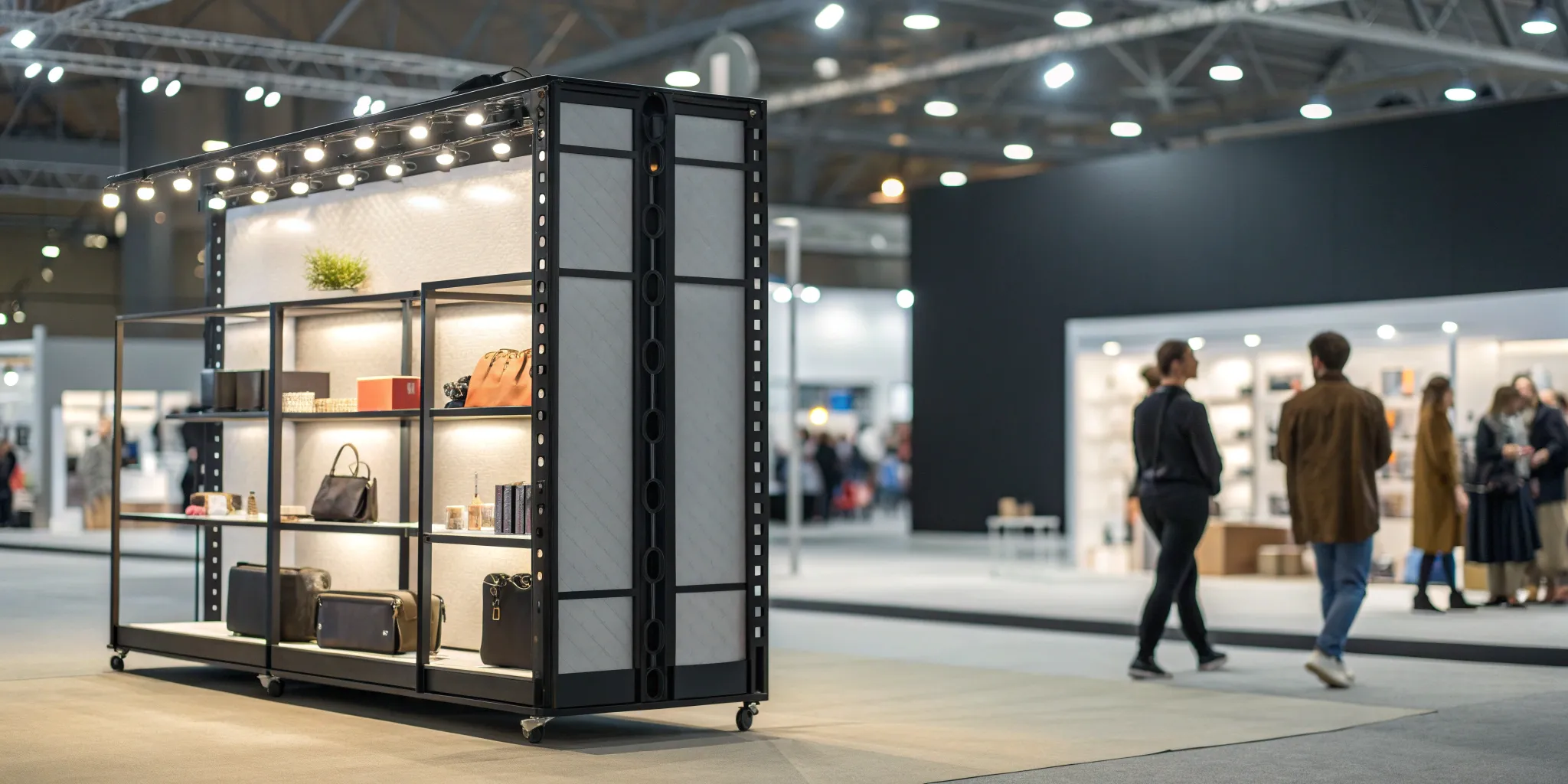


Anyone who has managed a trade show knows the real work happens long before the doors open. The logistical challenges of shipping heavy crates, deciphering complex assembly instructions, and dealing with expensive drayage fees can be a nightmare. This behind-the-scenes chaos drains your team's energy before they’ve even spoken to a single potential customer. Modern portable retail displays for trade shows are designed to eliminate these headaches. Built with lightweight materials, intuitive tool-free assembly, and compact shipping cases, they streamline the entire process. This practical approach saves you time, money, and stress, freeing your team to focus on what truly matters: connecting with people and growing your business.
Trade shows are a major investment, so your booth needs to do more than just show up—it needs to stand out. This is where portable retail displays come in. They offer a powerful combination of visual impact, practicality, and cost-effectiveness that makes them a strategic choice for any business. Instead of dealing with the logistical headaches of traditional setups, portable displays give you the flexibility to create a compelling brand experience anywhere. They are designed for businesses that need to make a strong impression, show after show.
In a sea of competitors, your trade show booth needs to be a beacon for your brand. Portable displays are designed to capture attention and draw attendees in. With vibrant graphics, smart lighting, and innovative designs, you can create an environment that stops people in their tracks. This increased visibility isn't just for show; it directly translates to more foot traffic, more meaningful conversations, and more qualified leads. By making it easier for potential customers to find and engage with your brand, you set the stage for a much higher return on your trade show investment.
Trade show expenses can add up quickly. Portable displays offer a cost-effective alternative to bulky, one-off fixtures. They are lighter and easier to transport, which cuts down on shipping and drayage fees. Plus, their durability and modular nature mean you can reuse them for multiple events, adapting the configuration as needed. This reusability is key to maximizing your budget. Investing in a high-quality, adaptable display system means you're not just buying a fixture for one show; you're creating a long-term asset that supports your marketing efforts for years. This approach also aligns with sustainable practices by reducing waste.
No two trade show floors are the same. Booth sizes and layouts can vary dramatically, and your display needs to adapt. The beauty of portable displays lies in their modularity. Components like portable counters, towers, and backlit walls can be reconfigured to fit a 10x10 space as easily as a 20x20 island booth. This flexibility allows you to create custom environments tailored to each event's goals, whether you need an open layout for demonstrations or a more intimate meeting space for serious discussions. A versatile display system ensures your brand presentation is always professional and impactful, no matter the venue.
The most effective trade show displays don’t just look good—they work hard. They’re designed with specific features that make them durable, eye-catching, and easy to manage. When you’re planning your next display, think beyond the basic structure and consider the elements that will truly make an impact on the trade show floor. From the materials you choose to the technology you integrate, every detail contributes to a display that attracts visitors, communicates your brand message, and stands up to the demands of a busy event schedule.
Your trade show display is an investment, and it needs to withstand the rigors of shipping, setup, and teardown, show after show. Opting for durable, high-quality materials from the start saves you money and stress in the long run. Sturdy frames, scratch-resistant surfaces, and premium fabrics ensure your display looks fresh and professional every time you use it. A well-built display reflects the quality of your brand. When you work with an experienced partner, you can trust that your fixtures are built to last, using materials that meet the highest standards for safety and performance. This commitment to quality manufacturing is the foundation of a successful and long-lasting trade show presence.
In a crowded exhibition hall, you have only a few seconds to capture someone's attention. This is where powerful graphics come in. Your display’s visuals should be bold, clear, and instantly communicate who you are and what you do. Use high-resolution images, a compelling color palette, and concise, easy-to-read text. Think of your backwall as a billboard—it needs to make a statement from across the room. Innovative display solutions are essential for any company looking to stand out and draw in attendees. By focusing on a strong visual hierarchy, you can guide visitors’ eyes to your key messages and products, turning a passing glance into a meaningful conversation.
A great portable display isn’t just effective on the show floor; it’s also practical behind the scenes. Features like lightweight construction, modular components, and custom-designed shipping cases make a world of difference. Look for displays that are intuitive to assemble and disassemble, minimizing the need for specialized tools or extensive labor. Modern portable systems have been perfected for superior performance and ease of use. Efficient logistics and distribution are just as important as the display itself, ensuring everything arrives on time and in perfect condition. A display that’s easy to manage allows your team to focus on what really matters: connecting with potential customers.
Lighting is one of the most effective ways to make your display stand out. Backlit graphics, spotlights on key products, and ambient lighting can transform a standard booth into a dynamic and inviting space. Light draws the eye and creates a high-end, professional atmosphere that makes your brand look more established. Innovative lighting options ensure your graphics and products pop, capturing attention from every angle. Beyond lighting, consider integrating technology like charging stations or product demo screens. These thoughtful additions enhance the visitor experience and provide practical value, encouraging people to stay in your booth longer.
Getting attendees to engage with your booth is key to creating memorable experiences. Interactive elements turn passive viewing into active participation. Consider incorporating touchscreens with product information, digital games, or hands-on product demonstrations. When you encourage customers to touch and feel your products, you create a much stronger connection than simply showing them a picture. These interactive features not only attract visitors but also serve as excellent conversation starters for your sales team. By making your booth a destination for engagement, you can generate more qualified leads and make a lasting impression long after the show ends.
As more companies prioritize environmental responsibility, sustainable design has become a significant consideration for trade show displays. Choosing eco-friendly materials, such as recycled substrates and non-toxic inks, demonstrates your brand's commitment to sustainability. You can also opt for modular displays that can be reconfigured for different spaces and events, extending their lifespan and reducing waste. These adaptable designs are not only better for the planet but can also be a smart financial investment. By embracing sustainable promotional materials, you can appeal to environmentally conscious consumers and align your brand with modern values, all while maintaining a stunning and effective presence.
Choosing the right portable display is about matching your trade show goals with the right tools. Whether you need a massive, eye-catching backdrop or a simple, functional counter, there’s a portable solution designed to meet your needs. The key is to understand what each type does best so you can build a booth that not only looks great but also works hard for your brand. From classic pop-ups to tech-savvy digital integrations, these displays are engineered for impact and convenience. Let’s look at some of the most effective options that can help you stand out and connect with your audience.
Think of a pop-up display as your portable billboard. It’s often the largest graphic element in your booth, creating a professional backdrop that instantly communicates your brand identity. These displays use a lightweight, collapsible frame that expands into place, and a large fabric graphic attaches smoothly to create a seamless image. While they’ve been a trade show staple for years, modern pop-ups have been perfected for even better performance, with options like backlighting to make your graphics glow. They provide maximum impact for their footprint and are surprisingly easy to set up, making them a go-to for creating a polished, immersive environment.
Banner stands are the versatile workhorses of the trade show world. They are incredibly portable, cost-effective, and can be set up in seconds. Retractable systems, where the graphic rolls into a base, are especially popular for their durability and ease of transport. You can use them to flank a larger backwall, highlight a new product, or guide attendees through your space. Because they offer a vertical canvas, banner stands are perfect for drawing the eye upward and making a statement even in a crowded hall. They are an essential tool for any company looking to add layers and messaging to their booth without a complicated setup.
If you’re working with a smaller booth or want to add an informational hub to a larger space, tabletop displays are a fantastic choice. They pack a professional punch in a compact size. For even greater flexibility, consider modular displays. These systems are made of interchangeable components that you can reconfigure to fit different booth sizes and layouts. This adaptability makes them a smart, long-term investment. As a bonus, using a display that can be adapted and reused is a more sustainable choice, reducing waste from show to show. This approach allows your display to evolve with your marketing needs.
A portable counter or kiosk acts as the natural focal point of your booth. It’s a branded home base where your team can greet visitors, demonstrate products, and capture leads. More than just a table, these fixtures are designed with features like internal shelving for storage, wire management for electronics, and high-quality graphic wraps. They help you create a dedicated space for meaningful conversations, away from the noise of the show floor. A well-designed counter makes your booth feel more established and inviting, encouraging attendees to step in and learn more about what you have to offer.
Integrating digital elements into your portable display can make your booth more dynamic and engaging. This can be as simple as mounting a screen to your backwall to play a brand video or as interactive as setting up tablets on a kiosk for attendees to browse your catalog. Digital tools allow you to share a huge amount of information without cluttering your space with text. You can also use them to tailor your messaging to different audiences or update promotions on the fly. By combining physical fixtures with digital content, you create a modern, multi-sensory experience that captures attention and makes a lasting impression.
Selecting the right portable display for a trade show feels like a huge decision, because it is. This single element sets the stage for every interaction you'll have, acting as your brand’s physical handshake. The best choice isn't just about looking good; it's a strategic move that balances visual appeal, practical function, and your budget. Think of it as the foundation of your trade show presence—it needs to be strong, inviting, and perfectly aligned with your goals. An innovative display is an essential tool for any company looking to stand out and draw the attention of attendees.
Making the right choice means thinking through a few key factors before you commit. You’ll want to consider the physical space you’re working with, who will be setting it up, how much you want to invest, and how the design reflects your brand's identity. It's about creating an environment that tells your story the moment someone walks by. By carefully weighing these elements, you can find a display that not only showcases your products but also creates a memorable experience for everyone who stops by. S-CUBE’s comprehensive design and manufacturing services can help you find that perfect fit, ensuring your vision comes to life exactly as you imagined.
Before you fall in love with a display design, get the exact specifications of your booth space. A 10x10 booth has very different needs than a 20x20 island. Consider the flow of traffic and how you want attendees to move within your area. If you sell smaller items like cosmetics or jewelry, a set of tabletop displays might be perfect. For larger products like apparel or electronics, you’ll likely need freestanding fixtures or a more substantial backwall to make an impact. Also, always check the venue’s rules—many have height restrictions or regulations about hanging signage that could affect your plans.
The last thing you want on the morning of a big show is a complicated display that takes hours and a specialized team to assemble. Many modern portable displays are designed for quick, tool-free setup. You’ll often see terms like "flat-packed" or "knock-down" (KD), which means the fixtures ship in parts for you to put together on-site. This approach saves on shipping costs and makes transport easier. Consider who will be responsible for setup. If it’s your sales team, prioritize a display that is intuitive and lightweight. Efficient project management ensures these logistical details are handled smoothly from start to finish.
Portable display prices can range from a few hundred dollars for a simple banner stand to thousands for a custom modular system. It’s important to set a realistic budget from the start, but also to think of it as an investment. Your display is a long-term asset that can be used for multiple shows, so durability and quality matter. When planning your budget, think beyond the initial purchase price. Factor in potential costs for shipping cases, graphics, lighting, and transportation. A clear budget helps you focus on the options that will deliver the most value and impact for your brand.
Your trade show booth is a physical extension of your brand. The materials, colors, and overall style of your display should instantly communicate who you are. A tech company might opt for a sleek, minimalist design with integrated digital screens, while a wellness brand might choose natural wood tones and soft lighting. The goal is to create a cohesive and immersive experience that feels authentic. This is where thoughtful design and prototyping become critical, ensuring every element, from the finish on a counter to the font on a graphic, aligns perfectly with your brand identity.
How do you want people to interact with your products? The answer will guide your display choices. If you want customers to touch and feel your merchandise, you’ll need accessible shelves, counters, or racks. If your product is best explained through a demonstration, a kiosk with a monitor might be the centerpiece of your booth. Portable displays are often more lightweight and affordable than permanent store fixtures, giving you the flexibility to create a custom feel for each event. Take a look at past projects to see how different brands have solved their unique product display challenges.
Choosing the right manufacturer for your portable display is one of the most important decisions you’ll make for your trade show strategy. This isn’t just about buying a product; it’s about forming a partnership with a team that can bring your brand’s vision to life. The right partner will understand your goals, work within your budget, and deliver a high-quality display that stands up to the demands of travel and repeated use. They act as an extension of your team, managing the details so you can focus on making connections and closing deals on the show floor. A great partner ensures your display is not only visually stunning but also functional, durable, and delivered on time, every time.
At S-CUBE, we specialize in creating innovative, reliable, and cost-effective portable displays that make a statement. We see ourselves as more than just a manufacturer; we are your strategic partner in creating successful retail and event environments. Our comprehensive range of services covers everything from initial design and engineering to manufacturing, logistics, and quality control. This end-to-end approach means we manage every detail of your project, ensuring a seamless process and a final product that meets your exact specifications. Our commitment to superior quality and customer satisfaction means you get a display that not only looks great but is built to last, giving you a strong return on your investment.
When you're evaluating potential partners, look beyond the price tag. A great manufacturer will have a proven track record and a portfolio that showcases their capabilities. Ask to see examples of their past work to get a feel for their style and quality. It’s also important to choose a company that offers a wide range of solutions, including custom fixtures and lighting, to ensure your display is unique. A transparent process is another key indicator of a reliable partner. They should be able to walk you through their steps for design, engineering, and prototyping, so you know exactly what to expect.
A flimsy or poorly constructed display can seriously detract from your brand’s image. To get the most out of your trade show investment, it’s essential to partner with a manufacturer that prioritizes quality materials and construction. This focus on quality helps you avoid common display mistakes, like broken parts or graphics that don’t align properly. Equally important is robust customer support. A dedicated project management team can help you handle any challenges that arise, from last-minute changes to complex shipping logistics. This level of support ensures a smooth, stress-free experience from start to finish.
A trade show floor is a sea of sights and sounds, and your display needs to be a lighthouse. Simply showing up isn’t enough; you have to create a space that actively draws people in. The right design elements can turn your booth from a simple backdrop into a destination that attendees feel compelled to visit. It’s about making strategic choices with color, lighting, and product placement to tell your brand’s story in a way that’s impossible to ignore. When you get these details right, you create an environment that not only looks great but also drives meaningful conversations and connections.
Your brand’s colors are one of your most powerful assets, so use them wisely. A strategic color palette can set the mood and make your booth instantly recognizable from across the hall. Think about contrast and visibility—bold, vibrant colors can grab attention, while a more muted, sophisticated palette can create a high-end feel. Your typography is just as important. Choose fonts that are clean, legible from a distance, and consistent with your brand identity. Your key messages should be short and impactful. Modern displays like modular backlit walls are perfect for making your colors and graphics pop, ensuring your branding looks sharp and professional. You can see how we bring brands to life in our work with other retailers.
Your products are the main event, and your display should make them shine. The goal is to create a visual journey that guides attendees through your offerings. Use a mix of display heights and styles, like towering banner stands or sleek shelving units, to create depth and interest. Arrange products in a way that feels intuitive and inviting, encouraging people to step closer and interact. An effective display doesn’t just hold your products; it presents them in a way that highlights their best features and tells a story. By creating an organized and visually appealing showcase, you make it easy for visitors to understand what you do and why it matters.
Never underestimate the power of good lighting. It can completely transform the look and feel of your booth, drawing the eye to key areas and creating a warm, welcoming atmosphere. Backlighting your graphics can make them stand out dramatically, while spotlights can turn a featured product into a hero piece. LED lighting is a fantastic, energy-efficient option that can be integrated directly into your fixtures, from counters to shelving. Thoughtful lighting design adds a layer of professionalism and polish that sets you apart from competitors. It’s a critical part of the design and engineering process that ensures your display looks its best under any condition.
The most memorable booths are the ones that offer an experience. Incorporating interactive elements gives attendees a reason to stop, stay, and engage with your brand on a deeper level. This could be anything from a touchscreen display where visitors can browse your catalog to a hands-on product demonstration. Even simple additions like a charging station or a digital game can significantly increase dwell time and create positive associations with your brand. When you give people something to do, you move them from being passive observers to active participants. This not only makes your booth more memorable but also opens up more natural opportunities for your team to start a conversation.
Investing in a portable display is a big step, and you want to make sure it pays off. A great display can draw in crowds and create lasting brand impressions, but a few common missteps can undermine your efforts. By planning ahead and thinking through the details, you can sidestep these pitfalls and ensure your trade show presence is polished, professional, and effective. Let’s walk through some of the most frequent mistakes and how you can steer clear of them.
It’s easy to get excited about a display design, but buying before you know your exact booth dimensions is a classic case of putting the cart before the horse. A display that’s too large for your space is an impossible problem to solve on-site, while one that’s too small will look underwhelming and get lost in the crowd. Before you commit to a purchase, get the precise measurements for your assigned space from the event organizer. Think about not just the footprint, but also height restrictions and the overall flow of traffic you want to encourage within your booth. A well-thought-out booth layout makes all the difference.
The price you see online for a portable display is rarely the final cost. Many first-time exhibitors get caught off guard by the additional expenses that come with trade shows, from shipping and drayage (the fee for moving your materials from the loading dock to your booth) to installation labor and potential repairs. It's tempting to opt for a cheaper display, but many online options lack the durability needed for repeated use. Instead, create a comprehensive budget that accounts for all potential costs. Investing in high-quality, durable hardware from a reliable manufacturing partner will save you money on replacements and repairs in the long run.
Your trade show booth is a physical representation of your brand. Every element—from the colors and fonts on your backwall to the materials used in your counters—should align with your company’s identity. When your display looks disconnected from your website or other marketing materials, it can confuse visitors and dilute your brand message. To create a cohesive and memorable experience, ensure your display’s design follows your brand guidelines precisely. Looking at examples of successful retail environments can provide inspiration for creating a strong, consistent brand presence that resonates with your target audience and builds trust.
A stunning display is only effective if you can get it to the show and set it up without a major headache. Many exhibitors focus on the visual appeal and forget to consider the practicalities of assembly and transportation. Before you buy, ask critical questions: How heavy are the components? Do they pack down into manageable cases? Can your team assemble it easily, or will you need to hire specialized labor? Choosing a display that is intuitive to set up will save you time, stress, and money. A partner with expertise in logistics and distribution can help you navigate these challenges and ensure your display arrives safely and on time.
A stunning portable display is your ticket into the conversation, but it’s your strategy that turns that conversation into new business. Once you’ve invested in the perfect display, the next step is to build a plan around it. From setup to teardown and everything in between, a thoughtful approach ensures you’re not just showing up, but you’re showing up to win. These steps will help you maximize your presence and see a real return on your trade show investment.
To make the most of your investment, it's essential to avoid common mistakes that can hurt your display’s effectiveness. Start by defining what success looks like for this specific show. Are you aiming to collect 100 qualified leads, book 20 sales meetings, or increase brand recognition with a key demographic? Your goals will dictate everything from your messaging to your staffing. Once you have clear objectives, you can design your booth experience to meet them. This includes planning your layout for smooth traffic flow, preparing any giveaways or marketing materials, and creating a schedule for your team. A solid plan is your roadmap to a successful event.
There’s nothing worse than struggling with a complicated setup as the show doors are about to open. "Putting the cart before the horse" is a common mistake when buying an exhibit, so it’s crucial to understand the assembly process before you commit. When choosing a display, ask for a demonstration or detailed instructions. A well-engineered display should be intuitive and quick to assemble, saving you time, stress, and labor costs. Practicing the setup with your team beforehand ensures everyone knows their role. A smooth assembly process lets you focus your energy on what really matters: connecting with attendees. This is where working with an experienced partner on design and prototyping pays off.
Your team is the living, breathing extension of your brand, and their performance can make or break your trade show experience. Most on-site mistakes are avoidable with the right preparation, so invest time in training your staff. Equip them with key talking points, answers to frequently asked questions, and a clear understanding of your event goals. Role-playing different scenarios can build their confidence and help them engage attendees more naturally. Set clear expectations for lead capture and schedule breaks to keep everyone energized. A well-prepared, enthusiastic team is your greatest asset for creating memorable interactions and achieving your objectives.
The life of your trade show display extends far beyond the event floor. Proper care and maintenance are critical for protecting your investment and ensuring it looks sharp for years to come. After each show, take the time to clean all surfaces and inspect for any damage. Make repairs promptly to prevent small issues from becoming bigger problems. Store your display in its protective cases in a clean, dry environment. A great inventory and warehouse management system can be a lifesaver here. A well-maintained display not only looks more professional but also saves you money on costly last-minute replacements.
Your display is designed to draw people in, but you need a clear strategy to convert that foot traffic into tangible leads. Start with a compelling call-to-action that tells visitors exactly what you want them to do, whether it’s signing up for a demo or entering a giveaway. Use technology like badge scanners or tablets to capture contact information quickly and accurately. This also allows you to add notes to qualify leads on the spot. Most importantly, have a follow-up plan ready to go. A prompt, personalized email or call after the show keeps the conversation going and turns a promising interaction into a real business opportunity.
How long can I expect a portable display to last? Think of a quality portable display as a long-term asset, not a one-show wonder. With proper care, a well-built system made from durable materials should last for years, covering dozens of events. The lifespan really depends on the quality of the initial construction and how you maintain it. Investing in sturdy frames, scratch-resistant surfaces, and protective transport cases from the start is the key to ensuring your display looks professional and polished every time you use it.
Do I need a special team for setup, or can my sales staff handle it? Most modern portable displays are designed specifically for easy, tool-free assembly that your own team can manage. The goal is to make setup intuitive and quick, often taking less than an hour. Before you buy, it's always a good idea to ask about the assembly process. A good partner can walk you through the steps to ensure you choose a system that matches your team's comfort level, saving you the cost and hassle of hiring a dedicated installation crew.
My brand has a very specific look. Can a portable display truly feel custom? Absolutely. The idea that portable means generic is a thing of the past. Customization is where these displays truly shine. Through high-impact graphics, strategic lighting, and unique configurations of modular components, you can create a booth that is a true extension of your brand. Working with a design partner allows you to tailor every element, from the finish on a counter to the shape of your backwall, to create an immersive environment that feels anything but standard.
Beyond the display itself, what are the other costs I should plan for? It's smart to think about the total cost of exhibiting, not just the price of the hardware. Your budget should also account for shipping the display to the venue and drayage, which is the fee convention centers charge to move it from the loading dock to your booth space. You should also factor in the cost of designing and printing graphics, as well as any potential electricity fees if you plan to use lighting or digital screens. Planning for these expenses upfront helps avoid any surprises.
What’s the first step I should take when choosing a display for a specific show? Before you even start looking at display options, your first step should be to confirm the exact specifications of your booth space and the venue's rules. Get the precise dimensions, find out about any height restrictions, and understand the traffic flow of the event. Knowing your physical constraints will immediately narrow down your choices and ensure you select a display that fits perfectly and makes the most of the space you have.
Subscribe for expert insights on fixture design, materials, and modern retail environments.