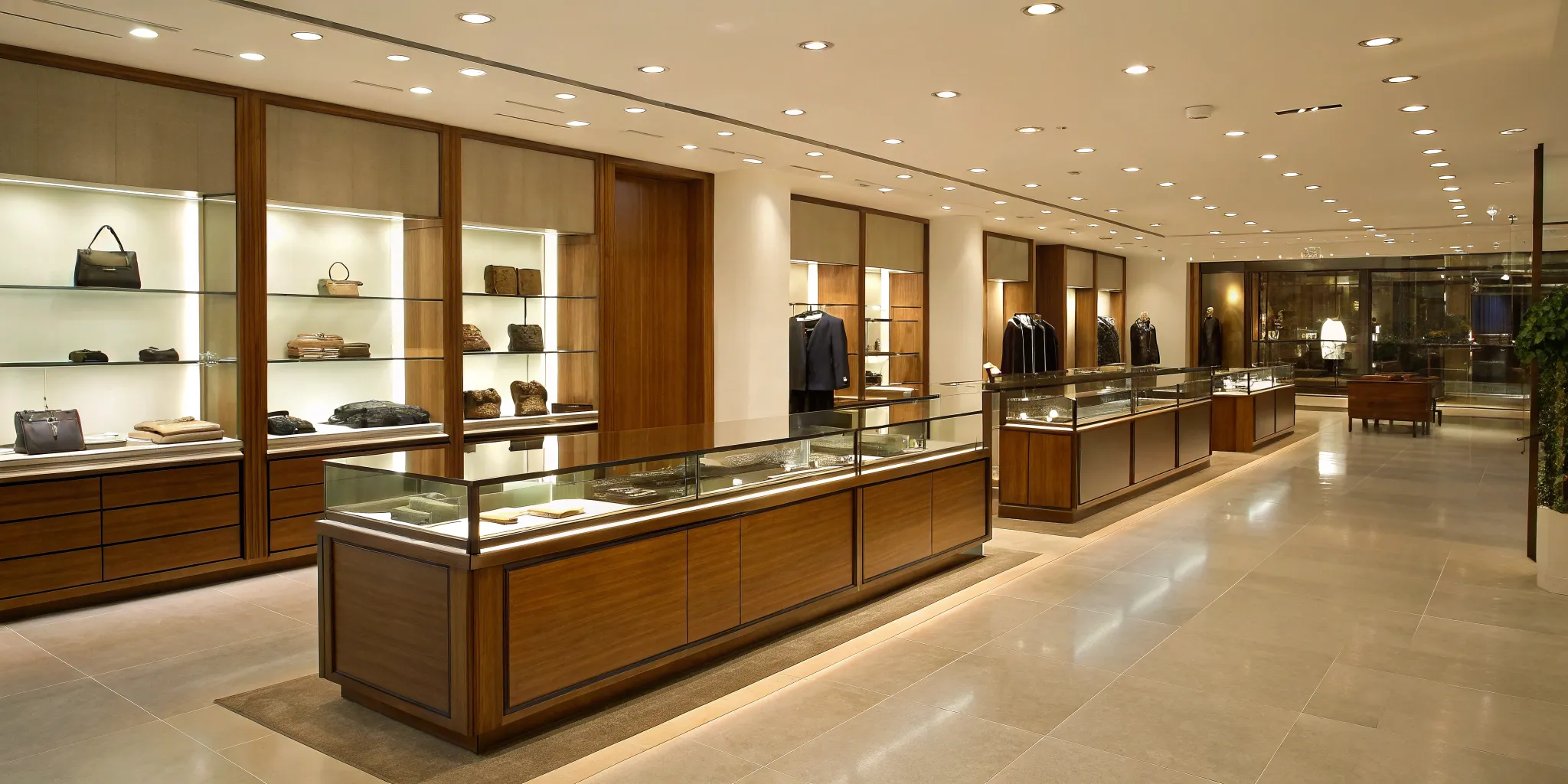


The space around your checkout is some of the most valuable real estate in your entire store. While customers wait to pay, they are a captive audience, making it the perfect moment to drive impulse buys. Your counter isn't just a transaction station; it's your most powerful silent salesperson. A cluttered, poorly designed counter creates friction and misses this opportunity. But a strategic one, with integrated displays and a clear layout, can significantly lift your sales. This guide will teach you how to transform your retail counters from simple utilities into dynamic selling tools that improve your bottom line.
Think of your retail counter as the final handshake with your customer. It’s where transactions happen, but its role goes far beyond just holding a cash register. This single fixture is a powerhouse for customer service, a silent salesperson, and a core piece of your brand's physical identity. A well-designed counter makes the checkout process smooth, encourages last-minute purchases, and leaves a lasting positive impression that keeps people coming back.
When planned correctly, the retail counter becomes the anchor of your store's layout. It guides the natural flow of traffic and serves as a central hub for interaction between your staff and shoppers. It’s not just a piece of furniture; it’s a strategic tool that can directly impact your sales and customer satisfaction. Investing in the right counter means investing in a better experience for everyone who walks through your doors.
Your retail counter wears many hats. While its primary job is to process sales, it also serves as your store’s command center. This is where customers come for help, to ask questions, and to make returns. A functional counter provides your staff with an organized space to work efficiently, keeping everything they need within arm’s reach.
Beyond its operational duties, the counter is a prime merchandising spot. It acts as a display case for high-margin items, new arrivals, or gift cards, capturing shoppers' attention while they wait. Ultimately, it’s one of the most functional custom retail fixtures in your store, blending sales, service, and marketing into one seamless experience.
The checkout counter is often the last point of contact a customer has with your brand, making it a critical moment in their journey. A cluttered, disorganized, or poorly placed counter can create friction, leading to long lines and frustration. In contrast, a clean, well-lit, and efficient counter area makes the final step of a purchase feel easy and positive.
The right counter contributes to a store layout that feels intuitive. Its placement can help guide foot traffic and create a clear path through your space, preventing bottlenecks and encouraging exploration. Through thoughtful design, the counter becomes more than just a utility; it becomes a key part of a welcoming environment that reinforces your brand identity and shows customers you value their time.
The area around your checkout counter is some of the most valuable real estate in your store. As customers wait to pay, they have a few moments of idle time, making them highly receptive to last-minute purchase suggestions. By strategically placing small, appealing products on or near the counter, you can significantly increase the average transaction value.
This is where the counter’s design is crucial. Integrated shelving, built-in display cases, and clear signage can showcase products effectively without creating clutter. Research shows that this kind of strategic retail counter design can drive impulse buys by as much as 30%. By turning wait time into shopping time, your counter transforms from a simple point of sale into a powerful sales tool.
Not all counters are created equal. The right one depends entirely on its purpose within your store. From processing sales to showcasing new products, each type plays a distinct role in your retail environment. Understanding these common categories is the first step to finding the perfect fit for your brand, your space, and your customers. Let’s walk through the main types you’ll encounter.
This is the heart of your transaction process and often the final impression you leave on a customer. A great cash wrap is more than just a place to put a register; it’s a functional workspace that enhances the checkout experience. Built for high-traffic use, these counters need to be durable. They come in various configurations, including L-shaped and U-shaped designs, to fit your floor plan. The best ones integrate secure storage for supplies, display space for last-minute impulse buys, and a logical workflow for your staff, making every transaction smooth and efficient. You can see some great examples in our work with other retailers.
Display counters are your silent salespeople. Their entire purpose is to make your products look irresistible and encourage those valuable impulse purchases. Whether it’s a glass showcase for jewelry or a tiered counter for featured cosmetics, strategic placement and a thoughtful layout are key. These fixtures draw the eye and invite customers to take a closer look. While some retailers opt for ready-to-assemble units, a custom solution allows you to perfectly match the display to your products and brand aesthetic. A partner with strong design and engineering capabilities can help you create a showcase that truly makes your merchandise shine.
If your store offers services like consultations, returns, or click-and-collect pickups, a dedicated service counter is essential. This fixture acts as a welcoming hub for customer interaction, separate from the hustle of the main checkout line. A well-designed service desk can help guide foot traffic, define different zones within your store, and reinforce your brand identity. The layout should feel open and approachable, anticipating customer movement and making it easy for shoppers to get the help they need. Thoughtful project management ensures these crucial touchpoints are integrated seamlessly into your overall store flow.
In today’s dynamic retail world, flexibility is everything. Multi-functional counters are designed to adapt to your changing needs, whether you’re setting up a seasonal promotion or creating a pop-up display for a new product launch. These versatile fixtures can help improve customer flow and keep your layout feeling fresh. For retailers working with a smaller footprint, space-saving designs like L-shaped or U-shaped counters are a game-changer. They provide all the necessary functionality without overwhelming the space, proving that you don’t need a massive floor plan to create an effective and engaging retail environment. Exploring what we do can give you ideas for your own versatile fixture program.
Choosing a retail counter goes far beyond picking a spot for your cash register. This single fixture is the command center of your store—it’s where final transactions happen, customer questions get answered, and lasting brand impressions are made. The right counter streamlines your operations, supports your staff, and enhances the customer experience. A poorly chosen one, however, can create bottlenecks, frustrate employees, and detract from your store’s design.
To make the right choice, you need to think strategically about your space, brand, and operational needs. Let’s walk through the key factors to consider to ensure your counter is an asset, not an afterthought.
Before you even think about materials or style, take a hard look at your floor plan. Where will the counter best serve your customers without creating traffic jams? A well-placed counter guides the natural path through your store, encouraging shoppers to explore more of your merchandise. Consider the entry and exit points, the width of your aisles, and how customers typically move through the space. The goal is to create an intuitive and seamless journey that ends with a smooth, easy checkout. A thoughtful retail layout can make all the difference in managing customer flow and improving the overall shopping experience.
Your checkout counter is one of the final touchpoints a customer has with your brand, so it needs to make a statement. The design, materials, and finish should align perfectly with your store’s aesthetic and brand identity. A sleek, minimalist counter might work for a modern tech store, while a rustic wood design would feel right at home in a boutique. This is your chance to reinforce your brand story. By investing in a custom fixture that reflects your unique identity, you create a cohesive and memorable environment that leaves a positive and lasting impression on every customer who walks through your doors.
A cluttered counter looks unprofessional and slows down your staff. Functionality is just as important as form, so map out everything you need to store at or near the checkout. This includes POS systems, scanners, receipt printers, bags, gift wrap, and any returned items. Do you need secure drawers for cash or valuables? What about adjustable shelving for supplies? Planning for these operational needs from the start ensures your team has an organized, efficient workspace. A well-designed counter with integrated storage keeps essentials within reach but out of sight, maintaining a clean look and helping your staff serve customers more effectively.
Modern retail runs on technology, and your counter needs to accommodate it all. Plan for integrated power sources and a smart cable management system to keep wires tidy and hidden. Think about where your POS terminals, payment devices, scanners, and printers will live. It’s also crucial to ensure your counter is accessible to everyone. This means complying with ADA standards for height and clearance, providing enough space for customers who use wheelchairs. By incorporating these considerations into your design and engineering process, you create a checkout experience that is welcoming, efficient, and functional for every employee and customer.
Once you’ve settled on the type and function of your counter, it’s time to think about how it’s made. The materials and construction you choose will directly impact your counter’s lifespan, appearance, and daily upkeep. This isn’t just about aesthetics; it’s about selecting a fixture that can handle the demands of your retail environment day in and day out. A well-built counter is an asset that supports your staff, secures your transactions, and stands up to constant customer interaction.
Making the right choices here means you won’t be dealing with chipped corners, a scratched surface, or a wobbly frame a year from now. Instead, you’ll have a durable, functional centerpiece that continues to represent your brand well. Think of it as the foundation of your checkout experience—it needs to be solid. From the surface material to the internal framework, every component plays a role in the counter’s long-term performance and value.
The material of your counter sets the tone for your entire checkout area. Wood and engineered wood with laminate or veneer finishes offer a classic, warm feel that can be adapted to almost any brand identity, from rustic to sophisticated. Metal, like steel or aluminum, provides a sleek, modern, or industrial look and is incredibly durable. For showcasing products like jewelry or electronics, glass display cases are a perfect choice, creating a sense of openness and luxury. For a premium, high-end feel, you might consider solid surfaces or stone, which are exceptionally tough and make a strong visual statement.
Your retail counter is one of the hardest-working fixtures in your store. It needs to withstand constant use from both customers and staff, including bumps from carts, scrapes from merchandise, and the weight of POS equipment. The key is to find a material that balances toughness with ease of care. High-pressure laminates, for example, are a popular choice because they resist scratches, stains, and wear while being easy to clean. The underlying construction is just as important; a strong frame ensures the counter remains stable and secure through years of service, a hallmark of quality domestic and international manufacturing.
A retail counter is more than a surface; it’s a secure hub for transactions and valuable items. When designing your counter, think about what you need to keep safe. Lockable drawers are essential for storing cash, sensitive documents, and personal belongings for your staff. If you plan to display high-value items at the point of purchase, integrated, lockable showcases provide a secure way to feature merchandise while protecting it from theft. These built-in security features help streamline operations and give you peace of mind, keeping your assets protected right where the action happens.
In any modern retail setting, a tangle of wires from your POS system, card reader, scanner, and receipt printer can look messy and create a safety hazard. That’s why planning for tech integration from the start is crucial. A well-designed counter includes thoughtful solutions for cable management, such as grommets, cutouts, and hidden channels to keep cords organized and out of sight. Integrating power strips or USB ports directly into the unit can also make life much easier for your staff. This level of detail is a core part of the design and engineering process and results in a cleaner, safer, and more functional workspace.
Figuring out a budget for your retail counters can feel like a moving target. Prices vary widely based on everything from size and materials to whether you choose a standard, off-the-shelf model or a fully custom build. A small, simple cash wrap for a pop-up shop will have a very different price tag than a large, branded checkout station designed for a national chain.
To give you a clearer picture, let's break down the typical price ranges and what you can expect to get for your investment. Understanding these tiers will help you define your needs and find a solution that aligns with your budget, brand, and operational goals. Whether you're outfitting a single boutique or planning a multi-store rollout, knowing the landscape is the first step toward making a smart decision.
In the sub-$500 range, you’ll find basic, entry-level counters. These are typically smaller, stock items made from standard materials like melamine or simple laminates. Think simple cash stands, small register stands, or accessory pieces like toe kicks. While they get the job done for a new business, a pop-up, or a temporary setup, they come with limitations. You won't find much in the way of customization, durability may be a concern for high-traffic environments, and the design options are often generic. This tier is about pure function at the lowest possible price point.
This price range is where you’ll find more robust, semi-permanent solutions. These counters are often built from more durable materials, sometimes using sturdy components like Lozier gondola parts, and can handle the daily wear and tear of a busy retail store. You’ll see more variety in size and configuration, including standard L-shaped or U-shaped designs with features like built-in drawers and shelving. While still primarily stock or modular items, they offer a significant step up in quality and functionality, providing a professional look without the investment of a fully custom piece.
Once you move past the $2,500 mark, you enter the world of premium and custom-built counters. This is where you can create a fixture that is a true centerpiece of your store. The investment allows for high-end materials, unique shapes, and features tailored to your exact needs—from integrated lighting and security cases to precise cutouts for your POS system. For regional and national chains, a partner specializing in design, engineering, and prototyping can develop a counter that perfectly reflects your brand and can be replicated consistently across all your locations, ensuring a cohesive customer experience everywhere.
Several key factors determine the final cost of a retail counter. The materials you choose are a primary driver; solid surfaces, hardwoods, and metal finishes will cost more than standard laminates. Size and complexity also play a huge role—a large, multi-station cash wrap will naturally be more expensive than a simple register stand. Added features like integrated LED lighting, security locks, and custom hardware add to the price. Finally, the scale of your project matters. A one-off custom piece has a higher per-unit cost than a large-scale rollout, where manufacturing efficiencies can bring the price down significantly.
Your retail counter isn't an island. It’s a critical piece of your store's ecosystem, and its placement has a massive impact on how customers experience your brand. Think of it as the anchor of your store layout—a tool that can guide shoppers, define your space, and create a seamless journey from browsing to buying. When you integrate your counter thoughtfully into your floor plan, you’re not just setting up a place to process payments; you’re creating a more intuitive and profitable retail environment. A well-designed space can guide foot traffic, encourage discovery, and build brand identity, making the counter's role more important than ever.
The path your customers take through your store is rarely accidental. Your counter’s location is one of the most powerful tools you have for directing that journey. Placing it strategically can create a natural walking circuit, pulling shoppers deeper into your space and past key merchandise displays. For example, a counter at the back of the store encourages a full walkthrough, while one positioned to the side can create a circular flow. The key is to anticipate how customers move and use your counter to create an intuitive path that feels effortless, prevents frustrating bottlenecks, and improves the overall shopping experience. This is a core part of the design and engineering process for any successful retail space.
Your counter should complement your store's footprint, not compete with it. A massive cash wrap in a small boutique can feel cramped and overwhelming, while a tiny counter in a large department store can get lost. The right counter helps you use your square footage effectively. It can act as a natural divider, separating the main sales floor from a stock room or a customer service area. By considering the scale and shape of your counter, you can help define different zones within your store, manage traffic, and ensure customers have plenty of room to comfortably browse and explore your merchandise.
The checkout area is often the last impression a customer has of your store, so it needs to be a positive one. Your counter is the centerpiece of this zone. A well-designed counter helps create a space that feels open, organized, and efficient, even during busy periods. Think about the customer’s perspective: Is there enough space for them to place their items and personal belongings? Is the line likely to block a main aisle? By carefully planning the checkout zone, you can reduce friction and make the final step of the purchase process feel smooth and hassle-free, leaving shoppers with a great final memory of their visit.
Where you place your counter can directly influence your sales. As mentioned, positioning it toward the back of the store maximizes product exposure, as customers must walk past everything to check out. This simple strategy can lead to larger basket sizes. The area immediately surrounding your counter is also prime real estate for impulse buys. Use this space for smaller, high-margin items that are easy to add to a purchase at the last minute. A thoughtfully placed counter doesn't just facilitate transactions; it actively works to increase them by guiding customer behavior and creating opportunities for discovery. You can see how this plays out in our work with leading retailers.
It’s easy to see a retail counter as just another line item on your budget, but a well-designed counter is a hardworking asset. Think of it as the central hub of your store—it’s where final impressions are made, sales are closed, and customer relationships are solidified. Choosing the right one isn't just about finding a place to put your register; it's a strategic decision that impacts everything from your store's efficiency to your brand's reputation.
A quality counter does more than just function as a transaction point. It guides customer flow, creates a positive final touchpoint, and even acts as a silent salesperson. When you invest in a counter that is built to last and designed for your specific needs, you’re not just buying a piece of furniture. You're investing in a better customer experience, a more efficient team, a stronger brand image, and ultimately, a healthier bottom line. The right custom fixture program ensures this critical component works as hard as you do.
A cheap counter might save you money upfront, but it often costs more in the long run. Daily use leads to scuffs, peeling laminate, and wobbly legs, making your entire store look worn down. A quality retail counter, on the other hand, is constructed from durable materials designed to withstand the rigors of a busy retail environment. This means it will maintain its professional appearance for years, saving you the recurring cost and hassle of repairs and replacements. Investing in solid construction from the start ensures your checkout area remains a point of pride, not a source of constant maintenance headaches.
Your checkout counter is where the final, and often most memorable, interaction with your customer happens. A well-designed counter facilitates a smooth, quick transaction, which can reduce perceived wait times and leave shoppers with a positive impression. But the experience behind the counter is just as important. An ergonomic design with ample space for equipment and organized storage makes your staff's job easier. When your team isn't fumbling for bags or tripping over cables, they can focus on providing excellent service, leading to happier employees and more satisfied customers.
Your counter is a powerful piece of your brand's physical identity. It’s a key touchpoint that should feel like a natural extension of your store's aesthetic and values. A generic, off-the-shelf counter does little to reinforce your brand, but a custom piece can make a strong statement. Whether it’s crafted from reclaimed wood for an earthy, sustainable brand or designed with sleek metal and glass for a modern, high-tech feel, the materials, color, and shape all contribute to the story you’re telling. Seeing how other brands have created unique spaces in our work gallery can provide inspiration for your own store.
A strategically designed counter is a powerful sales tool. By incorporating intentional display areas for high-margin, impulse-buy items, you can significantly increase the average transaction value. Research shows that a well-planned layout can increase impulse purchases by as much as 30%. Furthermore, an efficient and welcoming checkout zone encourages customers to complete their purchases and return in the future. A frustrating, slow, or cluttered checkout process can lead to abandoned carts and lost customers, making smart design and engineering a direct contributor to your revenue.
Once you have a clear idea of your needs, it’s time to find the right partner to bring your vision to life. The source you choose will depend on your budget, timeline, and the scale of your operation. For a single boutique, an off-the-shelf solution might work perfectly. But for a regional or national chain, ensuring brand consistency and quality across dozens or hundreds of locations requires a different approach.
The main paths you can take are working directly with a custom fixture partner or purchasing from an online supplier. Each has its own process and benefits. A custom partner offers a comprehensive service that handles everything from concept to installation, making it ideal for businesses that need a unique, branded solution at scale. Online suppliers, on the other hand, provide ready-made counters that can be a quick and cost-effective choice for smaller projects. Let's look at what you can expect from each option.
If you need a counter that perfectly matches your brand aesthetic and operational workflow, a custom fixture partner is your best bet. This is more than just a purchase; it’s a collaboration. You’ll work with a team of experts who manage the entire process, from initial sketches to final installation. A partner like S-CUBE can create branded merchandising displays that are engineered to fit your exact specifications and help you achieve your sales goals.
This approach is especially valuable for multi-location rollouts where consistency is key. A dedicated partner handles all the complexities, including project management and customer service, ensuring every store receives the same high-quality fixture on schedule. This saves your team from logistical headaches and guarantees a uniform customer experience across all your locations.
For businesses with simpler needs or smaller budgets, online suppliers offer a wide variety of ready-to-ship retail counters. Websites like Amazon and specialty fixture stores have countless options with features like built-in shelving, drawers, and cord management holes. You can find everything from basic cash wraps to more elaborate display cases.
The trade-off for convenience is a lack of customization. Most of these counters are mass-produced, and you may have to assemble them yourself (these are often called RTA, or Ready-To-Assemble). While this is a practical solution for a single store, it can become a logistical challenge when outfitting multiple locations. Sourcing, shipping, and assembling dozens of counters requires significant coordination and can lead to inconsistencies from one store to the next.
Whether you’re going custom or buying online, it’s important to do your homework. When comparing specifications, look beyond the basic dimensions. Check the materials used, the thickness of the surfaces, and the quality of the hardware. A counter is a high-traffic, high-impact piece of furniture, so it needs to be durable.
When reading reviews, pay attention to comments about long-term wear, the assembly process, and the condition of the product upon arrival. For any counter, consider its functional design. Does it offer enough secure storage, like lockable drawers for cash or sensitive items? Are the shelves adjustable? A well-designed counter doesn’t just hold a register; it supports an efficient workflow and helps create a positive, memorable brand experience for every customer.
Selecting the right retail counter is a major decision, and a few common missteps can lead to headaches down the road. A counter that doesn't work for your space, your staff, or your brand can create daily friction and even hurt sales. By thinking through your choice carefully, you can avoid these pitfalls and invest in a fixture that serves your business well for years to come. Let’s walk through the four most common mistakes we see retailers make and how you can steer clear of them.
One of the biggest mistakes is choosing a counter without fully considering your store’s layout and daily operations. It’s easy to fall for a design online or in a catalog, but if it creates a bottleneck for customers or makes your staff’s job harder, it’s the wrong choice. Before you commit, measure your space carefully and map out how customers and employees will move around the counter. Think about the tasks your team performs there—is there enough surface area for transactions, bagging, and processing returns? A thoughtful design and engineering process considers these factors from the start, ensuring your counter enhances your workflow instead of disrupting it.
While your counter should absolutely reflect your brand’s aesthetic, its look should never come at the expense of its function. A counter that is too high, too low, or lacks adequate storage will quickly become a source of frustration. Functionality includes everything from ADA-compliant accessibility for all customers to ergonomic comfort for your employees who spend hours behind it. The goal is to find the perfect balance. The best counters, like those in our portfolio, blend seamlessly into the store's design while providing all the practical features needed for smooth operations. Don’t force your team to find workarounds for a beautiful but impractical fixture.
Your relationship with your counter doesn’t end once it’s installed. Think about the long-term reality of owning this fixture. What is the cleaning process for the materials you’ve chosen? How easily will they show scratches, stains, or fingerprints in a high-traffic environment? It’s also wise to consider the support you’ll receive after the sale. For retailers with multiple locations, having a reliable partner is critical. A dedicated team that provides ongoing project management and customer service ensures that if any issues arise, you have a resource to turn to for solutions, repairs, or replacements, keeping all your stores consistent and operational.
It can be tempting to opt for less expensive materials to lower upfront costs, but this is almost always a mistake in the long run. Your checkout counter is one of the hardest-working fixtures in your store; it has to withstand constant use from both customers and staff. Compromising on quality can lead to premature wear and tear, such as chipping, warping, or fading, which detracts from your brand’s image. Investing in durable materials from the start saves you money on repairs and replacements later. Working with a partner with robust domestic and international manufacturing capabilities ensures you have access to quality, lasting materials that protect your investment and present your brand in the best possible light.
How do I know if I need a custom counter or if a stock option is enough? The right choice really comes down to your brand and the scale of your business. If you're outfitting a single shop on a tight budget and timeline, a quality stock counter can be a great solution. However, if you're a regional or national chain, a custom counter is almost always the better investment. It ensures your brand identity is consistent across every location and that the fixture is engineered to meet the specific workflow needs of your team, which is something a generic model just can't offer.
What's the typical process for designing a custom retail counter? Working with a custom partner is a collaborative process that starts with a deep conversation about your goals. You'll discuss your brand aesthetic, operational needs, budget, and timeline. From there, a design and engineering team will create initial concepts and technical drawings. Once you approve a design, they may build a prototype for you to review. After final sign-off, the counter goes into production and is managed through to delivery and installation, ensuring a smooth process from start to finish.
How can I make sure my counter is accessible for all customers? Creating an accessible checkout is essential for a welcoming store environment. The key is to follow ADA guidelines, which generally require providing a section of the counter that is no higher than 36 inches from the floor. You also need to ensure there is enough clear, unobstructed floor space in front of the counter for customers who use wheelchairs or other mobility aids. A good design partner will incorporate these requirements seamlessly into your counter's design from the very beginning.
What's the most important thing to consider for a counter in a small retail space? In a smaller store, every square foot counts, so the most important factor is multi-functionality. Look for a design that works smarter, not just harder. An L-shaped or U-shaped counter can provide ample surface area and storage without dominating your sales floor. The goal is to find a compact, efficient design that integrates your transaction point, storage, and even some impulse-buy display space into one cohesive unit, keeping your layout feeling open and easy to move through.
How long does it usually take to get a new retail counter? Timelines vary quite a bit depending on the route you take. A standard, ready-to-assemble counter from an online supplier might ship within a few days or weeks. A fully custom counter program is a more involved process. Factoring in design, engineering, prototyping, and manufacturing, a custom project can take several months from the initial conversation to final delivery. For this reason, it's always best to start planning as early as possible.
Subscribe for expert insights on fixture design, materials, and modern retail environments.