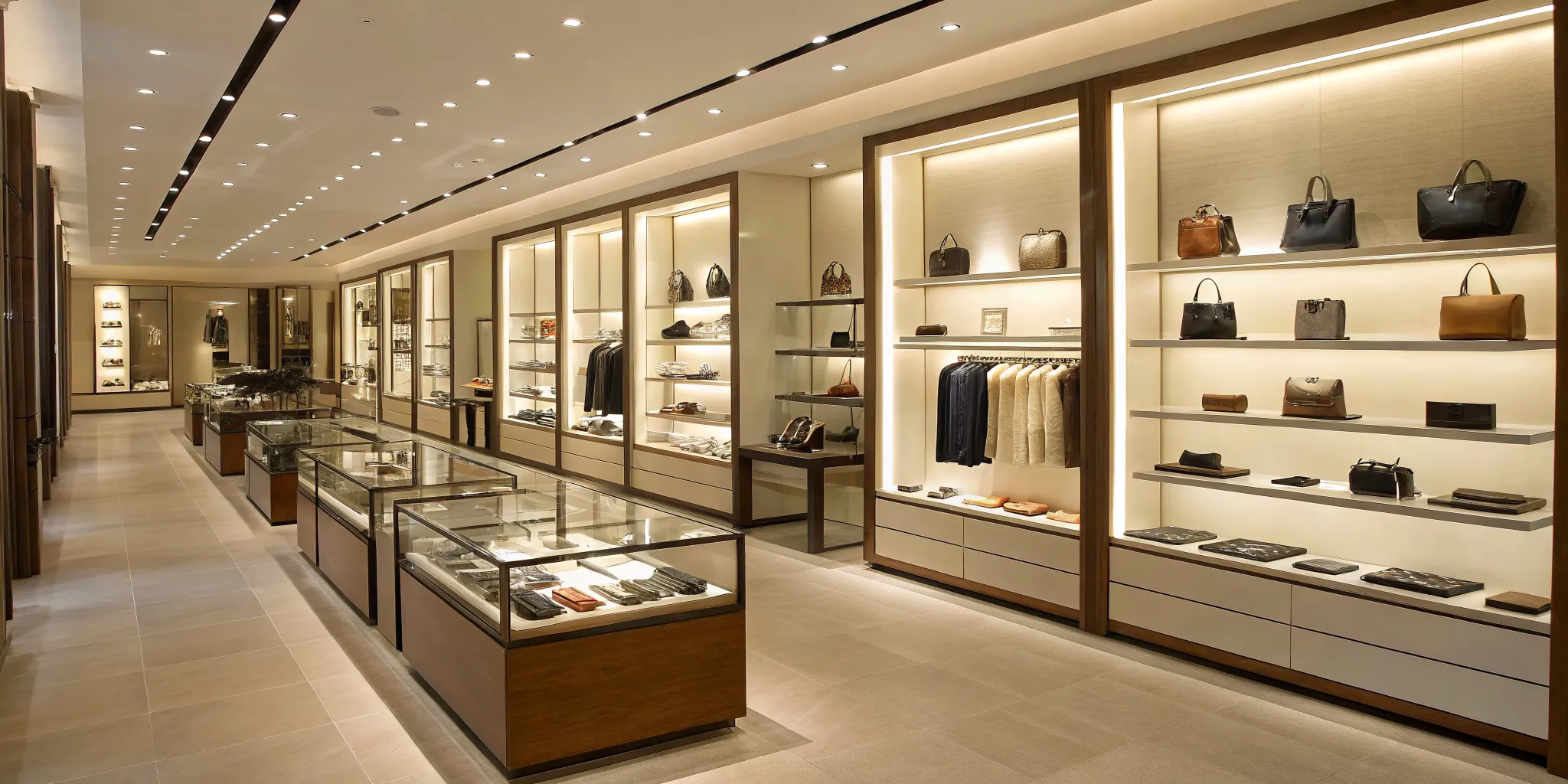


Expanding your retail footprint from a handful of stores to dozens or even hundreds presents a unique set of challenges. Suddenly, it’s not just about picking a few displays; it’s about executing a complex, large-scale rollout that demands precision, consistency, and flawless logistics. Your retail fixtures program is at the heart of this expansion. The right partner and strategy ensure that every new location opens on time, on budget, and with a perfectly consistent brand presentation. This is where thoughtful planning makes all the difference, turning a potentially chaotic process into a seamless and scalable operation that sets your brand up for long-term success.
When you walk into a store, you’re immediately interacting with its retail fixtures—even if you don’t realize it. These aren't just shelves and racks; they are the essential structures that hold your products, guide your customers, and tell your brand’s story. From simple shelving units to elaborate, custom-built displays, fixtures are the silent salespeople of your retail environment. Choosing the right ones can make the difference between a confusing, cluttered space and an inviting, profitable one. They are the foundation of a successful in-store experience, working to organize your space and present your merchandise effectively.
At their core, retail fixtures are the items you use to display products and organize your store's layout. Think of gondolas, display cases, mannequins, and wall systems. But their role goes far beyond simple storage. The right fixtures make your merchandise look irresistible, drawing a customer’s eye to key items and encouraging them to engage. Investing in a thoughtful fixture program ensures your products are presented in the best possible light. The type of fixtures you need will depend on what you sell, the size of your space, and the overall shopping experience you want to create for your customers.
Fixtures are the building blocks of your store's layout, directly influencing how shoppers move through the space. They create pathways that guide customers from the entrance to the checkout, impacting everything from wayfinding to dwell time. Well-placed displays can introduce shoppers to new products and inspire impulse purchases along the way. By understanding and managing customer flow, you can strategically organize your layout to expose people to more merchandise and create a seamless, intuitive journey. This prevents frustration and makes it easy for customers to find exactly what they’re looking for, which is a win for both you and them.
Ultimately, the goal of any retail fixture is to help sell your products. Effective displays highlight merchandise, create an appealing atmosphere, and make your items easily accessible. But they also play a huge role in communicating your brand identity. Are you modern and minimalist, or warm and rustic? Your fixtures should reflect that. Custom retail fixtures are particularly powerful because they are designed specifically for your products and your brand aesthetic. They ensure a cohesive look across all your locations and transform your store from a simple place to buy things into a memorable brand experience that keeps customers coming back.
Once you understand the role fixtures play, the next step is to get familiar with the different types available. Think of them as the building blocks of your store's layout. Each category serves a distinct purpose, from housing your core inventory to creating eye-catching focal points that draw customers in. Choosing the right mix is key to building a retail environment that is both functional for your team and compelling for your shoppers. Let's look at the main categories you'll be working with.
Display fixtures are your storytellers. Their job is to grab a customer’s attention and present your products in the best possible light. These are the pieces that make your merchandise look irresistible, turning a casual browser into a buyer. Think of mannequins showing off a complete outfit, nesting tables creating a tiered product story, or glass cases protecting and highlighting valuable items. Versatile retail display fixtures are essential for encouraging cross-selling and keeping your store layout feeling fresh and dynamic with every new season or product launch.
If display fixtures are the storytellers, then shelving and storage units are the foundation of your store. These are the workhorses that keep your space organized, your inventory accessible, and your aisles easy for customers to walk through. The most common type you’ll see is gondola shelving—those familiar double-sided units that create the main aisles in many stores. Other popular options include slatwall and gridwall systems, which offer great flexibility for hanging merchandise. The right shelving system maximizes your floor space and makes it simple for shoppers to find exactly what they’re looking for.
For unique products or brands that need to stand out, standard fixtures might not be enough. That’s where specialty fixtures come in. These are units designed with a specific purpose in mind, like tiered tables for a bakery, custom-lit cases for jewelry, or branded displays for a featured cosmetic line. For retailers looking to create a distinct atmosphere, custom retail fixtures are the perfect choice. They allow you to create a truly unique shopping experience that reinforces your brand identity and gives your most important products the attention they deserve.
Point-of-purchase (POP) displays are your secret weapon for encouraging impulse buys. These are the smaller, often temporary, displays you see near checkout counters or at the end of aisles, showcasing things like seasonal items, special promotions, or grab-and-go products. An effective POP display should be interactive and visually engaging, encouraging a customer to pick up a product. To keep them effective, remember to update the graphics and products regularly to match new promotions or seasons. When done right, these displays can significantly increase your average transaction value.
Selecting the right fixtures is about more than just filling your floor space—it's a strategic decision that shapes how customers interact with your products and your brand. The best fixtures create a seamless shopping experience, guiding customers intuitively through your store while making your merchandise look its best. Think of them as the silent salespeople of your retail environment. When you get it right, your fixtures work together to tell a cohesive story, organize your inventory, and ultimately, drive sales. Let's walk through the key steps to making smart, effective choices for your store.
Before you even think about specific fixture styles, take a hard look at your floor plan. How do you want people to move through the space? Your fixtures are the primary tools you'll use to create pathways that guide shoppers from the entrance to the checkout counter. A well-planned layout prevents bottlenecks and ensures customers are exposed to key product areas along their journey. Observe where people naturally walk and linger. Understanding the patterns of customer flow helps you place high-impact displays in high-traffic zones and use shelving or gondolas to create logical, easy-to-follow aisles. The goal is to make the shopping experience feel effortless and intuitive.
The products you sell should dictate the fixtures you choose. Heavy items like hardware or pottery need sturdy, durable shelving, while delicate apparel requires racks and display tables that present the clothing without damage. Take inventory of your merchandise and consider how it’s best displayed. Do you need slatwalls with hooks for hanging packaged goods? Tiered tables for showcasing smaller items like accessories? Or custom cases for high-value products? Your fixtures need to be functional first and foremost. A solid merchandising plan ensures that every item has a designated home on a fixture that is perfectly suited to its size, shape, and weight.
While function is critical, your fixtures also play a huge role in communicating your brand identity. The materials, colors, and overall design should align with your store's aesthetic and speak to your target customer. A boutique with a minimalist, modern vibe might use sleek metal and glass fixtures, while a brand focused on natural goods may opt for warm, rustic wood. Fixtures that clash with your branding can create a confusing experience for shoppers. By working with a partner who specializes in design and engineering, you can create custom pieces that not only hold your products but also reinforce what your brand stands for.
Retail is always changing, with new seasons, promotions, and product launches happening throughout the year. Your fixture strategy should be flexible enough to keep up. Opting for modular systems, like slatwalls or gridwalls, allows you to easily swap out shelves, hooks, and bins as your inventory evolves. Fixtures on casters can be rearranged to create fresh layouts for seasonal campaigns or sales events. Choosing adaptable fixtures from the start saves you time and money down the road, ensuring your store can grow and change without requiring a complete overhaul of your retail environment. This foresight is key to a sustainable and dynamic space.
Many retailers run into the same preventable issues when outfitting their stores. One of the most common is choosing fixtures that are the wrong scale for the space—either cramming oversized units into a small footprint or using tiny displays that get lost in a large room. Another pitfall is prioritizing style over substance, ending up with beautiful fixtures that can't properly support the products. Finally, don't forget about upkeep. Neglecting to clean and maintain your displays can make your whole store feel tired and uninviting. By avoiding these common mistakes, you can create a polished and professional environment that stands the test of time.
Figuring out a budget for retail fixtures can feel like trying to hit a moving target. The truth is, there’s no single price tag. The cost depends entirely on your store’s needs, your brand’s vision, and the scale of your operations. From basic, functional pieces to fully custom, brand-defining installations, the price spectrum is wide. Understanding the different tiers of investment will help you make a strategic choice that aligns with your goals and your budget, ensuring every dollar you spend works hard for your business. Let’s break down what you can expect at different price points.
If you’re just starting out or need to fill a space quickly and affordably, there are plenty of budget-friendly fixtures available. These typically include standard, off-the-shelf items like basic shelving units, simple display tables, and clothing racks. While they may not offer much in terms of unique design, they are the essential workhorses of any retail environment. They get the job done by organizing your merchandise and making it accessible to shoppers. Think of these as the foundational pieces of your store’s layout—functional, practical, and easy to source, allowing you to get your products on the floor without a major upfront investment.
For retailers looking to create a more cohesive and polished look, mid-range fixtures offer a great balance of quality, style, and cost. This category includes versatile systems like gondola shelving, which are freestanding units that can be customized with different shelves, hooks, and signage. These fixtures provide more flexibility in your merchandising strategy than basic options. They allow you to build a more dynamic and organized shopping experience that can be adapted for different products or seasons. This is an excellent choice for regional chains aiming for a consistent look across multiple locations without committing to the cost of fully custom designs.
When your retail environment needs to be a direct reflection of your brand, premium and custom fixtures are the way to go. This is where you can truly bring your vision to life with unique display solutions tailored to your specific products and brand aesthetic. Custom fixtures are designed and engineered to create a specific customer journey, highlight key items, and reinforce your brand identity at every touchpoint. While the initial investment is higher, the return comes from creating a memorable shopping experience that drives sales and builds customer loyalty. This is the ideal path for established brands planning a multi-store rollout where a distinct and consistent environment is critical to success.
Several key factors influence the final cost of your retail fixtures. The materials you choose are one of the biggest drivers—laminates and metals will have different price points than solid wood or custom acrylics. Design complexity also plays a major role; a simple rectangular table will cost less than a multi-tiered, uniquely shaped display. The quantity you order matters, too, as larger rollouts can often lower the per-unit cost. Finally, finishes, hardware, and any integrated technology like lighting will add to the final price. Understanding these factors influencing pricing helps you have a more productive conversation with your fixture partner.
It can be tempting to cut costs by choosing less expensive materials, but investing in durability pays off in the long run. High-quality, durable fixtures are built to withstand the daily wear and tear of a busy retail environment, reducing the need for frequent repairs and replacements. This not only lowers your long-term maintenance costs but also ensures your stores maintain a clean, professional appearance that protects your brand’s image. When you’re managing dozens or hundreds of locations, choosing fixtures built to last ensures consistency and quality across your entire footprint. It’s an upfront investment in operational efficiency and brand integrity.
Choosing your retail fixtures is a major investment, but selecting the right partner to create them is just as critical. For national retailers and regional chains, this isn't a one-off purchase; it's the beginning of a long-term relationship. A great partner does more than just manufacture displays. They act as an extension of your team, managing everything from initial design concepts to logistics for a multi-store rollout. They understand your brand, your customers, and your operational needs, ensuring every fixture not only looks great but also performs flawlessly, store after store. Finding a partner with this level of expertise is the key to creating a cohesive and successful retail environment at scale.
When you need custom fixtures that can be rolled out across dozens or even hundreds of locations, you need a partner with proven experience. With over 30 years in the industry, S-CUBE specializes in creating custom store displays and fixture programs for retailers. We manage the entire process, from design and engineering to manufacturing and logistics, so you can focus on your business. Our goal is to provide exceptional fixture solutions and service that help you build a successful retail environment. We understand the complexities of large-scale projects and are equipped to deliver high-quality, cost-effective fixtures on time, every time, ensuring your brand vision comes to life consistently across all your stores.
A reputable supplier should have a deep understanding of the retail industry and a portfolio that proves it. Look for a partner who can demonstrate their ability to create fixtures that are not only beautiful but also functional and durable. Custom retail fixtures are a core part of your brand identity, so your partner should be able to translate your aesthetic into tangible displays that attract customers. When vetting potential suppliers, review their past work to see if they have experience with businesses of your scale and in your niche. A great partner will have a track record of successful projects and happy clients, giving you confidence in their ability to deliver.
Before signing a contract, it’s important to ask the right questions to ensure a potential partner is a good fit. One of the biggest mistakes retailers make is choosing fixtures that don't work for their specific products or space. Start by asking about their design and prototyping process to understand how they ensure a perfect fit. Ask how they handle project management and communication, especially for multi-store rollouts. Inquire about their manufacturing capabilities—can they meet your deadlines and quality standards? Finally, ask for case studies or references from clients with similar needs. Their answers will reveal their expertise and whether they can truly support your goals.
The partnership shouldn't end once your fixtures are manufactured. A reliable partner will offer comprehensive support that extends through delivery, installation, and beyond. Cutting corners on installation can undermine the quality of even the best fixtures, leading to safety issues and a poor customer experience. Ask potential partners how they manage logistics and if they offer installation support. Furthermore, consider your long-term needs. A top-tier partner can provide inventory and warehouse management, holding your fixtures and deploying them as you open new locations or remodel existing ones. This level of support is invaluable for growing brands that need a seamless and scalable fixture program.
What's the real difference between choosing standard fixtures and going custom? Think of it this way: standard, off-the-shelf fixtures are great for getting your products on the floor quickly and affordably. They serve a basic function. Custom fixtures, on the other hand, are designed to solve your specific merchandising challenges and create a unique brand experience. They are built to fit your products perfectly and reinforce your store's aesthetic, turning your space from just a store into a destination.
How can I be sure the final fixtures will actually match my brand's vision? This is where the prototyping process is so important. A reliable partner won’t go straight from a drawing to mass production. Instead, they will create a physical prototype for you to see, touch, and test with your products. This step allows you to make adjustments and approve every detail, from the materials to the finish, ensuring the final fixtures that roll out to your stores are exactly what you envisioned.
I'm planning a rollout for multiple new stores. How does a fixture partner help manage that? A true fixture partner acts as your project manager for the entire rollout. They handle the complex logistics of producing fixtures in large quantities and coordinating shipments to different locations, often on different timelines. They can also manage inventory in their warehouse, deploying fixtures as each new store is ready. This ensures consistency across all locations and takes a huge operational burden off your team.
How long does the process of creating custom fixtures usually take? The timeline can vary quite a bit depending on the complexity of the design and the number of fixtures you need. The process generally moves through several key phases: initial design and engineering, creating and approving a prototype, manufacturing, and finally, logistics and delivery. A good partner will provide a clear and realistic timeline from the very beginning and keep you updated every step of the way.
Is it better to use a domestic or international manufacturer for my fixtures? There are benefits to both, and the right choice depends on your project's specific needs. International manufacturing can often be more cost-effective, especially for large-scale rollouts, but may have longer lead times. Domestic manufacturing can offer quicker turnarounds and more direct oversight. An experienced partner can help you weigh the pros and cons of each option to find the best fit for your budget and deadline.
Subscribe for expert insights on fixture design, materials, and modern retail environments.