

You have a great idea for your next in-store promotion. You can see it perfectly: a display that stops customers in their tracks and makes your new product the hero. But how do you get from that initial concept to a finished fixture, flawlessly executed across all your locations? The journey involves much more than just manufacturing. It’s a detailed process of design, engineering, prototyping, and logistics. Understanding each step is key to a successful launch. We’ll break down the entire lifecycle of a custom retail display, giving you a clear roadmap from the first sketch to the final in-store setup.
After the holiday season passes, there seems to be a slow energy that hits retail spaces. As a retailer of multi-store locations, your job is to make sure there is no lull and start planning for the next big thing. Timing is the silent killer of retail campaigns. Starting too late leads to rushed designs, exorbitant rush shipping fees, and inconsistent brand presentation across your footprint. So, when exactly should you start planning? The answer is almost always: sooner than you think.
This blog is all about mastering the timeline for custom retail display rollouts and making sure your brand makes an impact exactly when it needs to. Read on!
The best timeline retailers need to keep in mind is to aim your window around 12 – 16 weeks before whatever in-store date you have for sales, holidays, promotions, etc. This seems like a long way away, but with custom fixtures and other things involved in multi-store locations, you’ll need this amount of time to get everything done without feeling rushed. This 3-4 month window allows for the inevitable back-and-forth of design, prototyping, manufacturing, packing, and shipping. Let’s break down why you need this buffer and where the time actually goes.
Once you have a solid timeline in place, the fun part begins: exploring what your custom displays can actually look like. The term "custom retail display" covers a huge range of fixtures, from simple sign holders to complex, interactive installations. Understanding the different types and their applications will help you and your team make informed decisions that align with your campaign goals. Whether you're planning a permanent store refresh or a temporary seasonal promotion, the right fixtures can completely transform your customer's experience and make your products stand out. Let's look at some of the most common options.
Custom displays are not a one-size-fits-all solution. They are specifically designed to meet the unique needs of your brand, products, and physical space. Generally, they fall into a few key categories, each serving a distinct purpose within the retail environment. From drawing a customer’s eye to a specific item to building out the entire framework of your store's layout, these fixtures work together to create a cohesive and compelling shopping journey. Thinking through which types will best support your goals is a critical step in the planning process.
These displays are all about making your product the hero. Think of clear acrylic cases that showcase high-value items, illuminated shelving that makes colors pop, or countertop units that encourage impulse buys at the point of sale. The goal is to remove distractions and direct all attention to the merchandise itself. A well-designed product display not only highlights features but also communicates quality and value. Creating these requires a deep understanding of materials and lighting, which is where expert design and engineering come into play to ensure the final fixture perfectly complements the item it holds.
Sometimes, you need to tell a bigger story, and that’s where graphic-based and interactive displays shine. These can range from large-format fabric graphics with crisp, vibrant imagery to digital screens that play promotional videos or allow for customer interaction. These displays are fantastic for building brand atmosphere, explaining a product's benefits, or simply capturing attention in a busy store. They turn a passive shopping trip into an active experience, inviting customers to engage with your brand on a deeper level and creating a more memorable visit.
Beyond the flashy promotional pieces are the workhorses of your retail space: the essential fixtures that create the very foundation of your store's layout. This category includes everything from your cash wrap and back-wraps to shelving systems, nesting tables, and gondolas. While they may seem purely functional, customizing these core elements is key to creating a seamless brand experience and an intuitive customer flow. When these fixtures are custom-built for your space and brand, they ensure consistency and durability, supporting your operations for years to come. This is a core part of what we do for our retail partners.
Custom displays are incredibly versatile and can be adapted for virtually any retail setting or campaign. Their application depends entirely on your objectives, whether you're building a flagship store designed to last for decades or launching a nimble pop-up shop for a single season. The materials, construction, and design will all shift based on the intended use and lifespan of the display. Understanding the context in which your fixtures will live is essential for making smart investments that deliver the right impact.
For permanent store locations, durability and brand consistency are paramount. These fixtures are an investment in your brand's physical identity. Think of custom retail display cabinets that not only showcase merchandise stylishly but also keep it secure, or modular wall systems that can be adapted as your inventory changes. These pieces are built to withstand daily wear and tear while maintaining a high-end look. For national retailers, ensuring every single location has the same high-quality fixtures is crucial for brand integrity, which is why many partner with experts who can manage complex, multi-store rollout programs from start to finish.
Temporary displays for seasonal campaigns, pop-up shops, or in-store events have a different set of requirements. These fixtures need to be eye-catching and impactful but also lightweight, easy to assemble, and cost-effective for short-term use. They are perfect for testing new markets, launching limited-edition products, or capitalizing on holiday shopping traffic. The success of these campaigns often hinges on precise timing and execution, making efficient logistics and distribution a critical piece of the puzzle to ensure displays arrive on time and ready to go across all designated locations.
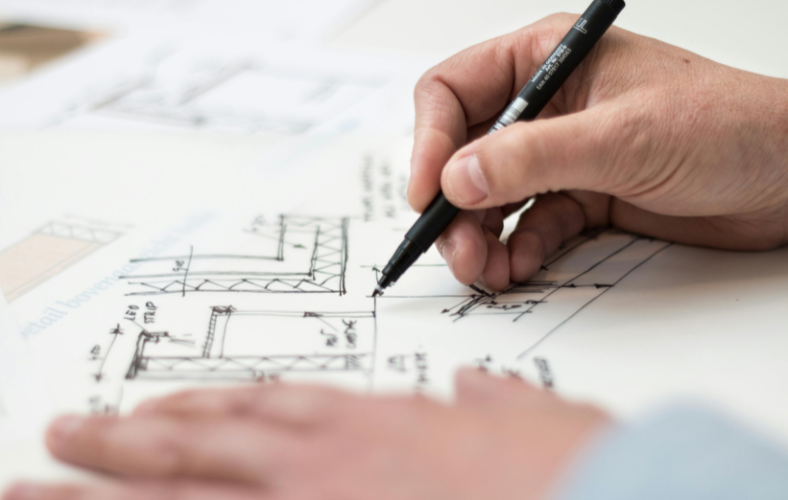
The clock starts ticking the moment you have a concept. You might know you want a corrugated floor stand or an acrylic counter unit, but turning a napkin sketch into a finalized engineering drawing takes time.
This initial phase is all about collaboration between your team and your fixture partner. You’ll discuss your goals, budget, and brand aesthetic. This is also where you’ll make key decisions on the display’s structure and functionality, which directly impacts the rest of the timeline.The materials you select are the building blocks of your display, defining its look, feel, and durability. Options range from the warmth of wood to the sleekness of metal and the modern appeal of acrylic. Each choice affects not only the aesthetic but also the cost and production time. For example, a custom-stained wood finish will require more lead time than a standard powder-coated metal. A knowledgeable partner can walk you through these options during the design and engineering process, helping you balance your vision with practical considerations like budget and the weight of the products it will hold.
Today’s displays often do more than just hold products; they create an experience. Integrating features like LED lighting can make your merchandise pop, while digital screens can offer interactive content. For higher-value items, security is a major consideration. You might need to incorporate locking doors or strong tempered glass to protect your inventory while keeping it visible. These functional additions require specialized engineering and sourcing, adding layers of complexity and time to both the prototyping and manufacturing stages. It’s crucial to account for these elements early in the planning process to avoid delays down the line.
The final details are what make a custom display truly yours. Customization is key to ensuring your fixtures align perfectly with your brand identity across every single location. This can involve anything from powder-coating metal components in your specific brand colors to selecting unique wood finishes or sourcing custom hardware. Achieving a consistent look and feel for a large-scale rollout demands meticulous attention to detail. A robust quality control process is essential to guarantee that the finish on the first display is identical to the finish on the five-hundredth, creating the seamless brand presentation your customers expect.
Once you approve the prototype, the real work begins. This is often the "black box" phase for retailers, but understanding what happens here helps manage expectations.
Related Article: What Are Custom Fixtures?
If you are manufacturing overseas to save costs, add 4-6 weeks to this phase for ocean freight. Domestic manufacturing is faster but often comes at a higher unit cost.
Your displays are built. Now, how do they get to the stores? This phase is often underestimated.
You need to decide if displays will ship flat-packed (cheaper shipping, harder for store staff) or pre-assembled (expensive shipping, instant execution).
While timeline is a huge piece of the puzzle, budget is the other. The cost of a custom retail display isn't a one-size-fits-all number; it’s a combination of several key decisions you make along the way. Understanding these variables helps you set a realistic budget and work with your fixture partner to find the sweet spot between "wow" and "what's in the wallet." From the raw materials to the final bells and whistles, every choice has a price tag. Let's break down the main factors that will shape the final cost of your display program.
The materials you choose are one of the biggest drivers of cost. A simple, temporary display made from corrugated cardboard will be significantly more affordable than a permanent fixture built with premium wood, metal, or custom-colored acrylics. Your choice depends on the display's intended lifespan, the weight of the products it will hold, and the brand image you want to project. A knowledgeable partner can guide you through these options, helping you select materials that meet your functional needs and budget. The right design and engineering can also maximize the impact of more cost-effective materials, ensuring you don't have to sacrifice style for savings.
How many displays do you need? The answer dramatically affects your per-unit cost. Thanks to economies of scale, producing 5,000 units is much more efficient per piece than producing just 50. The initial setup for tooling and machinery is a fixed cost, so the more units you produce, the more that cost is spread out. For national retailers planning a large-scale rollout, a higher volume order will almost always result in a lower price per display. This is a key consideration when planning your annual budget and campaign scope. It’s often more cost-effective to plan for a larger, single production run than multiple smaller ones throughout the year.
A basic display gets the job done, but special features are what make it stand out. Finishing touches like high-resolution graphics, custom paint colors, or unique laminates add to the cost but also enhance the visual appeal. Taking it a step further, integrating technology such as LED lighting, interactive digital screens, or motion sensors can create a truly memorable customer experience. While these elements increase the initial investment, they can also drive engagement and sales. It's important to weigh the added cost against the potential return and brand impact. Looking at examples of past projects can give you a great idea of what's possible at different price points.
Displays don’t have to exist in a vacuum. They can be physical anchors to help upgrade or broaden your marketing campaigns. For example, if you have a social media announcement for a new product around the beginning of October, start thinking about getting your custom displays on the floor no later than mid-September, so everything is coordinated on time. This means you must work backward from the marketing launch date, not the product availability date.
Great retail execution can take time and patience. If you have a reliable company like S-Cube Fixtures on your side, you’re able to get this process going smoothly as soon as possible. By respecting the 12-16 week timeline and understanding the nuances of design, production, and logistics, you can have a proactive strategy for multiple store locations. Reach out to S-Cube Fixtures today to start the conversation on aligning your displays and fixtures deployment with your marketing calendar. Your customers will thank you.
Juggling separate vendors for design, manufacturing, and logistics for a multi-store rollout can feel like a full-time job. An end-to-end partner simplifies this entire process by managing every step under one roof. This approach not only saves you time and headaches but also ensures consistency and quality from the first sketch to the final in-store setup. Instead of you acting as the go-between for multiple companies, a single partner becomes an extension of your team, dedicated to bringing your vision to life efficiently and effectively. This streamlined communication and accountability are key to launching a successful, cohesive retail campaign across all your locations.
The journey begins with transforming your concept into a tangible, functional display. A true partner does more than just take your order; they dive deep into your brand, product, and campaign goals to create a solution that truly performs. During the design and engineering phase, they translate your vision into buildable plans, considering everything from material durability to ease of assembly for store staff. They’ll create prototypes for you to test and approve, ensuring the final product not only looks great but also withstands the rigors of the retail floor. This collaborative process helps catch potential issues early, preventing costly revisions and delays down the road.
Once you’ve signed off on the prototype, your partner takes the reins on production. They manage the entire manufacturing process, whether it’s handled domestically or overseas, to bring your displays to life at scale. This is where their expertise becomes invaluable. They handle material sourcing, production scheduling, and, most critically, implement strict quality control measures at every stage. This oversight guarantees that every single unit, from the first to the last, is built to the exact same standard. For a brand with multiple locations, this consistency is non-negotiable, as it ensures every customer experiences your brand in the same high-quality way, no matter which store they visit.
The final, and often most complex, piece of the puzzle is getting the finished displays to all your stores. An end-to-end partner manages these crucial logistics for you. They can warehouse your displays, kitting them with specific instructions and components for each location before shipping them out. Their expertise in transportation and distribution ensures that everything arrives safely and on schedule, preventing rollout disruptions. This comprehensive management of the supply chain frees your team from the burden of coordinating shipments and tracking deliveries, allowing you to focus on preparing your stores and staff for the new campaign.
Is the 12-16 week timeline a firm rule, or can I get a display faster? Think of the 12-16 week window as the ideal path to a stress-free rollout. While some simpler projects can be turned around more quickly, this timeframe is a realistic buffer for the essential steps: collaborative design, material sourcing, prototyping, and production. Rushing the process often leads to compromises in quality, limited material options, and expensive rush shipping fees that can strain your budget. Planning with this window in mind ensures you have the time to get it right without last-minute surprises.
What if I only have a basic idea for my display? Do I need a complete design before I reach out? Not at all. In fact, it's often better to start the conversation with a clear goal rather than a finished design. A good partner will work with you to translate your initial concept into a functional, buildable fixture. You bring the vision for your brand and campaign, and they bring the engineering and materials expertise. The initial design phase is a collaborative process meant to refine your idea and make sure it works in a real-world retail environment.
How do you ensure every display looks the same across all my locations? Consistency is everything for a national brand, and it’s achieved through a meticulous process. It starts with creating a perfect, approved prototype that becomes the gold standard for production. From there, a rigorous quality control system is put in place to check everything from color matching and material specs to final construction at every stage of manufacturing. This ensures the five-hundredth unit that rolls off the line is identical to the first one you approved.
What's the biggest factor that impacts the final cost of a display? The three main drivers of cost are materials, quantity, and complexity. A temporary cardboard display will naturally cost less than a permanent fixture made of wood and metal. Similarly, producing a larger volume of displays lowers the price per unit due to economies of scale. Finally, adding features like integrated LED lighting, digital screens, or custom finishes will increase the price, so it's important to balance these eye-catching elements with your overall campaign budget.
My store teams are busy. How much assembly will they have to do? This is a critical operational question that should be addressed early in the design phase. You have options. Displays can be engineered to ship flat-packed with simple, tool-free assembly instructions to save on freight costs. Alternatively, they can be shipped partially or fully assembled for immediate placement on the sales floor. A good logistics partner can also create custom kits for each store, including all necessary parts and instructions, to make the setup process as smooth as possible for your staff.
Subscribe for expert insights on fixture design, materials, and modern retail environments.