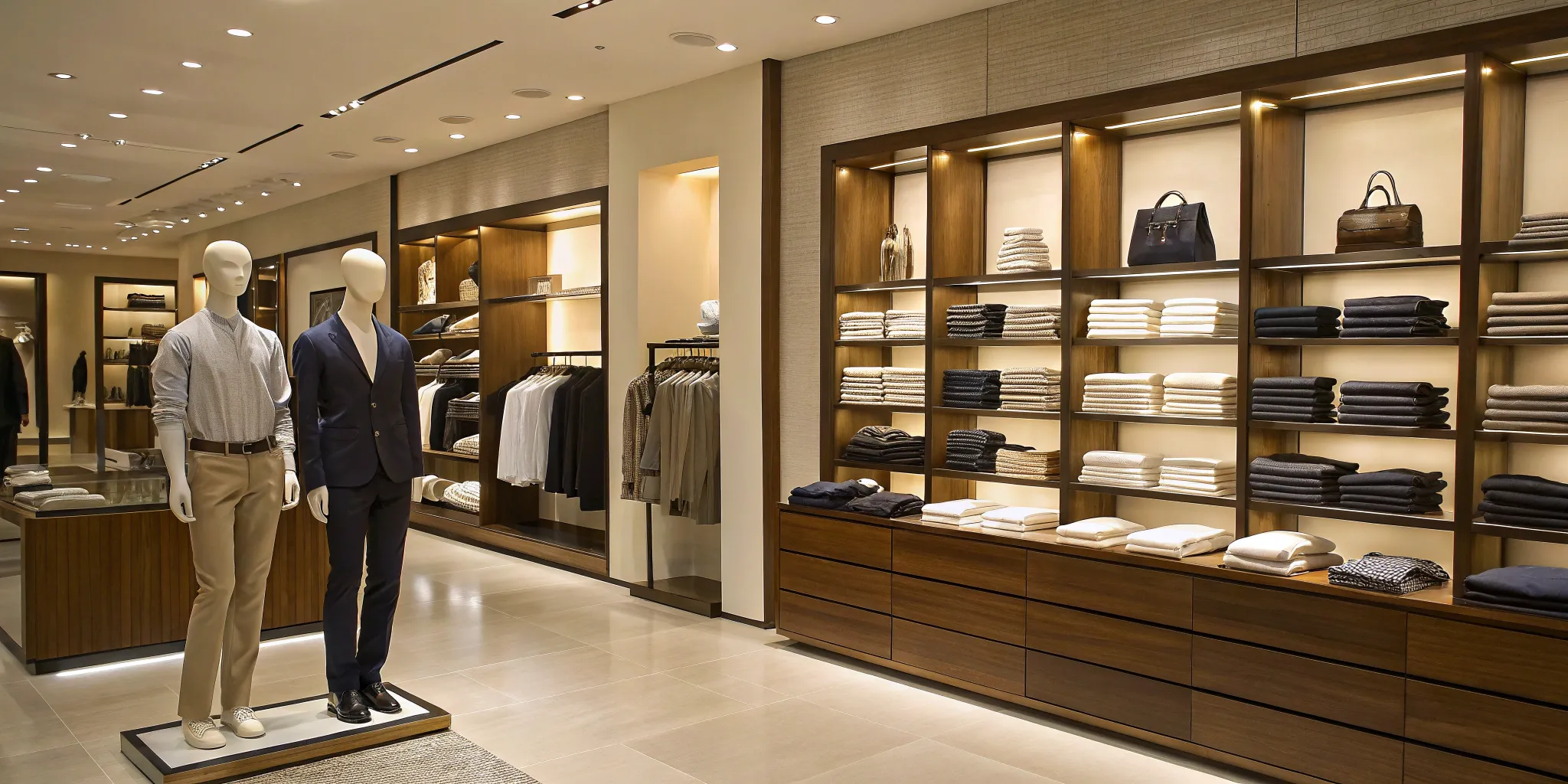


You’ve likely noticed that some of your stores consistently outperform others, even with similar inventory and staff. The difference often comes down to the in-store experience. A cluttered, confusing layout can create friction and cause shoppers to leave empty-handed, while a clean, logical flow encourages them to stay longer and spend more. This is where a deliberate strategy for merchandise presentation becomes your most valuable tool. It’s the framework that ensures every element—from the store layout to the lighting on a key display—works together to create a seamless customer journey. This guide will walk you through the principles for creating a consistent, high-performing retail environment across all your locations.
Think of merchandise presentation as your store's silent salesperson. It’s the strategic way you arrange and display products to capture attention, tell your brand’s story, and guide customers toward a purchase. When done right, it transforms a simple shopping trip into an engaging experience. It’s not just about making shelves look full; it’s about creating an environment that makes it easy and enjoyable for people to shop, which is essential for building loyalty and driving sales across all your locations.
The way you set up your store directly influences how customers feel and what they decide to buy. It’s all about the psychology of shopping. An organized, visually appealing space can create a positive mood, encouraging shoppers to stay longer and explore more of what you offer. In fact, research shows that a store's appearance significantly impacts purchasing decisions for 84% of shoppers. A well-executed display can even increase sales by over 500%. Through thoughtful design, you can create a specific journey for your customers, making them feel understood and catered to from the moment they walk in.
At its core, great merchandise presentation makes shopping easy. It’s about showing your products in a clean, logical way so customers can find what they need without any friction. Small missteps—like messy shelves, missing price tags, or cluttered displays—can add up quickly and cost you real sales. When a store is disorganized or poorly lit, it creates a frustrating experience that can drive customers away. On the other hand, a clear, compelling presentation builds trust and confidence, making the path to purchase smooth. This focus on the customer journey is what creates successful retail environments that keep people coming back.
Think of your merchandise presentation as the foundation of your entire in-store customer experience. When done right, it works silently in the background, guiding shoppers, telling your brand’s story, and making it incredibly easy for them to find what they need—and discover things they didn’t even know they wanted. A great presentation isn’t about a single flashy display; it’s about how several key elements work together to create a cohesive, inviting, and profitable retail environment.
Getting these core components right is the first step toward building a store that not only looks good but also performs well. From the moment a customer walks in, the layout, product placement, lighting, and signage should all align to create a seamless journey. These elements are the building blocks of a successful retail space, and mastering them will set you up for success, whether you’re opening a new location or refreshing an existing one. At S-CUBE, our comprehensive services are designed to help you perfect each of these areas.
Your store’s layout is the roadmap that guides your customers' shopping journey. A well-designed flow feels intuitive, encourages exploration, and prevents frustrating dead ends. The goal is to create a path that exposes shoppers to the maximum amount of merchandise without feeling forced or confusing. Common layouts include the grid (great for grocery or convenience stores), the free-flow (perfect for boutiques that want to encourage browsing), and the racetrack, which leads customers on a defined path through different departments. The right layout turns a simple shopping trip into a memorable experience, making it easier for customers to connect with your products and your brand.
Where you place your products has a direct impact on what sells. The most valuable real estate in your store is at eye level, which is why you’ll often hear the phrase, "eye-level is buy-level." Place your high-margin items or bestsellers where they are most likely to be seen, typically between 55 and 59 inches from the floor. You can also encourage larger purchases by grouping related items together. Think about placing chips, salsa, and guacamole next to each other to suggest a complete solution. This kind of strategic placement not only helps customers find what they need but also introduces them to products they might not have considered otherwise. You can see examples of this in our work with leading retailers.
Lighting is one of the most powerful tools for setting the mood and directing attention in your store. It can make products look more appealing, highlight key displays, and guide customers through the space. Bright, cool lighting can create a sense of energy and is often used for promotional areas, while softer, warmer lights can establish a more relaxed, upscale atmosphere. Use spotlights to draw the eye to new arrivals or high-value items, creating focal points that break up the visual landscape. When you get the lighting right, your merchandise pops, your displays stand out, and your entire store feels more inviting and professional.
Your signage acts as your silent salesperson, so it needs to be clear, concise, and consistent with your brand. Use it to help customers find their way around, learn more about product features, or understand current promotions. But above all, make sure every single item has a clear, easy-to-read price. Nothing frustrates a customer faster than having to hunt for a price tag. When shoppers can easily see the cost, it removes a major point of friction from the buying process and builds trust. Effective signage and pricing are crucial parts of a smooth customer journey, and our project management services can help ensure consistency across all your locations.
How you present your merchandise does more than just make your store look good—it directly influences how your customers think, feel, and act. Think of your displays as silent salespeople. They have the power to guide a shopper’s journey, tell your brand’s story, and make the decision to purchase feel easy and natural. When done right, a thoughtful presentation strategy turns a routine shopping trip into a memorable experience, building a connection that encourages customers to return time and again.
This isn’t just about arranging products on a shelf; it’s a strategic discipline that taps into the psychology of shopping. The way a customer moves through your space, the products they notice first, and the items they add to their cart on a whim are all shaped by your visual merchandising. A cluttered, confusing layout can create stress and decision fatigue, causing shoppers to leave empty-handed. In contrast, a clean, intuitive presentation creates a sense of calm and discovery, encouraging them to explore. By understanding how presentation shapes behavior, you can create an environment that not only showcases your products but also actively contributes to your bottom line. The right custom fixture program is the foundation for making this happen across all your locations.
You only get one chance to make a first impression, and in retail, that happens the moment a customer walks through your door. What they see in those first few seconds sets the tone for their entire visit. A clean, well-lit, and engaging entrance display immediately communicates that your store is professional, organized, and worth exploring. Good displays tell your brand’s story at a glance, guiding customers and making it easier for them to find what they need. This initial positive experience builds trust and encourages shoppers to spend more time browsing, ultimately leading them deeper into your store and closer to a purchase.
Great merchandising helps customers connect with products on an emotional level. It’s about creating a sensory experience that goes beyond just sight. Think about using warm lighting to make apparel look cozier, allowing customers to touch and feel different textures, or using subtle scents to create a specific mood. When you engage multiple senses, you help shoppers imagine how a product will fit into their lives. This transforms an item from a simple object on a shelf into a solution or an aspiration, making the decision to buy feel personal and meaningful. This is where thoughtful design and prototyping can make all the difference.
A well-executed display can increase sales dramatically, and a huge part of that comes from encouraging impulse buys. Strategic placement is your best tool for this. Placing eye-catching point-of-purchase displays near checkout lines or using endcaps to feature new or complementary items can interrupt a shopper’s path and introduce them to products they weren’t planning to buy. The key is to make these displays focused and compelling. A cluttered, poorly lit display gets ignored, but a clean, clear, and attractive presentation with a strong call to action can easily turn a "maybe" into a "must-have," adding significant value to each transaction.
Once you’ve mastered the basics of store layout and lighting, you can start using more advanced techniques to guide customer behavior and highlight your products. These proven strategies are all about arranging merchandise in a way that’s both intuitive for shoppers and profitable for you. Think of it as the difference between simply putting products on a shelf and creating a compelling story that invites customers to engage. Effective presentation makes shopping easier, more enjoyable, and can significantly increase sales. This is where thoughtful project management and custom fixtures can make a huge impact, providing the perfect framework for these powerful techniques.
One of the most effective ways to organize your merchandise is through product blocking. This simply means grouping similar items together. For example, all your denim jeans go in one section, sorted by style or brand. This approach creates a strong visual impact and makes the shopping experience much more straightforward for your customers. Instead of searching the entire store for a single type of product, they can head to one spot and see all their options at a glance. This reduces frustration and helps them compare features and prices easily, leading to a quicker, more confident purchase decision.
Cross-merchandising is the art of displaying related products from different categories together to sell a "solution" or an "idea." Think of a display that pairs pasta with gourmet sauces and parmesan cheese, or one that places grilling tools next to marinades and charcoal. By showing customers how different products can be used together, you’re not just selling items; you’re inspiring them. This technique is fantastic for increasing the average transaction value by encouraging add-on purchases. It’s a subtle suggestion that feels helpful to the customer, making their shopping trip more convenient while also benefiting your bottom line.
There’s a classic rule in retail: "eye-level is buy-level." Products placed between 55 and 59 inches from the floor—right in the average person's line of sight—are the most likely to be seen and purchased. Reserve this prime real estate for your best-sellers, high-margin items, or products you want to promote. Additionally, use vertical space to your advantage. Arranging products in vertical columns rather than long horizontal rows helps guide the shopper's eye and makes it easier to scan categories and compare brands. Well-designed custom fixtures are essential for maximizing both of these principles effectively.
Seasonal and promotional displays are your chance to get creative and generate excitement. Group products around a central theme—like holidays, seasons, or lifestyle events like "back to school"—to tell a compelling story. These displays should be more than just a collection of products; they should be an experience. Use strong lighting, interesting textures, and clear signage to draw customers in. By creating these standout features, you can break up the regular flow of your store, create a sense of urgency, and drive traffic to specific products, making them feel timely and special.
Your store’s fixtures are much more than just shelves and racks; they are the stage on which your products perform. While standard fixtures can get the job done, custom solutions are what truly bring a merchandise presentation strategy to life. Think of your fixtures as your store’s “silent salesperson”—they work around the clock to guide customers, highlight products, and tell your brand’s story.
Custom fixtures are designed specifically for your products, your space, and your customers. They can be engineered to hold unusually shaped items, fit perfectly into an awkward corner, or incorporate your brand’s unique colors and materials. This tailored approach ensures that every element in your store works together to create a cohesive and compelling shopping experience. By investing in custom retail fixtures, you move beyond simply holding inventory and start creating an environment that actively sells it. This is especially critical for multi-location rollouts, where brand consistency and efficient installation are key to success.
The best displays make the product the hero. Custom fixtures are built with your specific merchandise in mind, ensuring that each item is presented in the best possible light. A delicate piece of jewelry requires a different kind of display than a rugged pair of work boots, and a custom approach allows you to create the perfect setting for both. By integrating specific lighting, materials, and dimensions, you can draw a customer’s eye exactly where you want it.
This is how your displays become a powerful part of your sales team. They don’t just sit there; they communicate value, highlight features, and make products look irresistible. When you see examples of great retail displays, you’ll notice they feel like a natural extension of the product itself, creating an experience that encourages customers to look closer and make a purchase.
Point-of-purchase (POP) displays are your secret weapon for driving impulse buys and highlighting key promotions. These are the displays you see at the end of aisles or near the checkout counter, designed to grab attention and persuade shoppers at the last minute. Because they are placed in high-traffic areas, they need to be compelling and easy to understand at a glance.
A well-designed POP display can introduce a new product, announce a special offer, or bundle related items to increase the average transaction value. The design and engineering process for these fixtures is critical—they must be durable enough to withstand constant interaction yet visually appealing enough to stop a busy shopper in their tracks. Customization allows you to create a POP display that perfectly fits the products you want to feature and the message you want to send.
Retail is always changing, with new seasons, promotions, and products arriving constantly. Your fixtures need to be able to keep up. Modular systems are the perfect solution for staying agile. By designing displays with interchangeable parts—like swappable graphics, adjustable shelves, or removable sections—you can update your presentation without replacing the entire unit.
This flexibility is not only cost-effective but also incredibly efficient. It allows your team to quickly refresh the store’s look for a new season or promotion, keeping the environment feeling fresh and exciting for repeat customers. For businesses with multiple locations, a modular approach simplifies rollouts and ensures a consistent brand experience across every store, all while being managed through a streamlined project management process.
Technology offers powerful tools to make your merchandise presentation more dynamic, responsive, and effective. It’s not about adding gadgets for the sake of it; it’s about using smart solutions to create a more engaging customer experience and a more efficient operation. By integrating technology into your fixtures and strategy, you can gather valuable insights, keep displays perfectly stocked, and tell your brand story in compelling new ways. This is especially crucial when managing presentations across dozens or even hundreds of locations, where consistency and performance are key.
Blending the physical and digital worlds—often called a "phygital" experience—can transform a static display into an engaging destination. Think about incorporating screens that play product videos, touch-screen kiosks where customers can explore different options, or simple QR codes that link to your website for more details. These interactive elements capture attention and give shoppers the extra information they need to make a purchase. When you're planning a large-scale rollout, building these features directly into your custom fixture designs ensures a seamless and consistent brand experience in every store. It’s a great way to meet modern customers where they are, offering both a tangible product and rich digital content.
An empty shelf is a missed opportunity. Technology can help you avoid this by connecting your displays to smart inventory systems. Instead of relying on manual checks, these systems provide real-time data on stock levels, ensuring your most popular items are always available. This allows for precise merchandising tailored to the needs of individual store locations and their specific customer demands. For example, field representatives can receive alerts to restock a display before it runs low, maintaining a perfect presentation at all times. This proactive approach is essential for managing inventory control across multiple locations, keeping your displays effective and your sales steady.
Do you know which areas of your store get the most traffic and which ones get overlooked? Technology can give you the answer. By analyzing in-store customer movement, you can identify "hot spots" (high-traffic areas) and "cold spots" (areas customers tend to ignore). This data is incredibly valuable for optimizing your store layout and fixture placement. You can move high-margin products to hot spots for maximum visibility or redesign cold spots to draw more attention. Making decisions based on data rather than guesswork allows you to create a more effective shopping journey and improve the performance of your entire retail environment.
Even the most carefully planned presentation strategy can fall flat if common mistakes creep in. These missteps can confuse customers, cheapen your brand, and ultimately hurt your bottom line. The good news is that they are entirely avoidable with a bit of awareness and consistent effort. From cluttered shelves to outdated signage, small errors can add up quickly, undermining the customer experience you’ve worked so hard to build. Let’s walk through some of the most frequent merchandising mistakes so you can spot them in your own stores and keep your presentation sharp, effective, and focused on driving sales.
It’s tempting to show customers every single product you offer, but packing too much into one space is a classic mistake. When a display is overcrowded, it creates visual noise that makes it difficult for shoppers to focus on any single item. Instead of feeling like they have options, they feel overwhelmed and are more likely to walk away. Similarly, messy shelves, incorrect price tags, or small gaps in stock can make your store feel neglected. These seemingly minor details send a message of carelessness and can cost you real sales. Give your products room to breathe and ensure your team’s project management includes daily tidying and restocking.
You could have the best products in the world, but if they’re sitting in a poorly lit corner, no one will notice them. Lighting is one of the most powerful tools in merchandising—it guides the eye, creates mood, and makes products look their best. A major mistake is creating displays that are poorly lit or lack a clear focus. On the flip side, too much signage can be just as damaging. When signs are cluttered, inconsistent, or full of jargon, they compete with the merchandise for attention. Keep your signage clean, simple, and on-brand. Your design and engineering process should treat lighting and signage as essential elements, not afterthoughts.
Every retail space has a natural traffic flow—the path most customers take as they move from the entrance to the checkout counter. Ignoring this flow is a recipe for missed opportunities. If your highest-margin products or key promotional items are tucked away in a low-traffic area, you’re hiding them from the majority of your shoppers. Traffic flow issues can lead to hidden products and missed sales. Take time to observe how people actually use your space. Where do they pause? Which displays do they gravitate toward? Understanding these patterns allows you to place your most important products in prime locations, ensuring they get the visibility they deserve.
The "set it and forget it" approach simply doesn’t work in retail. Displays that sit unchanged for months on end become part of the background, losing their ability to capture attention. This is especially true for temporary or seasonal signage, which often gets put up in a hurry and is never adjusted. Over time, these small placement errors and outdated promotions accumulate, making your store feel stale. Regularly refreshing your displays keeps the shopping experience exciting and gives customers a reason to come back. Showcasing new product arrivals, seasonal themes, or cross-merchandising stories will keep your floor looking dynamic and engaging, just like in our work with other leading retailers.
A beautiful display is great, but a beautiful display that sells is even better. Once your merchandise presentation is live, the work isn’t over. Measuring its performance is the only way to know what’s resonating with customers and what needs to be adjusted. By tracking the right data, you can move from guessing what works to knowing what drives sales, ensuring every fixture and display delivers a return on your investment.
This process creates a powerful feedback loop, allowing you to refine your strategy, optimize your floor space, and make data-driven decisions for future rollouts across all your locations. It’s about turning your creative vision into tangible results that strengthen your bottom line and improve the customer experience. With a clear view of performance, you can ensure your custom fixture programs are not just well-executed but also highly effective. This data-backed approach takes the emotion out of design decisions and replaces it with concrete evidence, empowering your team to replicate successes and avoid repeating mistakes in future campaigns. It's the critical final step that separates a good presentation from a great one.
To get a clear picture of your presentation’s impact, you need to track specific Key Performance Indicators (KPIs). Start with sales per square foot, which tells you exactly how much revenue a display is generating relative to the floor space it occupies. It’s a straightforward way to see if a display is earning its keep. Another key metric is inventory turnover. Are products flying off the shelves, or are they sitting there collecting dust? A high turnover rate is a strong signal that your presentation is compelling customers to buy. You can also use in-store analytics like heat maps to see which areas attract the most traffic, helping you identify prime locations for key displays. If you notice these numbers start to dip, it might be time to refresh the display to prevent "store blindness," where shoppers stop noticing familiar setups.
Beyond the hard numbers, pay attention to how shoppers interact with your displays. A successful presentation makes the shopping experience feel intuitive and effortless. Can customers easily find what they’re looking for, or do they seem confused? Watch how they move through the aisles and which displays make them stop and look closer. Effective techniques directly influence this behavior. For example, product blocking—grouping similar items together—creates a strong visual impact that communicates variety and choice. Product coordination, or showing complementary items together, encourages customers to imagine how products fit into their lives, often leading to larger purchases. Also, never underestimate the importance of clear pricing and information. The goal of your design and engineering should be to guide the customer journey smoothly from discovery to purchase.
Your sales data is the ultimate truth-teller. Regularly review sales figures for the products featured in your displays to see if they’re getting a lift. Are you selling more of the highlighted items? Is the average transaction value increasing? These are clear indicators of a successful presentation. Dig deeper by looking at conversion metrics. Of all the customers who stop and engage with a display, how many actually make a purchase? This tells you how persuasive your presentation is. If a display gets a lot of attention but few sales, it’s a sign that something is missing—maybe the call to action is unclear or the price point is a barrier. Use this data to make informed adjustments, whether it’s tweaking the product mix, updating the signage, or redesigning the fixture for the next rollout.
Creating a powerful merchandise presentation strategy is about more than just arranging products on a shelf. It’s a systematic plan that turns your store’s vision into a consistent, sales-driving reality across all your locations. A solid strategy ensures that every display tells your brand story, guides customers effectively, and makes the shopping experience seamless and memorable. For multi-location retailers, this plan is the key to maintaining brand integrity and operational efficiency, no matter where your customers are. It’s the bridge between your brand identity and the in-store customer experience.
This strategic approach moves you from simply displaying products to creating a curated environment that actively engages shoppers and supports your business goals. It involves careful planning from the initial design concept to ongoing maintenance, ensuring every detail is accounted for. When you have a clear strategy, you can make informed decisions about everything from store layouts and fixture designs to product placement and promotional displays. It’s the framework that allows you to scale your retail presence without sacrificing the quality and consistency that your customers expect from your brand. A well-defined strategy also streamlines communication between corporate teams and individual stores, making rollouts smoother and daily operations more efficient. It ensures everyone is working toward the same goal: creating an exceptional retail environment that drives sales.
Think of your merchandise presentation as your store’s silent salesperson—it works around the clock to engage customers and highlight your products. The process begins with a thoughtful approach to design, engineering, and prototyping. This is where you translate your brand’s story into a physical experience. You’ll decide on a store layout that best serves your customers, whether it’s a simple grid for easy shopping, a free-flow path that encourages exploration, or a racetrack that guides them on a specific journey. Prototyping your custom fixtures and displays allows you to test concepts, refine functionality, and ensure everything works perfectly before you commit to a large-scale rollout.
For regional or national chains, consistency is everything. A customer should have the same great experience whether they’re in your flagship store or a new location across the country. This is where planograms become your best friend. These detailed blueprints map out exactly where every product goes, ensuring uniformity and making it easy for store teams to set up displays correctly. Executing a multi-location rollout requires meticulous project management to coordinate manufacturing, shipping, and installation. A well-managed rollout guarantees that every store receives the right fixtures on time and on budget, creating a cohesive brand presence everywhere.
Your strategy doesn’t end once the fixtures are installed. Ongoing quality control and maintenance are what keep your presentation effective long-term. Regularly walk through your stores to make sure displays are clean, fully stocked, and free of damage. It’s also important to keep things fresh. Update your displays seasonally or for special promotions to prevent "store blindness," where regular customers stop noticing your products. You can measure success by tracking metrics like sales per square foot to see which displays are performing best. A commitment to complete quality control ensures your retail environment always looks its best and continues to drive results.
How often should I update my store’s displays? There isn't a single magic number, but a good rule of thumb is to refresh your major displays seasonally. This keeps your store feeling current and gives regular customers something new to see. For smaller, promotional displays, like endcaps or point-of-purchase areas, you can change them more frequently—perhaps monthly or whenever you launch a new product. The goal is to prevent "store blindness," where customers get so used to your layout that they stop noticing what you're selling.
What's the single most common mistake retailers make with their presentation? The most frequent mistake is overcrowding. It’s easy to think that showing more products gives customers more options, but it usually just creates visual clutter. When shelves and racks are packed too tightly, it overwhelms shoppers and can make your merchandise feel less valuable. Giving your products some breathing room makes it easier for customers to focus on individual items and creates a more relaxed, premium shopping experience.
Are custom fixtures really worth the investment compared to standard ones? Think of it this way: standard fixtures are designed to simply hold products, while custom fixtures are designed to sell them. If your merchandise has a unique shape, size, or story, a custom solution can present it in the best possible way. Custom fixtures are built to fit your specific space and brand aesthetic, creating a cohesive and professional look that standard options can't match. They are an investment in creating a better shopping experience that can directly lead to higher sales.
How can I measure the success of my merchandise presentation without expensive technology? You can learn a lot just by observing and tracking the basics. Start by monitoring the sales of items featured in a new display. If you see a clear lift, you know it's working. Watch how customers move through your store—are they stopping at the new display or walking right past it? You can also talk to your sales associates. They are on the floor every day and can offer valuable feedback on what customers are saying and which products are getting the most attention.
My stores have different layouts. How can I create a consistent brand experience? Consistency comes from a shared strategy, not necessarily identical floor plans. The key is to use planograms, which are detailed diagrams that act as a blueprint for your displays. They ensure that even if one store is larger than another, the core product stories, key placements, and brand messaging are the same. This way, customers get a familiar and reliable experience that reinforces your brand identity, no matter which location they visit.
Subscribe for expert insights on fixture design, materials, and modern retail environments.