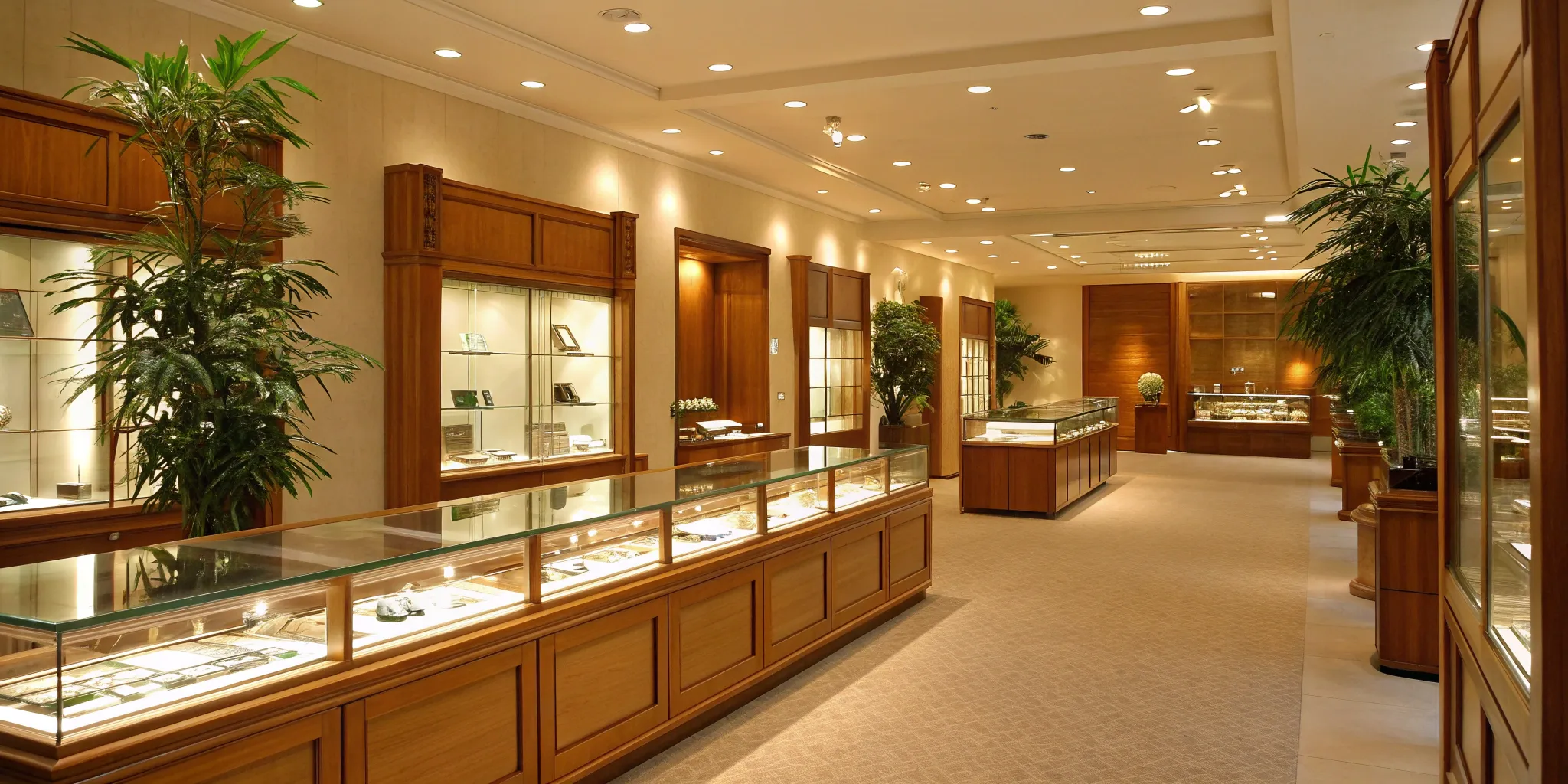


Your brand has a story, and your physical store is the stage where that story comes to life. Every element, from the texture of a display table to the flow of the aisles, communicates who you are. Effective retail interior design is the practice of translating your brand’s identity into a three-dimensional experience. It ensures that every customer who walks through your doors understands your values and feels a genuine connection. For businesses with multiple locations, this consistency is crucial for building trust and recognition. This article breaks down how to use design to tell a compelling brand story that resonates with your audience.
Think of retail interior design as the art and science of creating a store environment that’s built to sell. It’s a specialized field that goes beyond just making a space look good. It involves the strategic planning of everything from the store layout and lighting to the furniture and displays. The goal is to create a space that not only reflects your brand but also makes the shopping experience seamless and enjoyable for your customers. A well-designed retail space guides shoppers, highlights products, and supports your staff, turning your physical store into one of your most powerful sales tools.
Unlike designing a home or an office, retail design has a very specific job to do: support sales. This means every element must serve both the shopper and your business goals. A successful design needs to show off your brand’s personality, help with marketing, and allow customers to easily see and interact with products. It also has to be a pleasant and safe space for everyone inside. Behind the scenes, the design must help your staff work efficiently and provide adequate room for storage. A partner that handles the entire project management process can ensure all these components work together seamlessly.
The fixtures in your store—the shelves, racks, tables, and displays—are the workhorses of your retail design. They do more than just hold merchandise; they are fundamental to the customer's journey. The right fixtures guide how people move through your store and determine how many products you can feature. Great custom fixtures can draw a customer’s attention from across the room, invite them to touch a product, and ultimately make your merchandise look its best. They are a key part of creating an "experience" that feels unique to your brand, turning a simple shopping trip into something more memorable and engaging.
Think of your retail space as more than just a place to house products. It's your brand’s physical handshake, your most powerful sales tool, and the stage for the customer experience. A strategic approach to interior design does more than make your store look good; it directly impacts your bottom line. When every element—from the floor plan to the finish on your fixtures—is thoughtfully considered, you create an environment that attracts customers, strengthens your brand identity, and sets you apart from the competition.
For multi-location businesses, a cohesive design strategy is even more critical. It ensures that no matter which store a customer walks into, they receive the same consistent, high-quality brand experience. This consistency builds trust and loyalty, turning casual shoppers into lifelong fans. Let's break down exactly why investing in your store's interior design is one of the smartest moves you can make.
At its core, great retail design makes shopping easier and more enjoyable. A well-planned space helps stores run smoothly, makes customers happier, and ultimately, increases sales. When customers can move freely, find what they need without frustration, and feel comfortable in their surroundings, they are more likely to stay longer and spend more.
Modern retail is shifting from simple transactions to immersive experiences. Shoppers are looking for more than just a product; they want to connect with a brand. Your store's design can create this connection by engaging the senses and turning a shopping trip into a memorable event. By focusing on creating a positive and engaging atmosphere, you encourage repeat visits and build a loyal customer base that feels understood and valued.
Your store’s interior is a powerful storytelling tool. The colors, materials, lighting, and custom fixtures you choose all work together to communicate who you are as a brand. An effective design doesn't just look good; it embodies your brand's values and personality, making your image stronger and more memorable for every person who walks through the door.
Many of the most successful retailers tell a unique story through their physical spaces. Whether your brand is modern and minimalist or rustic and cozy, your design choices should reflect that identity consistently. This is especially important for businesses with multiple locations. A unified design ensures customers recognize your brand instantly, creating a reliable and familiar experience that builds trust and reinforces your place in the market.
In a crowded retail landscape, a distinctive store environment is a key differentiator. When customers have endless options, a unique and inviting interior can be the deciding factor that brings them to your door instead of a competitor's. Thoughtful design helps your business stand out and attract more customers, giving you a significant advantage.
Forward-thinking design can also incorporate new technologies to create truly interactive shopping journeys. From digital displays to augmented reality try-on features, integrating technology can make the in-store experience more engaging and efficient. By investing in a design that is both memorable and functional, you not only attract shoppers but also create a compelling reason for them to return again and again.
Creating a retail space that truly connects with customers involves more than just filling a room with products. It’s about designing an experience. When you get the core elements right, your store becomes a powerful tool for building your brand and driving sales. Let’s walk through the four foundational pillars that every great retail design is built upon.
Think of your store’s layout as the blueprint for your customer’s journey. It’s the first thing people notice, and it dictates how they move, what they see, and how they interact with your products. A well-planned layout strategically allocates space for displays, inventory storage, staff areas, and checkout counters. The goal is to create a clear path that feels intuitive and uncrowded, guiding shoppers through different zones while encouraging them to pause and explore. This is where thoughtful design and engineering come into play, ensuring every square foot serves a purpose and contributes to a seamless, positive experience from the moment a customer walks in.
Lighting does so much more than just illuminate your store; it sets the mood, directs attention, and makes your products shine. The right lighting strategy can transform a space, creating an atmosphere that reflects your brand—be it bright and energetic or warm and intimate. Use a mix of ambient, task, and accent lighting to build layers and create visual interest. You can use spotlights to highlight new arrivals or high-margin items, drawing the customer’s eye exactly where you want it to go. Effective lighting guides the shopping experience, making products look more appealing and helping customers find what they’re looking for with ease.
This is where your brand’s personality truly comes to life. The colors on your walls, the style of your signage, and the decorative elements you choose all work together to tell your brand story. These non-structural details create the overall feeling of your store and instantly communicate what you’re all about. A luxury boutique will use a completely different color palette and set of materials than a fun, casual clothing shop. Your visual merchandising should be consistent and intentional, creating a cohesive look that resonates with your target audience and makes your brand memorable long after they’ve left the store.
Your fixtures and displays are the unsung heroes of your retail space. They are the shelves, racks, and tables that hold and showcase your products, but their role is much bigger than that. Custom fixtures and displays are essential for organizing your merchandise, shaping traffic flow, and creating interactive moments that draw customers in. Well-designed displays make it easy for shoppers to see, touch, and try your products, which is a critical step in the path to purchase. By investing in fixtures that align with your brand aesthetic and functional needs, you create a unique environment that stands out from the competition and puts your products in the best possible light.
Great retail design does more than just make your store look good—it makes your customers feel good. When shoppers are comfortable, engaged, and can easily find what they need, they stay longer, spend more, and are more likely to return. The physical environment is one of the most powerful tools you have to shape their perception of your brand. By focusing on the customer journey from the moment they walk in, you can create a space that is not only beautiful but also highly functional and profitable. It’s about understanding how people interact with their surroundings and using that knowledge to remove friction and add moments of delight. From the path they take through the aisles to the texture of a display table, every detail contributes to the overall experience. This is where you can truly differentiate yourself from online-only retailers and other brick-and-mortar competitors. Thoughtful design transforms a simple shopping trip into a positive, memorable experience that builds lasting loyalty. This focus on experience is what turns a first-time visitor into a lifelong fan and a vocal advocate for your brand.
The layout of your store should feel intuitive, guiding customers on a natural path without making them feel herded. A well-designed floor plan helps your store run smoothly, makes customers happier, and can directly increase sales. The goal is to create a layout that helps people move easily through the space while also encouraging them to pause and discover products along the way. Through thoughtful design and engineering, you can use custom fixtures, pathways, and sightlines to direct attention to key displays and high-margin items, all while preventing bottlenecks and creating a relaxed browsing atmosphere.
In a competitive market, the best store designs create genuine emotional connections. Your retail space shouldn't just be a place to transact; it should be an experience. Think of your store as a physical representation of your brand's story, a place for community gatherings, product demonstrations, or simply connecting with like-minded people. Custom fixtures and unique displays can create photo-worthy moments that customers will want to share, turning your store into a destination. By building memorable brand environments, you give customers a reason to visit in person and form a deeper, more personal relationship with your brand.
What your customers see is only part of the experience. Engaging multiple senses can have a powerful effect on mood and purchasing behavior. Many retailers use curated music playlists and signature scents to make shoppers feel good and encourage them to stay longer. The key is to ensure these elements feel authentic to your brand and are seamlessly integrated into the environment. Your store design needs to accommodate the right setup for these features, like hidden speakers or discreet scent diffusers, ensuring that different zones within the store have the right atmosphere to complement the products displayed there.
The longer a customer comfortably stays in your store, the more likely they are to make a purchase. Simple comforts can make a huge difference. This includes things like well-placed seating areas, clean and accessible restrooms, and thoughtfully designed dressing rooms. Fitting rooms, in particular, must be private, well-lit, and easy to use. All furnishings should not only match your store's aesthetic but also be durable and functional. Ensuring these details are executed consistently across dozens or hundreds of locations requires expert project management to maintain quality and brand integrity everywhere.
Creating a retail space that truly connects with customers goes beyond just picking out nice furniture and a fresh coat of paint. The most successful stores are built on a foundation of clear, strategic principles. Think of these as your north star, guiding every decision from the overall layout to the smallest display detail. When you ground your design in these core ideas, you create an environment that not only looks great but also functions flawlessly, reflects your brand, and makes customers feel right at home. These principles ensure your space works hard for you, turning casual browsers into loyal fans.
Before you choose a single color or fixture, you need to know exactly who you’re designing for. Every element of your store should cater to your ideal customer’s preferences, habits, and expectations. Are they looking for a quick, convenient shopping trip or a leisurely, immersive experience? Do they value minimalist design or a vibrant, eclectic atmosphere? A deep understanding of your audience informs everything. Good retail design helps your store run smoothly, makes your customers happier, and ultimately, drives sales. When you design with a specific person in mind, you create a space that resonates on a personal level, making them feel seen and understood.
Your store is a physical representation of your brand, but it’s also a place of business. The key is to find the sweet spot where your brand’s unique personality meets practical, operational efficiency. Your aesthetic should be clear in the colors, materials, and custom fixtures you choose, but the layout must also support your staff and make shopping easy for customers. This balance is what turns a beautiful room into a successful retail environment. A well-designed space helps attract customers, encourages them to buy, and makes them want to return. Our approach to design and engineering focuses on creating fixtures that are both stunning and perfectly suited to your operational needs.
Your products are the star of the show, and your design should make them shine. The goal is to make it effortless for customers to find, reach, and interact with your merchandise. A strategic layout guides people through the store, encouraging them to explore different areas and discover new items. Effective custom fixtures and displays are crucial here—they can draw attention to high-margin products, feature new arrivals, and tell a compelling story about your brand. When customers can easily see and touch your products, they feel more connected and confident in their purchasing decisions, which is exactly what you want.
The retail world is always changing, and your store needs to be able to keep up. A static design can quickly feel dated. Instead, plan for flexibility from the very beginning. Think about how you’ll accommodate seasonal promotions, new product launches, or even a complete refresh of your visual merchandising. Using modular fixtures and adaptable displays allows you to easily change the store's look and feel without a major overhaul. Building in this adaptability ensures your retail environment stays fresh, relevant, and exciting for returning customers. This foresight is especially important when managing multi-location rollouts, as it simplifies updates across all your stores.
Even with a clear vision, bringing a retail design to life comes with its own set of hurdles. From tight budgets to coordinating a nationwide rollout, every project has unique complexities. The key isn’t to avoid challenges altogether—it’s to anticipate them and have a solid plan in place. By understanding the common roadblocks, you can work with your partners to find creative solutions that keep your project on track and true to your brand. Let’s walk through some of the most frequent issues retailers face and how to solve them.
Limited square footage and a fixed budget are two of the most common realities in retail. The challenge is to create a space that feels inviting, showcases your products effectively, and allows for easy customer flow without breaking the bank or feeling cramped. Instead of seeing these constraints as limitations, view them as opportunities for smart, efficient design.
The solution often lies in maximizing every inch of your environment. Think vertically with wall-mounted shelving and tall displays that draw the eye upward. Modular and custom fixtures are also a game-changer, as they can be designed to fit your exact spatial dimensions and serve multiple purposes. A partner with strong design and engineering capabilities can help you develop fixtures that are both cost-effective and perfectly suited to your unique footprint, turning potential problem areas into functional, beautiful displays.
Your retail environment is only as strong as the team that builds it. Finding reliable partners who understand your vision, respect your budget, and can deliver high-quality work on schedule is critical. The wrong vendor can lead to delays, cost overruns, and a finished product that doesn’t align with your brand standards. Vetting potential partners thoroughly is a non-negotiable step in the process.
Look for a company with a proven track record, a robust portfolio, and a comprehensive list of services. An integrated partner who can manage everything from design and manufacturing to logistics and installation simplifies communication and ensures every piece of the puzzle fits together seamlessly. Establishing a strong relationship with a dependable vendor doesn't just solve a one-time problem; it builds a foundation for all your future projects and rollouts.
Expanding your brand across multiple locations is exciting, but it also introduces a massive layer of logistical complexity. Coordinating timelines, managing inventory, and ensuring consistency from one store to the next can quickly become overwhelming, especially for regional or national chains. Without a centralized strategy, you risk inconsistent brand experiences and costly operational inefficiencies that can derail your growth plans.
Effective project management is the answer. Working with a single partner who can oversee the entire rollout process is the most effective way to streamline execution. A dedicated team can handle everything from manufacturing schedules to coordinating shipments, ensuring every location receives the right fixtures at the right time. This approach not only guarantees consistency but also frees up your internal teams to focus on other critical launch activities, like marketing and staffing.
Your brand is your promise to your customers, and your physical stores are one of the most powerful ways you deliver on it. A challenge for any multi-location business is ensuring that every customer feels that same brand connection, whether they’re in Miami or Seattle. Inconsistent fixtures, layouts, or finishes can dilute your brand identity and create a disjointed customer experience, undermining loyalty and recognition.
The solution starts with creating clear design guidelines but is truly brought to life through execution. Custom fixtures are essential for creating a signature look that can be adapted to different store layouts while maintaining a cohesive feel. To ensure every display and checkout counter is identical, you need a manufacturing partner with rigorous quality control processes. This guarantees that the materials, colors, and construction of your fixtures are perfect every time, creating a unified and memorable brand environment across all your locations.
Turning a great design concept into a physical reality requires a solid plan. With so many moving parts, from budgeting and manufacturing to installation and quality checks, a structured approach is the only way to ensure your project finishes on time, on budget, and exactly as you envisioned. Here’s how you can manage the process from start to finish.
Before you do anything else, you need to know what you want to achieve. Establishing clear objectives is the first step in guiding the design process and making sure the final result aligns with your brand. Are you trying to improve traffic flow, launch a new product category, or create a more immersive brand experience? Your goals will inform every decision that follows.
Once your objectives are set, it’s time to talk numbers. A realistic budget helps you make smart choices about materials, fixtures, and finishes. Working with an experienced partner can help you explore design and engineering options that deliver the look you want without breaking the bank.
For any retail project, especially a multi-store rollout, time is money. Effective project management means setting a detailed timeline that covers every phase, from initial concept and prototyping to manufacturing and final installation. This schedule becomes the roadmap for your entire team, keeping everyone aligned and accountable.
At the same time, you need a process for complete quality control. This isn’t just a final inspection; it’s a series of checks and balances at every stage to ensure your design is executed to the highest standards. Consistent quality control prevents small issues from becoming big problems, saving you from costly fixes down the line.
Your design is only as good as its execution. Bringing it to life requires seamless coordination between designers, manufacturers, and installers. Close communication is essential to ensure every fixture is produced and installed correctly, which helps minimize delays and costly errors, especially when you’re outfitting dozens or even hundreds of locations.
Working with a single partner who manages both domestic and international manufacturing and logistics simplifies this process immensely. Instead of juggling multiple vendors, you have one point of contact dedicated to making sure every component arrives on schedule and is ready for a smooth, efficient installation.
Your retail environment should be built for today’s customers and tomorrow’s growth. Designing with scalability in mind allows your space to adapt as your business evolves, whether you’re adding new locations or changing your product offerings. A flexible design can also accommodate shifting market trends and customer expectations, ensuring your investment remains relevant for years to come.
This means thinking about modular fixtures, adaptable layouts, and a core design concept that can be replicated consistently across a growing footprint. By planning for the future, you create a retail environment that not only works now but can also grow with you, supporting your long-term success.
After investing time and resources into a new retail design, you need to know if it’s actually working. A beautiful store is great, but a beautiful store that drives business growth is the real goal. Measuring the success of your design isn’t just about validating your decisions; it’s about gathering concrete data to inform future updates, expansions, and rollouts. By tracking the right metrics, you can connect the dots between your store’s environment and your bottom line.
This process helps you understand what resonates with your customers and what doesn’t, allowing you to refine your approach and ensure every design choice serves a purpose. From sales figures to customer behavior, a clear measurement strategy turns your physical space into a source of valuable business intelligence. It’s the final, critical step in a successful retail fixture program and the key to building spaces that perform as well as they look.
The most straightforward way to measure your design’s impact is by looking at the numbers. A successful redesign should have a direct, positive effect on your store’s financial performance. Start by tracking sales data before and after the changes are implemented. Look for an uplift in daily, weekly, and monthly revenue.
Beyond top-line sales, monitor other critical KPIs like foot traffic, conversion rates, and average transaction value. Are more people walking through the door? Are more of those visitors making a purchase? Are they spending more when they do? As one expert notes, "Good retail design helps stores run smoothly, makes customers happier, and increases sales." These metrics will give you a clear picture of whether your new layout, lighting, and fixtures are creating a more effective selling environment.
Hard data tells one part of the story, but observing how customers interact with your new space tells the rest. Pay attention to customer flow. Where do shoppers go when they first enter? Which displays draw the most attention, and where do they tend to linger? Identifying popular zones and dead spots can help you understand which elements are most effective.
You can also use technology to gather insights. For example, some modern fixtures incorporate tech that can provide valuable data on customer interactions. As Netguru points out, "Smart mirrors allow retailers to personalize offers, collect customer data, create sales leads, and showcase a wider range of products." This kind of engagement data is invaluable for refining your merchandising and overall store experience. The goal is to see how your design and engineering choices influence how people shop.
A successful retail design delivers value long after the launch. While an initial sales lift is a great sign, the true ROI is measured over months and years. The ultimate goal is to build a loyal customer base that keeps coming back. Track metrics like customer retention rates and lifetime value to see if your new environment is fostering loyalty.
A thoughtfully designed space makes a lasting impression. "Creating the perfect store environment is crucial. It helps attract customers, encourages them to buy, makes them want to return, and inspires them to tell others about your store." Positive customer feedback, glowing online reviews, and social media mentions are all indicators of a strong long-term return. These qualitative measures, combined with your sales data, demonstrate the full impact of your investment in creating an exceptional retail experience.
Where's the best place to start if I'm considering a redesign for my stores? The best starting point isn't with paint colors or furniture, but with your goals. Before you do anything else, get crystal clear on what you want the new design to accomplish. Are you trying to solve a problem with customer flow, showcase a new product line, or create a more memorable brand experience? Defining your objectives and understanding who your target customer is will guide every other decision and ensure your investment leads to real business results.
How important are custom fixtures compared to standard, off-the-shelf options? While standard fixtures can certainly hold products, custom fixtures are what make a space uniquely yours. They are designed to solve your specific challenges, perfectly fit your floor plan, and embody your brand's personality. Think of them as the difference between a generic template and a tailored suit. Custom fixtures guide how customers interact with your merchandise and create a cohesive, memorable environment that competitors simply can't copy.
My biggest concern is maintaining a consistent brand feel across all our locations. How is that typically managed? This is a common and critical challenge for any growing business. The most effective way to ensure consistency is by working with a single partner who can oversee the entire process, from design and manufacturing to logistics and installation. This centralized approach guarantees that every fixture, finish, and detail is executed to the exact same standard, no matter the store's location. It eliminates the variables that come with juggling multiple vendors and ensures your brand promise is delivered flawlessly everywhere.
We have a tight budget. What are the most critical areas to invest in for the biggest impact? If you have to prioritize, focus your budget on the elements that most directly affect the customer's journey and your sales. This means investing in a smart, functional layout and high-quality fixtures for your most important products. A clear path through the store and well-designed displays that make your merchandise look incredible will always provide a greater return than purely decorative touches. Get the foundation right, and you can always add smaller details later.
Besides an increase in sales, how can I tell if my new design is truly working? Sales numbers are crucial, but you can also learn a lot just by observing. Watch how people move through your new space. Are they lingering longer in certain areas? Are they interacting more with the displays? Pay attention to customer feedback, both in person and online. A successful design makes people feel comfortable and engaged. When you see shoppers easily navigating the store and discovering products with a sense of delight, you know you've created an environment that fosters loyalty beyond a single transaction.
Subscribe for expert insights on fixture design, materials, and modern retail environments.