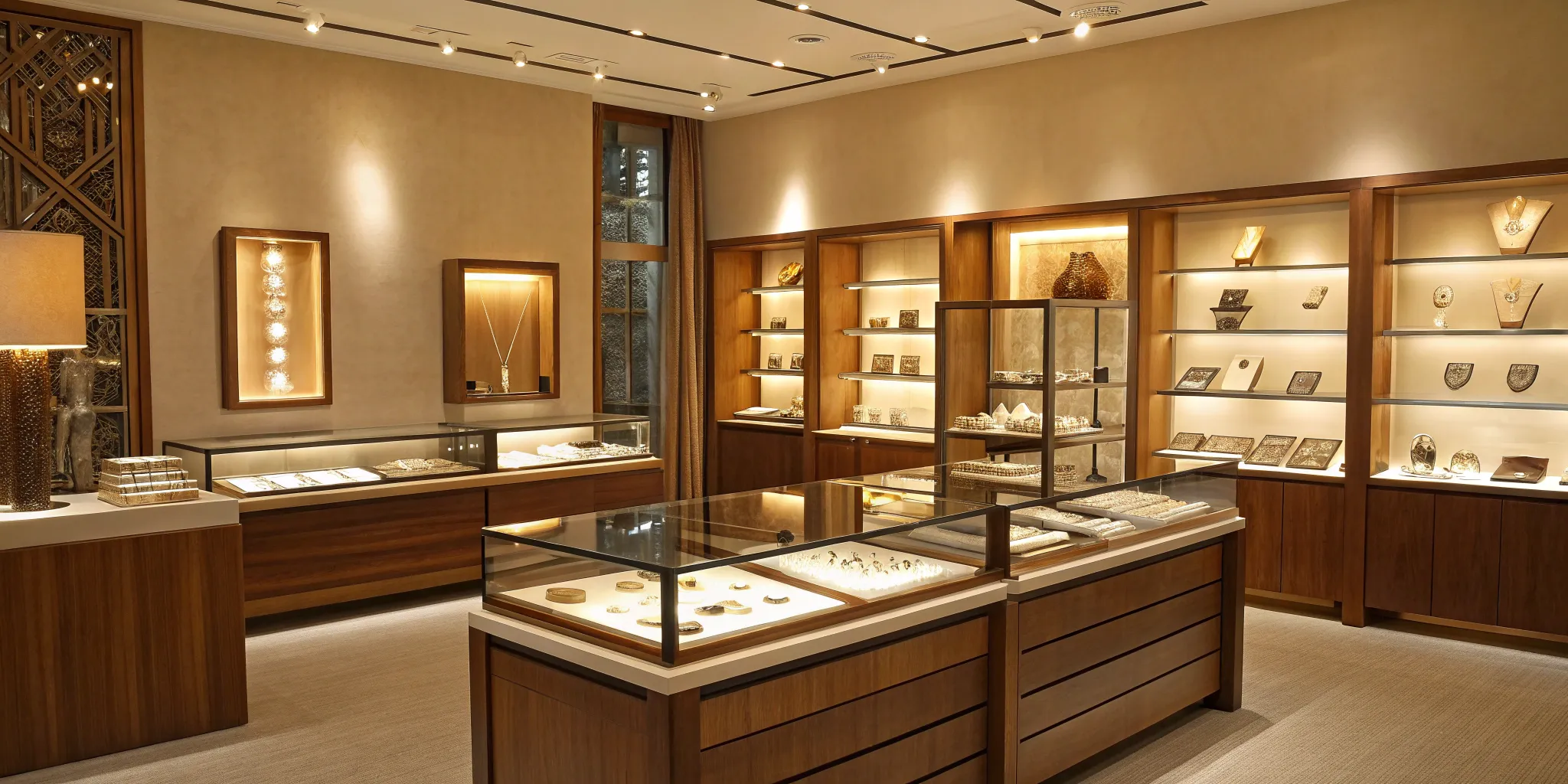


A great product can easily get lost in a poorly designed space. You might have the perfect item, but if it’s hidden on a cluttered shelf or housed in a cheap-looking fixture, customers will walk right past it. The solution lies in your merchandising strategy, and specifically, your retail displays. The right displays act as your best salesperson—they grab attention, tell a story, and guide customers toward a purchase without saying a word. But designing a display that truly connects with shoppers and drives sales requires a thoughtful approach that blends creativity with strategy. Here, we’ll explore the key elements that turn a simple fixture into a powerful selling tool.
Think of retail displays as your store's silent salespeople. They are any structures, fixtures, or setups designed to hold and promote your products. From the moment a customer walks through your doors, these displays are often the first thing they interact with, making them a fundamental part of your store's visual merchandising strategy. The right display doesn't just sit there; it actively works to shape the customer's perception of your brand and products. Its design, materials, and placement can make the difference between a shopper who walks right by and one who stops to take a closer look.
In a competitive market, you can't afford to leave the customer experience to chance. Well-planned retail displays guide shoppers through your space, tell your brand's story, and make your products look their absolute best. They are a critical investment in creating a retail environment that is not only visually appealing but also highly effective at converting foot traffic into sales. By strategically using displays, you can create a cohesive and compelling journey that encourages exploration and, ultimately, purchase. This is a core part of how successful brands create successful retail environments that keep customers coming back.
At its heart, the purpose of a retail display is to increase sales. It achieves this by making your products more visible, accessible, and desirable. A great display draws the eye to specific items, whether it's a new arrival, a seasonal special, or a high-margin product you want to feature. It also helps organize your store, creating a clear path for customers and preventing them from feeling overwhelmed. By presenting products in an engaging and logical way, you make the shopping process easier and more enjoyable, which naturally encourages customers to add more to their carts.
Effective retail displays are masters of persuasion. They capture a shopper's attention in a crowded space and transform simple interest into a sale. By highlighting a product on a well-lit, thoughtfully designed fixture, you instantly make it seem more valuable and appealing. In today's retail world, the shopping experience is just as important as the product itself. A creative display can turn a simple transaction into a memorable interaction with your brand. This focus on experience is what builds customer loyalty and drives consistent sales long-term, making your custom fixture programs a powerful engine for growth.
Choosing the right displays is a lot like casting the right actors for a play—each one has a specific role to perform. But it’s about more than just filling space; it’s about creating a cohesive and compelling environment that tells your brand story. Your fixtures are the silent salespeople of your store, working around the clock to guide customers, highlight key products, and ultimately, drive sales. For businesses with multiple locations, this becomes even more critical. A well-defined fixture strategy ensures brand consistency from one store to the next, creating a familiar and reliable experience for your shoppers no matter where they are.
The goal is to build a retail space that feels intuitive and intentional. From the moment a customer sees your window display to the final item they grab at the checkout counter, every fixture should serve a purpose. Understanding the different types of displays available is the first step toward building that successful environment. Let's walk through the most essential types of retail displays and what they can do for your store.
Point-of-purchase (POP) displays are your secret weapon for encouraging impulse buys. Placed right where the transaction happens—near checkout counters or at the end of aisles—these displays are designed to capture a customer's attention at the critical moment of decision. They can be standalone units showcasing a new snack or smaller displays integrated into your existing cash wrap to feature items like gift cards or lip balm. The key is to make the product easy to see and grab. A well-designed custom fixture program ensures your POP displays feel like a natural part of the shopping experience, not a cluttered afterthought.
Think of end cap displays as the billboards of your store aisles. Positioned at the very end of an aisle, they have prime real estate and are highly visible to almost every shopper. This makes them perfect for promoting seasonal products, special offers, or new arrivals. Because they catch the eye of customers moving through the main walkways, they can introduce products to people who weren't actively looking for them. To make the most of this high-traffic spot, use bold signage and creative merchandising that tells a clear story. You can see great examples of effective end caps in action by looking at past projects.
Your window display is your store’s first handshake. It’s your single best opportunity to attract foot traffic and communicate what your brand is all about before a customer even steps inside. A great window display does more than just show off products; it tells a story, creates a mood, and sparks curiosity. Whether it’s minimalist and modern or vibrant and playful, the design should be visually compelling and resonate with your target audience. This is where creative design and engineering come together to turn a simple window into a powerful magnet for shoppers.
Floor displays are the workhorses of your retail space. These versatile, freestanding fixtures include everything from gondolas and shelving units to nesting tables and clothing racks. They are essential for organizing products, defining traffic flow, and creating distinct departments within your store. When placed strategically, floor fixtures guide customers on a journey, exposing them to a wide range of merchandise along the way. The key is to use them to build an intuitive layout that feels open and easy to explore, rather than cluttered or obstructive. High-quality, durable fixtures are a must, as they form the very foundation of your store's environment.
Counter displays are designed for one thing: driving last-minute sales. These small, compact units sit on or near the checkout counter to promote impulse items that customers can easily add to their purchase. Think small-ticket products like candy, magazines, travel-sized toiletries, or fun accessories. To be effective, a counter display needs to be eye-catching enough to stand out in a busy area but small enough that it doesn’t interfere with the transaction process. Because these items sell quickly, it's also important that the display is easy for your staff to restock. They are a simple yet powerful tool for increasing the average transaction value with minimal effort.
In a world full of screens, bringing digital elements into your store can create a truly memorable experience. Interactive and digital displays invite customers to engage directly with your brand. This could be a touchscreen that allows shoppers to customize a product, a tablet that provides in-depth product information, or a video screen showcasing your products in action. These displays not only capture attention but also provide a richer, more informative shopping experience. By blending the physical and digital, you can educate customers, answer their questions, and create a fun interaction that makes your brand stand out.
Choosing a partner to bring your retail display vision to life is a major decision, especially when you’re coordinating a rollout across multiple locations. The right partner does more than just build fixtures; they act as an extension of your team, managing the process from concept to installation. Your partner’s capabilities in design, manufacturing, and logistics can directly impact your project's timeline, budget, and overall success. To help you get started, here are a few providers in the retail fixture space and what they offer.
S-CUBE is a great fit for retailers looking for a full-service partner for custom fixture programs. They focus on creating effective, high-quality merchandising solutions that are built to last and designed to perform. With a comprehensive approach that includes everything from design and engineering to manufacturing and logistics, they manage the entire process to ensure your project stays on schedule and within budget. Their expertise helps brands and retailers avoid common merchandising pitfalls that can hurt sales, making them a strategic choice for businesses that need a reliable, end-to-end solution for large-scale rollouts.
If your primary goal is finding low-cost, standard fixtures, Store Fixtures Direct is a potential option. They offer a wide inventory of ready-made equipment for various retail environments, including basic shelving, displays, and general store supplies. This provider is geared toward retailers who need straightforward, off-the-shelf products to quickly outfit a space. While they focus on affordability, their offerings are less centered on custom designs or comprehensive project management, making them better suited for smaller-scale needs or businesses that don't require unique, branded fixtures.
Creative Store Solutions offers a mix of retail fixtures and design services. They provide a variety of items like counters and displays while also helping retailers plan an effective store layout. This makes them a good option for businesses that might need some guidance on store planning but don't require a fully custom manufacturing partner. Their services can help you visualize your space and select fixtures that fit, bridging the gap between sourcing standard products and commissioning a completely bespoke design.
Display Warehouse specializes in a diverse range of products for retail, including fixtures, display cases, and general store supplies. They are known for their broad inventory and convenient shipping across the United States and Canada. This makes them a practical choice for retailers who need to source a variety of standard items from a single place. Their model is focused on supplying ready-to-ship products, which is ideal for businesses that need quick-turnaround solutions without the complexities of custom design and manufacturing.
When you’re vetting potential partners, it’s critical to find one that truly understands your brand’s specific display criteria and the requirements of each retail channel you operate in. A common mistake is rushing to create a display without confirming these details, or trying to force a single design to work across different chains. A strong partner will have a robust project management process to ensure every detail is right. Look for a provider who asks the right questions, manages the complexities of multi-store rollouts, and can tailor solutions to meet the unique needs of each environment.
Selecting the right retail displays isn't just about finding a place to put your products. It's a strategic decision that shapes how customers interact with your brand, find what they need, and ultimately, make a purchase. The best displays work in harmony with your store's layout, your brand identity, and the products you sell. When you get this combination right, your fixtures do more than just hold merchandise—they become silent salespeople, guiding the customer journey and making your products shine.
Making the right choice requires a thoughtful approach. You need to consider everything from the physical flow of your space to the specific needs of your target audience. It’s about creating an environment that feels both intuitive and engaging. Let's walk through the key factors to consider to ensure you're choosing displays that will work hard for your business, support your sales goals, and create a memorable shopping experience for every person who walks through your doors.
Your store's layout is the foundation of the customer experience, and your displays are the building blocks. Before choosing fixtures, map out your floor plan to create clear, intuitive pathways. The goal is to guide shoppers effortlessly through the store without creating bottlenecks or dead ends. Avoid using tall displays near the entrance, as they can block sightlines and make the space feel closed off. Instead, use a mix of high and low fixtures to create visual interest and draw customers deeper into the store. A well-thought-out design and engineering process ensures every display serves a purpose and contributes to a seamless flow.
Who are you selling to? The answer to this question should influence every display you choose. Your fixtures need to resonate with your ideal customer's tastes and shopping habits. For a luxury brand, this might mean sleek, minimalist displays made from high-end materials that convey sophistication. For a store targeting families, durable, accessible, and perhaps more colorful fixtures would be a better fit. When your displays align with your customers' expectations, they feel more comfortable and connected to your brand, which makes them more likely to buy. Thinking about your audience from the start helps create an environment where they feel understood.
A one-size-fits-all approach to retail displays rarely works. The fixtures you choose must be suited to the products they are holding. Heavy items like hardware or canned goods require sturdy, weight-bearing shelves, while delicate jewelry needs secure, well-lit cases. Apparel requires a combination of racks, tables, and shelving to showcase different styles effectively. The right display not only keeps your products safe and organized but also presents them in the best possible light. Custom fixture programs allow you to tailor each display to the specific size, shape, and needs of your merchandise, ensuring a perfect fit every time.
Retail displays are an investment, and like any investment, you need to consider the return. While it can be tempting to opt for the cheapest option, poor-quality fixtures can end up costing more in the long run due to damage and frequent replacement. Instead, focus on value and durability. A solid project management plan can help you allocate your budget effectively across a multi-store rollout. By planning carefully and choosing a partner who can deliver cost-effective solutions without compromising on quality, you can ensure your displays contribute positively to your bottom line for years to come.
Your retail displays are a physical extension of your brand identity. Mismatched fixtures, clashing colors, or inconsistent styles can create a chaotic and unprofessional atmosphere that confuses customers. To build a strong, recognizable brand, your displays should have a cohesive look and feel that aligns with your overall aesthetic. This means using a consistent color palette, materials, and design language across all fixtures, from wall shelving to point-of-purchase displays. This consistency reinforces your brand image and creates a polished, immersive shopping experience that customers will remember.
In a busy retail environment, your fixtures need to withstand constant interaction. Low-quality displays can quickly show wear and tear, cheapening your store's appearance and potentially becoming a safety hazard. Investing in durable, well-made fixtures is essential for maintaining a premium look and protecting your merchandise. High-quality materials and construction ensure your displays will stand the test of time, even in high-traffic areas like the checkout counter. A commitment to quality control from your fixture partner guarantees that every piece meets your standards for both function and longevity.
A great product can get lost in a poorly designed space. The right retail displays, however, act as your best salesperson—they grab attention, tell a story, and guide customers toward a purchase without saying a word. But designing a display that truly connects with shoppers and drives sales involves more than just setting up a few shelves. It requires a thoughtful approach that blends creativity with strategy. From the initial concept to the final placement on your sales floor, every decision matters. Let's walk through the key elements that turn a simple fixture into a powerful selling tool, ensuring your investment pays off in customer engagement and increased revenue.
Think of your display as a conversation starter. To get customers to listen, you need a clear and compelling message. Start with a single focal point—what is the one thing you want a shopper to see first? Build your display around that hero product. Use the principles of balance and proportion to create a visually pleasing arrangement that doesn't feel cluttered or overwhelming. Good retail displays are essential for getting customers' attention, showing off products, and turning browsers into buyers. By incorporating storytelling elements and ensuring products are easy to see and touch, you create an interactive experience that invites shoppers to engage on a deeper level.
Where you place your display is just as important as what’s on it. High-traffic areas, like the front of the store, near the checkout counter, or on end caps, are prime real estate for showcasing new arrivals or promotional items. The key is to guide the customer's journey, not obstruct it. Blocking a customer’s view with tall displays or poorly placed fixtures can create frustration and prevent them from exploring your store fully. Your store layout should create a natural flow, with displays strategically positioned to draw shoppers from one section to the next, creating a seamless and enjoyable experience.
Color is a powerful tool that can instantly set a mood and attract the eye. Use your brand’s color palette to create a cohesive look, and don't be afraid to use bold, contrasting colors to make key products pop. Visual hierarchy helps direct the shopper's attention to the most important information or products first. You can achieve this through size, color, and placement. To create a polished and professional look, it's best to use a consistent theme with matching racks, shelves, and signage. This consistency reinforces your brand identity and makes the shopping experience feel curated and intentional, which you can see in S-CUBE's past projects.
Even the best products can be undermined by a few common display missteps. One of the biggest mistakes is overcrowding; when too many products are crammed together, customers can feel overwhelmed and nothing stands out. Another pitfall is poor lighting, which can make products look dull and unappealing. It's also critical to avoid a one-size-fits-all approach. A display that works in a large flagship store may not be suitable for a smaller boutique location. The most frequent mistakes often stem from a lack of planning, poor execution, and a failure to track results. Partnering with an expert in design and prototyping can help you avoid these costly errors from the start.
The work isn’t over once your display is on the floor. To understand what’s working, you need to track its performance. Monitor sales data for the featured products and don't hesitate to make adjustments. Are certain items selling faster than others? Maybe they need a more prominent position. Beyond tracking sales, regular maintenance is crucial. Keep your displays clean, well-stocked, and in good repair. A dusty, disorganized, or broken fixture sends a negative message about your brand. Before you even begin, it's wise to confirm the retailer's specific display criteria to ensure compliance and a smooth rollout. A commitment to ongoing quality control ensures your displays remain effective selling tools for the long haul.
How do I make sure my displays look consistent across all my store locations? Achieving brand consistency across dozens or even hundreds of stores starts with a solid plan and a partner who can manage a large-scale rollout. The key is to create a single, cohesive fixture program that uses the same materials, color palette, and design language everywhere. This ensures that no matter which location a customer visits, they have the same high-quality experience with your brand. A good partner will handle the complexities of manufacturing and logistics to deliver that consistent look every time.
What's the difference between choosing a custom fixture partner and just buying standard displays? Buying standard, off-the-shelf displays can be a quick solution, but it often means forcing your products into a one-size-fits-all fixture. A custom fixture partner works with you to design and build displays specifically for your products, your brand, and your unique store layouts. This approach creates a much more polished and effective merchandising environment because every element is tailored to your strategic goals, from telling your brand story to making specific products shine.
My store space is limited. How can I choose displays that don't make it feel cluttered? When space is tight, every square foot counts. The trick is to think vertically and choose fixtures that are multi-functional. Instead of wide, bulky displays, look for taller, slimmer shelving units that draw the eye upward. Also, prioritize creating clear pathways for customers to walk through. A well-designed layout will use fixtures to guide shoppers through the space without making it feel cramped. It’s all about strategic placement that makes the store feel open and easy to explore.
What's the most common mistake you see retailers make with their displays? The biggest and most costly mistake is a lack of a clear strategy. Many retailers will overcrowd their displays with too much product, which overwhelms customers and makes nothing stand out. Another common pitfall is using poor lighting, which can make even the best products look dull and unappealing. These issues usually stem from not planning the display's purpose, placement, and design from the very beginning.
How can I measure whether my new displays are actually helping sales? The most direct way is to track the sales data for the products on the new displays. Compare the sales numbers from before and after the installation to see if there's a noticeable lift. You can also gather qualitative feedback by simply observing your customers. Are they stopping to look at the display? Are they touching the products and interacting with them more than before? This combination of hard data and real-world observation will give you a clear picture of what’s working.
Subscribe for expert insights on fixture design, materials, and modern retail environments.