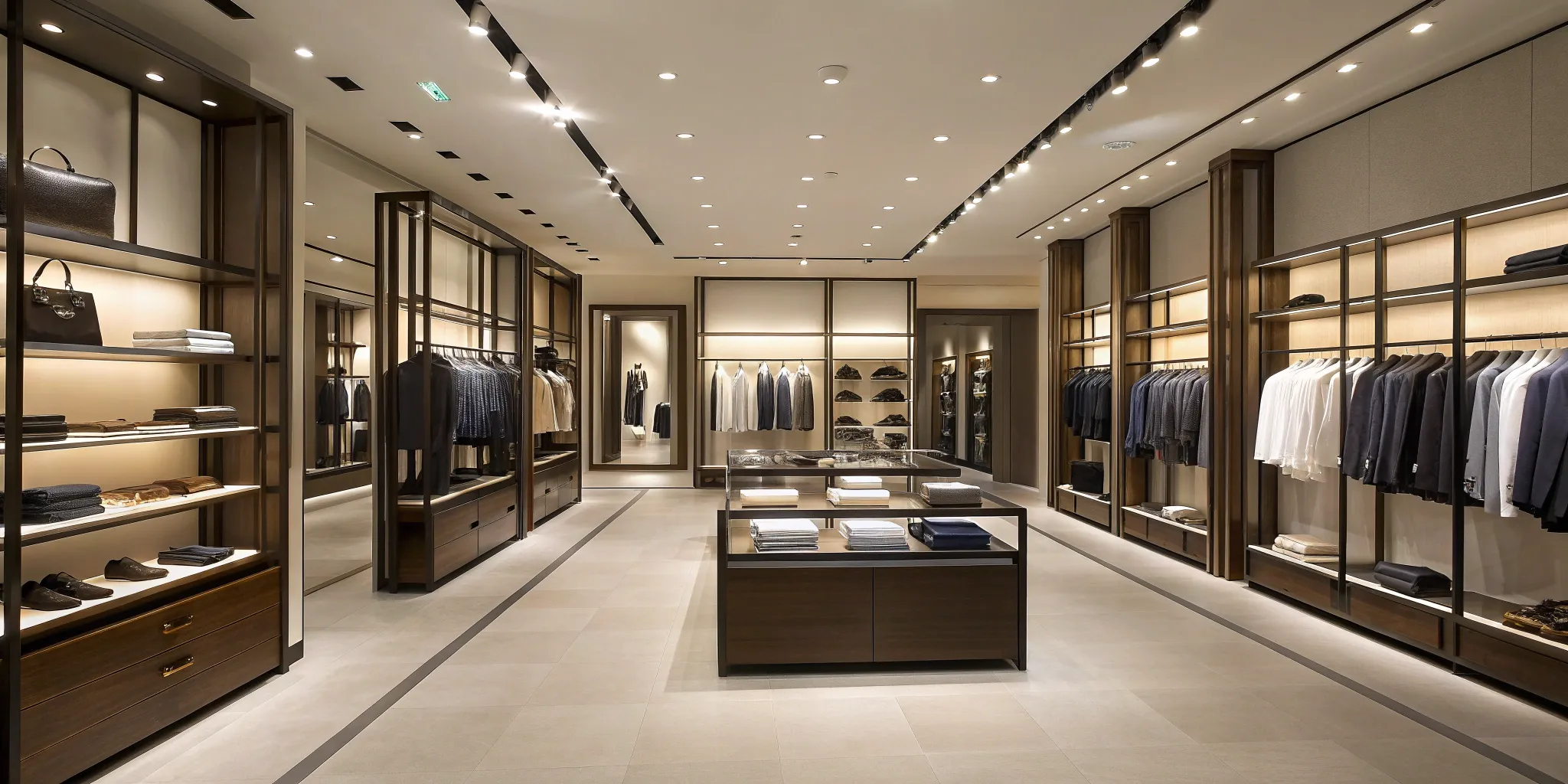


When you think about a major store remodel or a nationwide fixture rollout, it’s easy to focus on the final, visible result. But behind every successful retail environment is a powerful, often unseen, operational engine. This engine is retail project management—a discipline that goes far beyond simple checklists and deadlines. It’s the strategic coordination of every single element, from initial design and engineering to manufacturing, logistics, and quality control. It’s what ensures your brand’s vision is protected, your budget is respected, and your teams are aligned, turning a complex, multi-faceted initiative into a seamless and successful execution across all your locations.
Think of retail project management as the specific playbook for getting things done in the retail world. It’s more than just general project management; it’s a specialized approach that understands the unique rhythm of retail—from managing product launches and coordinating with suppliers to ensuring every in-store display is perfect. Whether you’re opening a new location, remodeling an existing one, or rolling out a new fixture program across dozens of stores, retail project management is the framework that keeps everything on track.
This discipline covers the entire lifecycle of a project, from the initial idea to the final execution. It involves planning, organizing, and overseeing all the moving parts to make sure your project is completed on time, within budget, and to your brand’s standards. For retailers, this means coordinating with designers, manufacturers, and logistics teams to create a seamless process. The goal is to successfully execute projects that not only look great but also enhance the customer experience and support your business objectives. It’s the secret sauce that turns a great retail concept into a successful reality.
At its heart, successful retail project management is built on a few key principles. First is setting crystal-clear goals. Everyone on the team needs to know exactly what you’re trying to achieve and what the finished project should look like. Next is managing your resources—your budget, materials, and people—to get the most value without overspending. Sticking to a timeline is also critical, as retail calendars are often unforgiving. Finally, a great plan always includes managing risks by anticipating potential problems and having a backup plan ready. These principles are the foundation of a well-run project and are what a dedicated project management team focuses on every day.
For businesses with multiple locations, effective project management isn't just helpful—it's essential. It’s what ensures a consistent brand experience for a customer, whether they walk into your store in Miami or Seattle. When you’re launching a new campaign or updating fixtures across a regional or national chain, project management provides the structure needed to execute flawlessly at scale. It streamlines complex rollouts, improves supply chain efficiency, and helps you launch new products faster. Ultimately, it allows you to grow your footprint with confidence, knowing that every store will reflect the quality and vision of your brand. You can see how this comes to life in successful retail environments across the country.
Successful retail projects don’t just happen by chance. Whether you’re launching a new store design or rolling out a seasonal campaign across hundreds of locations, success is built on a foundation of solid project management principles. Think of these as the essential building blocks that provide structure, clarity, and direction from start to finish. By focusing on these four key areas, you can create a repeatable process that keeps your team aligned, your budget in check, and your brand looking its best. Let’s break down what it takes to manage your retail projects effectively.
Before you can even think about execution, you need a crystal-clear plan. This starts with defining the project’s scope: what are the specific goals, deliverables, and deadlines? A well-defined scope acts as your North Star, guiding every decision and preventing "scope creep"—when a project slowly expands beyond its original objectives. Your plan should outline every phase, from initial concept to final installation. This is the stage where you turn a great idea into an actionable strategy, ensuring every stakeholder understands the mission. A strong partner can help you through the design and prototyping phase to solidify your vision and create a concrete plan for bringing it to life across all your locations.
Once you have a plan, it’s time to assemble the resources needed to make it happen. This includes everything from your budget and materials to the people who will execute the work. Effective resource allocation means assigning the right tasks to the right people and ensuring they have what they need to succeed. Clearly defining roles and responsibilities is crucial for fostering collaboration and accountability. When everyone knows what they’re responsible for, your team can work together seamlessly to solve problems and keep the project moving forward. This is where expert project management and customer service becomes invaluable, coordinating all the moving parts for you.
A detailed timeline is the backbone of any retail project. It should be broken down into smaller, manageable tasks with specific deadlines and key milestones. Milestones are important checkpoints that help you gauge progress and ensure you’re staying on track. Regularly monitoring your timeline allows you to identify potential delays before they become major problems, giving you time to adjust your plan accordingly. For multi-location rollouts, managing timelines is especially critical to coordinate deliveries and installations without disrupting store operations. A well-managed schedule ensures that all tasks, from manufacturing to logistics and distribution, are completed correctly and on time.
Throughout the project, maintaining quality and brand consistency is non-negotiable. Your brand’s integrity depends on delivering a uniform customer experience at every location, and your fixtures and displays play a huge role in that. Establishing clear quality benchmarks from the beginning helps ensure that every component, from the materials used to the final installation, meets your standards. Implementing a process for complete quality control at every stage is essential for protecting your brand’s reputation. After all, successfully managing costs and timelines doesn’t mean much if the final product doesn’t reflect the quality your customers expect.
Even with a perfect plan, retail projects can hit unexpected roadblocks. From global supply chain snags to last-minute design changes, a lot can happen between concept and rollout. Knowing what these common challenges are is the first step to building a strategy that can withstand them. When you're managing a project across dozens or even hundreds of locations, these hurdles can feel even bigger. Let's break down the four most common obstacles you're likely to face and how to start thinking about them.
Your project is only as strong as its weakest link, and often, that vulnerability lies within the supply chain. Unexpected events, from natural disasters to factory shutdowns, can halt the movement of materials and products, leading to delays that ripple through your entire timeline. This is why having reliable partners is non-negotiable. Building strong relationships with your vendors and manufacturers gives you more transparency and flexibility when disruptions happen. A partner with robust logistics and distribution capabilities can help you create contingency plans and find alternative solutions to keep your project moving forward, no matter what happens.
Finding the sweet spot with inventory is a classic retail challenge. Not having enough product leads to lost sales and frustrated customers, while having too much ties up capital and increases storage costs. For multi-location rollouts, this balancing act becomes even more complex. You need to ensure each store has the right amount of fixtures and displays ready for installation day. This requires meticulous coordination and a clear view of your assets. An effective inventory control system is essential for tracking components, managing stock levels, and ensuring everything arrives where it needs to be, right on schedule.
Your brand is your promise to your customers, and that promise should feel the same whether they walk into your store in New York or Los Angeles. However, it can be incredibly difficult for stores in different places to offer the same experience. Consistency in your fixtures, displays, and overall store environment is key to building a strong, recognizable brand identity. Every detail matters, from the color of a shelf to the quality of the materials used. That's why a commitment to complete quality control throughout the design, manufacturing, and installation process is so important for protecting your brand image across all locations.
Few things can derail a project faster than a blown budget. Costs can increase unexpectedly, but a more subtle threat is scope creep. This is when a project gradually expands beyond its original goals, and it’s more common than you might think—one survey found it affects nearly 60% of retail projects. A small request here and a minor addition there can quickly add up, leading to missed deadlines and significant cost overruns. The best defense is a clearly defined project scope from the very beginning. Strong project management helps enforce that scope, manage change requests effectively, and keep your project on track and within budget.
Choosing the right project management method is like picking the right tool for the job—what works for a small repair won't work for building a house from the ground up. In retail, your project's scope, timeline, and goals will determine the best approach. Whether you're launching a new point-of-purchase display across a dozen locations or rolling out a complete fixture overhaul for hundreds of stores, the framework you use will shape the entire process.
There isn't a single "best" method. The most successful retail projects are guided by a strategy that matches their specific needs. Some projects demand flexibility to respond to market feedback, while others require a rigid, sequential plan to ensure consistency and control costs at scale. Understanding the core differences between these approaches will help you build a solid foundation for your project, align your teams, and deliver a successful retail environment on time and on budget. Let's break down three popular methods and when to use them.
Think of the Agile method as your go-to for projects where you need to adapt on the fly. Instead of a single, long-term plan, Agile breaks work into short, iterative cycles. This approach is perfect for the fast-paced world of retail, where customer preferences and market trends can shift quickly. It emphasizes collaboration and continuous feedback, allowing your team to make adjustments throughout the project. Agile is ideal for developing a new interactive display, testing a pop-up shop concept, or any initiative where learning and adapting are more important than sticking to a rigid initial plan.
The Waterfall method is a more traditional, linear approach where each project phase is completed before the next one begins. It’s a highly structured process that moves from planning and design to manufacturing, execution, and completion. This method is the gold standard for large-scale projects where requirements are clear from the start and consistency is critical—like a nationwide fixture rollout. For multi-location businesses, Waterfall provides the predictability and control needed to manage complex logistics and ensure every store meets brand standards. This structured process is central to effective project management for major retail initiatives.
Why choose one when you can have both? A hybrid approach combines the structured planning of Waterfall with the flexibility of Agile. This allows you to create a detailed, long-term plan for the overall project while building in room for adaptation. For example, you might use a Waterfall framework to manage the budget, timeline, and manufacturing for a full store remodel. At the same time, you could use Agile sprints to design and test new in-store digital experiences, gathering customer feedback along the way. This balanced method gives you the stability you need for large-scale execution while staying nimble enough to innovate.
Even the most meticulously planned retail project can be derailed by poor communication. When you’re coordinating a multi-store rollout, you’re dealing with dozens of people across different departments, vendors, and time zones. Keeping everyone aligned isn’t just a nice-to-have; it’s the foundation of a successful project. Strong collaboration ensures that your marketing team’s vision matches what the construction crew is building and that your new fixtures arrive exactly when your store teams are ready to install them.
Effective communication prevents costly mistakes, keeps morale high, and ensures the final result is a cohesive brand experience for your customers. It’s about creating a system where information flows freely and everyone understands their role in the bigger picture. Think about it: a small miscommunication about fixture dimensions could lead to a massive production error, delaying an entire store opening and impacting your bottom line. When your teams and partners are in sync, you can solve problems faster, adapt to unexpected challenges, and keep the project moving forward smoothly toward a successful launch. This proactive approach to collaboration is what separates a stressful, chaotic rollout from a seamless and profitable one.
For any large-scale retail project, you’re bringing together experts from visual merchandising, marketing, operations, and construction. Each team has its own priorities and language, which can easily lead to silos and misunderstandings. The key is to get everyone on the same page from day one. Start with a kickoff meeting where you clearly define the project goals and each team’s responsibilities.
Establishing a single point of contact can make a world of difference. This person or team acts as the central hub, translating needs between departments and ensuring no detail gets lost. A dedicated project management partner can fill this role, coordinating everything from fixture design to final installation so your internal teams can stay focused on their core tasks without getting bogged down in logistics.
Stakeholders aren't just the executives signing the checks; they include everyone impacted by the project, from regional managers to the vendors manufacturing your displays. Keeping them in the loop is crucial for maintaining buy-in and managing expectations. When stakeholders feel heard and informed, they become advocates for the project rather than obstacles.
Set up a regular communication schedule, whether it’s a weekly email update, a bi-weekly status call, or a shared dashboard. Be transparent about progress, including any setbacks. If a supply chain issue is going to delay a delivery from your manufacturing partner, it’s better to communicate that early and present a solution. This builds trust and gives other teams time to adjust their plans accordingly.
Endless email chains and conflicting spreadsheet versions are a recipe for confusion. To keep everyone connected, all project-related information should live in one central, accessible place. Using a project management platform allows your team to track progress, share files, and communicate in real-time. This creates a single source of truth that anyone can reference, from the initial design concepts to the final punch list.
These tools provide the transparency needed to manage complex rollouts effectively. When your fixture provider uses a centralized system, you can get clear visibility into every stage of the process. This integrated approach to project services ensures that from prototyping to logistics, everyone is working with the most up-to-date information, which is essential for keeping your project on schedule and on budget.
Managing a multi-location rollout with spreadsheets and email chains is a recipe for missed deadlines and budget overruns. The right technology stack doesn’t just organize your tasks; it gives you a clear, real-time view of your entire project, from fixture manufacturing to final installation. Modern tools are designed to handle the complexities of large-scale retail projects, helping you coordinate teams, track progress, and make smarter decisions along the way.
Think of these tools as your project’s central nervous system. They connect every moving part, ensuring everyone from your design team to your on-site installers has the information they need, exactly when they need it. By embracing technology, you can streamline workflows, anticipate challenges, and maintain control over every detail. A great partner will leverage these tools as part of their project management services to ensure your vision is executed flawlessly, on time, and within budget across all your locations.
Project management software is your team’s single source of truth. Platforms like Asana, Monday.com, or Trello help you track tasks, assign responsibilities, and monitor deadlines in one shared space. This eliminates confusion and keeps everyone aligned, whether they’re in the corporate office or at a store location. For large-scale fixture rollouts, these tools are essential for managing timelines and facilitating clear communication between all stakeholders.
Enterprise Resource Planning (ERP) systems take this a step further by integrating all core business processes into one platform. An ERP system can monitor everything from inventory levels and supplier performance to order status in real-time. This gives you a complete picture of your operations, helping you manage stock effectively and ensure your new fixtures are ready for distribution and installation without a hitch.
Guesswork has no place in modern retail. Data analytics tools allow you to move beyond intuition and make decisions based on concrete evidence. By analyzing customer behavior, sales data, and market trends, you can gain powerful insights into what your shoppers really want. This information is invaluable when planning a new store layout or designing custom fixtures that truly resonate with your audience.
For example, data might show that customers in a specific region prefer to browse products at a certain height or that a particular store layout encourages more impulse buys. Using these insights during the design and prototyping phase ensures your retail environment is optimized for sales from day one. It’s about creating spaces that are not only beautiful but also highly effective.
Artificial intelligence (AI) and automation are powerful tools for improving efficiency and reducing costs. AI can analyze vast amounts of data to predict customer purchasing patterns, which helps you optimize inventory levels and minimize waste. This is especially useful when stocking new stores, as it prevents the costly problem of ordering too much or too little product.
One fashion retailer, for instance, used AI to reduce its excess inventory by 30%, leading to higher sales and happier customers. Automation can also handle repetitive administrative tasks, freeing up your project managers to focus on more strategic work. By automating routine processes, you can speed up your project timeline and reduce the risk of human error, ensuring a smoother rollout.
The Internet of Things (IoT) refers to a network of physical devices, like sensors, that connect to the internet to share data. In a retail setting, IoT technology can provide real-time tracking of your inventory. Imagine shelves that automatically detect when stock is low and send an alert to your warehouse. This technology helps you manage inventory with incredible precision, reducing the risk of stockouts or overstocking.
For a multi-location business, this level of visibility is a game-changer. It ensures that every store has the right amount of product at the right time, which is critical for a successful launch. Effective inventory control powered by IoT helps you maintain consistency across all your locations and keeps your supply chain running smoothly.
Even the most brilliant retail concept can fall flat without solid execution. Getting from an idea to a fully realized, multi-store rollout requires more than just a good plan—it demands a commitment to proven practices that ensure consistency, quality, and efficiency every step of the way. Think of these best practices not as rigid rules, but as your playbook for turning complex projects into streamlined successes. They are the foundation that allows your team to handle challenges gracefully and deliver results that align perfectly with your brand's vision.
When you’re coordinating fixture rollouts across dozens or even hundreds of locations, there’s no room for guesswork. Flawless execution is about creating a repeatable process that saves time, controls costs, and protects your brand’s integrity. By adopting a structured approach, you can ensure every stakeholder is aligned, every potential issue is anticipated, and every dollar is accounted for. This is where a dedicated partner with deep expertise in project management and customer service becomes invaluable, helping you implement these practices to achieve a seamless launch from the first store to the last.
Vague goals lead to vague results. Before you kick off any project, it’s essential to define exactly what success looks like using the SMART framework: Specific, Measurable, Achievable, Relevant, and Time-bound. Instead of aiming to "update store displays," a SMART goal would be to "roll out new point-of-purchase displays to 75 stores in the Midwest region by the end of Q3 to support the new product launch." This clarity ensures everyone on the team is working toward the same finish line. It also helps you manage stakeholder expectations from day one, providing a clear benchmark for what will be delivered and when.
In retail, unexpected challenges are part of the job. A shipment gets delayed, a vendor misses a deadline, or on-site measurements are slightly off. The key isn’t to avoid problems entirely—it’s to anticipate them. Proactive risk management involves identifying potential roadblocks early and creating contingency plans. What’s your backup plan if a materials shortage affects manufacturing? Who is the point person for handling shipping issues? Thinking through these scenarios beforehand means you can respond quickly and effectively, keeping the project on track without derailing your timeline or budget. This foresight is crucial for managing complex logistics and distribution.
Two of the biggest stressors in any retail project are budget creep and missed deadlines. The best way to prevent both is with meticulous planning and constant monitoring. A detailed budget that accounts for every line item—from manufacturing to shipping to installation—is non-negotiable. Pair that with a clear project timeline that includes key milestones and regular check-ins. This structure helps you track progress and catch any deviations early. Good retail project management helps reduce overspending, even when unexpected problems come up. Clear plans and tasks help teams meet deadlines and keep the project moving forward smoothly.
The project isn’t truly finished once the last fixture is installed. The final step is to measure your results and gather feedback for the future. Did the new displays meet brand standards? Was the installation process efficient? Did the project achieve its original goals? Conducting a post-project review helps you identify what went well and where there’s room for improvement. This commitment to complete quality control creates a valuable feedback loop, making each subsequent rollout even more successful than the last. This process of continuous improvement is what separates good retailers from great ones.
Once a project wraps up, it’s tempting to move on to the next big thing. But how do you know if it was truly successful? Measuring success goes beyond simply finishing on time and within budget. It’s about understanding the project's real-world impact on your stores, your team, and your bottom line. By defining what success looks like from the start, you can gather the right information to see what worked, what didn’t, and how to make your next rollout even better.
A solid measurement framework helps you prove the value of your investment and refine your processes for future initiatives. It turns every project into a learning opportunity, ensuring your retail environment continuously evolves to meet customer expectations. With a partner that prioritizes complete quality control, you can build these feedback mechanisms directly into your workflow, making measurement a natural part of the project lifecycle. Let’s look at a few key areas to focus on.
You can’t improve what you don’t measure. Key Performance Indicators (KPIs) are the specific, measurable metrics that tell you if you’re hitting your targets. Before kicking off a project, you should establish clear goals for everything from timelines and budget to installation quality. This involves tracking progress against these goals to ensure the project aligns with your company’s larger objectives. For a fixture rollout, your KPIs might include the percentage of stores completed by the deadline, adherence to the budget, the number of fixtures damaged during shipping, or the accuracy of installations. Tracking these metrics gives you concrete data to evaluate performance and identify areas for improvement in your next project.
Ultimately, your retail projects are for your customers. A seamless fixture rollout should lead to a better, more consistent shopping experience. When projects are managed well, from initial design to final installation, the result is a store environment that reflects your brand promise. It’s important to gather feedback from store-level employees and even customers to see how the changes are being received. Regular checks across locations ensure that every store delivers the same high-quality brand experience. Showcasing a portfolio of past work can demonstrate a partner's ability to maintain this consistency at scale, which is crucial for building customer trust and loyalty.
Every retail project is an investment, and you need to know if it’s paying off. Analyzing your return on investment (ROI) helps you understand the financial impact of your new fixtures or store layout. Did the new displays lead to an increase in sales for featured products? Did the improved store flow reduce checkout times? Beyond sales lifts, strong project management helps control costs by minimizing waste, avoiding delays, and preventing overspending. Even when unexpected issues arise, a well-managed project can adapt without derailing the budget, leading to greater overall cost-effectiveness and a healthier bottom line.
Clear and consistent communication is the backbone of any successful project. Creating feedback loops means establishing regular check-ins and reporting structures to keep all stakeholders in the loop. This includes everyone from your corporate team and vendor partners to the store managers and installation crews on the ground. When everyone is informed and involved in key decisions, it builds trust and alignment. This collaborative approach is essential for monitoring performance in real-time, catching potential issues before they become major problems, and making swift, informed adjustments to keep the project on track.
The world of retail is always changing, and project management is evolving right along with it. Staying ahead of the curve isn't just about keeping up—it's about anticipating what your customers will want next and building the infrastructure to deliver it. The future of retail project management is focused on creating more connected, responsible, and efficient experiences. It’s about looking beyond the immediate project and seeing how each rollout, redesign, or new fixture installation fits into the bigger picture of your brand's journey. Let's look at the key trends that are shaping the future of this field.
The line between online and in-store shopping has all but disappeared. Today’s customers expect a seamless experience whether they’re browsing on their phone or walking through your doors. This means retail projects are no longer just about the physical space. Project managers are now tasked with creating cohesive brand experiences that bridge the digital and physical worlds. This could look like designing in-store pickup counters that sync perfectly with your e-commerce platform or rolling out interactive displays that connect to your mobile app. The goal is to make every touchpoint feel like a natural extension of your brand, creating a smooth and enjoyable journey for your customers.
Sustainability is more than just a buzzword; it's a core value for a growing number of consumers. This shift is making its way into every aspect of retail project management. From sourcing eco-friendly materials for new fixtures to planning logistics that minimize carbon footprints, project managers are playing a key role in building more responsible retail environments. This involves working with partners who prioritize sustainable manufacturing processes and can help you reduce waste throughout the project lifecycle. Adopting these practices isn't just good for the planet—it resonates with customers and can even lead to more efficient, cost-effective operations in the long run.
Technology is giving retail project managers a powerful new toolkit for creating smarter, more efficient stores. Innovations like the Internet of Things (IoT) allow for real-time inventory tracking across hundreds of locations, preventing stockouts and ensuring your displays are always ready for customers. Augmented Reality (AR) can help you visualize new store layouts and fixture designs before a single piece is built, saving time and money on prototypes. These tools provide incredible visibility into the entire supply chain, helping you track products from the factory to the sales floor and quickly address any issues that pop up along the way.
What makes retail project management different from regular project management? Think of it this way: while general project management can build a bridge, retail project management ensures that bridge opens on the exact day of a city-wide festival and is painted in the perfect brand-approved color. It’s a specialized field that understands the unique pressures of retail, like unforgiving seasonal calendars, the need for a flawless in-store customer experience, and the complex coordination of designers, manufacturers, and logistics partners to make it all happen at once.
How does this process help maintain brand consistency across many locations? Effective project management creates a single, repeatable playbook for every store. By centralizing the plan, from the specific materials used in a fixture to the exact placement on the sales floor, you eliminate guesswork. This ensures that a customer in one city has the same high-quality brand experience as a customer a thousand miles away. It's the framework that protects your brand's integrity at scale.
What's the most common mistake to avoid when managing a large-scale retail project? The most common pitfall is not defining the project's scope with enough detail from the very beginning. When goals are vague, it’s easy for small additions and "minor" changes to pile up, a problem known as scope creep. This can quietly push your project over budget and past its deadline. A crystal-clear scope acts as your guide for every decision and is the best defense against costly surprises down the road.
My project has a fixed deadline and budget. Which project management method is best? For projects where the requirements are clear and consistency is key, like a nationwide fixture rollout, the Waterfall method is typically your strongest choice. It’s a linear, step-by-step approach where each phase is completed before the next one begins. This highly structured process provides the predictability and control you need to manage complex logistics and ensure the project stays on track without unexpected changes.
When should I consider bringing in an external project management partner? You should think about bringing in a partner when a project's scale or complexity stretches your internal team too thin. If you're coordinating a rollout across dozens of stores, managing multiple vendors, or need deep expertise in fixture manufacturing and logistics, a dedicated partner can provide the focus and oversight required for a smooth execution. This frees up your team to concentrate on their core responsibilities.
Subscribe for expert insights on fixture design, materials, and modern retail environments.