

Standard store shelving is practical, but it rarely gets customers excited. To create a memorable shopping experience that drives sales, you need to break free from the grid of the aisle. A custom cardboard retail display offers a blank canvas to bring your brand’s personality to life right on the sales floor. You can go beyond simple boxes and create unique shapes, vibrant graphics, and engaging designs that stop shoppers in their tracks. This level of customization allows you to tell a product’s story, highlight a seasonal promotion, or reinforce your brand identity at the critical point of purchase, building a branded moment that stands out.
Cardboard retail displays are temporary or semi-permanent fixtures designed to put your products in the spotlight. Made from materials like corrugated cardboard, they are a versatile and powerful tool for in-store marketing. Think of them as a dedicated salesperson for a specific product or promotion, working to capture customer attention right at the point of purchase. From simple counter units to large, intricate floor displays, they can be tailored to fit any product, space, or marketing campaign. This makes them a go-to choice for retailers aiming to highlight new arrivals, seasonal items, or special offers.
In a busy store, cardboard displays act as a visual stop sign. By placing them in high-traffic areas like main aisles, near checkout counters, or on endcaps, you can effectively interrupt a shopper's routine and direct their attention to specific products. This strategic placement is perfect for encouraging impulse buys as customers wait in line or for introducing a new item that might otherwise get lost on the shelf. Well-designed displays make the shopping experience more engaging and can significantly lift sales by making your products impossible to ignore. These displays are a key part of successful custom fixture programs that aim to move inventory quickly.
Retailers lean on cardboard displays for a few key reasons, with budget-friendliness being at the top of the list. They are significantly more cost-effective to produce than permanent fixtures, which is ideal for temporary promotions and seasonal campaigns. Their lightweight nature also makes them cheaper to ship and easier for store staff to assemble without special tools or teams. Beyond the practical benefits, cardboard offers incredible flexibility for custom designs. You can print high-quality graphics and create unique shapes that perfectly match your brand identity and campaign goals, turning a simple display into a powerful marketing statement.
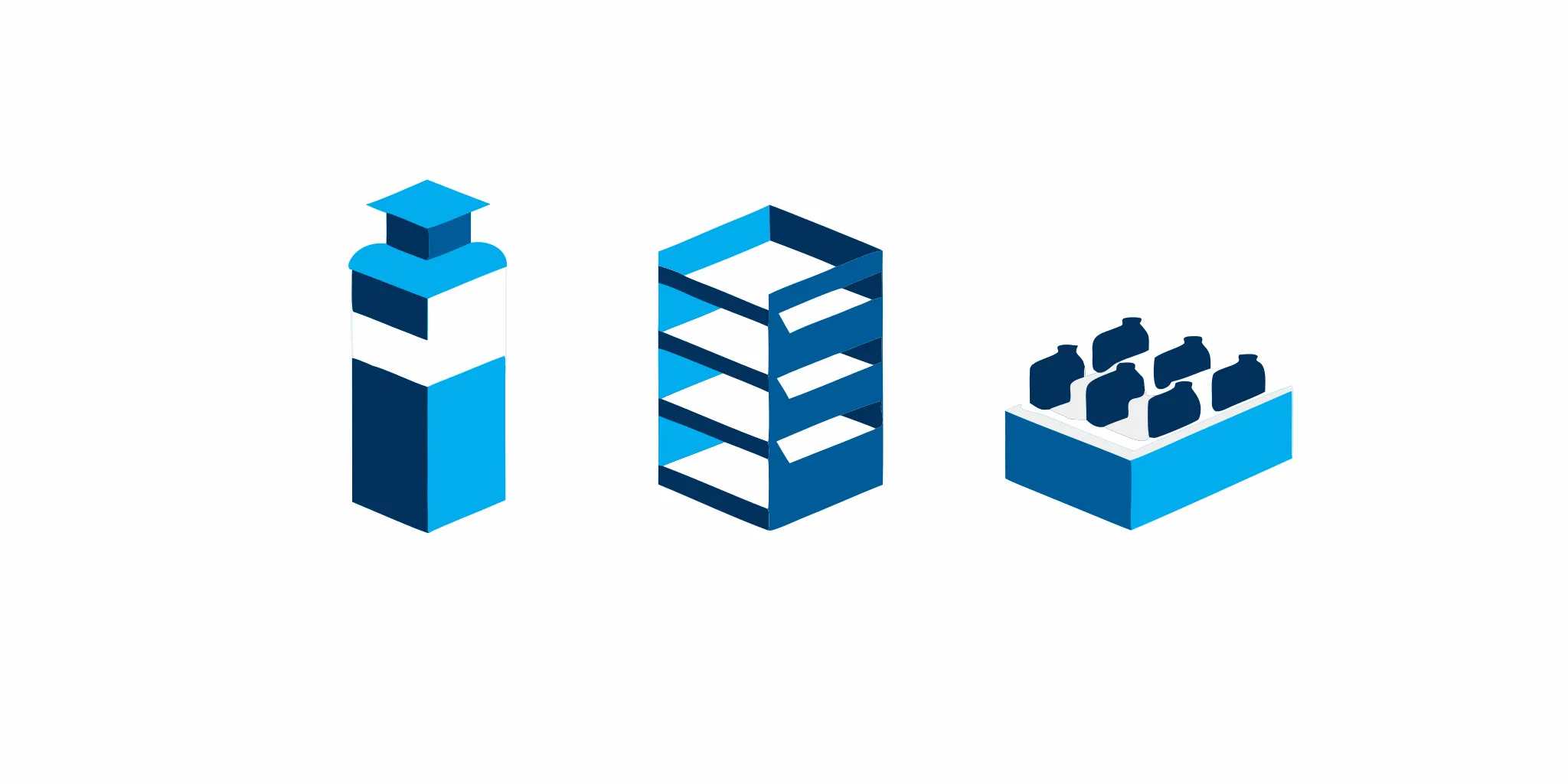
When you walk into a store, you’re surrounded by different types of displays, each with a specific job. These point-of-purchase (POP) displays are designed to grab attention, highlight promotions, and make it easy for customers to grab a product and go. Understanding the most common formats helps you choose the right one to showcase your products and catch your customer's eye. From large, freestanding units that command attention in an aisle to small boxes that encourage last-minute buys at the checkout, there’s a cardboard display for every product and placement.
Choosing the right type depends on your product, your goals, and where you want to place it in the store. Some are built for visibility at the end of an aisle, while others are perfect for organizing smaller items on a shelf. Let's look at the four main types of cardboard displays you'll find in retail environments and what makes each one effective. Seeing how other brands use these displays can give you great ideas for your own custom fixture programs.
Floor displays are standalone fixtures that can be placed anywhere in a store, making them incredibly versatile. You’ll often find them in high-traffic areas, like main aisles or near entrances, where they can introduce new products or feature special promotions. Because they aren’t confined to a shelf, you have complete creative freedom with their size, shape, and design. This allows you to create an immersive brand experience that stands out from the surrounding store shelves. They are perfect for drawing shoppers in and telling a product’s story in a visually compelling way.
Counter displays are small, compact units designed to sit on checkout counters or flat surfaces. Their main job is to drive impulse purchases. Think about all the small items you see while waiting in line: candy, lip balm, gift cards, or small gadgets. These displays place products directly in the customer’s line of sight at the exact moment they’re ready to pay. They are highly effective for small, low-cost items and can be a simple way to add incremental sales to each transaction. Effective design and engineering are key to making these small displays impactful.
Endcap displays are placed at the end of store aisles, which is some of the most valuable real estate in a retail environment. Everyone who walks down the main thoroughfare of a store will see them. Because of their high visibility, endcaps are ideal for launching new products, running major promotions, or showcasing seasonal items. They act as powerful billboards that can stop shoppers in their tracks and pull them into an aisle. Retailers often rotate these displays frequently to keep the store looking fresh and highlight the most timely offers.
Dump bins are large, open-topped containers typically used for holding bulk quantities of a single product. You’ll often see them filled with discounted items, seasonal goods, or products that don’t need to be neatly stacked, like toys or packaged snacks. They create a “treasure hunt” feel that encourages shoppers to browse. Many dump bins are also designed as shippers, meaning they can be transported directly to the store, fully stocked. This makes setup incredibly fast and efficient for store staff, a huge plus for large-scale rollouts managed through a streamlined logistics and distribution system.
Cardboard displays are a powerful tool in any retailer’s playbook, offering a unique blend of creativity, practicality, and affordability. They give you a way to break free from standard shelving to create eye-catching presentations that stop shoppers in their tracks. Whether you're launching a new product, running a seasonal promotion, or simply trying to give a specific item a sales lift, cardboard displays provide a flexible and effective solution.
Beyond their visual appeal, these displays solve real-world logistical challenges for multi-location businesses. They are relatively inexpensive to produce, cheap to ship, and simple for store associates to set up, ensuring your campaign is executed consistently across all your locations. This combination of marketing impact and operational efficiency is why so many top retailers rely on custom cardboard displays to drive sales and enhance the in-store experience. With the right design and engineering, a simple piece of cardboard can become your most valuable marketing asset.
One of the biggest draws of cardboard displays is their affordability. They allow you to create a high-impact, custom-branded moment in your store without the significant investment required for permanent fixtures. The raw materials are inexpensive, and the manufacturing process is efficient, keeping production costs low. This makes it feasible to roll out large-scale promotional campaigns across dozens or even hundreds of stores without breaking the budget. Lower costs also mean you can experiment more freely with seasonal or event-specific displays, keeping your retail environment fresh and exciting for returning customers.
In a crowded retail space, standing out is everything. Custom cardboard displays are designed to grab attention and pull customers toward your products. Placed in high-traffic areas like main aisles or near checkout counters, they disrupt the typical shopping pattern and highlight specific items. This increased visibility is perfect for introducing new products, showcasing special offers, or drawing attention to items you want to move quickly. By creating a dedicated, branded space for your products, these displays effectively act as a salesperson, encouraging impulse buys and driving higher sales volume.
As consumers and corporations become more environmentally conscious, sustainability is a key consideration. Cardboard displays are an excellent choice for eco-friendly retailing. Most are made from a high percentage of recycled materials and are 100% recyclable at the end of their lifecycle. This allows you to execute temporary marketing campaigns with minimal environmental impact. Choosing sustainable displays not only aligns with corporate responsibility goals but also resonates with shoppers who prefer to support brands that prioritize the planet. It’s a simple way to show your commitment to sustainability while still achieving your sales objectives.
The logistical advantages of cardboard displays are a game-changer, especially for national retailers. Because they are so lightweight, they are significantly cheaper to ship than fixtures made from wood, metal, or plastic. Most displays are designed to ship flat and can be assembled in-store in minutes without any special tools or expertise. This simplicity ensures that your displays are set up correctly and consistently across all locations, which is critical for brand compliance. Easy installation also means less downtime for store staff, allowing them to focus on what they do best: helping customers.
The secret to a successful retail display is choosing a design that complements the product it holds. A flimsy stand won’t work for heavy items, and a giant bin will swallow small trinkets. Different products have unique needs, and the right display can make all the difference in grabbing a shopper's attention and encouraging them to buy. Thinking strategically about the product you're selling is the first step toward creating a display that performs.
Small items like candy, lip balm, or gift cards thrive on impulse. The best way to sell them is with a counter display placed right at the checkout. These compact displays keep products organized and visible, encouraging spontaneous purchases while customers are already in a buying mindset. A well-designed counter unit turns waiting time into shopping time, making a big impact on your bottom line. By presenting these items at eye level near the register, you make it incredibly easy for a customer to add one more thing to their cart. You can see examples of how we've helped other retailers with these types of fixtures in our work.
Holidays and special promotions require displays that are both eye-catching and temporary. Cardboard is perfect for these campaigns because it’s affordable and fully customizable. You can create vibrant, themed floor displays or endcaps that capture the spirit of the season without the cost of permanent fixtures. Because they are so cost-effective, you can easily swap them out as promotions change, keeping your store looking fresh and exciting. A great custom design generates urgency and highlights limited-time offers, prompting customers to act now. This flexibility is essential for keeping up with the fast-paced retail calendar.
When you need to move a large volume of products, dump bins are your best friend. These large, open containers are perfect for holding clearance items like apparel, toys, or discounted goods. They immediately signal a great deal to shoppers, encouraging them to rummage for a bargain. The key is ensuring the design is sturdy enough to handle significant product weight and constant shopper traffic, which is a core focus of our manufacturing process. Paired with clear, bold signage that announces the sale, dump bins are an incredibly effective tool for turning over inventory quickly and making space for new products.
Selling higher-priced items like electronics or premium cosmetics requires a focus on security and presentation. Displays must be engineered to protect products from theft while allowing customers to see them clearly and, in some cases, interact with them. For products like headphones or cameras, the display needs a secure attachment that lets shoppers handle the item without walking away with it. This involves a more complex structural design to balance accessibility with protection. A well-executed display not only secures the product but also builds trust and gives customers the confidence they need to purchase valuable goods.
Selecting the perfect cardboard display involves more than just picking a design you like. It’s a strategic choice that directly impacts how customers interact with your products and, ultimately, your sales. To make the right decision, you need to think about three key elements: the product itself, the store’s environment, and where your display will live within that space. Getting these details right ensures your display doesn’t just look good but also performs well.
Your display’s most fundamental job is to hold your products securely. A display that is too weak for the items it holds can quickly become a safety hazard and reflect poorly on your brand. Before you do anything else, know the exact dimensions and weight of your products. This information is critical for the design and engineering process, as it determines the right cardboard thickness and structural support needed. Remember, customers often want to pick up and examine products, so your display must be sturdy enough to handle that interaction without tipping over or collapsing.
A beautiful display is useless if no one sees it. Take time to understand the store’s layout and the natural path shoppers take. Where do they enter? Which aisles do they walk down most frequently? A well-placed display should fit seamlessly into this flow, catching eyes without creating a bottleneck. Think about sightlines from the main walkways and the store entrance. Your display should be an inviting part of the customer’s journey, not an obstacle. Analyzing customer traffic patterns can help you identify prime locations that guarantee more people will see your products.
Once you understand the store’s traffic flow, you can pinpoint specific high-impact zones. Placing smaller displays with impulse-buy items near the checkout counter is a classic strategy for a reason; it works. Studies show that the vast majority of shoppers visit checkout lanes, making it a perfect spot for last-minute additions. Endcaps are another prime location, as they are visible from main aisles and attract a lot of attention. The best placement depends on your goal. Are you launching a new product or clearing out seasonal inventory? Your objective will help you decide whether a large floor display or a compact counter unit is the right fit. You can see great examples of strategic placement in our work with other retailers.
One of the biggest advantages of cardboard displays is how easily you can tailor them to fit your brand, product, and retail environment. Gone are the days of generic, one-size-fits-all solutions. Customization allows you to create a unique in-store experience that captures shoppers' attention and tells your brand’s story. From the initial concept to the final product, every element can be designed to meet your specific goals.
Think of your display as a blank canvas. You have complete control over the graphics, the exact dimensions, the materials used, and the overall branding. This flexibility means you can design a display that not only holds your products securely but also acts as a powerful marketing tool. A well-designed custom display can stop customers in their tracks, highlight key product features, and drive impulse purchases. The key is to partner with a manufacturer who understands how to translate your vision into a functional and eye-catching fixture. S-CUBE’s design and engineering services can help you create a display that is both structurally sound and perfectly aligned with your brand aesthetic, ensuring a successful rollout across all your locations.
The graphics on your display are the first thing a customer will notice, making them one of the most important elements of your design. High-quality, compelling visuals can draw people in from across the store. You can customize nearly every aspect of the visual presentation, including the printing methods, inks, and special finishes that make your design pop. Whether you opt for bold, vibrant imagery or a more minimalist and clean look, your graphics should clearly communicate your brand message and highlight what makes your product special. Make sure your artwork is high-resolution to avoid a blurry or unprofessional appearance. The goal is to create a visually appealing display that reflects the quality of the products it holds.
Cardboard displays are not limited to standard boxes or simple shelving units. You can create them in virtually any size, shape, and style you can imagine. This versatility allows you to design a fixture that fits perfectly within a specific retail footprint, whether it’s a narrow endcap or a wide-open promotional space. A unique shape can make your display more memorable and help it stand out in a crowded store. Consider creating a display that mirrors the shape of your product or incorporates interesting angles and cutouts. When planning the size and shape, always factor in your product’s dimensions and the typical store layout to ensure a practical and impactful custom fixture program.
The material and finish you choose will define your display's final look, feel, and durability. You can select from various cardboard options, such as natural Kraft for an earthy, organic vibe or a bleached white board for crisp, clean graphics. Beyond the base material, coatings and laminations add another layer of customization. A gloss finish can create a shiny, high-end look, while a matte finish offers a more subtle, sophisticated feel. These finishes don't just contribute to the aesthetic; they also provide protection against scuffs, moisture, and wear and tear, extending the life of your display in a busy retail setting.
Consistent branding is essential for building recognition and trust with your customers. Your cardboard display is a perfect opportunity to reinforce your brand identity right at the point of purchase. Use your brand’s specific color palette, fonts, and logo to create a cohesive look that customers will immediately associate with your products. Colors can evoke specific emotions and attract attention, so choose them wisely to align with your marketing goals. An eye-catching, well-branded design not only makes your products stand out but also strengthens your overall brand presence in the store. This is your chance to make a lasting impression and turn casual shoppers into loyal customers.
Cardboard displays are fantastic tools, but a few common design missteps can keep them from reaching their full potential. A great display does more than just hold your products; it actively sells them. By avoiding some frequent pitfalls in the design phase, you can ensure your display grabs attention, engages shoppers, and ultimately drives sales. Let's walk through the three most common mistakes we see and how you can steer clear of them.
One of the biggest mistakes is treating your display like a simple cardboard box. It’s so much more. Your display is a silent salesperson on the retail floor, and it needs to communicate your brand’s message at a glance. When a display is treated as a purely functional item, it misses the chance to attract customers and tell a story. Think about how your graphics, colors, and design can capture your product's essence. A thoughtful design and engineering process transforms a basic stand into a powerful marketing asset that stops shoppers in their tracks and makes your product the star of the aisle.
In a retail environment, customers love to interact with products. A display that feels like a hands-off museum piece creates a barrier between the shopper and your item. Failing to design for engagement is a missed opportunity to create a memorable experience. Can customers easily pick up the product? Is there an element that invites them to touch or try something? Building in interactive features encourages shoppers to spend more time with your product, which can lead to a purchase. When you look at examples of successful retail fixtures, you’ll notice they often invite the customer to become part of the experience.
A display that is wobbly, sagging, or unable to hold your products securely is a recipe for disaster. Underestimating your product's weight and size can lead to a display that fails on the floor, damaging your inventory and brand reputation. It’s critical to choose the right materials and ensure the structure is engineered to handle the load and withstand customer interaction. This is where an experienced manufacturer pays off. They can guide you on the appropriate corrugated thickness and internal supports, ensuring your display remains stable and looks great through a complete quality control process from start to finish.
You’ve put in the work to design and produce a fantastic cardboard display. But how do you know if it’s truly effective once it hits the sales floor? Measuring the success of your display program is about more than just seeing if it looks good. It’s about gathering concrete data to understand what’s working, what isn’t, and how you can improve your strategy for future rollouts. A successful display doesn’t just sit there; it actively contributes to your bottom line and enhances the customer experience.
To get a complete picture, you need to look at performance from a few different angles. Of course, the financial return is a top priority. You need to know if your investment is paying off in actual sales. But the story doesn’t end there. It’s also important to understand how shoppers are interacting with your display. Are they stopping to look? Are they picking up products? Finally, none of these metrics matter if the display isn’t set up correctly in the first place. Consistent execution across all your locations is the foundation for accurate measurement. By tracking these key areas, you can move beyond guesswork and make data-driven decisions for your retail environment.
The most direct way to measure your display’s impact is by looking at the numbers. Ultimately, every merchandising program should positively contribute to your bottom line. To figure this out, you’ll want to calculate your return on investment (ROI). This involves comparing the total cost of the display program, including design, manufacturing, and shipping, to the increase in product sales it generates. A simple way to start is by tracking sales data for the featured products before and after the display is introduced. This sales lift gives you a clear, monetary measure of its success. This data is essential for justifying the program’s budget and planning future campaigns.
Beyond the sales data, it’s helpful to understand how your display influences customer behavior. Are shoppers stopping and noticing your products? You can assess this by observing foot traffic patterns around the display. Notice how many people pause, pick up an item, or read the signage. Another great metric is the average transaction value. Compare sales results before and after your program to see if the display encourages customers to spend more, perhaps by adding an impulse item to their cart. This gives you insight into how well the placement, pricing, and cross-selling strategies are working together to create an effective point-of-purchase display.
Your display could be perfectly designed, but if it’s not assembled or stocked correctly in-store, you won’t see the results you’re hoping for. This is where planogram compliance comes in. A planogram is a visual diagram that shows exactly how products and displays should be set up. For retailers with multiple locations, ensuring every store follows the planogram is critical for brand consistency and accurate performance tracking. If displays are set up incorrectly or not restocked properly, it can skew your sales data. Consistent project management and customer service helps ensure your vision is executed flawlessly across every single location.
Finding the right manufacturing partner is about more than just production. It’s about finding a team that can support your project from a rough sketch to a nationwide rollout. A great partner acts as an extension of your own team, helping you solve problems and ensuring your vision comes to life exactly as you imagined. For retailers with dozens or even hundreds of locations, this relationship is even more critical. You need a manufacturer who can handle complexity, scale, and tight deadlines without breaking a sweat. They should understand the unique challenges of multi-store rollouts and have the systems in place to manage them flawlessly. When you're vetting potential partners, it's helpful to look at four key areas: their production quality, design capabilities, project management style, and their ability to handle large-scale manufacturing and distribution. Getting these right from the start will save you headaches and ensure your custom displays arrive on time, on budget, and ready to wow your customers. Think of it as building a foundation for a successful campaign; the stronger your partnership, the better your results will be.
The quality of your display speaks volumes about your brand. A flimsy or poorly printed display can make your products look cheap, which is the last thing you want. That's why you should never cut corners on material quality. Look for a manufacturer that prioritizes durable materials and has a proven track record of high-quality production. Ask about their quality control process and what steps they take to ensure every display meets your standards. A great partner will be transparent about their materials and manufacturing capabilities, helping you choose the best options for your specific needs and budget. This ensures your displays not only look fantastic but can also withstand the rigors of a busy retail floor.
Your cardboard display is a canvas for your brand story. The right manufacturer will give you the tools to tell it effectively. You should be able to customize almost everything, including materials, finishes, printing, and shape. A true partner offers more than just production; they provide expert design and engineering support to refine your ideas and ensure the final structure is sound. They can help you incorporate your logo, brand colors, and key messaging in a way that grabs attention. This level of customization ensures your display doesn't just hold products, it creates an experience that resonates with shoppers and reinforces your brand identity from across the store.
For large-scale rollouts, smooth execution is everything. This is where reliable project management becomes non-negotiable. A dedicated project manager is your single point of contact, guiding your project from concept to completion and keeping you in the loop every step of the way. They coordinate everything from prototyping and quality checks to manufacturing and shipping schedules. This hands-on approach ensures potential issues are caught early, like making sure a prototype’s colors perfectly match your brand guidelines. Having a partner that offers comprehensive project management and customer service means you can trust that every detail is being handled, allowing you to focus on the bigger picture.
Creating a beautiful prototype is one thing; producing and shipping thousands of them to stores across the country is another challenge entirely. Your manufacturer must have the capacity to handle your volume without sacrificing quality or missing deadlines. Ask about their production capabilities and their on-time delivery record. A partner with robust logistics and distribution services is essential for a seamless rollout. They should be able to manage everything from warehousing and inventory control to coordinating shipments to each individual store. This ensures your displays arrive on schedule and in perfect condition, ready for a successful launch.
Once your display design is finalized, it’s time to think about the practical side of things: budget, assembly, and lifespan. Planning for these factors from the start helps ensure your rollout is smooth and successful. A great design is only effective if it can be produced affordably, assembled correctly in every store, and can withstand the retail environment for the duration of your campaign. Let's walk through what you need to consider.
The cost of cardboard displays is heavily influenced by quantity. As with most manufacturing, ordering in larger volumes significantly lowers the price per unit. Buying wholesale can often cut your costs by as much as 50% compared to smaller orders. For national or regional chains, this is a major advantage. The final price also depends on customization factors like printing complexity, materials, and structural design. While a simple, one-color dump bin will be less expensive, a multi-faceted display with high-resolution graphics will require a larger investment. It’s about finding the right balance for your budget and campaign goals, which is where a partner with expertise in domestic and international manufacturing can provide guidance.
Your displays will likely arrive at stores in one of two ways: pre-assembled or flat-packed. Flat-pack displays are much more cost-effective to ship, but they require assembly by store staff. This can sometimes lead to inconsistent setups or compliance issues if instructions aren't clear. To avoid this, always ask your manufacturer for simple, visual instructions or even a short assembly video. The prototyping phase is also your best friend here. When you receive a prototype, have someone unfamiliar with the design try to assemble it. This is also the perfect time to compare the printed colors against your official brand style guide to ensure everything is perfect before full production begins.
While cardboard displays aren't meant to be permanent fixtures, you can certainly extend their lifespan with smart design and placement. Consider creating a display that can be easily updated with new graphics or panels. This allows you to refresh your messaging for different seasons or promotions without replacing the entire unit. To prevent wear and tear, place displays in areas where they are visible but less likely to be bumped by carts. A commitment to complete quality control from your manufacturing partner ensures the materials and construction are sound from the start, giving your display the best chance to hold up in a busy retail setting.
How long can I expect a cardboard display to last in a store? The lifespan of a cardboard display really depends on its design, the materials used, and where it’s placed. A well-engineered display in a lower-traffic area can look great for several months. For high-traffic spots like endcaps, a display is typically designed to last for the duration of a specific promotion, which could be anywhere from four to eight weeks. Adding protective coatings can also help it stand up to wear and tear, keeping it looking fresh for longer.
What's the first step to creating a custom display for my product? The best way to start is by gathering some key information. Before you even think about design, you should know your product’s exact weight and dimensions, how many units you want the display to hold, and your overall budget. It’s also helpful to have a clear goal in mind, for example, are you launching a new item or clearing out seasonal stock? Having these details ready will make the design and engineering process much smoother and more efficient.
Are cardboard displays strong enough for heavier items like bottled drinks or small electronics? Absolutely. It’s a common misconception that cardboard is always flimsy. The key is in the structural engineering. By using the right grade of corrugated material and designing smart internal supports, a cardboard display can be made incredibly strong and stable. We always recommend a prototyping phase to test the structure with your actual products to ensure it can handle the weight and customer interaction without any issues.
How do I make sure my displays look consistent across all my store locations? Consistency across a multi-store rollout comes down to smart planning and clear communication. The best approach is to work with a manufacturing partner who provides simple, visual assembly instructions or even a short video for store staff. A solid logistics plan is also critical to ensure every store receives the correct components on time. This is where having a dedicated project manager makes all the difference, as they oversee the entire process to guarantee your vision is executed correctly everywhere.
Can I get a sample or prototype before committing to a large order? Yes, and you absolutely should. Requesting a prototype is a standard and essential step in the custom display process. It gives you a chance to see and feel the final product before it goes into full production. You can test its stability, check the color accuracy of the printing against your brand guidelines, and have your team practice assembling it. This step helps catch any potential issues early, saving you time and money in the long run.
Subscribe for expert insights on fixture design, materials, and modern retail environments.