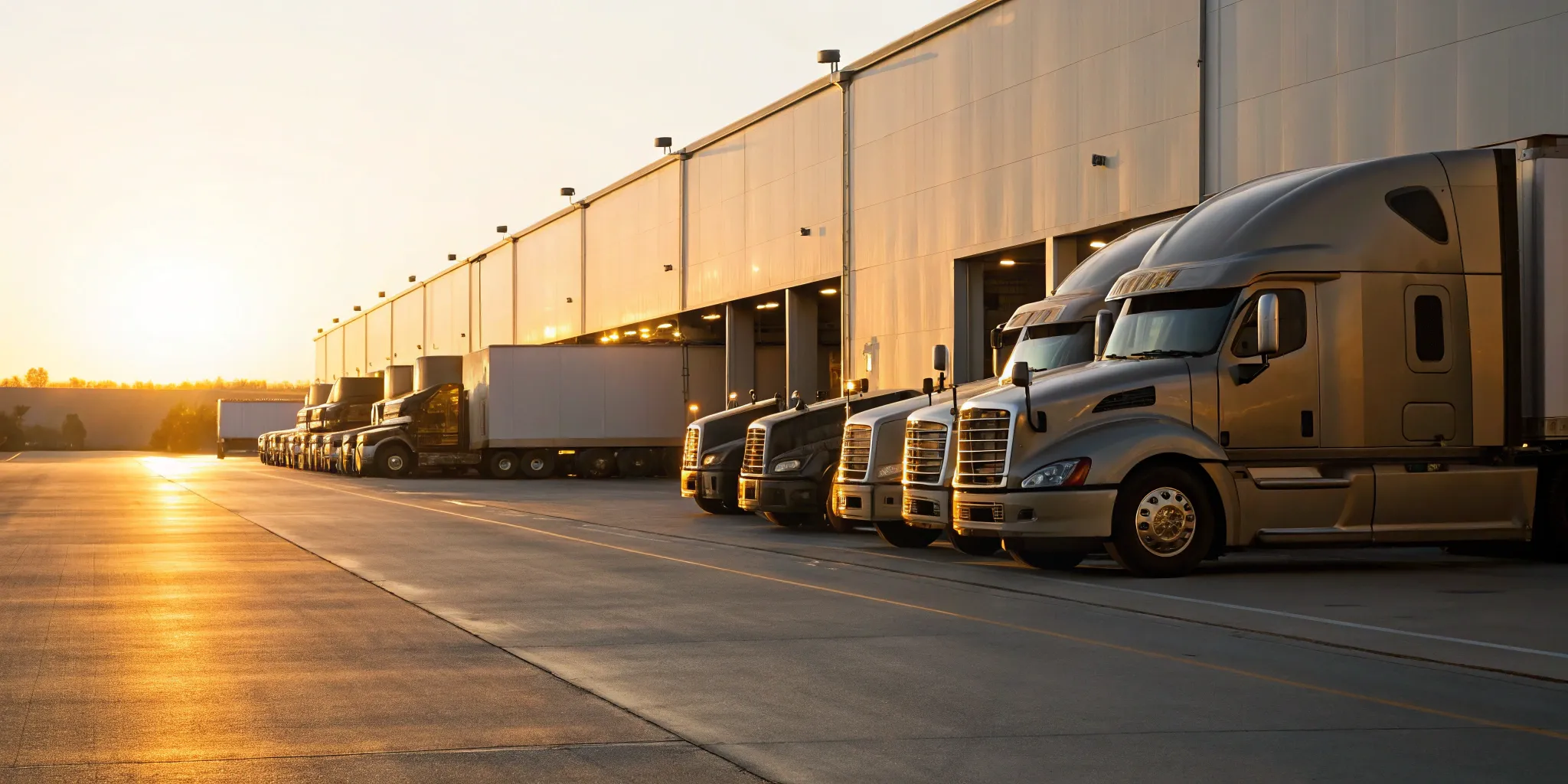


Your custom fixtures are a significant investment in your brand’s physical presence, and the last thing you want is for them to arrive damaged or late. Protecting that investment during transit is just as important as the design and manufacturing process. This is where your shipping choice becomes a crucial part of your quality control strategy. With Full Truckload, or FTL shipping, your products are loaded onto a dedicated truck and aren't touched again until they reach their destination. This single-touch process drastically reduces the risk of damage, ensuring your displays and shelving arrive in perfect condition, ready for a seamless installation.
When you’re coordinating a multi-store rollout or a brand-new opening, getting your custom fixtures to their destination safely and on time is non-negotiable. This is where your shipping strategy comes into play. One of the most common and efficient methods for large-scale projects is Full Truckload, or FTL, shipping. It’s a straightforward concept that offers some major advantages for retailers who need reliability and speed. Let's walk through what FTL is and the simple process behind getting your fixtures from the warehouse to the sales floor.
FTL stands for Full Truckload, and it’s exactly what it sounds like: your shipment gets an entire truck trailer all to itself. Unlike other shipping methods where your goods might be packed in with items from several other companies, FTL gives you exclusive use of the space. This is ideal when you have enough fixtures, displays, and other materials to fill most or all of a truck. For retailers, this often happens during new store builds or major remodels. Because your freight is the only cargo on board, it’s a fantastic option for ensuring your valuable, custom-made pieces from domestic or international manufacturing arrive without the extra handling that comes with sharing space.
The FTL process is refreshingly direct. First, you or your logistics partner will book a truck with a carrier, providing details like the pickup location, destination, and shipment weight to get a quote. Once your fixtures are loaded, the driver heads straight for the delivery point. There are no stops at other terminals to pick up or drop off other companies' freight along the way. This direct route is what makes FTL so much faster and more predictable. Throughout the journey, you can often track the truck’s progress in real-time, giving you full visibility and peace of mind. This streamlined approach is a core part of our logistics and distribution services, ensuring your project stays on schedule.
Choosing the right shipping method is a critical step in any retail rollout. The two most common options you’ll encounter are Full Truckload (FTL) and Less-than-Truckload (LTL). While they both get your fixtures from point A to point B, they operate very differently. Understanding these differences helps you protect your investment, meet your deadlines, and manage your budget effectively. Let’s break down how they compare in terms of capacity, cost, speed, and handling.
The most straightforward difference between FTL and LTL is how much space you get. With FTL, you pay for the entire truck, whether you fill it or not. This is ideal for large-scale rollouts where you’re sending a high volume of fixtures to one or more locations. If you have enough freight to fill a truck, FTL often results in a lower cost per item.
LTL, on the other hand, means your shipment shares space with freight from other companies. You only pay for the portion of the truck your fixtures occupy. This can be a great option for smaller shipments, like sending a single replacement display. However, the pricing is more complex, and the cost per pound can be higher than with FTL. For retailers managing large projects, the predictable, flat-rate pricing of FTL is often easier to budget for.
When your fixtures are on a deadline, transit time is everything. FTL shipping is almost always faster because the truck is dedicated to your delivery. It goes directly from the pickup location to the destination with no extra stops. This direct route also means your custom fixtures are handled less—they’re loaded at the start and unloaded at the end. This significantly reduces the risk of damage during transit, which is a key part of our complete quality control process.
LTL shipments take longer. The truck makes multiple stops to pick up and drop off other companies' goods, adding time to the journey. Your fixtures will also be loaded and unloaded at various terminals along the way, which increases the chances of scuffs, dings, or other damage. For high-value or fragile items, the minimal handling of FTL provides valuable peace of mind.
So, how do you decide? FTL is your best bet for large, time-sensitive, or high-value shipments. If you’re outfitting a new store or launching a chain-wide display update with more than 10 pallets of freight, FTL offers the speed, security, and cost-effectiveness you need. It simplifies the logistics and distribution for major projects.
LTL is better suited for smaller, less urgent needs. If you only need to ship a few fixtures to a single location and have a flexible timeline, LTL can be a practical choice. The key is to weigh the size of your shipment against your project’s deadline and the value of your freight. Making the right choice ensures your fixtures arrive on time and in perfect condition, ready for installation.
When you're coordinating a large-scale rollout of custom fixtures, every detail matters—especially how those fixtures get from the manufacturing floor to your new store locations. While it might seem like a bigger commitment, choosing Full Truckload (FTL) shipping offers some serious advantages that can make your entire project run smoother. Think of it as reserving a private charter for your valuable cargo. Instead of sharing space and making multiple stops, your fixtures get a dedicated truck, a direct route, and a level of service that’s hard to beat. This dedicated approach is particularly valuable when you're shipping high-value, custom-designed pieces that are the centerpiece of your retail environment.
For retailers managing complex projects, the benefits go far beyond just moving items from point A to point B. FTL shipping provides a powerful combination of cost savings on large orders, enhanced protection for your custom-made products, and the kind of speed and predictability that keeps your store opening on schedule. It simplifies the logistics and transportation puzzle, giving you more control over one of the most critical phases of your retail expansion. When you have dozens or even hundreds of stores to outfit, efficiency and reliability aren't just nice-to-haves; they're essential. Let’s look at exactly how FTL can support your bottom line and give you peace of mind during your next big project.
When you have enough fixtures to fill an entire truck, FTL often becomes the most economical choice. Instead of paying for space and weight based on complex LTL classifications, you pay a flat rate for the entire truck. This straightforward pricing can be easier to budget for, and rates are often negotiable, giving you more control over your shipping expenses. For large-volume shipments, the cost per pound for FTL is typically lower than other options. When you’re outfitting multiple locations, those savings add up quickly, freeing up capital that can be invested back into your retail environment.
Your custom fixtures are a significant investment, and the last thing you want is for them to arrive damaged. With FTL, your products are loaded onto the truck at the point of origin and aren't touched again until they reach their destination. This single-touch process drastically reduces the risk of damage that can occur during loading and unloading at multiple terminals—a common scenario in LTL shipping. This added layer of protection ensures your displays, shelving, and point-of-purchase units arrive in perfect condition, upholding the high standards of your brand and our commitment to complete quality control.
Meeting deadlines is non-negotiable in retail, especially when you’re coordinating a grand opening or a major remodel. FTL shipping is your best bet for speed and reliability. Since the truck is dedicated to your shipment, it travels directly from the pickup location to your store without any detours or stops at other terminals. This means faster transit times and more predictable delivery windows. You can often schedule precise pickup and delivery appointments, which allows your on-site teams to plan installations with confidence and keep the entire project on track without costly delays.
Knowing where your assets are is crucial for effective project management. Because your shipment is the only one on the truck, FTL offers enhanced security and greater visibility from start to finish. There’s no risk of your fixtures getting mixed up with another company's freight, and tracking a single, dedicated truck is much simpler. This level of control gives you and your team peace of mind, knowing that your valuable fixtures are secure and their location is always known. This visibility is a key component of a well-managed rollout, allowing your project management team to coordinate every step of the delivery and installation process seamlessly.
While FTL shipping offers fantastic benefits for large-scale retail rollouts, it’s not always a straight path. It comes with potential hurdles, but with foresight and the right partner, you can easily sidestep these issues. Understanding the challenges ahead of time helps you plan better, protect your budget, and ensure your custom fixtures arrive safely and on schedule. Let’s walk through a few key challenges and how to solve them.
One of the biggest mistakes is assuming the initial FTL quote is the final price. Hidden costs can pop up if you’re not prepared. For example, some retailers skip freight insurance to save money, thinking a dedicated truck means zero risk. But accidents happen, and it can be a costly gamble. Another common issue is improper packaging. A large shipment with inaccurate measurements can lead to freight class miscalculations and surprise fees. The solution is to work with a partner who prioritizes complete quality control from manufacturing to final delivery, ensuring everything is packed and measured correctly.
You’ve probably heard about driver shortages and supply chain disruptions. These challenges affect the entire logistics industry, including FTL shipping. Finding qualified drivers and available trucks can be tough, especially when demand suddenly spikes. When future shipment volumes are unclear, you might face last-minute changes, unused space, and higher costs. The key to managing this is proactive project management and customer service. A reliable partner with strong carrier relationships can anticipate these issues, secure capacity in advance, and keep your fixture rollout on track, even when the market is unpredictable.
Every square foot of unused space in a trailer is wasted money. With rising freight costs and pressure for faster delivery, optimizing your shipping budget is critical. A common pitfall is inviting too many carriers to a bid, which can complicate the process without guaranteeing the best value. Instead of juggling quotes, focus on a partner who specializes in logistics, transportation, and distribution. They can help consolidate shipments, plan efficient routes, and select the right carrier. This strategic approach ensures you’re not just filling a truck—you’re making the most of every dollar spent.
Choosing the right shipping strategy is just as important as designing the perfect store fixtures. When you’re coordinating a multi-store rollout, your logistics plan can make or break your timeline and budget. Finding the right FTL shipping solution means looking beyond the base rate and considering the entire picture, from the carrier’s reliability to the technology they use. A great logistics partner will help you get your fixtures delivered on time and in perfect condition, ensuring your stores are ready for customers on opening day. Let’s walk through the key steps to finding an FTL solution that fits your retail needs.
Deciding between FTL and LTL often comes down to simple math. If you have enough freight to fill or nearly fill a trailer—typically 10 or more pallets—FTL is usually the more economical choice. You pay a flat rate for the entire truck, which can be cheaper per item than shipping individual pallets. But cost isn't the only factor. FTL is also significantly faster. Because the truck carries only your goods, it travels directly to the destination with no extra stops. For time-sensitive projects like a new store opening or a seasonal display rollout, that speed and predictability are invaluable. The right logistics and transportation plan ensures your fixtures arrive exactly when you need them.
Your FTL carrier is more than just a delivery service; they’re a partner in your project’s success. When evaluating potential carriers, look for a proven track record of reliability and experience in the retail sector. Do they have the right equipment and capacity to handle your specific fixtures without causing damage? A reputable carrier will have a strong safety record, comprehensive insurance, and excellent customer service. Ask about their communication protocols and how they handle unexpected delays. A partner with strong project management will provide clear updates and work proactively to keep your shipments on schedule, giving you peace of mind.
FTL pricing is generally more straightforward than LTL. You’ll typically pay a flat rate for the truck, and this rate is often negotiable based on the lane, season, and volume. However, it’s important to understand what’s included in that rate. Beyond the base freight cost, you’ll likely see a fuel surcharge, which fluctuates with diesel prices. Be sure to ask about potential extra fees, known as accessorial charges, for services like driver assistance with unloading or delivery to a location without a standard loading dock. Understanding the full cost structure upfront helps you budget accurately and avoid surprises when the invoice arrives.
In modern logistics, technology is essential for efficiency and visibility. The best FTL providers use a Transportation Management System (TMS) to plan routes, manage shipments, and provide real-time tracking. This technology gives you a clear view of where your fixtures are at all times, from the moment they leave the warehouse until they arrive at your store. A robust TMS also helps optimize routes for speed and cost-effectiveness. When your logistics partner leverages smart tools for inventory and warehouse management, you can trust that your entire supply chain is running smoothly and efficiently.
When should I choose FTL over LTL shipping? FTL is the best choice when you have a large shipment, typically 10 or more pallets worth of fixtures. It's also the right move for high-value, fragile, or time-sensitive deliveries. If your project involves a tight deadline for a store opening or a major remodel, the speed and reliability of a dedicated truck make FTL the superior option.
How does FTL shipping help prevent damage to my custom fixtures? Because your fixtures are the only items on the truck, they are loaded at the start of the journey and aren't touched again until they arrive at their destination. This single-touch process eliminates the extra handling that occurs at multiple terminals during LTL shipping, which drastically reduces the risk of scuffs, dings, or other damage to your valuable custom pieces.
Is FTL always the fastest shipping option? Yes, for ground transport, FTL is almost always the fastest method. The truck is dedicated exclusively to your shipment and travels directly from the pickup point to the delivery destination. There are no stops to pick up or drop off other freight along the way, which results in quicker transit times and more predictable delivery schedules.
What if I don't have enough freight to fill an entire truck? If your shipment is small and your timeline is flexible, Less-than-Truckload (LTL) shipping might be a more practical solution since you only pay for the space you use. However, it's always a good idea to discuss your needs with your logistics partner. They can sometimes help consolidate multiple smaller shipments to make an FTL route more cost-effective and efficient for you.
How can I avoid surprise fees with FTL shipping? The best way to prevent unexpected costs is to work with a transparent logistics partner who provides a detailed quote upfront. Be sure to ask about potential accessorial charges, such as fees for driver assistance or delivery to a site without a loading dock. Clear communication and proper planning ensure your final invoice matches your budget.
Subscribe for expert insights on fixture design, materials, and modern retail environments.