

Think about the last store you walked into. Did you feel at ease, finding exactly what you needed without frustration? Or did you feel overwhelmed by a cluttered, confusing layout? That feeling often comes down to one thing: the shelving. Your retail shelves are the silent architects of the customer experience. When chosen thoughtfully, they create an intuitive flow that makes shopping feel effortless. This guide is about using that power. We’ll show you how to select and place your shelving to create a welcoming environment that simplifies purchasing and keeps customers coming back.
When you think about what makes a retail store successful, you might picture great products, friendly staff, or a prime location. But what about the shelves? It’s easy to overlook them, but retail shelving is the silent workhorse of your store. It’s the foundation of your floor plan, the stage for your products, and a key driver of the customer experience. Choosing the right shelving isn’t just about storage; it’s a strategic decision that directly impacts your sales and brand identity.
Effective shelving does more than just hold inventory. It guides customers on a journey, tells your brand’s story, and makes your products look their absolute best. From simple wall units to complex, custom-designed displays, your fixtures are constantly communicating with your shoppers. Let's look at why getting your shelving strategy right is so important for creating a successful retail environment.
At its most basic, a shelf holds things. But in a retail setting, it’s so much more. Think of your shelves as a critical part of your visual merchandising strategy. They aren't just simple storage solutions; they play a decisive role in the attractive presentation of your goods. The style, material, and color of your shelving contribute to your store’s atmosphere and reinforce your brand identity. A sleek, minimalist metal shelf tells a different story than a warm, rustic wood one.
The right custom fixtures can make your products feel more valuable and appealing, encouraging customers to take a closer look. They create focal points, highlight key items, and turn a simple product display into an engaging experience.
Have you ever walked into a store and felt instantly overwhelmed or confused? Poorly planned shelving was likely a major factor. The way items are displayed can directly influence how customers feel about your store and their overall shopping experience. When products are easy to find, logically organized, and attractively presented, customers feel more relaxed and confident in their purchasing decisions.
Effective shelving helps shoppers move through the store efficiently and find what they need without frustration. This thoughtful approach is a core part of the design and engineering process for any successful retail space. When the layout is intuitive and the displays are clean, customers are more likely to enjoy their time in your store, stay longer, and ultimately, make a purchase.
Once you understand how shelving impacts your store, you can start looking at the specific types available. Each style serves a different purpose, from creating long, shoppable aisles to highlighting a single promotional item. Choosing the right mix is key to building a functional and attractive retail environment. Let’s walk through the most common options you’ll encounter.
If you’ve ever walked down an aisle in a grocery store, pharmacy, or big-box retailer, you’ve seen gondola shelving. These freestanding, double-sided units are the undisputed workhorses of the retail world. Their popularity comes from their incredible versatility and strength. You can connect them to create long, continuous aisles or use them as standalone displays in the middle of your sales floor. Because they are so adaptable, they can be configured with different shelf depths, heights, and accessories like pegboards or slatwalls to hold a wide variety of products. This flexibility makes them a foundational piece for many custom fixture programs.
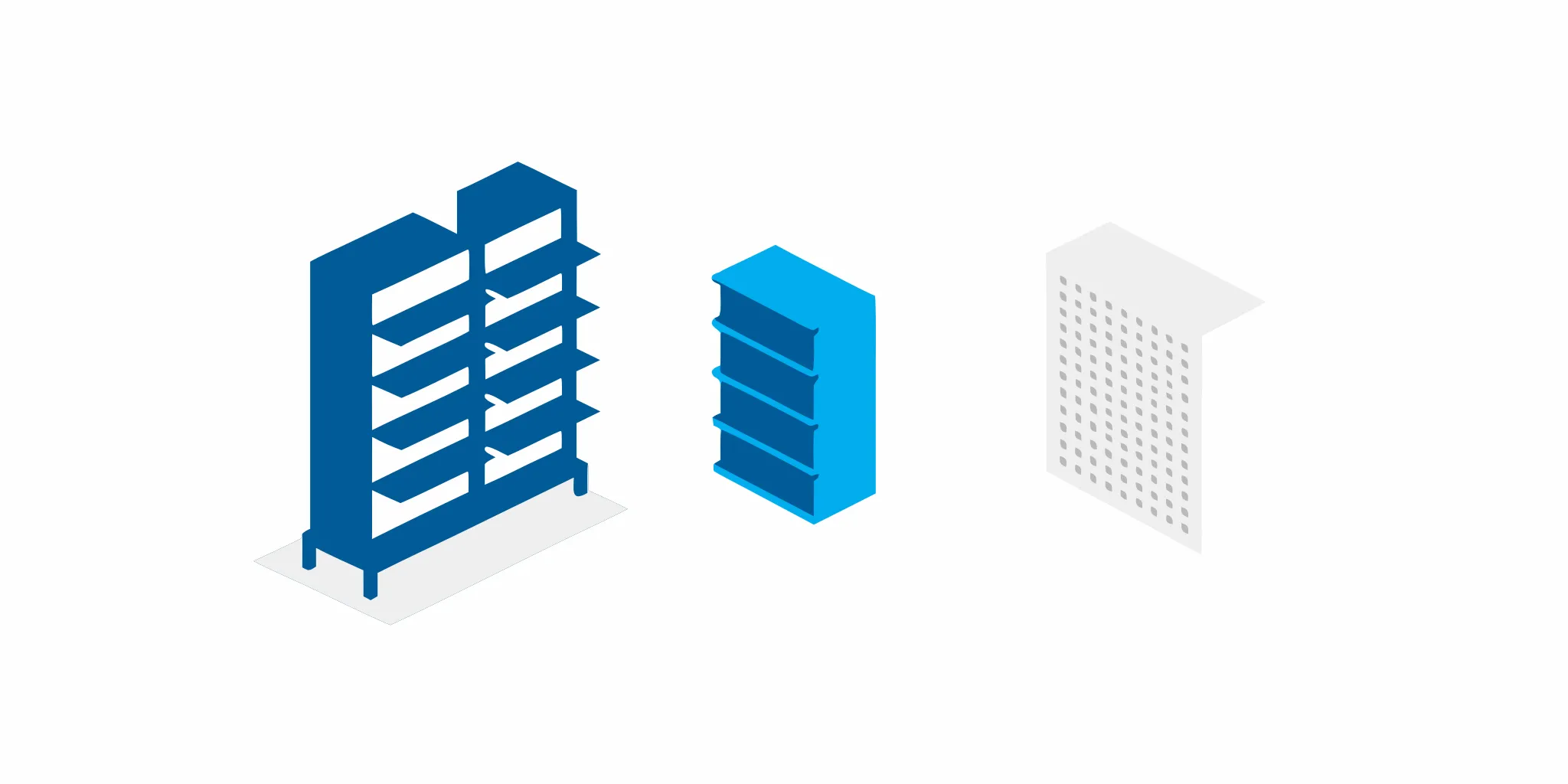
Gondola shelving generally comes in two main configurations, and choosing the right one depends on where you plan to place it. Single-sided units are shaped like an "L" and are designed to sit flush against a wall, making them perfect for maximizing your store’s perimeter. Double-sided units are shaped like a "T" and are used to create the aisles that form the main pathways of your store. By combining these two types, you can create a logical and efficient floor plan that guides customers exactly where you want them to go.
While metal is the most common material for gondola shelving due to its strength and durability, it’s far from your only option. You can find gondolas made from wood for a warmer, more upscale feel, or units that incorporate slatwall or gridwall panels for hanging merchandise. The real power of gondola shelving lies in its customization. Beyond materials, you can specify colors, finishes, and accessories to perfectly match your brand’s aesthetic. This level of personalization is where working with a partner who specializes in design and engineering becomes invaluable, ensuring your fixtures are a true reflection of your brand.
Not all products are created equal, and your shelving needs to be up to the task. Gondola units are available in a huge range of dimensions, from standard 48-inch-wide sections to massive runs that can span over 30 feet. More importantly, you need to consider weight capacity. Some heavy-duty gondola systems can support thousands of pounds, making them suitable for everything from paint cans to bottled beverages. Before you order, always assess the weight of your merchandise to ensure you select a system that is both safe and sturdy enough to prevent bowing or damage over time.
Wall-mounted shelves are your best friend when it comes to making the most of your store’s perimeter. By attaching directly to the walls, these units free up valuable floor space, creating a more open and inviting atmosphere for shoppers. They are perfect for showcasing everything from apparel and accessories in a boutique to books and home goods. Wall units draw the eye upward and can make a space feel larger and less cluttered. With the right design and engineering, they can be customized to fit any aesthetic, offering a clean, streamlined look that puts the focus squarely on your products.
Think of end caps as the billboards of your aisles. These displays are placed at the very end of gondola runs, where they are guaranteed to catch the eye of customers moving through your store. This prime real estate is perfect for highlighting new arrivals, seasonal items, or special promotions. Because they are high-visibility spots, end caps are incredibly effective at driving impulse buys. Specialty racks, like spinner racks or tiered displays, serve a similar purpose by creating a focal point for specific product categories. Both are powerful tools for breaking up the monotony of a long aisle and creating visual interest.
Freestanding displays are standalone units that can be placed anywhere on the sales floor to create a high-impact zone. They are often used to build a "shop-in-shop" experience or to feature a large quantity of a single product. Pallet displays take this a step further, often arriving pre-stocked from the manufacturer and ready to be placed directly on the floor. Both options are excellent for grabbing customer attention and are easy to set up and move around. They work especially well for bulk items or promotional campaigns where you want to make a big statement without a permanent installation.
Sometimes, the best shelving solution is the one that can change as quickly as your inventory. Pegboards and wire shelving are champions of adaptability. Pegboards use a simple system of holes and hooks, allowing you to hang packaged items and make efficient use of vertical wall space. They are incredibly easy to reconfigure, making them ideal for displaying tools, accessories, or any small items that benefit from being hung. Wire shelving offers similar flexibility but with more strength. Its open design provides great product visibility and airflow, and it can be used for a huge range of products, from clothing in a stockroom to pantry items on the sales floor. Both are smart, cost-effective choices for dynamic retail environments.
Not every display is meant to be a pristine, artistic arrangement. Sometimes, the goal is to move a large volume of product, fast. This is where high-volume merchandising displays come in. These fixtures are designed to create a sense of abundance and value, encouraging shoppers to grab an item (or three) on impulse. They are perfect for sales, seasonal promotions, and clearance events where the message is all about getting a great deal. Executing these types of promotions across multiple locations requires careful planning, making reliable project management essential to ensure every store is set up for success on day one.
Think of those large cardboard or wire bins you often see near checkout lines or in wide-open spaces, filled with smaller, less delicate items. These are dump bins, and they are masters of the impulse buy. They create a "treasure hunt" atmosphere that encourages shoppers to rummage through and discover a bargain. Because the products aren't neatly stacked, it signals to customers that these are high-volume, low-price items. Dump bins are perfect for seasonal candy, small toys, socks, or any other grab-and-go products that can withstand a bit of shuffling.
For bulky items, sometimes the simplest solution is the most effective. Stack displays are exactly what they sound like: products, like cases of soda or large bags of pet food, stacked directly on the floor. This method communicates value and abundance without the need for a complex fixture. Similarly, cut-case displays present products in their original shipping boxes with the tops cut off. This is a common sight in supermarkets and discount stores because it saves significant labor—employees can place the case directly on the shelf without having to unpack each item individually, a key consideration in logistics and distribution.
Adding wheels to a display instantly makes it more versatile. Rolling racks are shelves or clothing racks on casters that can be moved around the store with ease. This mobility is perfect for creating a sense of urgency, like a flash sale on the sidewalk or a temporary clearance section inside. They allow you to quickly adapt your floor plan for a special event or to test new product placements without committing to a permanent layout. Their flexibility makes them a powerful tool for any retailer looking to create a dynamic and ever-changing shopping experience.
Standard shelving can handle most products, but what about those items that need a little extra help to look their best? Or what do you do with that awkward, empty corner? This is where specialty shelving comes in. These unique fixtures are designed to solve specific merchandising challenges, turning tricky spaces into functional displays and giving unique products the showcase they deserve. Creating these solutions often requires a custom approach, blending creative design and engineering to build a fixture that is both beautiful and perfectly suited to its purpose.
Corners are one of the most underutilized areas in a retail store. Without a plan, they can become dead space that disrupts the flow of your layout. Corner shelves are designed to fit perfectly into that 90-degree angle, transforming an empty spot into a valuable merchandising opportunity. They create a seamless transition between two walls, encouraging customers to continue browsing around the store's perimeter. These shelves are ideal for displaying decorative items, folded apparel, or books, ensuring every square foot of your retail space is working for you.
Certain products demand a more organized or supportive display. Cubby shelves, which are made up of several box-like compartments, are perfect for neatly organizing items like shoes, wine bottles, or skeins of yarn. The grid-like structure creates a clean, tidy look that is visually appealing. Picture ledge shelves solve a different problem. Designed with a small lip along the front edge, they are made for displaying items that can’t easily stand on their own, like framed art, decorative plates, or books you want to feature cover-out. Both styles show how thoughtful custom fixtures can be tailored to specific product needs.
Once you have a sense of the different types of shelving available, it’s time to get into the details. The right features can make the difference between a display that just holds products and one that actively sells them. Think of your shelving as a long-term investment in your store’s success. Focusing on durability, flexibility, and brand alignment will ensure you get the most value from your fixtures and create an environment that keeps customers coming back.
Your store fixtures work hard, so they need to be tough. Investing in quality shelving isn't just about avoiding replacements; it's about creating displays that make your products look their best. After all, durable shelving supports your products effectively and improves the entire shopping experience. The material you choose plays a huge role here. Metal, solid wood, and high-quality laminates are all popular choices for their strength and longevity. When planning your store, consider not only the look but also the resilience of your fixtures. Choosing high-quality materials from the start ensures your displays will stand up to daily wear and tear while protecting your inventory and your investment.
Retail is always changing, and your store layout should be able to change with it. Adjustable shelving gives you the freedom to adapt your displays without a complete overhaul. As The Global Display Solution notes, "Adjustable shelving allows you to tweak displays for seasonal promotions or new product launches." This flexibility is essential for keeping your merchandising fresh and relevant. You can easily change shelf heights to accommodate different product sizes, create visual interest with asymmetrical layouts, or clear space for new arrivals. When working with a partner on custom fixture programs, make sure to discuss how adjustability can be built into the design to support your long-term merchandising strategy.
It might seem obvious, but understanding the weight capacity of your shelving is critical for both safety and presentation. Overloaded shelves can sag, buckle, or even collapse, creating a dangerous situation for customers and staff while making your products look poorly maintained. As one expert warns, "exceeding gondola shelving weight limits can compromise both safety and presentation." Before you buy, think about the heaviest items you plan to display and choose shelving rated to handle that load with a comfortable margin. A reliable fixture partner will ensure every component undergoes rigorous testing to meet specific weight requirements, giving you peace of mind and keeping your displays secure and professional.
While function is critical, your shelving’s appearance is just as important. Your fixtures are a key part of your store’s visual identity and should align perfectly with your brand. The color, finish, and style should complement your products and create a cohesive shopping environment. However, it's important to find a balance. Choosing style over functionality can lead to a frustrating customer experience. The goal is to find shelving that is both beautiful and practical. Well-designed custom retail fixtures achieve this by integrating your brand’s aesthetic into a functional, durable design, ensuring your store looks great and operates smoothly.
Selecting the right shelving is about more than just filling space. It’s a strategic decision that directly impacts how customers interact with your products and perceive your brand. The ideal shelving system works in harmony with your store’s layout, showcases your merchandise effectively, and stands up to the demands of a busy retail environment. By thinking through your specific needs before you buy, you can create a setup that not only looks great but also contributes to your bottom line. Let’s walk through the three most important factors to consider when making your choice: your store’s flow, your product requirements, and your budget.
Before you choose a single shelf, take a hard look at your store’s floor plan. How do you want customers to move through the space? Your shelving arrangement should create clear, intuitive pathways that guide shoppers on a journey, not leave them feeling lost or crowded. A common mistake is choosing fixtures without first planning how they will fit into the overall design. A well-thought-out layout uses shelving to create focal points and encourage exploration. Consider working with a partner who understands the principles of retail design and engineering to map out a flow that maximizes both customer comfort and product exposure.
Your products are the stars of the show, and your shelves should be their supporting cast. Ignoring your products' specific needs is a frequent oversight that can lead to poor presentation and even safety issues. Heavy items require durable, high-capacity units, while delicate or high-end goods might be better suited for glass cases or specialized racks. Think about the size, shape, and weight of what you’re selling. The goal is to find a balance where the shelving is stylish and on-brand, but its primary function is to make your products accessible and appealing to the customer.
While it’s tempting to go with the cheapest option, investing in quality shelving pays off in the long run. Durable, well-made fixtures can withstand daily wear and tear, reducing the need for frequent repairs or replacements. Think of your shelving as an investment in creating money-making displays. When planning your budget, consider the total cost of ownership, not just the upfront price. A reliable partner can help with project management to ensure you get the best possible value, delivering high-quality fixtures that are built to last and provide a solid return on your investment.
Once you’ve chosen the right shelving, the next step is to use it strategically. The way you arrange products can directly influence what customers see, how they feel, and ultimately, what they buy. Think of your store’s layout and shelving as your silent sales team. They work around the clock to guide shoppers, highlight key items, and make the entire experience feel effortless. Effective shelf placement isn’t just about stocking inventory; it’s about creating a visual story that guides shoppers through your store and makes it easy for them to find what they need, and maybe a few things they didn’t know they wanted.
This process is part art, part science. It involves understanding customer psychology, traffic patterns, and the relationships between your products. When done right, a thoughtful merchandising strategy can significantly increase average transaction value and build customer loyalty. People return to stores that are easy and enjoyable to shop in. By thinking like a customer and planning your product placement with intention, you can turn your shelves from simple storage units into powerful sales tools that actively contribute to your bottom line. It’s one of the most effective ways to shape the in-store journey and ensure your retail environment is working as hard as you are.
Think of shelf planning as the choreography of your retail space. It’s not just about finding a place for every product; it’s about designing a customer journey that feels intuitive and engaging. A well-thought-out layout uses shelving to create focal points, tell your brand’s story, and make your products look their absolute best. The goal is to guide shoppers through the store efficiently so they can find what they need without frustration. This strategic approach is a fundamental part of the design and engineering process, turning a simple floor plan into an environment that encourages exploration and makes the entire shopping experience more enjoyable.
Once your shelves are in place, how you arrange your products can make or break a sale. The most effective layouts follow a few simple but powerful principles. First, place your best-selling and most profitable items at eye level—this is the most valuable real estate in your store. Next, organize products logically, grouping them by category first, then by brand, to create an intuitive shopping flow. This simple organization helps customers feel more confident in their decisions. Finally, use your displays to create visual stories that highlight complementary products and encourage additional purchases, turning your shelves into active selling tools.
Think about the first thing you do when you walk into a store. Most people’s eyes naturally scan the walls. This makes your wall displays prime real estate for grabbing attention. Using custom retail fixtures to take advantage of vertical space not only makes your store feel more open but also draws the eye to high-margin or featured products. Place your most compelling items at eye level, as this is where shoppers look first. You can then arrange other products above and below to encourage exploration. The goal is to create a clear visual path that makes the shopping experience feel intuitive and engaging from the moment someone walks in.
Effective shelf management is all about making shopping easier for your customers. Grouping related items together creates a more cohesive and logical experience. For example, instead of just having an aisle for baking supplies, you could create a display that includes flour, sugar, mixing bowls, and spatulas. This approach helps customers find everything they need for a specific project in one place, which can increase the size of their purchase. Thoughtful product groupings show that you understand your customers' needs and can turn a simple shopping trip into a satisfying experience.
Cross-merchandising is the art of placing complementary products together to suggest additional purchases. Think of it as a helpful recommendation right on the shelf. Placing grilling tools next to the meat counter or phone chargers next to new electronics are classic examples. This strategy works because it solves a potential future problem for the customer. By anticipating their needs, you can introduce them to items they might not have been looking for. Well-planned point-of-purchase displays are perfect for this, encouraging impulse buys that feel genuinely useful to the shopper.
A cluttered or dirty display can stop a sale in its tracks. No matter how great your products are, a messy shelf sends a message that you don’t care about the customer experience. Regularly dust your shelves, restock products, and make sure everything is neatly arranged. It’s also critical to respect the weight limits of your shelving units. Overloading them not only looks messy but can also be a safety hazard. A clean, organized, and well-maintained display builds trust and makes your products look more appealing, ensuring your merchandising efforts pay off.
Think of shelf-talkers as your silent salespeople. These small signs, placed directly on the shelf edge, do a surprising amount of heavy lifting. They can grab a customer’s attention, announce a special promotion, or provide key product details at the exact moment a shopper is making a decision. In a busy store, they act as helpful guides, educating customers and helping them differentiate between similar products without needing to flag down an employee. By providing this extra layer of information, you add value to the shopping trip and build confidence in the purchase. When integrated into your overall merchandising strategy, these simple tools can effectively highlight features, explain benefits, and encourage customers to try something new.
An empty shelf is a missed opportunity. Effective shelf replenishment means ensuring you have the right product, in the right place, at the right time. If a customer comes in for an item and can’t find it, you haven’t just lost a sale—you’ve created a frustrating experience that might send them to a competitor. This is where having a solid system for inventory management becomes crucial for maintaining stock levels and keeping your displays full. Just as important is the appearance of your shelves. A dusty, disorganized display can make even the best products look unappealing. Make it a daily habit to restock items, straighten products, and wipe down surfaces to ensure your store always looks its best.
Selecting your retail shelving is more than a simple purchase; it’s the start of a partnership. The right fixture provider acts as an extension of your team, helping you create a retail environment that supports your brand and drives sales. This is especially true for regional or national rollouts where consistency and reliability are non-negotiable. A great partner doesn't just sell you shelves. They offer a complete solution that covers everything from initial design concepts to final installation, ensuring your vision comes to life smoothly and efficiently across all your locations.
When you begin your search, think beyond the product catalog. You're looking for a team that understands the complexities of large-scale retail projects. They should be able to manage timelines, handle complex logistics, and provide support every step of the way. A partner with a comprehensive approach can help you avoid common pitfalls, lower long-term costs, and ultimately create a better experience for your customers. By focusing on finding a true partner, you set your stores up for success from the ground up.
An experienced partner brings invaluable insight to the table. They’ve seen what works (and what doesn’t) in countless retail settings and can guide you toward solutions that are both practical and effective. A long track record is a good indicator of reliability and industry knowledge. When you evaluate potential suppliers, look for a portfolio that showcases their work with businesses similar to yours. This demonstrates their ability to handle projects of your scale and complexity. An expert partner understands materials, engineering, and the demands of a high-traffic retail floor, which reduces risk and ensures your investment is sound.
Your store is unique, and your fixtures should be too. Off-the-shelf shelving might seem like an easy fix, but it often fails to meet specific product needs or align with your brand’s aesthetic. A great partner will offer robust design and engineering services to create custom solutions tailored to you. Customization isn't just about color or style; it's also about function and safety. For example, exceeding the weight limits on standard gondola shelving can create hazards and look messy. A custom-engineered solution ensures your displays are safe, durable, and perfectly suited to the products you sell.
Executing a fixture rollout across multiple locations is a massive undertaking. A dedicated project management team is essential for keeping everything on track. Your partner should provide a single point of contact who understands your project inside and out, coordinating everything from manufacturing schedules to delivery logistics. This level of support frees up your internal teams to focus on other priorities. When vetting partners, ask about their process. A clear, well-defined project management system is a sign of a professional and organized company that can deliver on its promises without causing you headaches.
For multi-location brands, consistency is key. Every customer should have the same high-quality experience, no matter which store they visit. This starts with your fixtures. A reliable partner will have a rigorous quality control process in place to ensure every shelf, rack, and display meets your exact specifications. Beyond manufacturing, ask about their logistics capabilities. Can they manage warehousing and distribute fixtures to all your locations on a precise schedule? A partner with strong inventory control and distribution systems ensures your rollouts happen on time and on budget, without any last-minute surprises.
A fixture provider should be more than just a manufacturer; they should be a partner who simplifies the entire process. The best suppliers offer a full suite of value-added services that cover your project from the initial idea to the final installation and beyond. This comprehensive support is what makes large-scale rollouts manageable and successful. When a single partner can handle design, manufacturing, logistics, and warehousing, you get a more streamlined workflow, better communication, and greater consistency across all your locations. This integrated approach saves you time and headaches, allowing your team to focus on what they do best: running your business.
Effective shelving is thoughtfully designed to guide customers through your store and help them find what they need without frustration. This is why a partner with strong design and engineering capabilities is so important. They can help you translate your brand vision into functional, durable fixtures that enhance the shopping experience. Before committing to a full production run, they should also offer prototyping. This crucial step allows you to see and test a physical sample of your fixture, ensuring it meets your aesthetic standards, holds your products correctly, and stands up to the rigors of a retail environment.
Getting your new fixtures to dozens or even hundreds of stores on a tight schedule is a massive logistical challenge. A partner with robust inventory and logistics support is essential for a smooth rollout. Look for a company that can manage the entire supply chain, from warehousing your fixtures to coordinating just-in-time deliveries for new store openings or remodels. This level of logistical expertise ensures that the right components arrive at the right place at the right time, preventing costly delays. It takes the pressure off your internal teams and guarantees your project stays on track.
Signage is a critical part of your shelving system, yet it's often treated as an afterthought. A truly comprehensive partner will offer integrated signage solutions that work seamlessly with your fixtures. This includes providing a variety of sign holders—like aisle signs, headers, and shelf-talkers—that are specifically designed to fit your shelving. Some partners can even help you design the graphics and messaging for your signs, ensuring a cohesive and professional look across all displays. This integrated approach simplifies your sourcing process and ensures your signage effectively communicates promotions, pricing, and product information to your customers.
Choosing the right shelving involves more than just filling space. It’s a strategic decision that directly impacts your sales and customer experience. Even seasoned retailers can fall into common traps that hinder their store's potential. By being aware of these pitfalls, you can make smarter choices that support your products, brand, and long-term goals. Let’s walk through a few key mistakes to sidestep.
It’s easy to get drawn to a shelving unit that looks incredible, but if it doesn’t work for your products or your customers, it’s not the right fit. A common misstep is choosing fixtures based purely on aesthetics without considering their practical application. The goal is to find a solution that both looks great and makes shopping easy. Your fixtures should guide customers, not get in their way. The most successful retail environments are born from a thoughtful design and engineering process that balances visual appeal with complete functionality, ensuring your shelves are as hard-working as they are beautiful.
Every product you sell has its own set of display requirements. Heavy paint cans need sturdy, industrial-grade shelving, while delicate jewelry requires specialized cases that keep items secure and visible. Ignoring these needs can lead to damaged products, unsafe conditions, or simply poor presentation that hurts sales. Before you commit to a shelving system, take a detailed inventory of what you’ll be placing on it. Considering factors like weight, size, and shape will help you select fixtures that provide the right support and showcase your merchandise effectively. A partner who understands what we do can help create custom solutions tailored to your unique inventory.
Have you ever walked into a store and felt immediately overwhelmed by messy, overstuffed shelves? When customers can't easily see or find what they’re looking for, they’re more likely to walk out empty-handed. Clutter creates visual noise and suggests disorganization, which can damage your brand's perception. Aim for clean, well-organized displays that give your products room to breathe. This approach makes your merchandise look more appealing and simplifies the shopping process. A well-planned layout with the right fixtures makes it easier for your team to maintain tidiness and create an inviting atmosphere for your customers.
The world of retail is always changing. New products arrive, seasons shift, and promotions come and go. If your shelving is too rigid, you’ll find it difficult to adapt. A mistake many retailers make is investing in a fixed system that doesn’t allow for future adjustments. Instead, look for modular or adjustable shelving that can evolve with your business. This flexibility allows you to easily reconfigure your displays for a holiday promotion or a new product launch without a complete overhaul. Investing in adaptable fixtures from the start is a smart move that saves you time and money down the road, supported by comprehensive project management that plans for your future.
How do I know if I need custom shelving instead of just buying standard units? Standard shelving can work if your products are uniform and your brand has a very conventional look. However, you should consider custom fixtures if you want to create a unique brand experience, need to display products with unusual shapes or sizes, or want to make the absolute most of your specific floor plan. Custom solutions are designed to solve your exact problems, ensuring your fixtures are a perfect match for your brand's identity and operational needs.
My budget is tight. Is it really worth investing in higher-quality shelving? It’s tempting to cut costs on fixtures, but it’s often a choice that costs more in the long run. Cheaper shelving can sag, chip, or break down, leading to replacement costs and making your store look worn out. Investing in durable, well-made fixtures from the start means you get a solution that not only looks professional for years but also safely supports your products. Think of it as an investment in your brand’s image and long-term stability.
What's the biggest mistake retailers make with their shelving? One of the most common mistakes is choosing fixtures based only on how they look, without thinking about how they will actually function. A beautiful shelf that is difficult for customers to shop from or that doesn't properly hold your products can hurt sales and create frustration. The goal is to find a perfect balance where the shelving is both stylish and completely practical for your customers and your team.
How can I make sure my shelving layout works for my customers and not against them? Start by thinking about the natural path a customer takes when they enter your store. Your shelving should create clear, easy-to-follow aisles that guide shoppers through the space without making them feel crowded or confused. Avoid creating dead ends or tight corners. A well-planned layout uses fixtures to create an intuitive journey, making it simple for customers to find what they need and discover new products along the way.
I have dozens of stores. How can a partner help manage a fixture rollout for all of them? For a multi-location rollout, a good partner is essential. Instead of you having to coordinate with multiple vendors, a dedicated project management team handles everything. They ensure every fixture is manufactured to the exact same quality standard and then manage the complex logistics of warehousing and shipping to each location on a precise schedule. This guarantees brand consistency across all your stores and frees up your team to focus on their own work.
Subscribe for expert insights on fixture design, materials, and modern retail environments.