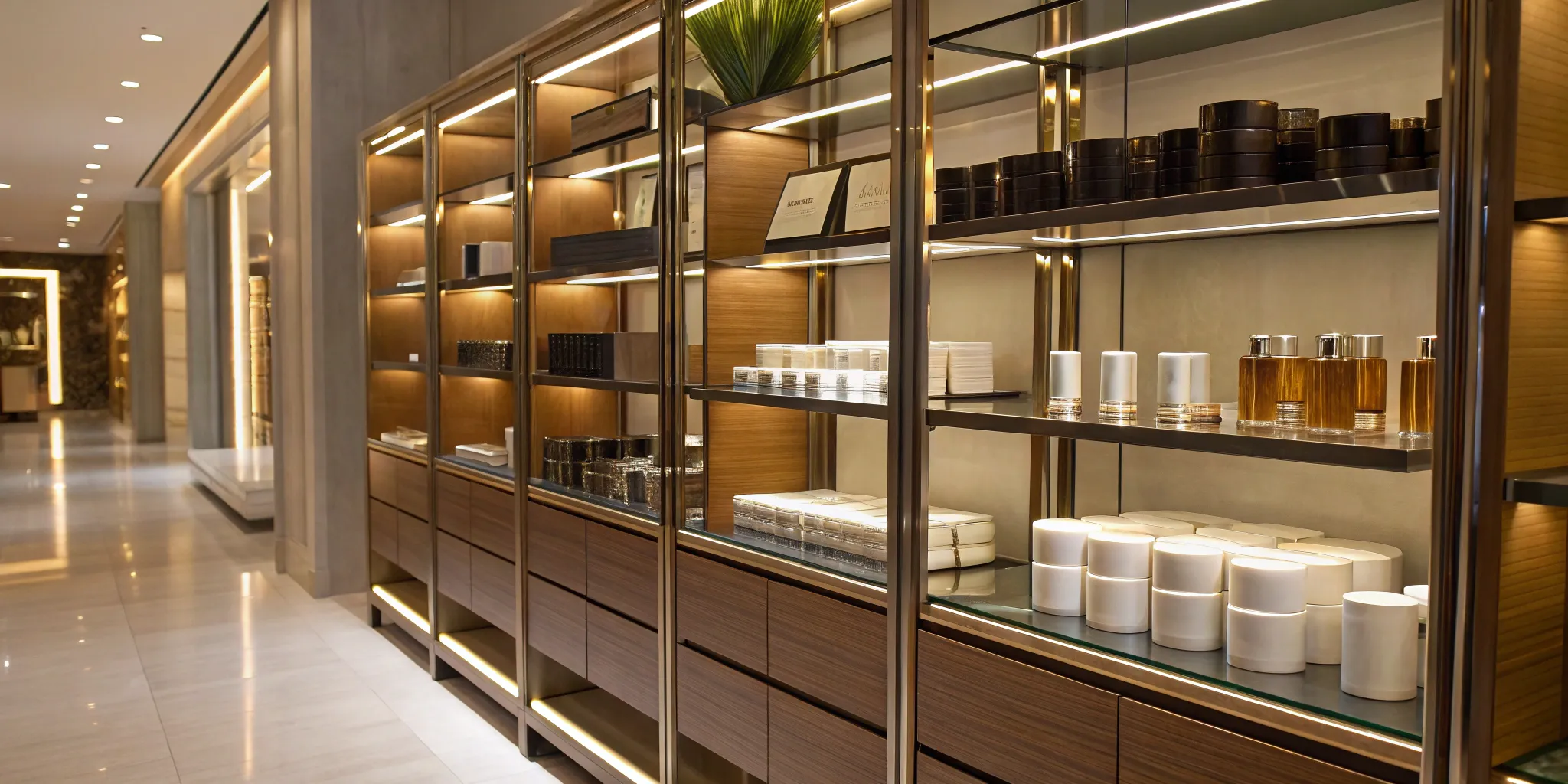


Every square foot of your retail space needs to earn its keep. If your shelves are cluttered, disorganized, or poorly stocked, you’re leaving money on the table. Effective shelf management is the key to unlocking the full potential of your physical footprint. It’s a systematic approach that blends smart inventory control with compelling visual merchandising to create a shopping experience that is both efficient for your team and engaging for your customers. This isn’t just about making things look neat; it’s about building a strategic foundation that supports higher sales, reduces operational headaches, and strengthens your brand’s reputation for reliability and quality.
At its core, shelf management is the art and science of arranging products on your store shelves. The goal is simple: make your products easy to see, easy to reach, and easy to buy. It’s a fundamental part of visual merchandising that goes far beyond just keeping things tidy. Think of it as the strategic blueprint for your physical product displays, dictating where items go, how much space they get, and how they are presented to the customer.
For multi-location retailers, a solid shelf management strategy is non-negotiable. It ensures consistency from one store to the next, creating a familiar and reliable experience for your customers no matter where they shop. When done right, it directly impacts your bottom line by maximizing sales per square foot, reducing stockouts, and minimizing waste from expired or damaged products. It’s a silent salesperson, working around the clock to guide customer decisions and keep your inventory moving. Effective shelf management is a key component of the comprehensive retail services that build a successful and scalable retail environment.
The fixtures you use are the foundation of your entire shelf management strategy. They aren't just passive structures holding your products; they actively shape how customers perceive your merchandise and your brand. Clean, well-designed shelving communicates quality and professionalism, while cluttered or flimsy displays can cheapen even the best products. The right fixtures draw the eye, highlight key items, and make the shopping experience feel intuitive and enjoyable.
This is where custom design and engineering can make a world of difference. Off-the-shelf solutions rarely fit your products or your space perfectly. Custom fixtures, on the other hand, are built to your exact specifications, ensuring every product is presented in the best possible light and every inch of your retail space is used effectively.
Great shelf management directly translates to better sales and happier customers. When products are logically organized and easy to find, you reduce friction in the shopping process. Customers can quickly locate what they need, which leaves them more time to discover new items they weren't planning to buy. This leads to larger basket sizes and more impulse purchases. A well-stocked, organized shelf also builds trust and signals reliability, encouraging shoppers to return.
From the customer’s perspective, it’s all about ease and satisfaction. Nothing is more frustrating than searching for an item that’s out of stock or hidden in the wrong aisle. Good shelf management prevents this by ensuring popular products are always available and placed where customers expect to find them. This creates a seamless, positive experience that strengthens brand loyalty.
Effective shelf management isn’t just about keeping things tidy. It’s a thoughtful system built on four key pillars that work together to create a seamless shopping experience, guide customer decisions, and ultimately, drive sales. When you get these elements right, your shelves stop being simple storage and start becoming powerful selling tools. Mastering these fundamentals is the first step toward building a retail environment that is both efficient for your team and engaging for your customers. Let’s break down what each of these core elements involves and why they are so critical for your success.
Think of your shelves as valuable real estate. Strategic product placement is the art and science of arranging products to maximize visibility and sales. This means placing your best-sellers and high-margin items at eye level, where they’re most likely to be seen. It also involves grouping complementary products together—like placing pasta sauce next to the pasta—to encourage additional purchases. The goal is to make the shopping journey intuitive and effortless for your customers. Well-designed custom fixtures play a huge role here, ensuring every product has a designated, logical home that makes it easy for shoppers to find what they need and discover new items along the way.
Nothing disappoints a customer faster than an empty shelf where their favorite product should be. Smart inventory control is all about striking the perfect balance between supply and demand. You need enough stock on hand to avoid sellouts, but not so much that you’re tying up capital and cluttering your backroom. This involves accurate forecasting, regular stock counts, and efficient restocking processes. Proper inventory management ensures that your shelves are always stocked with the right products at the right time, keeping your customers happy and your sales consistent. It’s the behind-the-scenes work that makes the on-the-floor experience seamless.
Visual merchandising is how you bring your brand’s story to life on the shelf. It goes beyond simple organization to create displays that are visually appealing, engaging, and informative. This includes everything from signage and lighting to the color-blocking of products and the overall cleanliness of the display. Strong visual merchandising captures attention, communicates value, and can significantly influence purchasing decisions. It’s what makes a customer pause and take a closer look. A thoughtful design and engineering process for your fixtures ensures they not only hold products but also enhance their visual appeal, making your merchandise truly stand out.
A planogram is essentially a blueprint for your shelves. This detailed diagram shows exactly where every product should be placed, ensuring a consistent and strategic layout across all your stores. For multi-location retailers, planograms are non-negotiable. They guarantee that a customer will have the same shopping experience whether they’re in Miami or Seattle. Following a planogram maximizes space, improves product visibility, and simplifies restocking for your team. It turns your merchandising strategy into an actionable plan that can be executed flawlessly, with the help of expert project management to oversee the rollout.
Effective shelf management is about more than just keeping things tidy—it’s about understanding customer psychology and gently guiding them through your store. When you organize your shelves with intention, you create a shopping experience that feels intuitive and satisfying. You’re not just displaying products; you’re shaping how customers interact with your brand, what they discover, and ultimately, what they decide to purchase.
This strategic approach turns your retail space into an active participant in the sales process. By controlling the flow and presentation of your products, you can influence shopping patterns, encourage exploration, and make the path from browsing to buying as smooth as possible. It’s the subtle art of making customers feel like they’re in control, even as you present them with curated choices that align with your business goals.
A well-managed shelf layout can transform a routine shopping trip into an experience of discovery. When products are organized logically and attractively, you encourage customers to explore aisles they might otherwise skip. This is your chance to introduce them to new items, complementary products, and higher-margin goods. Good shelf management can lead to impulse buys, increase the average number of items per transaction, and help turn first-time visitors into loyal customers. By creating a visually appealing and easy-to-follow path, you make it simple for shoppers to find what they need and discover things they didn't even know they wanted.
Nothing frustrates a customer faster than not being able to find the product they’re looking for. When your shelves are well-organized, fully stocked, and clearly labeled, you remove friction from the buying process. This reliability builds trust and confidence. A shopper who can quickly locate their desired item is far more likely to complete the purchase and leave with a positive impression of your store. The goal is to make the experience so seamless that the decision to buy feels effortless. This is where thoughtful project management ensures every detail, from fixture placement to product availability, contributes to a better customer journey.
The best retail layouts feel natural. They anticipate a customer's path through the store and arrange products in an order that makes sense. This involves both art and science—the "art" is in the visual storytelling and brand aesthetic, while the "science" comes from using data to understand customer behavior. By analyzing how shoppers move and what they look for first, you can design a product flow that guides them logically from one category to the next. This is where custom design and engineering can make a huge difference, creating fixtures that perfectly match your product and your customers' journey.
Once you have the core elements down, you can start implementing specific strategies to make your shelves work harder. These aren't complicated theories—they're practical approaches you can use to organize products, guide shoppers, and ultimately, improve your sales. Think of these as the four pillars of a successful shelf management plan that you can build on.
Grouping similar products together just makes sense. It’s how customers naturally shop. Think about making s'mores—you’d expect to find marshmallows, chocolate, and graham crackers all in the same aisle. This is category management in action. By organizing your shelves this way, you create a logical flow that makes shopping easier and encourages customers to pick up related items they might not have planned on buying. This strategy simplifies the journey from browsing to buying and helps shoppers discover complementary products, turning a single purchase into a full basket.
Every inch of your shelf space is valuable real estate, so you need to be strategic about how you use it. Carefully consider where different products live based on visibility, accessibility, and customer traffic patterns. High-margin items and best-sellers often belong at eye level, where they’re most likely to be seen. Heavier, bulkier products can go on lower shelves, while smaller impulse buys are perfect for checkout counters. The goal is to create a layout that feels intuitive and places your most important products where they’ll have the biggest impact. A thoughtful design and engineering process ensures your fixtures support this strategy from the start.
Retail is always changing, and your shelves need to keep up. Whether it’s setting up for the back-to-school rush, creating a festive holiday display, or highlighting summer grilling essentials, your layout needs to be flexible. Seasonal products and special promotions require prime placement to capture attention, which often means temporarily rearranging your standard setup. Having a plan for these transitions is key to capitalizing on seasonal demand. Modular fixtures and a clear strategy make it much easier to swap out displays without disrupting the entire store, ensuring you’re always relevant to what your customers are looking for right now.
For any business with more than one location, consistency is everything. A customer should have a familiar, reliable experience whether they’re shopping at your store in Miami or Seattle. This means your shelf layouts, product placements, and overall merchandising should be consistent across all locations. Inconsistent execution can confuse shoppers and weaken your brand identity. By establishing a clear planogram and ensuring every store follows it, you create a predictable and trustworthy shopping environment. Strong project management is essential for rolling out these standards effectively across a regional or national chain.
Even the most thoughtful shelf management strategy can fall flat if common mistakes get in the way. Knowing what these pitfalls are is the first step to avoiding them. When you’re managing dozens or even hundreds of stores, small errors can quickly scale into major problems that affect your bottom line and brand perception. From messy stockrooms to inconsistent displays, these issues can undo all your hard work. Let’s walk through the most frequent missteps retailers make and, more importantly, how you can steer clear of them to keep your shelves working for you, not against you.
One of the biggest challenges in retail is simply knowing what you have and where it is. Poor inventory practices lead to two classic problems: out-of-stocks and overstocks. Empty shelves are a direct path to lost sales and frustrated customers who will quickly go elsewhere. On the flip side, cluttered, overstuffed shelves make it hard for shoppers to find what they need and can lead to products being damaged or forgotten. Effective inventory control and warehouse management is the foundation of good shelf management, ensuring the right amount of product is always ready to move from the stockroom to the sales floor.
Many retailers mistakenly believe shelf management is just about making products look neat. But as one expert notes, it’s really about ensuring "product visibility and accessibility." This requires strategic space allocation. A common error is failing to give best-sellers the prime real estate they deserve or cramming too many different items into a small area, which overwhelms the customer. Every inch of your shelf space should be intentional. Thoughtful design and engineering of your fixtures can prevent this, creating a layout that guides customers naturally and makes every product easy to see and reach.
Relying on last year’s sales reports or your own intuition to manage your shelves is a recipe for irrelevance. Consumer preferences and market trends change fast, and your shelves need to keep up. Retailers often need to adapt for seasonal items, promotions, or sudden shifts in demand. Without access to real-time data, you’re essentially guessing what your customers want. Using current sales and inventory data allows you to make informed, agile decisions, ensuring your product mix is always optimized to meet what shoppers are looking for right now.
You can design the world’s best planogram, but it means nothing if it’s not implemented correctly across all your locations. Inconsistent execution is a major challenge for multi-location retailers. When one store looks completely different from another, it creates a disjointed and confusing brand experience for your customers. This inconsistency can lead to messy displays, poorly stocked shelves, and ultimately, lost revenue. Strong project management is crucial to ensure every store follows the plan, creating a reliable and cohesive shopping experience no matter which location a customer visits.
Managing shelves effectively doesn't have to be a manual, time-consuming process. The right technology can automate tedious tasks, provide valuable insights, and help your team execute your merchandising strategy with precision across every location. By integrating modern tools, you can move from guesswork to data-driven decisions, ensuring your shelves are always working their hardest to drive sales and create a seamless customer experience. These systems are designed to handle the complexities of retail at scale, giving you a clear view of performance from the stockroom to the sales floor.
Think of digital planogram software as the dynamic blueprint for your retail success. Instead of a static diagram, this software allows you to create, share, and refine visual merchandising plans with ease. You can strategically arrange products on a virtual shelf, ensuring that your best-sellers are in prime positions and that the overall layout is visually appealing and easy for customers to shop. This technology helps you visualize product placement before a single item is moved, making it simple to test different layouts and roll out consistent plans across all your stores. It’s an essential tool for aligning your merchandising strategy with your custom fixture design and engineering.
Manually updating price tags across hundreds or thousands of products is a drain on your team's time and a recipe for errors. Electronic shelf tags (ESTs) solve this problem by allowing you to update prices instantly from a central system. Whether you’re running a flash sale or adjusting prices across an entire category, the change can be pushed to every relevant shelf in every store with a single click. This not only guarantees pricing accuracy but also frees up your staff to focus on helping customers. Plus, these smart tags can display promotions, QR codes, and other product information, creating a better-informed shopping experience.
Nothing hurts sales more than an empty shelf where a popular product should be. Real-time inventory tracking systems, sometimes powered by smart shelves with sensors, give you an accurate, up-to-the-minute view of your stock levels. This technology helps you avoid stockouts on high-demand items and prevents overstocking on slower-moving products, which ties up valuable capital and space. With precise data, you can automate reordering, optimize your supply chain, and ensure your inventory control is as efficient as possible. This level of insight is critical for managing inventory across a large network of stores.
Once your shelves are set, how do you know if your plan is being followed and if it's actually working? Automated monitoring solutions use tools like cameras and AI to track shelf conditions in real time. These systems can verify planogram compliance, detect out-of-stocks, and identify misplaced items without requiring manual audits from your team. The data gathered provides clear performance metrics on everything from shelf availability to merchandising execution. This allows you to make quick, informed adjustments and maintain a high standard of presentation, ensuring a consistent and positive experience for every customer who walks through your doors.
Your fixtures are the foundation of your shelf management strategy. While standard shelving gets the job done, custom fixtures are what turn a good plan into a great one. They are designed to solve your specific challenges, from showcasing unusually shaped products to making the most of a tricky floor plan. Instead of forcing your merchandising plan to fit generic shelves, you can build shelves that bring your plan to life. This tailored approach is about more than just aesthetics; it’s about creating a retail environment that is more efficient, more engaging for customers, and ultimately, more profitable.
Think of custom fixtures as the bridge between your planogram and your sales floor. They give you the control to execute your vision precisely, ensuring that your product placement, inventory levels, and visual merchandising all work together seamlessly. This level of detail is what separates an average retail space from a truly successful one. When your fixtures are an integral part of your strategy rather than an afterthought, you create a more intuitive and compelling experience for your customers and a more manageable system for your team. They allow you to adapt to changing inventory, support new promotions, and maintain brand consistency across every single location.
Off-the-shelf fixtures force you to fit your products into a one-size-fits-all box, which often leads to wasted space and uninspired displays. Custom fixtures are built around your inventory. This tailored approach is the core of effective shelf merchandising—strategically arranging products to attract customers and simplify their shopping experience. When a display is designed for a specific item, it not only looks better but also makes it easier for shoppers to find what they need. A thoughtful design and engineering process ensures every product has a home, presenting your merchandise in the best possible light and encouraging those valuable impulse buys.
Every square foot of your retail space needs to earn its keep. A key metric, sales per square foot, tells you how effectively you’re using your layout to generate revenue. Custom fixtures are one of the most powerful tools for improving this number. They can be designed to fit perfectly into unique architectural spaces, turning awkward corners or support columns into profitable display areas. Instead of being limited by standard dimensions, you can create custom solutions that maximize vertical space, improve traffic flow, and put more products in front of your customers without making the store feel cluttered. This ensures no inch of your floor plan goes to waste.
In modern retail, your physical store is a critical part of a larger omnichannel experience. Custom fixtures help bridge the gap between your digital and in-person presence. They can be designed to seamlessly integrate technology, like the "smart" electronic shelf tags that allow you to update prices instantly across all your stores to match online promotions. This ensures consistency and builds customer trust. By building technology directly into your displays, you can create interactive, informative, and cohesive shopping experiences. Well-executed custom fixture programs ensure your physical shelves are a dynamic extension of your online storefront, working together to support a unified brand message.
Creating a smart shelf management strategy is a huge step, but it’s not a “set it and forget it” task. The most successful retailers know that optimization is an ongoing process. Your customers’ needs change, new products are introduced, and market trends shift. Your shelves need to adapt right along with them. Optimizing your performance is about staying agile and making informed adjustments to keep your displays effective and your sales strong. It’s about fine-tuning your approach based on what’s happening in your stores right now.
Think of your initial planogram as a strong starting point. From there, you’ll need to gather feedback, track results, and be willing to experiment. This continuous improvement loop is what separates good shelf management from great shelf management. It involves a combination of regular physical checks, solid team training, and a deep reliance on data to validate your choices. By committing to this process, you ensure your fixtures are always working their hardest to engage customers and drive revenue. The goal is to create a retail environment that feels fresh, intuitive, and responsive, encouraging shoppers to come back again and again.
Your shelves are a direct reflection of your brand, so keeping them in top shape is non-negotiable. This means conducting regular audits to ensure everything is clean, organized, and fully stocked. Schedule daily walk-throughs to tidy up displays and fill any gaps. On a weekly or monthly basis, dive into your sales data to see what’s moving and what’s not. Are certain products consistently selling out while others gather dust? Use these insights to adjust product facings and reallocate space. This proactive approach to inventory control and warehouse management prevents lost sales from out-of-stocks and keeps your displays looking abundant and appealing.
Your store associates are your front line for shelf management. If they don’t understand the strategy behind your planogram, it’s nearly impossible to maintain it effectively. Take the time to train your team on not just the what but the why. Explain how product placement is designed to guide the customer journey and maximize sales. When your staff understands the reasoning, they become active participants in the process. This fosters a sense of ownership and empowers them to keep displays organized and make smart, on-the-spot decisions. Clear communication and accountability are key to ensuring your vision is executed consistently across all locations.
Guesswork has no place in modern retail. The best shelf management strategies are built on a foundation of solid data. Use information about what your customers are buying, sales trends, and market insights to see which products are performing well. Analytics can show you which areas of your store get the most foot traffic and where shoppers tend to linger, helping you place high-margin items in prime locations. This data-driven approach allows you to make objective decisions about product placement and inventory levels. By letting the numbers guide you, you can refine your strategy and ensure your custom fixture designs are optimized for maximum impact.
You can have the most brilliant shelf management strategy in the world, but it won’t mean much if you can’t tell whether it’s working. Measuring your success isn’t just about looking at overall sales; it’s about digging into specific data points that show you how well your shelves are performing. When you track the right metrics, you can see what’s resonating with customers, identify weak spots in your execution, and make informed decisions that directly impact your bottom line. This data-driven approach turns shelf management from a guessing game into a clear, actionable strategy for growth across all your locations.
To understand how effectively you’re using your retail space, start with a few core metrics. The most common is sales per square foot, which gives you a high-level view of your store’s productivity. It helps you answer the big question: are you getting the most value out of your physical footprint? For a more detailed look, you can also track sales per square inch to evaluate the performance of specific merchandise layouts and fixture setups. These numbers are your best friends when it comes to justifying space allocation and proving that your merchandising choices are paying off.
Beyond sales, it’s important to know how much space your products occupy and if they’re consistently available to shoppers. Your share of shelf—the amount of space your brand has compared to competitors—is a key indicator of brand presence. But that presence is only effective if the products are actually there. Effective inventory management is critical to prevent stockouts that lead to lost sales and frustrated customers. Tracking product availability ensures that your carefully planned shelves are always ready for business, keeping both your customers and your operations team happy.
A planogram is your blueprint for a perfect shelf, but its success depends entirely on execution. That’s where planogram compliance comes in. This metric measures how closely each store follows the established layout, ensuring products are visible, correctly placed, and accurately priced. Low compliance rates can signal issues with training, communication, or even the fixtures themselves. By tracking planogram compliance, you can maintain a consistent brand experience across all your stores, which is essential for building customer trust and driving predictable sales results. It’s the ultimate check on whether your strategy is being implemented as designed.
Why is a planogram so important if I have multiple store locations? Think of a planogram as the key to a consistent brand experience. When a customer walks into any of your stores, they should feel a sense of familiarity. A planogram ensures that no matter the location, your products are organized in the same logical way, making the shopping experience reliable and effortless. This consistency builds trust and strengthens your brand identity, while also making inventory management and restocking much simpler for your teams across the board.
I want to improve my shelf management, but I'm not sure where to start. What's the first step? The best place to start is with a simple audit of your current setup. Before you overhaul everything, take a close look at your sales data. Identify your top 10 best-selling products and your bottom 10 worst-sellers. Now, go look at your shelves. Are your best-sellers placed at eye level in a high-traffic area? Are your worst-sellers taking up prime real estate? Answering these basic questions will give you immediate, actionable insights to make small but impactful changes.
Custom fixtures seem like a big investment. Are they really worth it? It's helpful to think of custom fixtures as an investment in efficiency and sales, not just an expense. While standard shelving can hold products, custom fixtures are designed to solve your specific problems. They can make the most of an awkward corner, perfectly display an unusually shaped product, or integrate technology seamlessly. This tailored approach helps you use every square foot of your space more effectively, which can directly improve your sales and create a much more compelling experience for your customers.
How often should I be changing my shelf layouts? You don't need to reinvent the wheel every month. A good rule of thumb is to do a major review of your overall planogram once or twice a year, based on annual sales data and evolving customer trends. However, you should plan for smaller, more frequent adjustments to accommodate seasonal products, promotions, and new arrivals. The goal is to keep your store feeling fresh and relevant without constantly disrupting the core, intuitive layout your regular customers have come to know.
What's the single most important thing to track to know if my shelf management is working? While sales per square foot is a fantastic metric, I'd argue that planogram compliance is the most critical place to start. You can have the most brilliant strategy on paper, but if it isn't being executed correctly on the sales floor, you'll never see the results. Tracking how closely your stores are following the planogram tells you if your team is trained properly and if your vision is actually coming to life. Once compliance is high, your sales data will become a much more accurate reflection of the strategy's success.
Subscribe for expert insights on fixture design, materials, and modern retail environments.