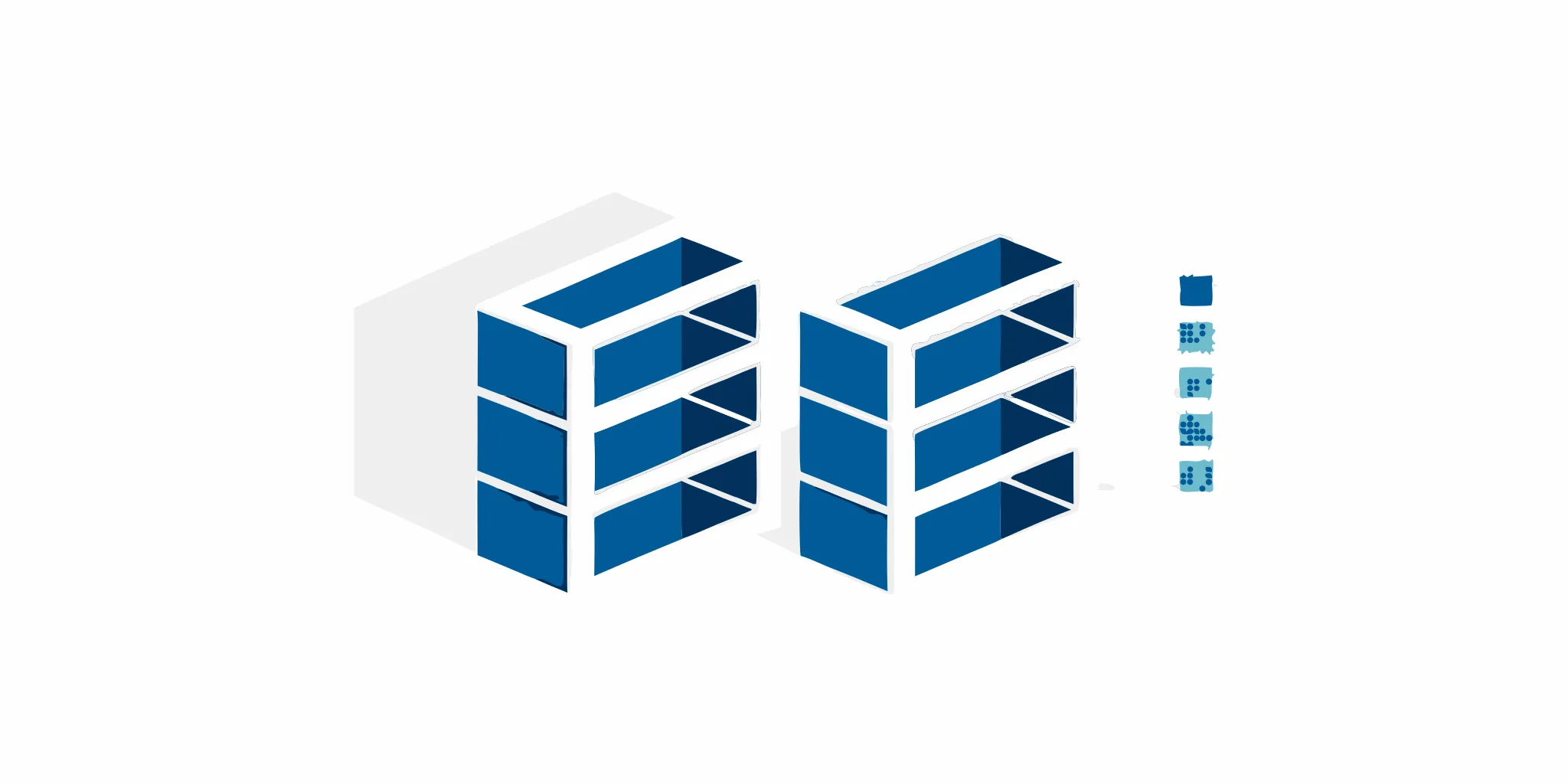


Your shelving is one of the most powerful, yet often overlooked, tools you have for shaping the customer experience. It’s the silent guide that directs shoppers through your store, makes products easy to find, and can turn a cluttered, stressful space into one that feels open and inviting. A positive in-store experience encourages customers to browse longer, spend more, and return in the future. Thoughtfully chosen commercial retail shelving is the foundation of this experience. It helps prevent bottlenecks, creates visual interest, and puts your merchandise in the best possible light. Let’s explore how the right shelving design directly impacts customer behavior and your bottom line.
Choosing the right shelving is about more than just holding products; it’s a fundamental part of your store’s design and merchandising strategy. The right system can guide customer flow, highlight key items, and reinforce your brand identity. From versatile, aisle-forming units to sleek, wall-mounted options, each type of shelving serves a different purpose. Understanding the main types available is the first step toward creating a retail environment that is both functional and visually appealing. Whether you’re outfitting a single boutique or planning a multi-store rollout, the shelving you select will directly impact how shoppers interact with your products. Let’s look at the most common options to see which might be the best fit for your space.
You’ve seen gondola shelving in almost every grocery, convenience, and big-box store. These freestanding units are the workhorses of the retail world for a reason. They consist of a flat base and a solid vertical spine, which can be fitted with shelves, pegboards, or hooks on one or both sides. Their modular nature makes them incredibly versatile. You can connect them to create long, continuous aisles that maximize your selling space, or use single units as endcaps for promotions. Because they are so common, many gondola shelving accessories are available, allowing you to adapt them for nearly any type of product, from packaged goods to apparel.
If you want to maximize floor space or create a clean, minimalist aesthetic, wall-mounted shelving is an excellent choice. These systems attach directly to your store’s walls, drawing customers’ eyes up and around the perimeter of the space. This is perfect for smaller boutiques where every square foot counts, or for creating focused displays for high-value items like handbags, shoes, or electronics. You can find simple floating shelves for a modern look or more complex track systems that allow for easy adjustments. Many retailers use retail furnishings like wall shelves to frame their space and complement their freestanding fixtures, creating a layered and dynamic shopping experience.
Slatwall displays offer unmatched flexibility, making them a favorite for retailers with frequently changing inventory, like apparel or specialty gift shops. These panels feature horizontal grooves, or slats, that accept a wide variety of accessories, including shelves, hooks, faceouts, and bins. You can reconfigure an entire wall in minutes without any tools, which is ideal for creating fresh seasonal or promotional displays. Slatwall can be installed directly onto walls or integrated into freestanding fixtures. It also comes in many finishes, from classic woodgrain to modern metallic, allowing you to match it perfectly to your store’s branding and create a polished, custom look.
Wire and grid shelving, often called gridwall, is a lightweight and cost-effective solution that offers a modern, industrial feel. These systems use panels made of a wire grid, which can be mounted to a wall or configured into freestanding displays. Because the design is so open, it allows light to pass through, making a space feel larger and brighter. This makes gridwall a great option for pop-up shops, trade show booths, or any retailer wanting an airy, uncluttered look. The grid pattern also makes it simple to attach hooks, baskets, and shelves for a display that is both functional and visually interesting.
When standard shelving just doesn’t fit your vision or your products, custom retail shelving is the answer. This approach allows you to create fixtures that are perfectly tailored to your brand, your space, and your merchandising needs. Whether you need a unique shape to fit an awkward corner, specific dimensions to hold oversized items, or a one-of-a-kind finish to match your brand identity, custom solutions make it possible. Working with a partner on design, engineering, and prototyping ensures your fixtures not only look great but are also built to last. This is the best way to create a truly memorable shopping experience that sets your store apart from the competition.
Choosing the right shelving goes far beyond just finding a place to stock your products. The best retail shelving is a workhorse, playing a critical role in your store’s functionality, customer experience, and overall brand presentation. When you’re planning a multi-store rollout, selecting fixtures with the right features from the start ensures consistency and saves you from costly changes down the line. From supporting heavy loads to seamlessly integrating with your store’s design, every detail matters.
As you evaluate your options, it’s helpful to think of shelving as a core part of your merchandising strategy. The right system will not only hold your inventory securely but also make it easy to adapt to seasonal changes, highlight promotions, and create an environment that guides shoppers and encourages them to buy. S-CUBE can help you navigate these choices with our comprehensive design and engineering services.
First and foremost, your shelving needs to be strong enough to handle your products safely and reliably. The last thing you want is a display that bows, sags, or fails under the weight of your inventory. When selecting shelving, always check its load capacity. Heavy-duty steel gondola units, for example, are engineered to support thousands of pounds, making them a dependable choice for everything from beverages to hardware. Investing in durable, high-quality fixtures not only protects your products and your customers but also ensures the longevity of your investment. Our commitment to complete quality control means you can trust our fixtures to stand up to the demands of a busy retail environment.
Retail is dynamic. Your inventory changes, promotions come and go, and your store layout may need to evolve. Shelving that is flexible and adjustable is key to keeping up. Look for systems with movable shelves, interchangeable components, and modular designs that allow you to reconfigure displays with minimal effort. This versatility lets you adapt your merchandising for seasonal items, new product launches, or clearance events without needing to invest in entirely new fixtures. This adaptability is a core component of smart retail fixture design, allowing your store to feel fresh and responsive to both customer needs and inventory shifts.
Lighting can transform a standard display into a stunning focal point. Products that are well-lit not only look more appealing but are also easier for customers to see and evaluate. Modern shelving systems can be designed with integrated LED lighting to illuminate products directly, creating a high-end, seamless look without the clutter of external fixtures. This is especially effective for highlighting premium items in categories like cosmetics, electronics, or liquor. By incorporating lighting into your shelving design, you can create a brighter, more inviting shopping atmosphere that draws attention exactly where you want it. You can see examples of this in our work with leading retailers.
Your shelving shouldn't just hold products; it should help sell them. That’s why compatibility with signage and other merchandising accessories is so important. Effective shelving systems are designed to accommodate a variety of sign holders, from aisle markers and headers that help with wayfinding to shelf-edge clips that call out prices and promotions. This integration makes it easy to communicate with your customers and guide their purchasing decisions directly at the point of sale. When planning a rollout, ensuring your fixture partner provides a holistic solution that includes merchandising is a key part of effective project management.
Finally, the look and feel of your shelving play a huge role in defining your store’s brand identity. The materials, colors, and finishes you choose should align with the shopping experience you want to create. Whether you’re aiming for a warm, upscale feel with wood-look laminates or a sleek, modern vibe with powder-coated metal, your shelving should complement your brand. With custom fixtures, you have a wide range of options to choose from, allowing you to select finishes that match your brand’s color palette perfectly. This attention to aesthetic detail ensures a cohesive and memorable in-store experience for your customers.
The material you choose for your retail shelving does more than just hold your products. It sets the tone for your store’s atmosphere, communicates your brand’s quality, and impacts your budget. Finding the right balance between aesthetics, durability, and cost is key to creating a successful retail environment. From the industrial strength of steel to the natural warmth of wood, each material offers a unique set of benefits. Understanding these options will help you select shelving that not only looks great but also stands up to the demands of your retail space. Let's explore some of the most common materials used in commercial shelving and what makes each one a great fit for different needs.
When you need strength and reliability, steel and metal are the undisputed champions of retail shelving. This material is the backbone of countless stores for a reason: it can handle heavy loads without warping or breaking, making it ideal for everything from grocery aisles to backroom storage. Metal shelving offers a clean, modern aesthetic that works well in a variety of settings, from industrial-chic boutiques to large-format retailers. Finishes like powder coating can add a pop of color and protect against chipping and rust. Because of its durability and versatility, metal is a smart long-term investment for high-traffic areas, and you can see how it’s used in a variety of retail settings in our work.
For a warmer, more inviting atmosphere, wood and laminate shelving are excellent choices. Solid wood brings a natural, premium feel that can make a space feel more intimate and high-end, perfect for specialty apparel, artisanal foods, or bookstore environments. For a similar look with added durability and a lower price point, laminates are a fantastic alternative. They are resistant to scratches and stains and can be produced in a vast range of finishes, from realistic wood grains to solid colors that match your branding. This level of customization allows you to create a truly unique look, and a partner with strong design and engineering capabilities can help bring your vision to life.
Glass shelving adds a touch of elegance and sophistication to any retail display. Its transparency creates an open, airy feel and puts the focus squarely on your products, making it a perfect choice for showcasing jewelry, cosmetics, electronics, or other high-value items. To ensure safety and durability in a commercial setting, retailers use tempered glass, which is much stronger than standard glass. Glass is often paired with metal or wood frames to create stunning, modern display units that feel both delicate and secure. This combination of materials allows for beautiful and functional displays that protect and highlight your most important merchandise.
Don’t underestimate the power of plastic in retail shelving and displays. This cost-effective and incredibly versatile material is a workhorse for many merchandising needs. You’ll find it in durable pegboard backings, clear acrylic risers for creating tiered displays, and colorful point-of-purchase units designed to grab customer attention. Plastic is lightweight, easy to clean, and can be molded into virtually any shape or color, offering endless creative possibilities. It’s an especially practical choice for organizing smaller items or for use in environments where moisture might be a concern. The flexibility of plastic is a key part of what we do to create effective and eye-catching displays.
As customers become more environmentally conscious, many retailers are choosing to reflect their brand values in their store design. Sustainable materials like reclaimed wood, bamboo, and recycled metals offer a powerful way to tell your brand’s story. These eco-friendly options don’t require you to sacrifice style or durability; in fact, they often create a unique and memorable aesthetic that sets your store apart. Using materials like live-edge wood or recycled steel can add character and authenticity to your space, showing customers you care about more than just the bottom line. Sourcing these materials is possible through a partner with a robust manufacturing network.
The type of store you run is the single most important factor in selecting your shelving. A system that works wonders for a boutique will fall flat in a grocery store, and vice versa. Your shelving needs to support your specific products, guide your customers, and stand up to your daily operations. Let's look at the most effective shelving solutions for different retail environments to help you find the perfect fit for your space.
For grocery and convenience stores, the name of the game is volume and variety. You need a workhorse, and that’s where gondola shelving shines. These freestanding, double-sided units are the industry standard for creating long, organized aisles. Their strength is perfect for holding everything from heavy canned goods to lightweight chip bags. You can easily adjust shelf heights to accommodate different product sizes and use end caps for high-impact promotional displays. A partner with robust domestic and international manufacturing can produce these durable, versatile fixtures consistently for rollouts across all your locations.
In apparel and specialty retail, shelving does more than just hold products; it helps create an experience and communicate your brand’s identity. Your fixtures should feel like a natural extension of your style. Think beyond basic aisles and consider wall-mounted systems, floating shelves, or unique modular units that create visual interest. Adjustable shelving is key for showcasing everything from folded sweaters to delicate accessories. For these stores, the aesthetic is just as important as function, so working with a partner who offers custom design and engineering services is essential to bringing your unique vision to life.
Big-box retailers face the unique challenge of merchandising an enormous range of products under one roof. This requires a hybrid approach that combines heavy-duty industrial shelving for backstock and bulk items with more refined displays for specific departments like electronics or apparel. The key is finding a solution that is both durable enough for high traffic and versatile enough to adapt to different product categories. For large-scale rollouts, success depends on meticulous coordination. Partnering with a team that provides expert project management and customer service ensures every fixture arrives on time and on budget for every single store.
Choosing the right retail shelving is a strategic decision that impacts everything from your store’s functionality to your brand’s identity. It’s about more than just holding products; it’s about creating an environment that guides customers, highlights merchandise, and stands the test of time. Before you make a final decision, it’s important to think through a few key factors. A thoughtful approach ensures your shelving investment supports your business goals for years to come, especially when planning for a multi-location rollout where consistency and reliability are paramount. Let's walk through the essential considerations to help you select the perfect shelving solution.
Your shelving is the primary tool you have for shaping how customers move through your store. Will you create long, straight aisles with gondola shelving to maximize product facings, or will you use smaller, modular units to create intimate discovery zones? The right layout can guide shoppers on a specific path, encouraging them to explore different departments and increasing the likelihood of impulse buys. A well-planned flow prevents bottlenecks and creates a pleasant, stress-free shopping experience. Thinking through your strategic store design first will help you choose shelving that builds the exact customer journey you want to create.
Take a detailed look at what you’re selling. Are you displaying heavy items like paint, beverages, or hardware? Or is your merchandise lightweight, like apparel or accessories? Every shelving system has a specific load capacity, and it’s critical to match the shelf’s strength to your products. Overloading shelves is a serious safety risk and can lead to damaged inventory and fixtures. Be sure to choose heavy-duty options for weighty goods. A partner experienced with diverse custom fixture programs can help you specify the right materials and construction to safely support your merchandise, no matter the weight.
If you’re a regional or national chain, consistency is key. Your shelving needs to be replicable across dozens or even hundreds of locations to maintain a cohesive brand experience. When choosing a shelving system, consider its availability for future store openings and remodels. Can your supplier handle a large-scale rollout and guarantee that the fixtures in your 100th store will match those in your first? Partnering with a supplier that has proven consistent manufacturing capabilities ensures you can scale your vision without compromising on quality or brand identity.
Not all shelving is created equal. Fixtures designed for home use simply aren't built to withstand the daily wear and tear of a commercial environment. Commercial-grade shelving is engineered for durability and must meet specific safety standards, including ADA compliance for aisle width and accessibility. Using non-commercial fixtures can expose your business to liability risks and create hazards for both your customers and employees. To protect your business, always verify that your shelving is intended for retail use and meets all relevant regulations. Working with a partner who implements rigorous quality control provides peace of mind that your fixtures are safe and compliant.
The initial price of your shelving is only part of the total cost. You also need to factor in installation, maintenance, and long-term durability. A cheaper shelf that is difficult to assemble or requires frequent repairs will cost you more in the long run. Look for shelving that is not only durable but also easy to clean and maintain. A strong return on investment comes from fixtures that look great and perform well for years. Leaning on a team that provides expert project management can streamline the entire process, from delivery and installation to ongoing support, ensuring you get the most value from your investment.
Choosing between standard and custom shelving is a pivotal decision for any retailer. It’s not just about holding products; it’s about creating an environment, guiding customer flow, and reinforcing your brand identity. Standard shelving offers practicality and speed, while custom solutions provide a tailored experience that can set your store apart. The right choice depends entirely on your specific goals, budget, and the story you want your retail space to tell. Let's break down when each option makes the most sense for your business.
Standard shelving, like the ever-popular gondola system, is the workhorse of the retail world for a reason. If you need a functional, cost-effective, and readily available solution, this is your answer. Think long, uniform aisles in a grocery store or simple, stand-alone displays. Metal gondola units with pegboard backs are a classic choice because they are durable, versatile, and budget-friendly. Standard shelving is ideal for retailers who prioritize practicality and need to get their stores set up quickly without the need for a unique or branded presentation. It gets the job done efficiently when your products fit conventional display formats.
Investing in custom shelving is about moving beyond a purely functional display and creating a unique brand experience. If standard options don’t match your aesthetic, can't properly display your unique products, or fail to create the shopping journey you envision, it’s time to go custom. This approach allows you to build fixtures that are a true extension of your brand. With expert design and engineering, you can create shelving that integrates lighting, signage, and specific materials to make your products shine. For multi-location rollouts, custom fixtures ensure brand consistency and an optimized shopping environment across every single store.
Choosing the right shelving is about more than just holding products; it's a strategic decision that shapes your store's functionality and your customers' experience. Even seasoned retailers can fall into common traps that limit their store's potential. By being aware of these pitfalls, you can make smarter, more effective choices for your fixture program, ensuring your investment pays off for years to come. Let's walk through some of the most frequent mistakes and how you can sidestep them.
One of the most underutilized assets in any retail space is the air above your shelves. It’s easy to focus on floor space, but failing to build upwards means you’re missing out on valuable merchandising real estate. Using taller fixtures or systems designed for verticality can dramatically increase your product capacity without needing a larger footprint. For example, gondola shelving is a workhorse for many stores precisely because it’s so efficient and flexible. A thoughtful approach to design and engineering can help you map out a plan that makes the most of every square inch, turning overlooked areas into profitable display space.
When you're managing a budget for a large rollout, it’s tempting to choose the cheapest shelving option. However, prioritizing a low initial cost often leads to higher expenses in the long run. Flimsy fixtures can sag, break, or quickly look worn, requiring frequent repairs or replacements that disrupt your stores and drain your budget. Investing in high-quality materials, like the solid wood shelves used in high-end displays, ensures durability and longevity. A partner focused on complete quality control will deliver fixtures that not only last but also protect your brand's reputation and provide a better long-term return on investment.
Retail never stands still, and your fixtures shouldn't either. A common mistake is selecting shelving that is too rigid, making it difficult to adapt to seasonal campaigns, new product launches, or clearance events. Your shelving should support your merchandising strategy, not hinder it. Look for modular systems that can be easily reconfigured or fixtures with interchangeable components. For instance, some systems offer slatwall conversion kits that allow for quick updates without a total overhaul. This adaptability empowers your team to create fresh, engaging displays that capture customer attention and drive sales, ensuring your store always feels current.
Your fixtures are a fundamental part of your store's environment and a powerful expression of your brand identity. Choosing shelving that doesn't align with your brand's aesthetic can create a jarring and inconsistent customer experience. Imagine a luxury boutique with flimsy, generic shelving; it immediately undermines the brand's premium feel. Even large retailers like IKEA understand this, offering retail furnishings that reflect their specific brand ethos. The materials, colors, and overall design of your fixtures should feel like a natural extension of your brand. Working with a partner on custom solutions ensures your shelving tells the right story and strengthens your brand from the moment a customer walks in.
It’s easy to think of shelving as just a functional necessity, a simple way to hold products. But in reality, your shelving is one of the most powerful tools you have for shaping the customer experience. The right design does more than just display merchandise; it guides shoppers through your store, tells your brand’s story, and makes the entire process of finding and buying products feel effortless and enjoyable. When shelving is thoughtfully integrated into your store’s layout, it creates a natural flow that prevents bottlenecks and encourages discovery. This silent guidance is fundamental to a successful retail space.
Think about the difference between a store with wide, clear aisles and well-lit displays versus one with cramped, disorganized shelves. The first feels inviting and easy to shop, while the second can feel stressful and overwhelming. This feeling has a direct impact on your bottom line. A positive in-store experience makes customers more likely to spend more time browsing, make a purchase, and return in the future. Your shelving strategy is a critical part of creating that successful retail environment. By focusing on how your fixtures serve the customer, you can turn a simple shopping trip into a memorable brand interaction that builds loyalty and drives revenue.
Great shelving makes your products easy to find, reach, and see. The primary goal of any display is to present items in a way that is both accessible and visually appealing, ultimately making them easier to sell. This is where strategic visual merchandising comes into play. Using versatile systems like gondola shelving, you can create defined aisles that guide customer flow or build standalone displays that put a spotlight on key products.
The key is to think beyond just stocking the shelves. Consider how the height, depth, and spacing of your fixtures affect how customers interact with your merchandise. Are your most popular items at eye level? Can shoppers easily grab a product without knocking others over? A well-thought-out design and engineering process ensures your shelving not only looks great but also functions perfectly to make the shopping experience smooth and intuitive.
Your store shouldn't feel static. To keep customers engaged, you need the ability to create fresh, exciting displays for seasonal promotions, new arrivals, and special sales. This is where flexible and modular shelving systems truly shine. Fixtures like slatwall panels or mobile units on wheels give you the power to quickly transform a section of your store without needing a complete overhaul. This adaptability is essential for modern retail.
Imagine being able to set up a "back to school" section in August and then easily switch it to a holiday gift guide in November. This kind of promotional flexibility keeps your store relevant and gives shoppers a reason to visit often. By investing in adaptable shelving, you can create dynamic, eye-catching displays that highlight what’s new and exciting, driving attention and sales. You can see examples of this in our work with leading retailers.
Choosing a shelving provider is a big decision, especially when you’re outfitting multiple locations. You’re not just buying a product; you’re selecting a partner who will play a crucial role in your brand’s physical presence. The right partner acts as an extension of your team, helping you meet deadlines, control costs, and create a consistent, compelling experience for your customers across every store. A successful multi-store rollout depends on a partner with proven expertise in design, manufacturing, and project management. Let's walk through the key areas to evaluate to find the best fit for your business.
Your shelving partner should be able to do more than just sell you fixtures; they should help bring your vision to life. Look for a company with in-house design and engineering teams that can translate your brand identity into functional, beautiful displays. A partner with these capabilities can help you plan store layouts, create custom pieces, and develop prototypes to test before a full rollout. This collaborative approach ensures the final product not only looks great but also meets your specific merchandising needs and enhances the customer journey. When a potential partner has designers and engineers on staff, it streamlines communication and makes the entire process, from initial concept to final installation, much smoother.
A great design is only half the battle. Your partner must have the operational strength to produce your fixtures at scale and deliver them on time. For national rollouts, this is a massive undertaking. Ask potential partners about their manufacturing and logistics capabilities. Do they have both domestic and international options to balance cost and speed? How do they handle shipping to dozens or even hundreds of locations? A reliable partner will have a solid plan for getting the right fixtures to the right store at the right time, preventing delays that can disrupt store openings or remodels. Their ability to manage this complex supply chain is essential for a successful, stress-free rollout.
Coordinating a fixture rollout across multiple stores requires meticulous organization. This is where a partner with strong project management really shines. You should have a single, dedicated point of contact who understands your project inside and out. This person is responsible for keeping everything on schedule, within budget, and ensuring your questions are answered promptly. Equally important is a commitment to complete quality control. The fixtures in your hundredth store should have the same high-quality finish and construction as the ones in your first. A partner dedicated to quality will have checkpoints throughout the manufacturing and delivery process to guarantee consistency and excellence every step of the way.
While budget is always a key consideration, the cheapest upfront price doesn't always equal the best value. When evaluating partners, think about the total cost of ownership. Investing in durable, high-quality fixtures may cost more initially but will save you money on replacements and repairs down the road. A true partner offers more than just a product; they provide comprehensive services that support your business goals. This includes everything from design support and project management to inventory control and flexible logistics. By choosing a partner who delivers long-term value, you’re making a strategic investment in the success and scalability of your retail environment.
Choosing a shelving provider is one of the most important decisions you'll make for your retail business, especially when you're planning a multi-store rollout. You aren't just buying a product; you're entering a partnership. The right partner acts as an extension of your team, helping you create a successful retail environment that meets your budget and timeline. They bring expertise to the table that goes far beyond a simple product catalog. As you evaluate your options, look for a company that offers comprehensive services designed to support your project from the initial idea to the final installation.
Your store's shelving should reflect your brand's unique identity, not just hold products. A top-tier partner won't just show you a catalog; they will work with you to create something truly custom. Look for a team that offers in-house design and engineering services to transform your vision into a functional, beautiful fixture. They should be able to help you with everything from initial concepts and store layouts to creating physical prototypes. This allows you to see and feel the final product, making sure it’s perfect before you commit to a large-scale production run. This collaborative approach ensures your shelving is a perfect fit for your brand and your space.
Coordinating a fixture rollout across dozens or hundreds of locations can be incredibly complex. The last thing you need is to juggle multiple contacts for design, manufacturing, and shipping. A great partner provides dedicated project management and customer service to act as your single point of contact. This person or team oversees every detail, from ensuring quality control at the factory to coordinating final deliveries, making sure your project stays on schedule and within budget. They handle the complexities behind the scenes so you can focus on your business. This level of support is what separates a simple supplier from a true strategic partner.
A partner’s ability to produce and deliver your fixtures is just as important as their design skills. Ask about their manufacturing capabilities. Do they have a network that can handle your volume and quality standards? A partner with a robust supply chain can offer flexibility and reliability. Equally important is their approach to logistics and distribution. They should have a proven system for getting the right fixtures to the right stores at the right time, without damage or delays. This is especially critical for national rollouts where timing and consistency are everything.
While the initial price tag is always a factor, the true cost of your fixtures includes their entire lifecycle. A cheaper, lower-quality shelf that needs frequent repairs or replacement will cost you more in the long run. A strong partner helps you find the right balance between cost, quality, and durability. They should be transparent about how their materials and construction methods deliver a better return on investment. By focusing on long-term value, you can ensure your shelving not only looks great on opening day but also stands up to the demands of a busy retail environment for years to come.
I'm planning a multi-store rollout. What's the most important first step in choosing shelving? Before you even look at a single shelf, take a step back and map out your ideal customer journey. Think about how you want shoppers to move through your space and what you want them to see first. Once you have a clear vision for your store layout and customer flow, then you can start matching shelving types to specific zones. This strategic approach ensures your fixtures actively support your sales goals, rather than just taking up floor space.
How do I decide if I really need custom shelving, or if standard options will work for my stores? The answer comes down to your products and your brand. If you sell items with unusual shapes or sizes that don't fit well on typical shelves, custom is the way to go. Likewise, if your brand has a very distinct aesthetic that standard finishes can't capture, investing in custom fixtures is essential for creating a memorable experience. If your needs are straightforward and your main goals are speed and function, a high-quality standard system will likely serve you well.
My budget is tight. Is it a mistake to go with the cheapest shelving option to save money on a large rollout? It’s a tempting shortcut, but it almost always costs more in the long run. The cheapest options are often made from lower-grade materials that can sag, chip, or break under the stress of a busy retail environment. This leads to frequent repair and replacement costs, not to mention the safety risks. A better approach is to focus on long-term value by investing in durable, well-made fixtures that will perform reliably for years, protecting your brand image and your bottom line.
What should I look for in a partner to ensure my fixtures arrive correctly and on time for a national rollout? Look for a partner who offers dedicated project management. A successful national rollout requires incredible coordination, and you need a single point of contact who oversees every detail, from manufacturing quality to delivery schedules for each location. Ask potential partners about their logistics network and how they handle complex distribution. A team with a proven process for managing large-scale projects will prevent delays and ensure consistency across all your stores.
My brand has a very specific look. How can I ensure my shelving feels unique and not like every other store's? This is where a partnership with a strong design and engineering team makes all the difference. You can go far beyond just picking a color. A good partner will work with you to explore unique materials, custom finishes, and integrated lighting that align perfectly with your brand identity. By creating fixtures that are tailored to your vision, you can build a cohesive and memorable environment that feels completely your own.
Subscribe for expert insights on fixture design, materials, and modern retail environments.